
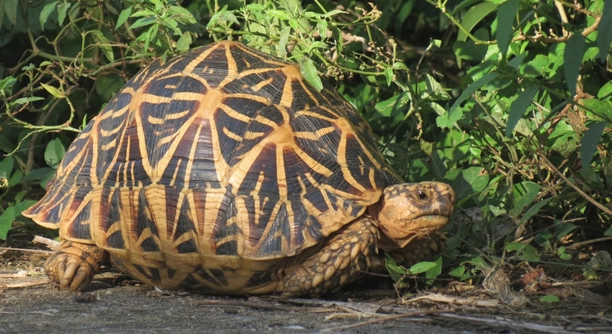
As winter settles in, keeping your Indian star tortoise active can be a challenge. This guide explores simple tips to ensure your tortoise stays lively and healthy during the colder months.
To maintain your Indian star tortoise’s activity in winter, it is important to provide a warm environment, offer proper nutrition, and keep its enclosure spacious. Regular gentle exercise, along with appropriate lighting, will also help promote physical activity.
We’ll cover practical steps to ensure your tortoise stays active and healthy during winter, addressing everything from temperature to diet and exercise.
Providing the Right Temperature
Temperature is crucial for your Indian star tortoise’s activity levels. During winter, their metabolism slows down, making it important to maintain a warm environment. You should aim to keep their habitat between 80-85°F (27-29°C) during the day. At night, a drop to around 70°F (21°C) is acceptable, but it should never fall below 60°F (15°C). If your tortoise’s environment becomes too cold, it could lead to lethargy and health problems.
To achieve this, a combination of heat lamps and ceramic heat emitters can help regulate the temperature. Positioning a thermostat in the enclosure will allow you to monitor and adjust temperatures as needed. It is also important to avoid placing the enclosure in drafty areas where cold air can easily affect the temperature.
A properly heated habitat will allow your tortoise to stay active during the colder months. Without the right temperature, your tortoise may become inactive or even develop health issues, which could affect its overall well-being.
Ensure Proper Lighting
Indian star tortoises need access to UVB light, especially during the winter months. UVB exposure helps them process calcium and absorb essential vitamins. Without adequate light, they may become sluggish or develop metabolic bone disease.
Providing a UVB light bulb in their enclosure, ideally on a 12-hour light cycle, mimics natural sunlight. It is best to use specialized UVB bulbs designed for reptiles, ensuring they receive the correct wavelength of light. In addition, the light should be placed within a proper distance from the tortoise to be effective.
Along with heating, proper lighting is a must for keeping your Indian star tortoise active in the winter. A lack of proper UVB lighting may lead to more serious health concerns, which can slow your tortoise’s activity and overall happiness.
Offer a Spacious Enclosure
A larger enclosure will allow your tortoise to move around more freely, even in winter. The more space they have, the more opportunities they have to stay active. Aim for an enclosure that is at least 4 feet long.
Avoid overcrowding your tortoise’s space with too many items, as this can limit movement. Provide areas to explore, such as rocks or branches, but ensure there is enough room for the tortoise to roam comfortably. Make sure there is a warm area and a cooler spot so your tortoise can regulate its body temperature as needed.
An appropriately sized enclosure helps your Indian star tortoise maintain an active lifestyle, even when temperatures drop. A cramped space can contribute to lethargy, so it’s essential to give them the room they need to stay healthy.
Feed Them Properly
Proper diet plays a huge role in your tortoise’s activity level. Providing a varied, well-balanced diet will keep their energy up. Offer fresh greens, hay, and the occasional fruit or vegetable.
The right food will not only help maintain their weight but also give them the energy needed for daily activity. Avoid overfeeding, as this can lead to weight gain and a lack of motivation to move. Focus on feeding them leafy greens like dandelion leaves, collard greens, and endive, along with high-fiber grasses. Always remove any uneaten food from the enclosure to maintain cleanliness.
A nutritious diet will help keep your tortoise physically active and mentally stimulated, allowing them to thrive even during the winter. It’s important to find the right balance and ensure they get the necessary nutrients to stay strong and active.
Provide Exercise Opportunities
Even in the winter, your Indian star tortoise should have opportunities to exercise. You can set up a safe area outside its enclosure for regular movement.
Try to offer a few short sessions of gentle exercise each day. You can let your tortoise roam freely in a safe, controlled space. Avoid making the exercise too strenuous, as their energy levels are lower in colder months.
Daily exercise is essential for maintaining muscle tone and encouraging overall physical activity. Tortoises need regular movement to stay healthy, so finding ways to incorporate this into their routine is key.
Maintain a Healthy Humidity Level
The right humidity level is crucial for your tortoise’s overall well-being. In winter, air tends to get dry, so it’s important to keep the humidity levels in check.
A humidity level of 50-70% is ideal for an Indian star tortoise. Too low, and they may become dehydrated; too high, and it can lead to respiratory problems. You can use a hygrometer to monitor humidity and adjust accordingly.
Keeping the humidity stable allows your tortoise to stay hydrated and feel comfortable, encouraging activity. This can make a noticeable difference in their behavior during the winter months.
Keep the Enclosure Clean
A clean environment is necessary for your tortoise’s health. Regular cleaning will not only help maintain a healthy habitat but also encourage activity.
Remove waste, food scraps, and soiled bedding regularly. Doing so ensures that your tortoise doesn’t get stressed out by a dirty living space. A clean environment helps your tortoise feel comfortable and active.
FAQ
How do I know if my Indian star tortoise is too cold?
If your tortoise is too cold, it may become lethargic or hide more often than usual. A cold tortoise may not move around much, and its movements might seem sluggish or stiff. Additionally, you might notice a lack of appetite, as their digestion slows down in cold conditions. To prevent this, make sure their enclosure maintains the proper temperature. If the temperature drops too low, their metabolism will slow down, leading to inactivity.
Can I use a space heater for my tortoise’s enclosure?
It’s not recommended to use a space heater directly in your tortoise’s enclosure, as it can cause uneven heating. Space heaters can create hot spots that are too intense, leading to stress or burns. Instead, use reptile-specific heat lamps or ceramic heat emitters designed for reptile habitats. These provide more controlled, gentle heat that can be adjusted to keep the temperature steady without the risk of overheating.
How much light does my tortoise need in winter?
Your Indian star tortoise needs around 10 to 12 hours of light each day, even in winter. This light should be a combination of heat and UVB light. UVB lighting helps them process calcium and prevent metabolic bone disease, while heat from the lamp keeps them active and at a healthy temperature. Make sure the bulb is the right strength and placed at an appropriate distance from the tortoise.
What is the best way to exercise my Indian star tortoise in winter?
Exercise is essential, even in winter. You can encourage movement by setting up a safe area outside of its enclosure where the tortoise can roam. Be sure the space is free from hazards, such as sharp objects or other pets. You don’t need to force your tortoise to move; simply let it explore its environment at its own pace. Gentle, short exercise sessions are best during the colder months.
Is it safe to bathe my tortoise during winter?
Yes, bathing your tortoise in warm water is a good way to keep it hydrated and encourage activity, especially during winter. Make sure the water is not too hot—aim for a temperature between 85°F and 90°F (29-32°C). Bathing helps with hydration, and the warm water can stimulate your tortoise’s muscles and promote circulation. After bathing, dry them off and return them to their warm enclosure.
Can I feed my tortoise the same food in winter?
Yes, you can feed your tortoise the same types of food during winter, but it’s important to monitor the quantity and type of food based on their activity level. Offer a variety of fresh greens, grasses, and vegetables, but reduce the amount of fruit as it can be too sugary for them. Since they are less active in winter, you may want to adjust their portion sizes to avoid overfeeding. Always remove any leftover food after a few hours to keep the enclosure clean.
Why is my tortoise not eating in winter?
It’s normal for tortoises to eat less during winter due to a drop in their activity levels. If your tortoise isn’t eating, it could be because the temperature or light conditions aren’t optimal. Ensure that the environment is warm enough and that they have access to UVB light. If the conditions are right and your tortoise still refuses to eat for extended periods, consider consulting a vet to rule out any health issues.
How do I make sure my tortoise stays hydrated during winter?
Hydration is crucial for your tortoise’s health, especially during winter when the air can become dry. Make sure your tortoise has access to fresh, clean water at all times. You can also provide a shallow dish of water for them to soak in to help with hydration. Additionally, you can occasionally bathe your tortoise in warm water to encourage hydration.
Should I adjust my tortoise’s diet in winter?
While the overall diet should remain the same, you may want to adjust the frequency of feedings based on your tortoise’s activity level. Since they are less active, they may not need as much food. Offer smaller portions and monitor their weight to ensure they are maintaining a healthy size. If you’re unsure, consult with a vet to tailor the diet for the winter months.
Can my tortoise stay outside in winter?
It is not safe to leave your Indian star tortoise outside during winter. These tortoises are sensitive to cold temperatures, and exposure to freezing weather can lead to hibernation or even death. Keep them indoors in a controlled environment where you can regulate the temperature, lighting, and humidity to ensure their health and safety. Even if you live in a warmer climate, avoid outdoor enclosures during the colder months.
Maintaining an active Indian star tortoise during winter requires a few simple steps to ensure it stays healthy and happy. Providing the right environment is crucial, especially when temperatures drop. Keeping their enclosure at the proper temperature, using heat lamps and UVB lights, will help them stay active. Without the right warmth and lighting, they may become lethargic and even develop health problems. Regular checks on the temperature and light setup in the enclosure will prevent many common issues.
Diet and exercise also play an important role in keeping your tortoise active during the colder months. A well-balanced diet of fresh greens, hay, and occasional fruits will provide the energy needed to encourage movement. Avoid overfeeding, as inactivity during winter can lead to weight gain. Exercise is equally important, and creating a safe space for your tortoise to roam outside the enclosure can help it stay fit. Even in winter, gentle, daily exercise will maintain muscle tone and stimulate activity.
Overall, taking the time to adjust their environment, feeding routine, and exercise habits for the winter will ensure your tortoise remains active and healthy. By focusing on their basic needs, like proper temperature, lighting, hydration, and diet, you can avoid common winter-related issues. These simple steps will support your Indian star tortoise’s well-being, allowing it to thrive during the colder months and remain an active, happy companion.

Hello,
If you enjoy the content that we create, please consider saying a "Thank You!" by leaving a tip.
Every little bit helps us continue crafting quality advice that supports the health, happiness, and well-being of pets around the world, for pets of all shapes, sizes, and species.
We really appreciate the kindness and support that you show us!