
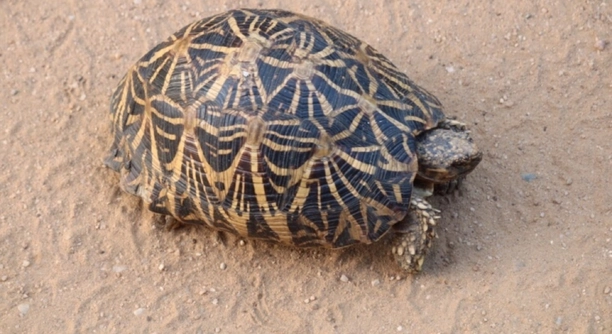
Indian star tortoises are known for their striking patterns and slow movements. However, keeping them healthy requires attention to their environment, especially ensuring they don’t overheat. Proper care helps them live a long, happy life.
To prevent overheating, provide your Indian star tortoise with a well-ventilated enclosure, avoid direct sunlight, and monitor the temperature regularly. Creating a shaded area, using heat lamps, and ensuring proper humidity will also help maintain a comfortable environment for your pet.
By following these simple steps, you can ensure your tortoise stays cool and healthy. The following tips will help you maintain the perfect temperature for your pet’s well-being.
Ensure Proper Enclosure Temperature
Maintaining the right temperature is crucial for your tortoise’s health. Aim for a daytime temperature of 80-90°F (27-32°C), and a nighttime temperature around 70°F (21°C). A reliable thermometer inside the enclosure can help you keep track. Make sure that the area where your tortoise sleeps remains cool, while daytime areas are warm enough for basking. Avoid overheating the entire habitat by adjusting the heat source accordingly. This balance is key to helping your tortoise stay active and healthy. A steady temperature range also mimics their natural environment, supporting their well-being.
Heat lamps or ceramic bulbs can be used to create warm zones. Just be sure to place them where your tortoise can regulate its exposure. You should monitor the lamp’s distance from the enclosure floor to prevent too much heat from concentrating in one spot.
By maintaining these temperature ranges, your tortoise will feel more comfortable and will be less likely to suffer from overheating. If you use a heat mat, ensure it’s regulated properly for the perfect balance.
Avoid Direct Sunlight
Direct sunlight can quickly raise the temperature of your tortoise’s enclosure, especially if it’s kept outdoors. Too much exposure can stress your tortoise, leading to dehydration or other health problems. Keep your pet’s shelter in a shaded area to reduce the risks of overheating. Direct sunlight can be dangerous, especially during the hottest parts of the day.
It’s best to use a shaded spot or provide a cover over the enclosure when it’s exposed to sunlight. UVB lighting is important for your tortoise’s health, but direct sunlight should be limited to avoid creating a dangerously high temperature inside the habitat. You can also adjust the position of the enclosure throughout the day as needed to maintain a consistent environment.
Temperature fluctuation can be tricky, so it’s crucial to monitor it regularly. If your tortoise is outdoors, a shaded area or a shelter with proper ventilation will provide the ideal conditions for a happy, healthy tortoise.
Use a Humidifier to Maintain Air Quality
A humidifier can help create the right environment for your Indian star tortoise. It adds moisture to the air, preventing the enclosure from becoming too dry. Tortoises thrive in humidity levels between 50-70%, which mimics their natural habitat.
Keeping the air humid also prevents dehydration and helps with proper digestion. Be sure to keep the humidity level steady, as both too much and too little moisture can be harmful. Use a hygrometer to monitor humidity levels and adjust accordingly. A balanced level of humidity ensures your tortoise remains comfortable and hydrated.
You can also use a shallow water dish to help maintain humidity. Place the dish in an area where your tortoise can drink or soak. It’s essential to clean the water regularly to prevent any bacterial buildup. Adding humidity should not replace proper hydration, but it supports your tortoise’s overall health by preventing overheating and dehydration.
Provide Access to a Cool Area
Offering a cool zone in your tortoise’s enclosure is just as important as providing warmth. This cool area gives your pet a place to retreat if they get too hot. It’s vital for temperature regulation.
If your tortoise feels too warm in the basking area, it can move to the cooler zone. This allows it to avoid overheating while still enjoying the warmth during the day. To create this space, use natural materials like rocks or logs to define the cool zone. A simple hide or a well-placed flat rock will suffice.
Maintaining a cool space is particularly important during the hotter months or if the enclosure is kept in a location that gets too warm. This will ensure that your tortoise has the freedom to self-regulate its body temperature. A cool area also mimics the wild environment, where tortoises can move between areas of sunlight and shade as they need to.
Monitor Enclosure Ventilation
Good ventilation helps maintain proper airflow and prevents the buildup of heat and humidity in your tortoise’s enclosure. Ensure that the space is not sealed off completely, as it can lead to overheating.
Proper airflow allows for temperature regulation. A well-ventilated enclosure helps avoid any stagnant air, which can make your tortoise uncomfortable. Air circulation helps distribute heat evenly and ensures your tortoise can access cooler areas when needed. Always check for proper ventilation to keep the environment balanced.
If you’re using a closed terrarium, consider adding a small fan or adjusting the lid to allow better airflow.
Use Heat Lamps Correctly
Heat lamps should be positioned to create warm zones without causing overheating. Be sure to place the heat source far enough from the tortoise to prevent direct exposure.
Proper placement of heat lamps ensures your tortoise can bask without the risk of overheating. This will help mimic natural sunlight and regulate their body temperature safely. Ensure the light is set to a temperature range that supports your tortoise’s health. Checking regularly can help you maintain the right balance.
Limit Handling During Hot Days
On particularly warm days, avoid excessive handling of your tortoise. Stressing your tortoise during these times can increase the risk of overheating. Let your tortoise rest in a comfortable space instead.
FAQ
How do I know if my tortoise is overheating?
Signs of overheating include excessive panting, lethargy, or hiding in the coolest part of its enclosure. You might notice your tortoise trying to move away from the heat source or staying inactive for extended periods. If your tortoise appears stressed, it’s crucial to check the temperature and humidity levels to ensure they’re within the proper range. Dehydration is another concern, so make sure they have access to fresh water at all times.
What temperature should my tortoise’s enclosure be?
The ideal temperature for an Indian star tortoise is between 80-90°F (27-32°C) during the day, with a cooler nighttime temperature of around 70°F (21°C). Use a thermometer to regularly check the temperature and adjust your heat source accordingly. A temperature gradient (warm and cool zones) is important so your tortoise can self-regulate.
Can I place my tortoise outside during the summer?
You can place your tortoise outside during summer, but only if the temperature is between 75°F and 90°F (24-32°C). Make sure the outdoor environment is safe, shaded, and has areas for your tortoise to retreat to if it gets too hot. Always supervise them and bring them inside if temperatures rise above 90°F (32°C) to avoid overheating.
How often should I mist my tortoise’s enclosure?
Misting the enclosure once or twice a day can help maintain the appropriate humidity levels. The humidity should be between 50-70%. If you notice the enclosure becoming too dry, mist more often. However, avoid over-wetting the habitat, as this can lead to mold or bacteria growth.
Do I need a special lamp for my tortoise?
Yes, UVB lighting is essential for your tortoise’s overall health. It helps with vitamin D3 production, which is necessary for calcium absorption and bone health. You’ll also need a heat lamp to create a basking spot, but make sure the temperature doesn’t exceed 95°F (35°C) in that area.
What are the signs that my tortoise is stressed from heat?
Signs of heat stress include excessive panting, lethargy, loss of appetite, and a tendency to stay in cooler areas of the enclosure. If you notice these symptoms, immediately lower the temperature and provide access to cooler zones and fresh water.
How can I keep my tortoise cool in the heat?
To keep your tortoise cool, provide a shaded area where it can retreat from direct heat. Make sure the enclosure has proper ventilation and humidity control to avoid overheating. You can also add a shallow water dish for your tortoise to soak in to help cool down.
Can I use a fan in the enclosure?
A fan can be used to improve ventilation and airflow, but make sure it’s not blowing directly on your tortoise. The fan will help maintain a comfortable environment by circulating air, which can help prevent heat buildup. Ensure the fan is safe and does not blow debris into the enclosure.
How do I maintain humidity without making the enclosure too damp?
Maintaining the right balance is key. You can use a humidifier to regulate the moisture in the air, but it’s essential to monitor the levels with a hygrometer. Ensure that the enclosure has proper ventilation to prevent it from becoming too damp, as excessive humidity can lead to respiratory issues or mold growth.
Is it safe to place a heat rock in the enclosure?
Heat rocks can be dangerous if they become too hot, as they can cause burns or overheating. It’s better to use a heat lamp or ceramic heat emitter to regulate the temperature. If you choose to use a heat rock, monitor the temperature closely to ensure it doesn’t become too hot for your tortoise to handle.
Can my tortoise handle higher humidity levels?
While Indian star tortoises thrive in moderate humidity levels (50-70%), they can tolerate slightly higher humidity if it’s not excessive. Too much moisture can lead to respiratory issues, so make sure to keep the humidity in check. If you’re unsure, use a hygrometer to ensure it’s within a safe range.
What should I do if I suspect my tortoise has heatstroke?
If you suspect your tortoise is suffering from heatstroke, remove it from the hot environment immediately and place it in a cooler, shaded area. Offer fresh water and ensure it stays hydrated. If symptoms persist or worsen, seek advice from a veterinarian experienced in reptile care.
Final Thoughts
Ensuring that your Indian Star Tortoise is not overheating is essential for its health and well-being. Temperature control, proper ventilation, and providing a balance of heat and cool zones are all crucial factors in maintaining a comfortable environment for your tortoise. Overheating can lead to stress, dehydration, and even more serious health issues, so monitoring the conditions inside the enclosure regularly is important. Keeping track of the humidity levels, airflow, and temperature range will help prevent your tortoise from experiencing discomfort.
Remember that your tortoise relies on you to create a safe space where it can thrive. While it’s natural for tortoises to bask in warmth, they also need access to cooler areas where they can retreat if the environment becomes too hot. Adjusting the setup according to seasonal changes, especially during warmer months, is a great way to ensure your tortoise remains comfortable. Being proactive in maintaining its habitat is the key to keeping it healthy and active.
In addition to adjusting the enclosure, it’s also important to observe your tortoise’s behavior. If it shows signs of stress, lethargy, or panting, those can be indicators that the temperature or humidity is out of balance. Taking action to resolve these issues as soon as possible can prevent more serious health problems. By following these simple steps, you can help your tortoise lead a healthy, comfortable life without the risks associated with overheating.

Hello,
If you enjoy the content that we create, please consider saying a "Thank You!" by leaving a tip.
Every little bit helps us continue crafting quality advice that supports the health, happiness, and well-being of pets around the world, for pets of all shapes, sizes, and species.
We really appreciate the kindness and support that you show us!