
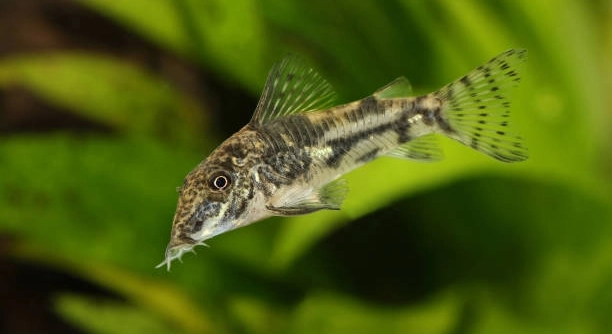
Are your Corydoras catfish not as active or playful as usual, and you’re unsure if their water temperature might be to blame?
The ideal water temperature for Corydoras catfish ranges between 72°F and 78°F. Maintaining this range helps support their immune system, comfort, and natural behavior. Consistent monitoring with a reliable aquarium thermometer is highly recommended.
Keeping their tank environment stable supports healthy habits and reduces stress-related illness over time.
Use a Reliable Aquarium Thermometer
Keeping track of water temperature is easier when you have a good thermometer. Digital thermometers are often more accurate than stick-on types and can alert you to small changes. Place the thermometer away from filters or heaters to avoid false readings. Check it daily to make sure the temperature is still in the safe zone. Sudden changes, even just a few degrees, can make Corydoras uncomfortable or sick. Regular monitoring helps prevent stress, which can lead to infections or reduced activity. Make sure your thermometer is easy to read and placed where you can see it quickly. Replacing it if it becomes foggy or unreliable is a simple step that goes a long way. Always use it alongside a heater, especially during colder months. Thermometers don’t adjust temperatures—they just inform you. It’s up to you to take action if something’s off.
Thermometers are small but very important. Choosing one that’s accurate and checking it daily is key.
Corydoras can react poorly to temperature swings. If your heater malfunctions and you don’t notice, your fish could become stressed or inactive. This is why a reliable thermometer is essential. It helps you act fast if something changes, keeping your fish safe and healthy.
Set Up a Stable Heating System
A high-quality heater keeps the tank’s temperature consistent. Even rooms that feel warm can cool quickly at night, which can stress your fish.
Use an adjustable heater that allows you to fine-tune the temperature. Automatic shutoff features are also helpful to prevent overheating. Place the heater in an area with good water flow so heat spreads evenly. You might also want to keep a backup heater on hand in case your primary one fails. It’s also helpful to cover your tank with a lid to help retain warmth and reduce evaporation. For larger tanks, a second heater may be necessary to keep the whole tank evenly heated. Don’t forget to unplug the heater before water changes to avoid damaging it. Use a heater guard to protect your Corydoras from burns, especially since they like to rest near the bottom. The right heater will keep your fish safe and reduce your need to adjust things constantly.
Avoid Placing the Tank Near Drafts or Heat Sources
Drafty windows, air vents, and direct sunlight can all affect your tank’s temperature. These shifts might not feel like much, but they can stress your Corydoras if they happen often. Keeping the tank away from these spots helps maintain a stable and safe environment.
Temperature swings caused by external factors are often overlooked. A sunny window might warm up the tank during the day but drop at night, causing fluctuations. Heating vents can do the same, making the water too warm or inconsistent. Your fish will notice, even if you don’t. Positioning the tank in a stable area with minimal airflow and no direct sunlight helps prevent these highs and lows. Check for nearby electronics too—they may give off heat without you realizing it. Once you find a good spot, monitor the tank for a few days to make sure the temperature holds steady all day.
If you already have your tank set up near a window or vent, consider adding insulation or moving it. A thick background or side panels can help block unwanted drafts or light. Even using a curtain to limit sunlight during peak hours can make a difference. The goal is to prevent sudden changes that upset your Corydoras.
Perform Regular Temperature Checks
Checking the temperature once in the morning and once at night gives you a better picture of your tank’s consistency. It’s a small habit that can help you catch problems early.
A single daily check may miss slow changes that build up over time. Temperature can shift when room temperatures change, during water changes, or if equipment starts to fail. By checking regularly, you can catch these changes before they affect your fish. Make it part of your routine—right before feeding or while observing your fish’s behavior. If you notice them acting strangely or staying in one corner, check the thermometer. Consistent readings in the safe range mean your setup is doing its job. If something seems off, recheck using a second thermometer to be sure. Small efforts like these go a long way in keeping your Corydoras healthy and comfortable every day.
Monitor Temperature After Water Changes
When adding new water, make sure it’s close to the tank’s current temperature. Using water that’s too cold or too warm can cause sudden shifts that stress your Corydoras. Even small changes can make them uncomfortable or affect their health.
Use a separate thermometer to check your replacement water before adding it. If needed, let it sit at room temperature or warm it slightly before pouring it in. This helps your fish stay comfortable and prevents them from going into shock. Always add water slowly and carefully to avoid disturbing the tank too much.
Observe Your Corydoras’ Behavior
If your Corydoras are unusually still, hiding more, or swimming oddly, it may be a sign that the temperature isn’t right. Behavior changes can be an early clue that something needs adjusting. Keep an eye on them daily, especially after changes or during colder seasons.
Avoid Frequent Temperature Fluctuations
Stability matters more than perfection. Even if the water is slightly outside the ideal range, keeping it consistent is better than frequent ups and downs. Corydoras handle steady temperatures much better than constant changes. Try to maintain the same setting on your heater and avoid changing the room temperature too often.
FAQ
What is the ideal water temperature for Corydoras catfish?
The best water temperature for Corydoras catfish is between 72°F and 78°F. Staying within this range ensures your fish remain active, healthy, and stress-free. Temperatures outside this range can lead to lethargy, reduced appetite, or even disease. It’s important to keep the water temperature stable, avoiding fluctuations of more than a few degrees.
How can I tell if the temperature is too high for my Corydoras?
If the temperature is too high, your Corydoras may start showing signs of stress. They might swim erratically, stay at the surface more often, or breathe heavily. A high temperature can lower oxygen levels in the water, which makes it harder for fish to breathe. If you notice these symptoms, check the water temperature immediately and adjust it if necessary.
How can I tell if the temperature is too low for my Corydoras?
When the water temperature is too low, Corydoras may become sluggish and spend more time at the bottom of the tank. They may also stop eating and seem less active overall. In colder water, Corydoras’ immune systems weaken, making them more vulnerable to diseases. If the temperature drops below 72°F, try to gradually raise it to the ideal range.
Can Corydoras live in room temperature water?
Corydoras can survive in room temperature water, but it’s not ideal. Room temperatures usually fluctuate and can vary greatly throughout the day or with seasons. To ensure your Corydoras thrive, it’s better to maintain a consistent water temperature within the recommended 72°F to 78°F range using a heater.
Can I use a stick-on thermometer to measure the water temperature?
While stick-on thermometers are convenient, they’re not always as accurate as digital or floating thermometers. They can sometimes give false readings due to their placement on the tank surface. For the most reliable results, invest in a good-quality digital thermometer, which can be placed directly in the water for an accurate reading.
How often should I check the temperature?
It’s a good idea to check the temperature at least once a day, preferably in the morning and evening. This ensures the water stays within the desired range and helps you spot any sudden changes. If you’re using a heater, check the temperature more frequently to make sure it’s working properly.
What should I do if the heater isn’t working properly?
If your heater isn’t maintaining the right temperature, first try adjusting the settings. If that doesn’t work, check for any issues with the heater, like a broken element or a malfunctioning thermostat. You might need to replace the heater if it’s no longer functioning correctly. Having a backup heater can be helpful in case of emergencies.
Can sudden temperature changes harm my Corydoras?
Yes, sudden temperature changes can cause significant stress to your Corydoras. Fish are sensitive to rapid fluctuations, and sudden drops or increases in temperature can weaken their immune system, making them more susceptible to illness. Always adjust the temperature gradually and monitor your fish’s behavior during the transition.
Should I cover the tank to help maintain the temperature?
Covering the tank can help maintain a more stable temperature by reducing evaporation and limiting heat loss, especially in cooler rooms. However, it’s essential to provide adequate ventilation to prevent oxygen depletion. If you cover the tank, ensure there’s a small gap or use a breathable lid to keep the air circulation healthy.
Is it necessary to use a heater in warmer months?
In warmer months, if your room temperature consistently stays within the ideal range for Corydoras (72°F to 78°F), you may not need a heater. However, if the water temperature rises above the recommended range, you’ll need to adjust the situation by either cooling the room or using a cooling fan or chiller.
Can Corydoras tolerate fluctuating temperatures during water changes?
Fluctuating temperatures during water changes can stress Corydoras. To avoid this, always match the temperature of the new water with the temperature in the tank before adding it. Sudden changes, even of just a few degrees, can be harmful. Use a thermometer to ensure the new water is at a similar temperature to the tank water.
How can I maintain stable temperatures in larger tanks?
Larger tanks are more prone to temperature changes due to their volume of water. To maintain a stable temperature, use a high-quality, adjustable heater that suits the size of your tank. You may need to use two smaller heaters placed at opposite ends of the tank to ensure even heat distribution.
How can I prevent temperature fluctuations caused by room changes?
Temperature fluctuations due to room changes are common, especially when the air conditioning or heating is turned on and off. To minimize this, avoid placing the tank near air vents, windows, or doors. You can also use a room thermometer to monitor how the room temperature affects your tank.
Can I add ice cubes to cool down the tank water?
Adding ice cubes to the tank water can cool it down temporarily, but it’s not a reliable long-term solution. Ice cubes melt quickly, causing rapid temperature changes that may stress your Corydoras. Instead, consider using a fan to cool the water gradually or invest in a chiller for more consistent results.
What should I do if my Corydoras are acting strangely after a temperature change?
If your Corydoras are acting strangely after a temperature change, first check the water temperature to ensure it’s within the safe range. If the temperature is stable, give your fish some time to recover. If symptoms persist, such as lethargy, loss of appetite, or abnormal swimming patterns, consider testing the water quality or consulting a vet.
Final Thoughts
Maintaining the right water temperature for your Corydoras catfish is one of the simplest yet most important things you can do to ensure their health. Corydoras are sensitive to temperature fluctuations, which can cause stress and make them more susceptible to illness. A stable and comfortable environment helps your fish stay active, healthy, and happy. This is why it’s important to regularly monitor the water temperature and make adjustments when necessary. Even small changes in temperature can make a big difference in how your fish behave and feel.
Using reliable equipment, like a quality thermometer and heater, will make it easier to manage the water temperature. Checking the temperature regularly is a small habit that pays off in the long run. Even if your fish seem fine, it’s still important to keep an eye on things. Fish can be good at hiding signs of stress or illness, and temperature changes can be a subtle cause. By making sure the temperature stays within the recommended range, you’re providing your Corydoras with the best possible environment to thrive in.
If you’re struggling to maintain a steady temperature, don’t hesitate to try different methods, such as moving the tank to a more stable location or using a backup heater. Remember, consistency is key when it comes to water temperature. Corydoras do best in environments where conditions stay relatively constant, with minimal changes over time. With the right care, you can ensure your Corydoras catfish live long, healthy lives in a comfortable tank.

Hello,
If you enjoy the content that we create, please consider saying a "Thank You!" by leaving a tip.
Every little bit helps us continue crafting quality advice that supports the health, happiness, and well-being of pets around the world, for pets of all shapes, sizes, and species.
We really appreciate the kindness and support that you show us!