
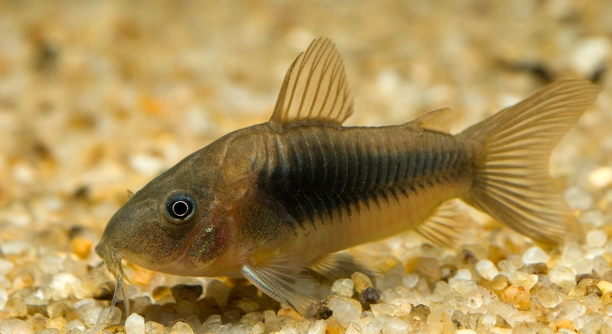
Corydoras catfish are known for their peaceful nature and unique feeding habits. Ensuring they get enough food can be a bit tricky due to their small size and their tendency to feed from the tank’s bottom.
To make sure your Corydoras catfish gets enough food, it’s important to provide sinking pellets, occasional live foods, and ensure that the food reaches the bottom where they forage. Additionally, be mindful of tankmates that may outcompete them for food.
By following these tips, you will support your catfish in staying healthy and well-fed. Understanding their feeding habits is crucial for maintaining a balanced aquarium environment.
Choosing the Right Food for Your Corydoras
Selecting the appropriate food for your Corydoras catfish is essential to meet their nutritional needs. They are bottom feeders and typically eat small particles that fall to the bottom of the tank. This means choosing sinking pellets or foods that dissolve slowly, such as specialized bottom-feeder flakes. Live food, such as brine shrimp or bloodworms, is also a great option to add variety to their diet and encourage natural foraging behaviors. Offering a mix of these food types ensures they receive a balanced diet that supports their overall health.
It’s important to avoid feeding your Corydoras floating foods as these tend to be consumed by other fish before they have a chance to reach the bottom. Ensuring your catfish can access the food will keep them well-nourished and prevent them from missing out on essential nutrients.
In addition to sinking pellets and live foods, you can also supplement their diet with vegetable matter, such as blanched spinach or zucchini. This provides fiber and additional vitamins that are crucial for their digestion and well-being. However, it’s essential to avoid overfeeding, as this can lead to water quality issues. Regular water changes and proper filtration are necessary to maintain a clean and healthy environment for your Corydoras.
Feeding Schedule and Frequency
Maintaining a consistent feeding schedule for your Corydoras is essential to ensure they get enough to eat. Feed them once or twice a day in small portions, avoiding overfeeding.
By offering smaller, more frequent meals, you can mimic their natural foraging behavior. Consistent feeding helps maintain a healthy tank and supports the catfish’s digestive health.
Tank Mates and Competition for Food
When choosing tank mates for your Corydoras catfish, it’s crucial to ensure they won’t outcompete your catfish for food. Some fish, especially aggressive eaters, may take the food before it reaches the bottom where Corydoras prefer to forage.
It’s important to pair Corydoras with peaceful tankmates that won’t disturb them while they feed. Fish like small tetras, rasboras, or peaceful gouramis are ideal as they won’t compete aggressively for food. Avoid larger fish or overly active species, as they may consume food intended for the catfish. Keeping tank dynamics in mind can help your Corydoras get the food they need.
To avoid food competition, consider feeding the tank in separate areas. Drop food at the bottom of the tank where your Corydoras can easily access it. You can also try feeding at different times, ensuring your Corydoras aren’t pushed aside during mealtime. A proper balance of fish in the tank will allow everyone to eat without stress.
Tank Setup and Food Access
Setting up the right environment for your Corydoras can help them access food more easily. Adding caves, plants, or decorations can create hiding spots where your catfish feel comfortable foraging.
A well-decorated tank not only gives your Corydoras plenty of places to hide but also helps them feel safe when feeding. These hiding spots give them time to forage without being disturbed by other fish. It’s also essential to ensure the substrate is soft, as Corydoras have delicate barbels that they use to search for food. A fine, sandy substrate is ideal to prevent any injury to these sensitive areas.
Keeping the tank clean is equally important for food access. Uneaten food can cause water quality issues and make it harder for your Corydoras to find what’s left. Regular water changes and tank maintenance are essential to ensuring your catfish’s environment remains healthy.
Sinking Pellets and Their Benefits
Sinking pellets are an excellent option for feeding Corydoras catfish. They are designed to sink quickly to the bottom, where your catfish will be able to find them with ease.
Using sinking pellets ensures your Corydoras can get a full meal without competition from faster fish. They are specifically designed for bottom-feeding fish, providing all the nutrients needed for growth and health. Make sure to choose high-quality pellets that are rich in protein and other essential vitamins to keep your catfish thriving.
Live Foods for Variety
Live foods, like brine shrimp or bloodworms, can be an exciting treat for your Corydoras catfish. Offering them occasionally adds variety to their diet.
These live foods encourage natural hunting and foraging behaviors, which is beneficial for their mental and physical well-being. It’s important not to overfeed live foods as they can quickly foul the water, so only give small amounts at a time.
Avoiding Overfeeding
Overfeeding is a common issue that can lead to water quality problems. Corydoras, like many other fish, will keep eating even if they’re not hungry.
To prevent overfeeding, only provide food that your catfish can finish within a few minutes. Remove any uneaten food after feeding to ensure the water stays clean. Regular water changes are also essential in maintaining good water quality for your Corydoras.
FAQ
How often should I feed my Corydoras catfish?
Corydoras catfish should be fed once or twice a day. It’s best to provide small amounts of food that they can consume within a few minutes. Feeding them too much at once can lead to uneaten food accumulating at the bottom, which can affect water quality. Offering smaller, more frequent meals helps mimic their natural foraging behavior and ensures they get enough nutrition without overfeeding.
Can Corydoras eat pellets designed for other fish?
While Corydoras can eat pellets designed for other fish, it’s best to use sinking pellets specifically made for bottom-feeding species. These pellets are formulated to meet the nutritional needs of Corydoras and are designed to sink to the bottom, where your catfish naturally feed. Pellets made for surface feeders may float and be out of reach for your Corydoras, making them less effective.
What types of live food are best for Corydoras?
Live foods such as brine shrimp, bloodworms, and daphnia are excellent choices for Corydoras. These foods provide variety and encourage natural hunting behaviors. However, live foods should be given in moderation to prevent overfeeding and to avoid fouling the water. It’s also important to ensure the live food is free of parasites and bacteria before feeding it to your fish.
Can I feed my Corydoras vegetables?
Yes, Corydoras can eat vegetables such as blanched zucchini, spinach, and peas. These foods are rich in fiber and provide essential nutrients for digestion. Always make sure to blanch the vegetables to soften them and avoid any sharp edges that could potentially harm your fish. Offering vegetables as a treat or supplement can help diversify their diet.
Do Corydoras need a specific type of substrate to feed?
Yes, Corydoras catfish prefer fine, sandy substrates. Their barbels, which they use to search for food, are very sensitive, and a coarse substrate can cause injury. A fine sand or soft gravel substrate is ideal as it allows them to forage naturally without harming their barbels. Additionally, a proper substrate helps maintain a healthy tank environment by reducing the buildup of food debris.
How can I prevent other fish from eating the food meant for my Corydoras?
To ensure your Corydoras get enough food, try feeding them in a separate area of the tank where other fish are less likely to interfere. Drop sinking pellets or food for your Corydoras directly on the bottom, allowing them to access it first. Alternatively, you can feed your fish at different times, ensuring that your Corydoras are given time to eat before the more aggressive or faster fish take over the food.
What should I do if my Corydoras aren’t eating?
If your Corydoras aren’t eating, it could be due to stress, poor water conditions, or illness. First, check the water quality, as poor water parameters can affect their appetite. Make sure the temperature, pH, and hardness are within the ideal range for Corydoras. If the water conditions are fine, try offering different types of food, such as live or frozen food, to see if they show more interest. If the problem persists, consider consulting an aquarium professional to rule out any underlying health issues.
How much food should I give my Corydoras at each feeding?
It’s important to feed your Corydoras only as much as they can eat within 2 to 3 minutes. They have small stomachs, and overfeeding can cause uneaten food to decay, leading to poor water quality. Start with a small amount of sinking pellets or live food and observe how much they consume. Remove any uneaten food to prevent water contamination.
Is it okay to leave food in the tank overnight for my Corydoras?
It’s not recommended to leave food in the tank overnight. Any uneaten food can decompose, causing water quality issues such as ammonia spikes. Corydoras will generally not leave food uneaten for long, but if any food remains after feeding, it should be removed to maintain a clean and healthy environment.
How do I know if my Corydoras are getting enough food?
If your Corydoras are getting enough food, they will appear active and healthy, with full bellies after feeding. A well-fed Corydoras will be alert and regularly forage at the bottom of the tank. If your catfish are thin or inactive, it may be a sign that they aren’t getting enough food. Regularly observe their behavior and adjust feeding practices if necessary.
Can Corydoras eat frozen food?
Yes, Corydoras can eat frozen foods such as bloodworms, brine shrimp, and daphnia. Frozen food can be a convenient option and provides the same benefits as live food. However, always thaw frozen food before offering it to your fish to avoid water temperature changes that could stress your Corydoras. Frozen food should be given in moderation to prevent overfeeding.
Should I feed my Corydoras while they’re hiding?
Corydoras catfish are naturally shy and may spend time hiding during the day, especially if they feel stressed or threatened. While hiding, they may still be foraging, so it’s important to feed them when they are active. If your Corydoras are hiding frequently, try feeding at different times to encourage them to come out and eat. You can also make their environment feel safer by adding more hiding spots or decorations.
How can I improve my Corydoras’ feeding habits?
To improve your Corydoras’ feeding habits, offer a variety of food types to stimulate their natural foraging instincts. Include sinking pellets, live foods, and vegetables to keep their diet balanced. Ensure their tank is set up to allow easy access to food, and maintain a stable feeding routine. Regular water changes and good tank mates will also help them feel more comfortable and encourage better feeding behavior.
Can Corydoras live on just sinking pellets?
While sinking pellets are a great staple food, Corydoras should not live on them alone. A varied diet, including live foods, vegetables, and occasional treats, will provide essential nutrients and prevent deficiencies. Relying solely on sinking pellets can lead to nutritional imbalances, so it’s important to diversify their diet.
Final Thoughts
Ensuring your Corydoras catfish receive enough food is crucial for their health and well-being. These fish are bottom feeders and have unique feeding habits that require a bit of attention to detail. The right diet helps keep them active and vibrant, while poor feeding practices can lead to issues like malnutrition or water quality problems. By providing a mix of sinking pellets, live foods, and occasional vegetables, you can meet their nutritional needs and keep them happy.
Maintaining a balanced feeding schedule is important. Corydoras catfish should be fed small amounts once or twice a day, allowing them to consume the food within a few minutes. This helps avoid overfeeding, which can lead to uneaten food lingering at the bottom and affecting water quality. Regularly removing leftover food and maintaining good tank hygiene is just as important as feeding the right amount. By observing your fish and adjusting their diet as needed, you can ensure they are getting what they need without excess.
Lastly, always pay attention to their behavior and overall condition. If your Corydoras are swimming actively, foraging at the bottom, and appear healthy, they are likely getting enough to eat. However, if you notice any changes in their behavior, such as lethargy or weight loss, it may be a sign that something is wrong. In that case, check the water quality and consider adjusting their diet. With proper care and the right food, your Corydoras catfish will thrive and be a beautiful addition to your aquarium.

Hello,
If you enjoy the content that we create, please consider saying a "Thank You!" by leaving a tip.
Every little bit helps us continue crafting quality advice that supports the health, happiness, and well-being of pets around the world, for pets of all shapes, sizes, and species.
We really appreciate the kindness and support that you show us!