
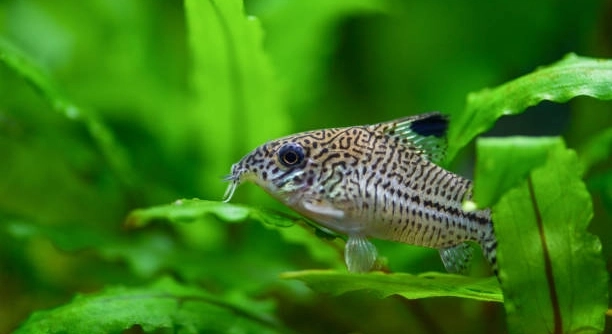
Corydoras catfish are known for their peaceful nature, making them a popular choice for aquarium enthusiasts. Ensuring their comfort in the tank is essential for their well-being and happiness. Proper care can prevent stress and health issues.
To ensure your Corydoras catfish are comfortable, provide a well-maintained tank with clean water, soft substrate, and a stable environment. Offer hiding spots and compatible tank mates. Regular water changes and proper feeding routines contribute to their overall comfort.
Ensuring these steps are followed can help create an ideal environment for your Corydoras. A well-maintained tank leads to healthier, more content fish, ensuring they thrive in your aquarium.
Water Quality Matters
Maintaining excellent water quality is crucial for the comfort of your Corydoras catfish. These fish are sensitive to pollutants, and poor water conditions can cause stress, affecting their health. Regular water changes help keep ammonia, nitrates, and nitrites at safe levels. Invest in a good filtration system to ensure water remains clean and clear. Corydoras also thrive in water with a temperature between 72-78°F and a slightly acidic to neutral pH level. Using a water testing kit will help you monitor these parameters and make adjustments when necessary. Without clean, well-balanced water, your fish may struggle to survive.
Keeping water quality in check can make all the difference. Poor water quality often leads to fish illness or discomfort. Regular checks and maintenance will reduce the risk of these problems.
Invest in a reliable filter and water test kit to monitor your tank regularly. Both will help prevent unnecessary issues that can harm your fish’s comfort. Healthy, clean water is key to a thriving tank environment.
Tank Size and Space
Corydoras catfish are small but active fish that require ample space to feel secure. A cramped tank will cause unnecessary stress, reducing their comfort. A 20-gallon tank is the minimum for a small group of these fish, though larger tanks are preferred. In a spacious tank, your Corydoras can swim freely, explore, and display natural behaviors. Avoid overcrowding the tank to allow enough room for all the fish. Overcrowding can lead to territorial disputes and stress. Additionally, make sure the tank is equipped with a soft substrate, as Corydoras love to sift through the sand.
Having adequate space allows your Corydoras to thrive. They need room to move and find shelter when needed. It’s important to consider the size of your tank before adding more fish or accessories.
A spacious, well-decorated tank with soft substrate provides the perfect setting for your Corydoras catfish. Giving them plenty of space will reduce their stress levels and ensure they remain comfortable and healthy.
Proper Tank Mates
Corydoras catfish are peaceful and thrive best when housed with non-aggressive fish. Aggressive tank mates will stress them out, causing discomfort and health issues. Choose peaceful fish that aren’t large enough to see the Corydoras as food. Smaller tetras, peaceful barbs, and other bottom-dwelling species work well. Avoid fish that nip fins or are overly territorial, as this can disrupt the harmony in the tank.
Corydoras can easily coexist with many species, as long as they share similar water and tank conditions. Be mindful of the temperament of any new fish you plan to introduce. Compatibility is key to a stress-free environment.
If you have fish that are more aggressive or territorial, consider setting up a separate tank for them. A peaceful tank setup helps your Corydoras thrive and feel safe, reducing the likelihood of stress-related health issues. Keeping your catfish with the right companions is essential for maintaining their comfort.
Substrate Type
Soft, sandy substrate is ideal for Corydoras catfish. These fish enjoy foraging on the tank floor, and a rough substrate can cause injury. Sand is gentle on their sensitive barbels, allowing them to root around without harm. Avoid sharp gravel, as it can scrape and irritate their delicate skin. A fine, smooth substrate also makes it easier for the fish to find food and prevents uneaten food from getting trapped between rough rocks.
The right substrate encourages natural behavior, such as scavenging and digging. Corydoras are bottom dwellers, and providing them with a proper surface allows them to be more active and comfortable. Sand or fine gravel creates a more enjoyable environment for these fish.
Additionally, the right substrate helps with water filtration. Sand allows for better water flow and makes it easier to clean debris. It also prevents buildup of uneaten food, which can lead to water quality issues. The proper substrate is essential for your Corydoras’ comfort and health.
Temperature Control
Corydoras catfish prefer stable water temperatures, ideally between 72-78°F. Sudden temperature fluctuations can cause stress, weakening their immune system. Invest in a reliable aquarium heater to maintain the temperature within this range. Avoid placing the tank near heaters or air conditioners, as drafts can alter water temperatures rapidly.
Maintaining consistent temperatures helps prevent stress-related diseases. A thermometer is an essential tool to track the water’s temperature regularly. Any drastic change in temperature could harm your Corydoras, so it’s vital to check and adjust the heater as necessary to ensure stability.
A steady temperature promotes overall health and reduces the risk of illnesses. Keeping the water at the proper temperature range encourages active, healthy fish that are less prone to stress.
Lighting Preferences
Corydoras catfish are nocturnal, meaning they prefer dimmer lighting during the day. Bright lights can make them feel exposed, increasing their stress levels. A low to moderate light setting works best for them. Consider using a gentle light source to replicate a more natural environment.
Consistent lighting schedules help Corydoras adjust to a day-night cycle. Keep the tank light on for about 10-12 hours a day and off at night. This will mimic their natural habitat and help them feel more comfortable.
Dim lighting not only mimics their natural environment but also promotes more natural behaviors. It reduces the risk of stress, making your Corydoras feel more secure and at ease in their tank.
FAQ
What is the best way to feed Corydoras catfish?
Corydoras catfish are bottom feeders and prefer sinking pellets or wafers that they can forage on the tank floor. Feeding them a varied diet is important for their health. You can offer high-quality sinking pellets, freeze-dried or frozen foods such as bloodworms and brine shrimp, and occasional vegetables like blanched zucchini or peas. Avoid overfeeding, as uneaten food can decay, leading to poor water quality. A few small feedings each day are better than a large feeding once a day.
Can Corydoras catfish live with other fish?
Yes, Corydoras catfish are peaceful and generally get along well with other non-aggressive fish. They are ideal tank mates for species like tetras, guppies, or other bottom dwellers. Avoid keeping them with aggressive fish or those that might nip their barbels. They also prefer calm environments and should not be housed with overly active or territorial fish. The right tank mates reduce stress and allow the Corydoras to thrive.
How often should I change the water in a Corydoras tank?
Water changes are essential to maintaining the health of your Corydoras catfish. Aim to change 25-30% of the tank water every 1-2 weeks. More frequent water changes may be necessary in smaller tanks or tanks with higher fish populations. Regular water changes help keep ammonia and nitrate levels in check and maintain overall water quality, which is vital for the well-being of your fish. Be sure to test the water regularly to monitor the levels of harmful substances.
What type of substrate is best for Corydoras catfish?
Corydoras catfish require a soft, smooth substrate, such as fine sand. Sand is gentle on their sensitive barbels and allows them to sift through it as they forage for food. Avoid using sharp gravel or rough rocks, as these can cause injury to the fish. Additionally, fine sand prevents uneaten food from becoming trapped, making it easier to maintain a clean tank. A soft substrate encourages natural behaviors, such as digging and scavenging, which is essential for Corydoras’ comfort.
Do Corydoras catfish need a filter?
Yes, a filter is crucial for maintaining clean, well-oxygenated water. Corydoras catfish are sensitive to poor water quality, so investing in a good filtration system helps keep the water free from harmful toxins like ammonia and nitrites. Be sure to choose a filter with gentle water flow, as Corydoras prefer calm water. A filter that is too strong can stress them out and make it difficult for them to swim comfortably. Regular maintenance of the filter ensures optimal water quality.
How many Corydoras catfish should be kept together?
Corydoras catfish are social creatures and do best in groups. Ideally, you should keep at least 3-5 Corydoras in a group to allow them to interact naturally and feel secure. Keeping them in groups helps reduce stress and promotes their overall well-being. A larger group, in a bigger tank, can provide even more benefits by allowing them to exhibit natural schooling behaviors. A solitary Corydoras may feel vulnerable and stressed, so it’s best to add more to create a peaceful environment.
What water temperature do Corydoras catfish prefer?
Corydoras catfish prefer water temperatures between 72-78°F (22-26°C). It’s important to maintain a stable temperature to reduce stress and promote healthy growth. Avoid placing the tank near drafts, heaters, or air conditioners, as fluctuating temperatures can be harmful. A reliable aquarium heater can help maintain a consistent temperature within the ideal range. Monitoring the water temperature with a thermometer ensures that your Corydoras are comfortable and healthy.
Are Corydoras catfish prone to any diseases?
Like all fish, Corydoras can be susceptible to certain diseases, especially if water conditions aren’t optimal. Common illnesses include Ich (white spot disease), fungal infections, and fin rot. Maintaining good water quality, proper tank conditions, and a healthy diet are the best ways to prevent disease. If you notice any signs of illness, such as discoloration, fin damage, or unusual behavior, it’s important to act quickly. Isolating the affected fish in a quarantine tank can help prevent the spread of disease to other fish.
Can Corydoras catfish live in a tank without a lid?
Corydoras catfish are not known to jump, so they can generally be kept in an open tank. However, if you have other fish in the tank that might jump or if there is a risk of debris falling into the tank, it’s a good idea to cover the tank. Using a lid helps maintain water temperature, prevent evaporation, and keep the tank clean. Additionally, some fish may try to escape if they are stressed, so it’s best to ensure your tank setup is secure.
How do I encourage Corydoras catfish to breed?
Breeding Corydoras catfish requires creating optimal conditions in the tank. Ensure the water temperature is slightly increased to around 76-78°F, and perform a water change with cooler water to simulate the rainy season. Providing plenty of hiding spots and live plants encourages breeding behavior. Corydoras breed in small groups, and the female will lay eggs on surfaces like plants or tank glass. Male Corydoras help fertilize the eggs, and once the eggs hatch, the fry will need small food particles until they grow big enough for regular food.
Why are my Corydoras catfish hiding?
Hiding behavior is normal for Corydoras catfish, especially if they are feeling stressed. If they have access to hiding spots, they may retreat there when feeling vulnerable or after a water change. However, excessive hiding could be a sign of poor water quality, aggressive tank mates, or illness. If hiding behavior continues or is accompanied by other signs of stress, like lethargy or loss of appetite, it’s important to check the tank conditions and make adjustments as needed. Ensuring a peaceful environment and stable water parameters will reduce hiding and promote their comfort.
Can Corydoras catfish live with shrimp?
Corydoras catfish generally get along well with shrimp, as they are peaceful and do not see them as food. However, larger shrimp species, like Amano or cherry shrimp, are safe companions. Smaller shrimp might be at risk of being eaten, especially by larger or more aggressive fish. Ensure there are plenty of hiding spots for shrimp to feel secure. The peaceful nature of Corydoras makes them compatible with most non-aggressive shrimp, creating a harmonious community tank environment.
Final Thoughts
Corydoras catfish are hardy and peaceful creatures that make an excellent addition to a community tank. Their playful behavior and bottom-dwelling nature make them a unique and enjoyable species to care for. While they are low-maintenance in many ways, it’s important to create the right environment for them. Keeping the water clean, maintaining a steady temperature, and offering a varied diet are all crucial aspects of their care. By paying attention to these factors, you can ensure your Corydoras catfish live a long, healthy, and stress-free life.
Maintaining a suitable tank environment for Corydoras is relatively straightforward, but it requires attention to detail. Water quality plays a significant role in their well-being. Regular water changes and proper filtration help keep harmful substances at bay. Furthermore, using a gentle filter will prevent stress from strong currents, which is essential for Corydoras. Ensuring they have ample hiding spots will also provide them with a sense of security, allowing them to display their natural behaviors. A stable environment that replicates their natural habitat is key to their comfort and happiness.
In summary, Corydoras catfish thrive in calm, well-maintained tanks with the right water conditions. Their social and peaceful nature makes them ideal companions for many other fish species. By offering them the right food, water quality, and tank mates, you can help your Corydoras catfish live a happy and healthy life. Their presence can bring life and charm to any aquarium, and with proper care, they will reward you with their active and peaceful demeanor.

Hello,
If you enjoy the content that we create, please consider saying a "Thank You!" by leaving a tip.
Every little bit helps us continue crafting quality advice that supports the health, happiness, and well-being of pets around the world, for pets of all shapes, sizes, and species.
We really appreciate the kindness and support that you show us!