
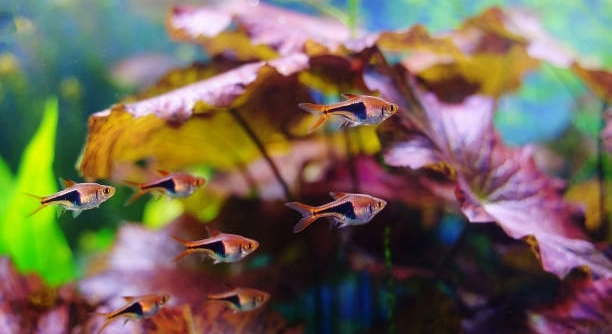
Keeping a Rasbora tank natural helps create a healthy environment for these small, active fish. A natural tank enhances their behavior and overall well-being. Many hobbyists aim to replicate the Rasbora’s native habitat as closely as possible.
Creating a natural Rasbora tank involves using live plants, appropriate substrate, and hiding spots like driftwood or rocks. Maintaining water parameters similar to their natural environment supports their health and promotes natural behavior patterns. Proper lighting and gentle filtration also contribute significantly.
Improving your tank’s natural feel can make a big difference in your fish’s life. The following tips will help you create a more authentic and comfortable home for your Rasboras.
Choosing the Right Plants
Selecting the proper plants for a Rasbora tank is essential to mimic their natural environment. Plants like Java moss, Anubias, and Cryptocoryne provide shelter and hiding places. They also help maintain water quality by absorbing nitrates and producing oxygen. Floating plants can reduce bright light intensity, creating a calm atmosphere. Avoid plants that require very hard water, as Rasboras prefer softer conditions. A mix of tall and short plants encourages natural swimming behavior and offers protection. Keeping live plants also supports beneficial bacteria growth, which is important for the tank’s ecosystem. Regular trimming and maintenance keep plants healthy and prevent overcrowding. The right plants make the tank visually appealing and support the well-being of Rasboras. It’s important to research plant requirements to ensure they thrive in your tank’s conditions. This combination of plants helps balance the tank and creates a stable, natural habitat.
Proper plant care includes monitoring growth and trimming dead leaves regularly. Healthy plants improve water quality and fish health.
Plant variety and placement are key. Place taller plants in the back and shorter ones in the front. Floating plants soften lighting and provide shade. This setup gives Rasboras places to explore and feel secure. A well-planted tank simulates their natural streams, enhancing their comfort and reducing stress. Regular plant care also prevents decay, which can harm water quality. Using natural plants supports a balanced ecosystem for your fish. This natural design encourages your Rasboras to exhibit more active and natural behaviors, making the tank both beautiful and functional.
Substrate and Decoration Choices
A natural substrate is important for Rasbora tanks. Use fine gravel or sand to replicate riverbeds. Smooth stones and driftwood add structure without sharp edges. These decorations create hiding spots and resting places. Avoid artificial decorations that can leach chemicals or look unnatural. Natural materials help beneficial bacteria colonize, supporting tank health. Driftwood also releases tannins, which can slightly acidify water—beneficial for many Rasbora species. Choose decorations that do not overcrowd the tank but offer complexity. This balance encourages natural exploration and reduces stress. Position rocks and wood to form small caves or shaded areas. The substrate should be easy to clean but also support plant roots. A well-chosen substrate and natural decor contribute to a peaceful, authentic environment.
Natural materials like driftwood and smooth stones promote a stable and healthy tank environment.
Decorate with purpose. Avoid overcrowding while providing shelter and hiding spots. The right arrangement encourages natural fish behavior, reduces stress, and enhances tank aesthetics. Driftwood’s tannins improve water chemistry, mimicking the fish’s native waters. Smooth stones create gentle terrain, supporting plant growth and fish movement. Choose materials that are safe and free of sharp edges. Maintaining a clean substrate prevents buildup of waste, keeping water clear and healthy. This careful selection and placement of substrate and decor create a more comfortable home for your Rasboras, encouraging them to thrive naturally.
Lighting and Water Flow
Proper lighting creates a natural day-night cycle for Rasboras. Moderate, diffused light is best to avoid stressing the fish and plants. Too bright light can cause algae growth and make fish shy. Using a timer ensures consistent lighting periods.
Balanced lighting supports plant photosynthesis and fish activity. Using floating plants or shaded areas softens light intensity. Rasboras come from shaded streams, so mimicking this with gentle light helps them feel secure. Avoid direct sunlight to prevent temperature spikes and algae blooms. Adjustable LED lights can be set to provide natural color tones, enhancing the tank’s appearance while benefiting its inhabitants.
Water flow should be gentle and steady. Strong currents can stress Rasboras, as they prefer calm waters. A sponge filter or adjustable powerhead can help maintain appropriate flow. Positioning equipment to reduce turbulence near swimming areas supports natural behavior. Regular water changes keep conditions stable. Together, proper lighting and water flow create a healthy, natural environment for Rasboras to thrive.
Maintaining Water Quality
Consistent water quality is crucial for Rasbora health. Regular testing for pH, ammonia, nitrites, and nitrates keeps the tank safe. Rasboras prefer slightly acidic to neutral pH and soft water. Monitoring temperature and keeping it stable supports their well-being. Frequent water changes help remove waste and toxins, maintaining balance.
Keeping the tank clean prevents disease and stress. Avoid overfeeding, which increases waste and harms water quality. Using live plants aids in nutrient absorption and oxygenation. Filtration should be efficient but gentle. Maintaining water quality means observing the fish regularly for signs of stress or illness. Stable, clean water supports their natural behaviors and vibrant colors.
Water parameters should be adjusted gradually to avoid shocking the fish. Introducing new water slowly during changes helps maintain balance. Proper care of filters and substrates prevents harmful buildup. Testing kits provide valuable information to keep the environment safe. With attention to water quality, Rasboras remain healthy and active. This care ensures a more natural and stable tank environment.
Feeding Habits
Feeding Rasboras a varied diet supports their natural health. They enjoy small live or frozen foods like daphnia, brine shrimp, and bloodworms. Supplementing with high-quality flakes or pellets provides balanced nutrition.
Avoid overfeeding to prevent water quality issues. Feeding small amounts twice daily keeps Rasboras healthy and active, promoting natural foraging behavior.
Tank Mates
Choosing compatible tank mates is important to maintain a peaceful environment. Rasboras do well with other small, calm fish such as tetras, danios, or small catfish. Avoid aggressive or larger fish that may stress them.
Tank mates should share similar water requirements and temperament. A well-chosen community tank enhances the natural feel and keeps stress levels low, supporting Rasbora well-being.
Regular Maintenance
Consistent tank maintenance preserves the natural environment. Weekly water changes of 20-30% keep conditions stable. Cleaning the substrate and removing debris prevents buildup of harmful substances.
Regular monitoring and upkeep protect fish health and maintain a balanced ecosystem within the tank.
Temperature Control
Rasboras thrive in stable temperatures between 72°F and 78°F. Using a reliable heater with a thermostat ensures consistent warmth.
Sudden temperature changes can stress fish and reduce their immune response, so careful control is essential for a natural, healthy habitat.
FAQ
How often should I change the water in a Rasbora tank?
Water changes should be done weekly, replacing about 20-30% of the tank water. This helps keep the environment clean and stable without shocking the fish. Smaller, more frequent changes are better than large, infrequent ones to maintain water quality.
What is the ideal pH level for Rasboras?
Rasboras prefer a slightly acidic to neutral pH, usually between 6.0 and 7.0. Keeping pH stable within this range supports their health and natural behavior. Sudden changes in pH can cause stress, so avoid drastic shifts by monitoring regularly.
Can Rasboras live with other fish?
Yes, Rasboras are peaceful and do well with other small, non-aggressive fish. Ideal tank mates include small tetras, danios, and Corydoras catfish. Avoid larger or aggressive species, which can stress or harm Rasboras.
What do Rasboras eat in the wild?
In the wild, Rasboras eat small insects, larvae, and plankton. To mimic this, feed them a diet of live or frozen foods like daphnia, brine shrimp, and bloodworms, supplemented by quality flakes or pellets.
How many Rasboras should be kept together?
Rasboras are schooling fish and should be kept in groups of at least six. Larger groups reduce stress and encourage natural schooling behavior, which makes them more active and comfortable in the tank.
Is a heater necessary for a Rasbora tank?
Yes, maintaining stable temperatures between 72°F and 78°F is important. A reliable heater with a thermostat ensures consistent warmth, preventing stress from temperature fluctuations.
How can I reduce algae growth in my tank?
Control algae by managing lighting duration, avoiding overfeeding, and maintaining good water quality through regular changes. Live plants also compete with algae for nutrients, naturally reducing its growth.
What kind of filtration is best for Rasboras?
Gentle filtration is ideal, such as sponge filters or adjustable powerheads. Rasboras prefer calm water with minimal currents, so choose equipment that provides good water quality without strong flow.
Can I keep live plants with Rasboras?
Live plants are highly recommended. They provide shelter, improve water quality, and replicate the natural habitat. Choose plants that thrive in soft, slightly acidic water, such as Java moss and Anubias.
How do I know if my Rasboras are stressed?
Signs of stress include hiding more than usual, loss of color, erratic swimming, or loss of appetite. Poor water conditions or aggressive tank mates often cause stress. Address these issues promptly to improve their well-being.
What is the best substrate for a Rasbora tank?
Fine gravel or sand works best, replicating their natural riverbed environment. Avoid sharp or coarse substrates that can injure fish or damage plants. A natural substrate supports beneficial bacteria growth as well.
How often should I feed my Rasboras?
Feed small amounts twice a day. Overfeeding can pollute the water, so only offer what the fish can eat within a few minutes. This keeps the tank clean and the fish healthy.
Are Rasboras sensitive to water changes?
They can be if changes are too sudden. Always add new water slowly and match the temperature and parameters as closely as possible to avoid shocking the fish.
Can Rasboras breed in a home aquarium?
Yes, Rasboras can breed if conditions are right. Provide plenty of plants and slightly softer, acidic water. Remove adults after spawning to protect the eggs and fry.
How long do Rasboras typically live?
With proper care, Rasboras can live 4 to 6 years. Maintaining stable water quality, good diet, and a stress-free environment helps maximize their lifespan.
What are common health issues for Rasboras?
Common problems include fin rot, ich, and stress-related illnesses. These often result from poor water quality or aggressive tank mates. Early detection and proper care usually prevent serious issues.
Is it necessary to quarantine new fish before adding them to the tank?
Yes, quarantining new fish for two weeks helps prevent disease introduction. It allows observation for signs of illness and reduces stress on the established tank community.
How important is tank size for Rasboras?
A minimum of 10 gallons is recommended for a small group. More space allows natural schooling and reduces stress. Overcrowding can lead to poor water quality and aggression.
What water temperature range should be avoided?
Temperatures below 68°F or above 80°F can stress Rasboras and increase susceptibility to disease. Keeping the temperature stable within the recommended range supports their health.
Can Rasboras tolerate hard water?
They prefer soft to moderately hard water. Hard water can affect their coloration and health over time. Testing and adjusting water hardness helps maintain optimal conditions.
This FAQ covers common concerns and practical advice to support a natural and healthy environment for Rasbora tanks. Following these guidelines will help your fish thrive comfortably.
Creating a natural environment for Rasbora tanks takes attention to detail and consistent care. Every element, from plants to substrate, lighting, and water quality, plays a role in supporting the health and happiness of the fish. By choosing the right combination of live plants, smooth decorations, and gentle water flow, you can closely replicate the conditions found in their native habitat. This helps Rasboras feel secure and behave naturally, which improves their overall well-being. A natural tank also tends to be more stable, reducing the chances of stress-related illnesses and promoting longer, healthier lives for your fish.
Maintaining stable water parameters is just as important as the physical setup. Regular water changes, proper filtration, and consistent temperature control create a safe and comfortable environment. Feeding Rasboras a varied diet that includes live or frozen foods supports their nutritional needs and encourages natural foraging behavior. It is important to avoid overfeeding, which can negatively impact water quality. Tank mates should be chosen carefully to avoid aggression and stress, ensuring the Rasboras can thrive in a calm, peaceful community. When all these factors come together, the tank becomes a balanced ecosystem that benefits both the fish and the plants.
Taking time to observe your Rasboras and their environment helps you notice small changes that might indicate stress or water quality issues. Regular maintenance, including cleaning the substrate and trimming plants, keeps the tank healthy and visually appealing. A natural Rasbora tank is not just about appearance; it supports the fish’s health and natural behavior, making the experience more rewarding. With patience and care, it is possible to create a beautiful, natural home that encourages Rasboras to flourish and brings enjoyment to the aquarium keeper.

Hello,
If you enjoy the content that we create, please consider saying a "Thank You!" by leaving a tip.
Every little bit helps us continue crafting quality advice that supports the health, happiness, and well-being of pets around the world, for pets of all shapes, sizes, and species.
We really appreciate the kindness and support that you show us!