
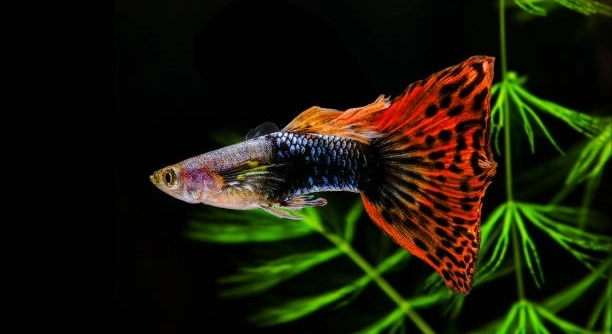
Maintaining a healthy environment for your guppies can sometimes be tricky. Stress is common among fish, but there are simple solutions to keep their tank calm and thriving. Ensuring their well-being is essential for a happy aquarium.
To create a stress-free guppy tank, focus on water quality, temperature control, proper tankmates, and providing hiding spots. Reducing sudden changes in their environment and keeping stressors minimal will help your guppies stay relaxed and healthy.
By following these key steps, you can create a peaceful space for your guppies.
Water Quality: The Foundation of a Healthy Tank
Keeping your guppies stress-free starts with ensuring excellent water quality. Regular water changes, proper filtration, and monitoring pH levels are key components. Clean, well-maintained water prevents toxins from building up, which can cause harm to your guppies. If the water quality is poor, your guppies will feel stressed, and diseases can easily spread. It’s essential to test water parameters regularly and adjust as needed. Ammonia, nitrites, and nitrates should always be at safe levels. Even slight imbalances can have significant impacts on the health of your fish.
Testing the water regularly can help maintain optimal conditions. Invest in a reliable water testing kit to measure pH, hardness, and ammonia levels. This will guide you in keeping the water stable and safe.
Proper filtration helps maintain clean water by removing waste. Choose a filter that matches your tank size and water requirements, ensuring it is not too strong, which can stress your guppies.
Temperature Control: Keeping the Tank Comfortable
Maintaining a stable temperature range is critical. Guppies thrive in water temperatures between 72°F and 78°F. Sudden fluctuations can cause stress and make them more susceptible to illnesses. Consider using a heater with a thermostat to regulate the water temperature. A thermometer will help you keep track, ensuring that the tank stays within the ideal range.
Guppies are sensitive to both hot and cold temperatures. Avoid placing the tank in direct sunlight or near air conditioners, as these can create temperature swings. Keep the environment stable for your fish to prevent stress.
Tankmates: Choosing the Right Companions
Guppies are peaceful fish, so it’s important to choose compatible tankmates. Avoid aggressive or larger species that could harass or eat your guppies. Some species like tetras, mollies, and small catfish make great companions. Proper tankmate selection helps reduce stress and promotes harmony in the aquarium.
Before adding new fish, ensure their needs align with your guppies. Consider factors like temperature range, water parameters, and size. Keeping peaceful, smaller species ensures that your guppies can move freely and feel secure in their environment. Aggressive tankmates can lead to stress and potential injuries.
Monitor their behavior for any signs of aggression. If any tankmates seem to stress your guppies, be ready to separate them. It’s important to create a peaceful community where all fish can coexist without constant tension.
Hiding Spots: Providing Safe Spaces
Guppies need places to hide when they feel stressed. Adding plants, rocks, or decorations to the tank gives them space to retreat and feel secure. These spots not only reduce stress but also mimic their natural habitat, where they can find shelter from potential threats.
Create a variety of hiding spots at different levels of the tank. Use live plants, caves, or PVC pipes to give them options. This allows guppies to choose a spot based on their comfort level. Guppies are naturally curious, and having these spaces encourages exploration without overwhelming them.
Too much open space can make them feel exposed. While guppies love to swim freely, a few well-placed hiding spots can go a long way in making them feel safe and secure, ultimately reducing stress levels.
Lighting: Maintaining a Balanced Cycle
Guppies need a consistent light cycle to feel secure. Too much light can stress them out, while too little can cause confusion. Keep the light on for 10-12 hours a day, mimicking natural day and night cycles. Avoid sudden changes in light intensity, as this can disrupt their behavior.
A timer for the lights can help maintain a consistent schedule. Avoid placing the tank in direct sunlight, as it can cause temperature fluctuations and encourage algae growth. A gentle, adjustable light can provide the right balance, offering your guppies a calm and steady environment.
Overcrowding: Giving Enough Space
Guppies are small, but they need enough space to thrive. Overcrowding can lead to increased stress, water contamination, and aggression. Ensure your tank has at least 1 gallon of water per guppy to avoid congestion.
With too many fish in a small tank, guppies will feel cramped, and the water quality will deteriorate quickly. Maintaining proper tank size for the number of fish is crucial to their well-being. This also helps reduce fighting and promotes a healthier environment for all species in the tank.
FAQ
How often should I change the water in my guppy tank?
Water changes are crucial for maintaining a healthy environment. Aim to change 25-30% of the water every 1-2 weeks. This will help remove excess waste and toxins. In tanks with higher fish populations or without a strong filtration system, you may need to change the water more frequently. Regular changes keep water parameters stable and reduce the risk of stress and disease. Ensure the new water is dechlorinated and at the same temperature as the tank to prevent shock.
Can guppies live with other species of fish?
Yes, guppies can live with other peaceful species. However, it’s important to avoid aggressive or territorial fish that could harass them. Fish like mollies, tetras, and small catfish are good tankmates. Always research the temperament and environmental needs of potential tankmates before introducing them. Some fish, like bettas or larger cichlids, may pose a threat to guppies. Make sure that all fish are compatible in terms of size, behavior, and water parameters. Having a well-planned community tank reduces the chance of stress and fighting.
What should I feed my guppies to keep them healthy?
Guppies are omnivores and require a balanced diet for optimal health. Feed them a mix of high-quality flakes or pellets designed for tropical fish. Supplement their diet with occasional live or frozen foods like brine shrimp or daphnia, which provide additional nutrients. Vegetables like blanched spinach or zucchini can also be added to their diet. Be sure to avoid overfeeding, as excess food can pollute the water. Only provide as much food as they can consume in 2-3 minutes to prevent waste buildup. A varied diet ensures they receive all the essential nutrients they need to thrive.
How can I tell if my guppy is stressed?
Signs of stress in guppies include erratic swimming, hiding more than usual, or staying near the water surface. They may also exhibit rapid gill movements or show a lack of appetite. If the guppies are constantly darting around or bumping into tank decor, they might be stressed from water quality issues, tankmates, or environmental changes. If you notice any of these behaviors, check the water parameters and ensure they are within the ideal range. Also, examine their tankmates and environment to rule out any potential stressors. In severe cases, stress can lead to illness, so it’s important to address the issue promptly.
How do I maintain the right temperature for my guppies?
Guppies prefer water temperatures between 72°F and 78°F. Fluctuations outside of this range can cause stress and make them more susceptible to disease. Use an aquarium heater with a built-in thermostat to regulate the water temperature. This ensures a stable environment, especially in rooms with changing temperatures. Always monitor the temperature with a reliable thermometer to ensure it stays within the preferred range. Avoid placing the tank in areas where sunlight or air conditioning can cause sudden changes in temperature. Maintaining a consistent temperature helps keep your guppies stress-free and healthy.
Can I keep guppy fry in the same tank as adult guppies?
While adult guppies typically do not harm their fry, there’s a risk of them eating them if they get the chance. It’s best to provide a breeding box or separate tank for the fry to keep them safe. You can also add plenty of plants or decorations in the main tank to give them hiding spots. Guppy fry are small and vulnerable, and without a safe space, they may not survive long in the presence of adult fish. If you don’t want to separate them, ensure the fry have enough cover to grow in peace.
What size tank do guppies need?
A 10-gallon tank is ideal for a small group of guppies. This provides enough space for them to swim freely and for the water to remain stable. While it’s possible to house a few guppies in smaller tanks, larger volumes of water allow for better filtration and more stable water parameters. Overcrowding in a small tank can lead to stress, water quality issues, and disease. The general rule is one inch of fish per gallon of water. For example, if you have 4-5 guppies, a 10-gallon tank will be sufficient.
Why is my guppy’s color fading?
A guppy’s color can fade due to stress, poor water quality, or inadequate nutrition. Stress can arise from factors like overcrowding, aggressive tankmates, or fluctuations in water parameters. To prevent color loss, ensure that your guppy has a stable, peaceful environment. Make sure they are eating a varied, nutrient-rich diet and that the water is clean and at the right temperature. In some cases, age can also affect the vibrancy of a guppy’s colors. If the fading continues, examine their environment and tank conditions to ensure they are optimal.
How can I prevent algae growth in my guppy tank?
Algae thrive in tanks with excess light and nutrients. To control algae, limit the amount of light your tank receives, ideally 10-12 hours a day. Use a timer for the lights to maintain a consistent schedule. Also, avoid overfeeding, as uneaten food can contribute to algae growth. Regular water changes help remove excess nutrients that algae feed on. Additionally, you can add algae-eating fish or invertebrates, such as snails or shrimp, to help control algae. Keep the tank clean by regularly wiping down the glass and removing any visible algae buildup.
How do I know if my guppy is pregnant?
Female guppies are known for being livebearers, and signs of pregnancy typically appear in the later stages. Look for a dark spot near the rear of the fish, known as the gravid spot. As pregnancy progresses, the abdomen will become noticeably larger and rounder. Pregnant guppies often become more reclusive and may spend more time near the bottom of the tank. Once the fry are close to being born, the female will look significantly larger. If you notice these signs, prepare a separate breeding tank or space in the main tank to protect the fry once they are born.
What should I do if my guppy gets sick?
If your guppy shows signs of illness, such as discoloration, lesions, or strange swimming behavior, it’s important to isolate the fish and examine the tank conditions. Make sure the water quality is optimal, as poor conditions often lead to disease. You may need to use aquarium medication to treat common ailments like ich or fin rot. It’s crucial to identify the specific illness so you can treat it effectively. If necessary, consult with a veterinarian experienced in fish care. Early intervention is key to helping your guppy recover.
Final Thoughts
Creating a stress-free environment for your guppies is essential for their health and well-being. By maintaining the right water parameters, offering a balanced diet, and ensuring proper tank conditions, you can help your fish thrive. Regular maintenance and observation are key to catching any potential issues early. Small adjustments, such as providing adequate hiding spots and controlling light exposure, can go a long way in reducing stress for your guppies. A peaceful environment allows them to exhibit natural behaviors and remain active and healthy.
Understanding the needs of your guppies will also prevent common problems such as overcrowding, poor water quality, and aggression. Taking time to choose the right tankmates, as well as maintaining the proper space and water flow, is important. By avoiding sudden changes in their environment, you can ensure that your guppies feel safe and comfortable. Having a routine for water changes, cleaning, and feeding can keep things running smoothly. This proactive approach will lead to a healthier tank, better water quality, and happier fish.
Ultimately, caring for guppies involves paying attention to the details that contribute to their well-being. While guppies are relatively low-maintenance, they still require a stable and balanced environment. Regular checks on their health, water conditions, and tank setup will help maintain a stress-free habitat for your guppies. With the right care and environment, your guppies will not only survive but also flourish, displaying vibrant colors and active behavior. By following the simple steps outlined in this guide, you can ensure your guppies remain healthy and stress-free for years to come.

Hello,
If you enjoy the content that we create, please consider saying a "Thank You!" by leaving a tip.
Every little bit helps us continue crafting quality advice that supports the health, happiness, and well-being of pets around the world, for pets of all shapes, sizes, and species.
We really appreciate the kindness and support that you show us!