
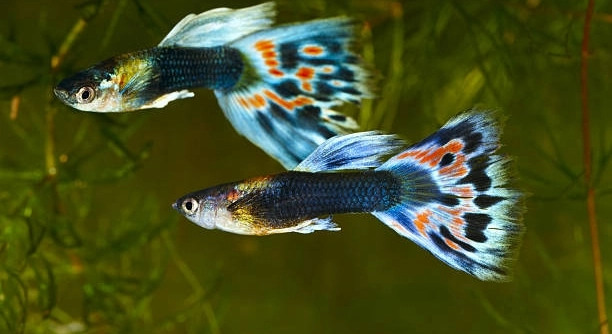
Creating a safe environment for your guppies is essential for their well-being. A properly maintained tank ensures that your fish thrive and remain healthy. This article will explore simple ways to make your guppy tank safer.
Ensuring the safety of your guppy tank requires a combination of factors, such as maintaining water quality, securing tank equipment, and providing suitable tank mates. Regular cleaning and monitoring help avoid stress and health issues for your guppies.
With these tips, you’ll be able to create a more secure space for your guppies. Following these steps will also help maintain their happiness and prevent any issues in the long run.
Maintain Proper Water Quality
The most important factor in ensuring your guppies’ safety is maintaining clean, stable water conditions. Water temperature, pH levels, ammonia, nitrites, and nitrates must all be closely monitored. Guppies are sensitive to changes, and even slight imbalances can cause stress or illness. Invest in a reliable water testing kit to regularly check these levels, and perform partial water changes at least once a week. By keeping the water pristine, you help prevent a buildup of harmful toxins that can affect your fish’s health. Filtration is also key. A good filter helps keep the water clean by removing debris and maintaining proper circulation. Be sure to choose a filter appropriate for the size of your tank, as too strong a current may stress your guppies.
Monitoring your water’s quality consistently will keep your guppies safe and prevent potential issues. Test regularly and clean your tank often.
Proper water care is a critical step that can make a huge difference in your guppies’ health. Regular maintenance keeps them in a comfortable environment, reducing stress and preventing disease. It’s a simple yet effective way to ensure their well-being.
Provide Proper Tank Size
A crowded tank can lead to poor water quality and increased stress levels. Guppies need space to swim and thrive. A tank that’s too small will quickly become overrun with waste, affecting water quality. Generally, it’s recommended to have at least 1 gallon of water per guppy. For a small group of guppies, a 10-gallon tank is a good starting point. If you plan to have more fish, you will need a larger tank to avoid overcrowding. Ensure there is enough room for your guppies to move freely, which will help prevent territorial disputes and stress.
By giving your guppies a spacious environment, you promote a healthier and calmer setting for them to thrive in. A larger tank also allows you to maintain water quality more easily.
A bigger tank means less stress for your guppies. It also provides more opportunities to add plants, decorations, and hiding spots, all of which contribute to a safer and more stimulating environment. The right tank size is crucial for their overall safety and happiness.
Use Proper Filtration
A good filter helps keep your tank clean by removing waste and debris. It also helps maintain stable water conditions, making your guppies feel more comfortable. Without proper filtration, harmful toxins like ammonia and nitrates can build up, which can be fatal for your fish.
When choosing a filter, consider the size of your tank. The filter should be able to handle the water volume and provide enough flow to keep the water circulating. A gentle current is ideal for guppies since they prefer calmer waters. Regularly clean or replace the filter media to keep it working efficiently.
A filter ensures that your guppies’ environment remains stable and clean. This is key to preventing diseases and keeping the water oxygenated. Without it, your tank can quickly become unsafe for your fish. Check your filter often to make sure it’s working properly and to avoid clogging.
Avoid Harmful Tank Mates
Tank mates can have a big impact on your guppies’ safety. Some species are too aggressive or territorial, which can lead to stress or injury. It’s best to choose peaceful fish that won’t pick on your guppies.
Before introducing new fish, research their temperament and compatibility with guppies. Fish like bettas or some cichlids can be very aggressive toward guppies. Even other guppies can sometimes fight over territory if there’s not enough space. Make sure there are plenty of hiding spots and plants to create a peaceful environment for everyone.
Choosing peaceful, non-aggressive species and ensuring adequate tank space will help keep your guppies safe. By avoiding aggressive tank mates, you reduce the risk of stress and injuries, allowing your guppies to live happily and healthily.
Keep Tank Decorations Safe
Tank decorations can be great for adding hiding spots and making the tank more interesting. However, sharp edges or small parts can hurt your guppies. Always choose decorations made from smooth, non-toxic materials.
Before adding new decorations, check for any rough spots that could injure your fish. Avoid anything with small pieces that could be swallowed. It’s also important to secure decorations so they don’t shift and potentially trap your guppies. Properly placed decorations help create a safe and comfortable environment for your fish.
Regular Tank Cleaning
Keeping your tank clean is crucial for your guppies’ health. Regular cleaning prevents waste buildup, which can affect water quality. Clean the tank at least once a week, including removing debris and vacuuming the substrate.
Also, wipe down the glass and check for any algae growth. Make sure to replace about 20-30% of the water weekly. This helps to maintain good water conditions and ensures your guppies live in a healthy environment. Regular maintenance will reduce the chances of harmful bacteria or parasites that could affect your fish.
Monitor Temperature
Maintaining the right water temperature is essential for guppies. These fish thrive in temperatures between 72-82°F (22-28°C). Sudden temperature changes can cause stress, leading to health problems or even death.
Invest in a reliable aquarium heater and thermometer to keep the water stable. Regularly check the temperature to ensure it stays within the safe range for your guppies. Keeping the water temperature consistent helps reduce stress and supports their immune system.
FAQ
How often should I clean my guppy tank?
It’s important to clean your guppy tank once a week. Regular maintenance helps keep the water quality high and prevents harmful bacteria or parasites from building up. During cleaning, remove any visible debris, vacuum the substrate, and clean the glass to prevent algae growth. Be sure to replace 20-30% of the water during each cleaning session to maintain a healthy environment. If you notice a lot of waste or uneaten food in the tank, it may be necessary to clean it more often.
Can guppies live with other fish?
Yes, guppies are generally peaceful and can live with many other fish. However, avoid aggressive species that may stress or harm your guppies. Betta fish, cichlids, and large predatory species should be kept out of your guppy tank. Instead, try peaceful fish like tetras, mollies, or other small, non-aggressive species. It’s also important to ensure there is enough space for everyone and that you have hiding spots to prevent territorial issues.
What is the ideal water temperature for guppies?
Guppies prefer water temperatures between 72°F and 82°F (22°C – 28°C). Keeping the temperature within this range promotes better health and ensures they stay active and comfortable. Sudden temperature fluctuations can cause stress, which can lead to illness or death. Use an aquarium heater with a thermometer to maintain a consistent temperature. Always check the temperature regularly to make sure it stays in the safe range.
What type of filter is best for a guppy tank?
A good filter is essential for maintaining a clean and healthy environment for your guppies. A sponge filter or a gentle hang-on-back filter works well for guppies, as they prefer calmer waters. The filter should be able to process the entire volume of the tank’s water at least three times per hour. This ensures good water circulation and helps remove debris and toxins. Make sure to clean or replace the filter media regularly to keep it working effectively.
How can I tell if my guppies are stressed?
Stress in guppies can be caused by various factors, including poor water quality, aggressive tank mates, or sudden environmental changes. Signs of stress include faded colors, erratic swimming, and hiding in corners. If your guppies are constantly hiding, it may indicate they feel threatened or unsafe. Look for other signs like loss of appetite or unusual behavior. To reduce stress, ensure the water quality is optimal, provide hiding spots, and avoid overcrowding the tank.
Why are my guppies fighting?
Guppies are social fish, but they can sometimes become territorial, especially if the tank is too small or if there are too many males. Males may compete for females, which can lead to aggressive behavior. To reduce fighting, make sure your tank is large enough, with plenty of space and hiding places. You can also balance the male-to-female ratio, ensuring there are more females than males to reduce male aggression. If the fighting persists, consider separating the more aggressive fish.
Do guppies need a lot of space?
Guppies are small fish but still require enough space to swim freely. The general rule is to provide at least 1 gallon of water per guppy. For a small group of guppies, a 10-gallon tank is ideal. Larger tanks are even better because they offer more room for fish to swim and reduce the risk of overcrowding. A tank that’s too small can lead to poor water quality and increased stress for your guppies, so it’s important to provide enough space for them to thrive.
How do I keep my guppy tank clean without harming the fish?
To keep your guppy tank clean without stressing your fish, avoid using harsh chemicals or over-cleaning. Instead, do partial water changes of 20-30% every week to remove waste and toxins. Use a siphon to clean the substrate and remove debris. Be gentle when cleaning the glass or decorations to avoid disturbing the fish too much. Regularly clean the filter, but never clean it all at once—this can remove beneficial bacteria. Keeping a consistent cleaning schedule will ensure the tank stays safe and clean for your guppies.
What should I feed my guppies?
Guppies are omnivores and will eat a variety of foods. Provide a balanced diet of high-quality flakes, pellets, and live or frozen foods like brine shrimp or daphnia. Offer a variety of foods to ensure they get all the nutrients they need. Feed them small amounts 2-3 times a day, and remove any uneaten food to prevent it from polluting the tank. Avoid overfeeding, as excess food can lead to water quality issues and health problems for your guppies.
Can guppies live in a tank without a heater?
While guppies can survive without a heater, it’s not recommended. These fish thrive in warm water and a consistent temperature. Without a heater, the water temperature can fluctuate, which can stress your guppies and affect their health. If you live in a warmer climate, you may be able to get by without a heater, but a heater ensures that the water stays within the ideal range of 72-82°F (22-28°C). It’s especially important if the room temperature fluctuates or drops.
Are live plants necessary for a guppy tank?
While not absolutely necessary, live plants can benefit your guppy tank in several ways. They provide hiding spots, create a more natural environment, and help improve water quality by absorbing nitrates. Plants also offer a surface for beneficial bacteria to grow, which helps keep the tank healthy. Fast-growing plants, such as java moss or hornwort, are great choices for a guppy tank. If you prefer a low-maintenance option, plastic plants can also be used, but they won’t offer the same benefits as live plants.
How do I prevent diseases in my guppy tank?
Preventing diseases in your guppy tank starts with maintaining good water quality. Regular water changes, proper filtration, and routine tank cleaning help keep harmful bacteria and parasites in check. Quarantine new fish before adding them to your tank to prevent introducing diseases. Also, avoid overcrowding, as this can lead to stress and weakened immune systems. Feed your guppies a varied diet and keep the tank clean to ensure they stay healthy and strong. Monitoring their behavior and appearance regularly can help catch any issues early.
Final Thoughts
Keeping your guppy tank safe is essential for the well-being of your fish. By paying attention to the water quality, tank size, and filtration, you can provide a healthy environment where your guppies will thrive. These small adjustments, like maintaining a stable temperature and using safe tank decorations, will make a big difference in the long run. It’s also important to avoid overcrowding, as it leads to stress, poor water conditions, and can harm your fish. Regular cleaning, proper filtration, and keeping an eye on potential stress factors will help ensure that your guppies remain happy and healthy.
While creating a safe tank environment for your guppies may seem like a lot of work at first, the effort pays off by creating a peaceful space for them to live. Guppies are quite resilient, but they need a proper setting to avoid common health issues. Regular monitoring and maintenance can prevent many problems before they arise. Make sure to choose compatible tank mates, as the wrong companions can create stress or even harm your guppies. By offering plenty of hiding spots and giving them the space they need, your guppies will feel secure and more likely to breed and live healthy lives.
In the end, the key to keeping your guppy tank safe is consistency. A few minutes of maintenance each week can go a long way in maintaining the health of your guppies. Whether it’s checking the water temperature, doing a partial water change, or cleaning the filter, these small tasks add up. Your guppies will thank you with their vibrant colors and active behavior. By following the tips in this guide, you can enjoy watching your guppies thrive in a safe, clean, and healthy environment.

Hello,
If you enjoy the content that we create, please consider saying a "Thank You!" by leaving a tip.
Every little bit helps us continue crafting quality advice that supports the health, happiness, and well-being of pets around the world, for pets of all shapes, sizes, and species.
We really appreciate the kindness and support that you show us!