
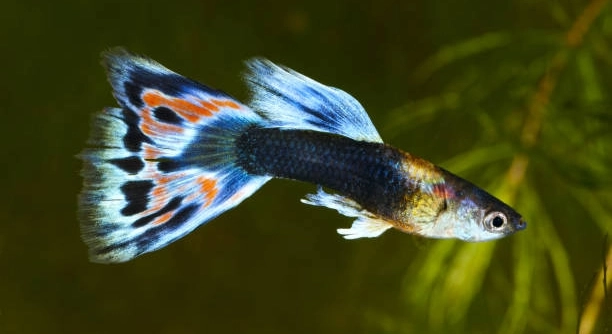
Creating a comfortable environment for your guppies is essential for their well-being. Small adjustments to their tank setup can improve their comfort, leading to healthier and happier fish. These changes are simple and effective.
To enhance your guppy tank, maintain water quality, control temperature, provide proper filtration, add plants and hiding spots, use appropriate tank mates, feed them correctly, and ensure lighting is suitable. These actions promote overall comfort and reduce stress.
By making these small changes, you can ensure your guppies thrive in their tank. Keep reading to learn how to improve their environment.
Maintain Water Quality
Water quality is the most important factor for your guppies’ comfort. Without clean water, your fish can become stressed, leading to health problems. Regular water changes are necessary to remove waste and keep the tank clean. Test the water frequently for ammonia, nitrate, and nitrite levels. Using a good filter will help maintain stable conditions. It’s also essential to monitor the pH level, as guppies thrive in neutral to slightly alkaline water. Additionally, ensure the water temperature remains consistent, as fluctuating temperatures can cause stress. By keeping your water clean and balanced, you provide the best environment for your guppies.
A stable filtration system is also key. It not only removes waste but ensures water flow remains optimal for your fish.
To help your guppies feel more at ease, avoid overfeeding, as excess food leads to water contamination. Adding live plants can improve water quality by absorbing waste and oxygenating the tank. This balance will make a noticeable difference in your fish’s behavior and health.
Control Tank Temperature
Guppies prefer a water temperature between 72-78°F (22-26°C). Maintaining this temperature range ensures they remain active and healthy. Fluctuations outside this range can cause stress, which weakens their immune systems. Consider using a reliable heater to keep the water at a consistent temperature. When the temperature is stable, your guppies are more likely to thrive.
In colder climates, make sure to keep the tank away from drafts or windows. This prevents sudden drops in temperature that could affect the fish.
You should also monitor the heater regularly to ensure it is working properly. If the tank becomes too warm, it can lead to oxygen depletion, which is just as harmful as cooler temperatures. Keep the temperature steady to avoid stressing your guppies.
Provide Proper Filtration
A good filtration system is essential for keeping your tank clean and the water healthy. It removes waste, uneaten food, and debris, preventing harmful toxins from building up. Choose a filter that is suitable for the size of your tank and the needs of your guppies.
An overpowered filter can create too much water movement, which can stress your guppies. Ensure the filter’s flow rate is appropriate for the tank size. A sponge filter is a good choice for smaller tanks as it creates gentle water movement while still offering proper filtration.
Additionally, clean the filter regularly to ensure it continues functioning efficiently. Replace filter media when necessary, but avoid cleaning everything at once, as it may disrupt the biological balance of your tank. Proper filtration creates a stable, comfortable environment for your guppies, reducing the chances of illness and stress.
Add Plants and Hiding Spots
Plants and hiding spots are crucial for making your guppies feel secure and comfortable. Live plants not only beautify the tank but also provide oxygen and help absorb toxins. They also give guppies places to hide, which can reduce stress, especially for shy fish.
When choosing plants, make sure they are non-toxic and easy to care for. Fast-growing plants like Java Moss or Hornwort are excellent options, as they also help maintain water quality by absorbing excess nutrients.
Adding rocks or decorations to the tank can further enhance the environment. Guppies like to explore and will appreciate having hiding places to retreat to when they feel threatened. This gives them a sense of security, which is essential for their well-being.
Use Appropriate Tank Mates
Choosing the right tank mates for your guppies is crucial. Avoid aggressive or territorial species that may stress or harm them. Peaceful fish like neon tetras or Corydoras catfish are ideal companions for guppies.
Consider the size of your tank when adding new fish. Overcrowding can increase stress levels, affecting the health of all your fish. Ensure there is enough space for everyone to swim freely. Tank mates that share similar water temperature and pH preferences will keep the environment balanced and reduce stress for all species involved.
Feed Them Properly
Guppies thrive on a balanced diet that includes high-quality flake food, frozen or live foods like brine shrimp, and occasional vegetable matter. Feeding them properly ensures they have the nutrients they need to stay active and healthy.
Overfeeding can pollute the water and cause digestive issues. Offer small portions several times a day, and remove any uneaten food after a few minutes. This keeps the water cleaner and ensures the fish are getting the right amount of food for their size and activity level.
Ensure Suitable Lighting
Proper lighting is important for your guppies’ comfort. They need a regular light cycle, about 10-12 hours of light per day, to mimic natural conditions. Too much light can cause algae growth and stress, while too little light can lead to lethargy.
Choose aquarium lights that provide even, soft illumination. LED lights work well, as they are energy-efficient and come in various color temperatures. Also, consider a timer to maintain a consistent light schedule. Regular lighting helps establish a natural rhythm for your guppies, promoting healthier behavior and more comfortable living conditions.
FAQ
How often should I change the water in my guppy tank?
It’s recommended to change 20-30% of the water every week. Regular water changes help maintain water quality, reduce toxins, and prevent the buildup of waste. If you have a larger tank or a high fish load, you may need to increase the frequency or amount of water changed.
Can guppies live with other types of fish?
Yes, guppies are peaceful and can coexist with many other species, but you should avoid aggressive fish. Small, non-territorial fish like tetras, mollies, or Corydoras catfish make great tank mates. Ensure all species have similar water temperature and pH requirements.
What is the ideal water temperature for guppies?
Guppies prefer water temperatures between 72-78°F (22-26°C). Keeping the temperature stable within this range ensures your guppies are comfortable and healthy. Fluctuations can lead to stress or illness, so a reliable heater is a good investment.
How can I tell if my guppies are stressed?
Stress can manifest in several ways, including hiding more than usual, not eating, swimming erratically, or displaying unusual colors. If you notice these signs, check the water quality, temperature, and tank mates. Also, ensure your guppies have enough space and hiding places.
What do guppies eat?
Guppies are omnivores, meaning they eat a variety of foods. A good staple is high-quality flake food, but they also enjoy live or frozen foods like brine shrimp, daphnia, and bloodworms. You can also offer small amounts of vegetable matter like blanched spinach or zucchini.
Can I keep male and female guppies together?
Yes, male and female guppies can live together, but be mindful of the male’s behavior. Males are often more active and may chase the females. If you prefer to avoid breeding, you can keep all males or opt for a tank with only females.
Why are my guppies losing color?
If your guppies are losing their vibrant colors, it may be due to stress, poor water quality, or an imbalanced diet. Ensure your tank’s water parameters are within the correct range, and provide a varied diet rich in nutrients to help them maintain their colors.
What type of filter is best for a guppy tank?
A sponge filter is a great choice for guppy tanks, as it provides gentle filtration without strong water currents. This is especially important for guppies, as they prefer calm water. If you have a larger tank, consider a hang-on-back filter that provides efficient filtration while still being gentle.
How do I prevent algae growth in my guppy tank?
Algae thrive on excess nutrients, so the best way to control it is by avoiding overfeeding and maintaining regular water changes. Limiting the amount of light the tank receives can also help. Consider adding live plants to compete with algae for nutrients.
Can guppies live without a filter?
While it is possible for guppies to survive without a filter, it’s not ideal. Without a filter, waste will build up quickly, leading to poor water quality and stress. If you choose not to use a filter, regular water changes will be crucial, and you’ll need to monitor water conditions carefully.
How can I breed guppies?
To breed guppies, simply keep males and females together in a well-maintained tank. Provide plenty of hiding spots for the fry. Female guppies can store sperm and will give birth to live young after 3-4 weeks. The fry should be separated from adults to prevent them from being eaten.
What are the signs of a sick guppy?
Common signs of illness include fading colors, clamped fins, erratic swimming, refusal to eat, or lesions on the body. If you notice these signs, isolate the sick guppy to prevent it from spreading illness to others. Treat the water with medications if necessary.
How can I stop my guppy from jumping out of the tank?
Guppies can sometimes jump if they are stressed or startled. To prevent this, always keep a lid or cover on your tank. Ensure the water conditions are ideal, as poor water quality can increase the likelihood of jumping.
Can guppies live in a small tank?
Guppies can live in smaller tanks, but they need enough space to swim. A 5-gallon tank is the minimum recommended size for a small group of guppies. A larger tank will help maintain stable water conditions and give your fish more room to thrive.
Why do my guppies swim at the surface?
Guppies often swim at the surface in search of food or oxygen. If they are constantly near the surface, it could indicate low oxygen levels in the water. Ensure proper aeration and a well-functioning filter to keep oxygen levels high.
Do guppies need a UV sterilizer?
UV sterilizers are not essential for most guppy tanks but can be useful in controlling algae or harmful microorganisms. If you notice frequent algae blooms or tank-wide illnesses, a UV sterilizer can help clear the water and improve the overall environment.
How long do guppies live?
Guppies typically live for 2 to 3 years, though some can live longer with optimal care. To ensure a long life, maintain a clean tank, stable water conditions, and provide a balanced diet. Regular water changes and good tank mates will also help extend their lifespan.
Final Thoughts
Creating a comfortable environment for your guppies is key to their well-being. Ensuring clean, well-filtered water, appropriate tank mates, and a balanced diet will help them thrive. Regular maintenance, including water changes and checking water parameters, ensures that the tank stays healthy and that your guppies stay stress-free. Keeping them in a peaceful, stable environment will not only improve their quality of life but also reduce the risk of illness and ensure their long-term happiness.
Guppies are relatively easy to care for, but they do require attention to detail. By providing them with the right water temperature, proper filtration, and hiding spots, you are creating a comfortable and secure environment. The addition of plants and decorations helps mimic their natural habitat, giving them places to hide and explore. These small adjustments can make a big difference in their overall health and behavior. It’s important to remember that guppies are active fish that need enough space to swim and explore, so avoid overcrowding the tank.
Lastly, be mindful of your guppies’ behavior and appearance. If you notice any signs of stress, illness, or unusual behavior, act quickly to address the issue. Keep track of water conditions, observe their eating habits, and make necessary changes to their environment when needed. With the right care, your guppies can live long, healthy lives, bringing beauty and life to your aquarium. By focusing on their comfort and well-being, you create an environment where they can thrive, making your tank a more enjoyable and rewarding experience.

Hello,
If you enjoy the content that we create, please consider saying a "Thank You!" by leaving a tip.
Every little bit helps us continue crafting quality advice that supports the health, happiness, and well-being of pets around the world, for pets of all shapes, sizes, and species.
We really appreciate the kindness and support that you show us!