
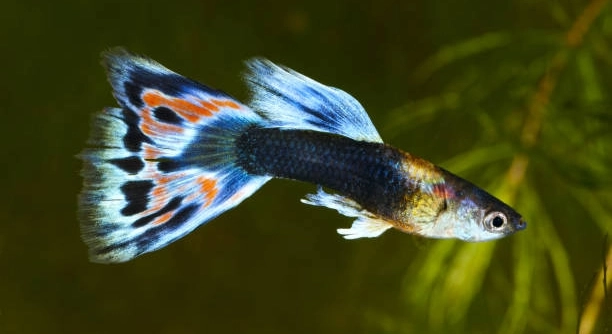
Many aquarium enthusiasts enjoy having vibrant guppies. Over time, however, their colors may begin to fade. Luckily, there are simple ways to enhance their natural hues and make them stand out more.
To improve the vibrancy of your guppy colors, focus on optimizing their diet, water quality, and lighting. Providing a balanced diet, ensuring stable water conditions, and using proper lighting can all play a significant role in boosting their color intensity.
Several factors can influence the vibrancy of guppy colors, which will be covered in the following tips.
Optimize Their Diet
The food you provide plays a significant role in the colors of your guppies. Guppies need a balanced diet filled with essential nutrients, vitamins, and minerals. A diet high in carotenoids, particularly from foods like spirulina or color-enhancing pellets, can improve color vibrancy. Offering a mix of live, frozen, and high-quality flakes can help keep your guppies’ colors bright and rich. Overfeeding, however, should be avoided, as it can lead to poor water quality, which negatively impacts their appearance.
A varied diet ensures they get the nutrients they need. Foods like daphnia and brine shrimp provide both protein and carotenoids. These proteins encourage natural color enhancement and overall health.
To make the most of your guppies’ diet, avoid overfeeding. Provide a good mix of live and dried foods to help maintain a balanced nutritional intake. This simple adjustment can go a long way in improving their colors.
Maintain Water Quality
Water quality directly affects your guppies’ health and colors. Regular water changes and the right filtration system help keep the water free from toxins. Guppies thrive in stable conditions, so fluctuations in pH and temperature should be minimized.
Ensure your tank has a good filtration system and monitor the water parameters closely. Guppies prefer water with a pH range of 7.0 to 8.0 and temperatures between 72-82°F (22-28°C). Poor water quality can lead to stress and dull colors.
Stressful conditions, such as extreme changes in temperature or poor filtration, can cause guppies to lose their vibrant colors. Regular water changes and proper filtration will prevent these issues and help your guppies look their best.
Provide Proper Lighting
Lighting plays a significant role in highlighting the colors of your guppies. A well-lit tank can bring out their vibrant hues, while poor lighting can make them appear dull. Ensure your aquarium has consistent lighting, as it helps in the overall health and appearance of your guppies.
Bright, natural light is the best option, but be careful not to overdo it. Too much direct sunlight can cause algae growth and stress your fish. LED lights specifically designed for aquariums are a good alternative for maintaining proper lighting. Aim for 8-10 hours of light per day to prevent stressing your guppies.
The right lighting not only enhances the colors of your guppies but also promotes their natural behavior. A consistent light cycle supports their circadian rhythms, ensuring they stay healthy and vibrant. Make sure to avoid sharp fluctuations in light intensity, as this can cause stress and impact their appearance.
Reduce Stress
Stress is one of the main factors that affect the health and appearance of guppies. Stress can lead to faded colors, poor health, and even death in extreme cases. To reduce stress, make sure your guppies have a stable and comfortable environment.
Overcrowding the tank, sudden changes in temperature, and aggressive tank mates are common causes of stress. It’s important to ensure your tank has enough space for each guppy. Regularly monitor your fish for signs of stress, such as hiding or erratic swimming. A peaceful environment will allow your guppies to thrive and maintain their vibrant colors.
Avoid overstocking your tank, as too many fish in a small space can lead to stress and aggression. Make sure your guppies have enough room to swim and interact with each other. This peaceful environment helps maintain their natural color patterns and overall well-being.
Add Aquarium Plants
Aquarium plants can benefit guppies in several ways. They provide natural hiding spots, reduce stress, and improve water quality. These plants also help simulate a more natural environment, which can make guppies feel more comfortable, enhancing their overall health and color vibrancy.
Plants like Java moss, Anubias, or Hornwort are easy to maintain and help improve water quality by absorbing excess nutrients. These plants help prevent algae growth and create a balanced, stable environment. Adding plants to your tank ensures your guppies have plenty of space to hide and swim, making them feel more secure and less stressed.
Aquarium plants also play a role in maintaining proper water chemistry. They absorb nitrates, which can harm fish in high concentrations, and provide oxygen during photosynthesis. The healthier your plants, the better the environment for your guppies, which translates into brighter colors and overall better health.
Choose Healthy Guppies
When starting a new aquarium or adding new guppies, it’s important to choose healthy fish. Sick or stressed fish may not display their full color potential. Healthy guppies with vibrant colors are more likely to thrive and show off their true beauty.
Inspect the guppies before purchasing, checking for any signs of illness such as faded colors, sores, or unusual swimming patterns. Healthy guppies are active, have clear eyes, and show bright, consistent colors. Selecting high-quality fish from a reputable source ensures a healthier aquarium and more vibrant guppy colors.
Avoid Overcrowding
Overcrowding leads to poor water quality and stress, which can cause guppies to lose their vibrancy. Make sure to provide enough space for your fish to swim freely without competing for territory. This also ensures better water circulation and filtration.
FAQ
Why are my guppies losing their color?
Guppies may lose their color due to several factors, including poor water quality, improper diet, and stress. A lack of essential nutrients, such as carotenoids, can result in faded colors. Poor water conditions, such as incorrect pH levels or dirty tanks, can also cause your guppies to lose their vibrancy. Stress from overcrowding or aggressive tank mates can further contribute to dullness in their colors. Ensuring a stable environment, providing a balanced diet, and maintaining proper water quality can help restore their color.
Can I enhance my guppies’ color naturally?
Yes, providing a diet rich in carotenoids, such as spirulina, can naturally enhance your guppies’ colors. Foods that contain high levels of beta-carotene can help intensify their reds and oranges. Additionally, ensuring proper lighting and clean water conditions will further boost their appearance. Stress reduction and maintaining a comfortable tank environment also help maintain vibrant hues.
What’s the best way to feed my guppies for color enhancement?
Feeding your guppies a varied and balanced diet is key to enhancing their colors. Include high-quality flakes, pellets, and live or frozen foods, such as brine shrimp or daphnia, that are rich in carotenoids and protein. Consider adding color-enhancing foods like spirulina or krill, which are known to improve the reds and oranges of your guppies.
How often should I feed my guppies?
Guppies should be fed two to three times per day, but you should be careful not to overfeed. Overfeeding can lead to poor water quality, which harms the health and color of your fish. Feed only what they can consume in a few minutes. This helps prevent waste buildup in the tank, which can deteriorate water conditions.
Do guppy colors change with age?
Yes, guppy colors can change with age. Juvenile guppies often have duller colors, and as they mature, their colors become more vibrant, especially in males. However, older guppies may experience some fading in color due to age or poor health. Regular care, including proper nutrition and water quality, can help maintain their vibrancy as they age.
Can tank mates affect my guppies’ colors?
Yes, aggressive tank mates or fish that disrupt the peaceful environment can cause stress, which may result in dull colors. Guppies are best kept with non-aggressive species that allow them to thrive without competition for space or food. Choosing peaceful tank mates, such as other livebearers or small schooling fish, can help maintain their colors.
Does water temperature affect guppy color?
Water temperature can affect your guppies’ health and color. Guppies thrive in temperatures between 72-82°F (22-28°C). If the temperature fluctuates or falls outside this range, it can stress your fish and cause their colors to fade. Maintaining a stable temperature helps your guppies stay healthy and vibrant.
How does lighting affect guppy color?
Proper lighting is essential for bringing out the colors of your guppies. Natural or bright artificial light can enhance their appearance, while too little light can make their colors look dull. Avoid direct sunlight, as it can cause algae growth and stress. Use aquarium lights that simulate natural light, and aim for 8-10 hours of light per day.
Can stress affect guppy color?
Yes, stress is a major factor in the fading of guppy colors. Stress can be caused by overcrowding, poor water quality, aggressive tank mates, or sudden changes in the environment. Stress causes guppies to become less vibrant and can even lead to health issues. Reducing stress by maintaining a calm, stable environment will help preserve their natural beauty.
Why are my guppies’ fins not as colorful?
Faded or dull fins could be a sign of poor health or water conditions. Guppies rely on high-quality water and proper nutrition for vibrant fins. Ensure your guppies are receiving the right nutrients, such as carotenoids, and that their tank is clean and free of toxins. Check for any signs of illness or stress that could be affecting their fins.
Final Thoughts
Achieving vibrant colors in guppies is a combination of factors that include proper diet, good water quality, and a stress-free environment. Providing a balanced diet that includes foods rich in carotenoids, such as spirulina and brine shrimp, can significantly enhance the natural hues of your guppies. Additionally, ensuring that your fish have access to high-quality lighting and a clean, well-maintained tank is essential for bringing out their vibrant colors. These simple yet important steps will not only help your guppies maintain their stunning colors but also ensure their overall health and well-being.
Maintaining a stable environment is just as crucial. Stress can quickly lead to dull colors and even health problems. Overcrowding, aggressive tank mates, and poor water conditions are the main causes of stress. By keeping a balanced and peaceful tank, your guppies will have the best chance at thriving and showing off their full color potential. Be mindful of the temperature, water pH, and the number of fish in your tank to avoid unnecessary stress and ensure that your guppies feel secure in their habitat.
In the end, achieving vibrant guppy colors requires patience and consistency. Regular water changes, proper feeding, and the right environment will make a significant difference in the appearance and health of your fish. Remember that a little effort in maintaining these factors can go a long way in enhancing your guppies’ beauty and overall well-being. Keep your tank clean, your guppies well-fed, and their environment peaceful, and you’ll see their colors shine.

Hello,
If you enjoy the content that we create, please consider saying a "Thank You!" by leaving a tip.
Every little bit helps us continue crafting quality advice that supports the health, happiness, and well-being of pets around the world, for pets of all shapes, sizes, and species.
We really appreciate the kindness and support that you show us!