
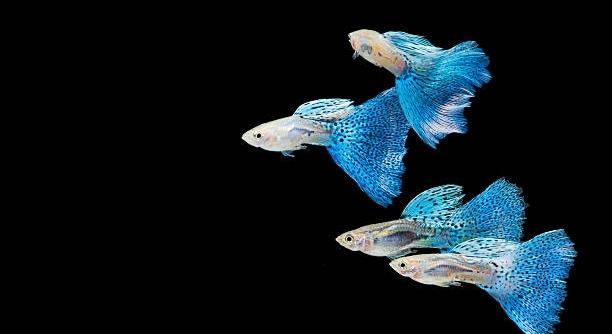
Guppies are beloved for their vibrant colors, but sometimes it can feel like those hues just aren’t as bright as you’d like. If you’re looking for ways to make your guppies’ colors pop, you’re in the right place.
The most effective ways to enhance your guppies’ color are through proper nutrition, optimal water conditions, appropriate lighting, and selective breeding. Ensuring a healthy environment will encourage brighter, more vivid colors in your guppy population.
There are several steps you can take to bring out the best in your guppies. From diet adjustments to water care, the following tips will help you achieve stunning, colorful fish.
1. Feed Your Guppies a Balanced Diet
Guppies need a diet rich in nutrients to maintain their vibrant colors. High-quality fish flakes, brine shrimp, and live foods like daphnia or bloodworms can make a huge difference. Offering a variety of foods ensures that your guppies are getting the right vitamins and minerals to boost their pigmentation. Be careful not to overfeed, as excess food can affect water quality and harm your fish. The right diet will allow your guppies to thrive, showing off their bright and beautiful colors.
A healthy, varied diet encourages brighter, more vivid colors. Foods like spirulina, carotenoids, and omega-3 fatty acids are especially helpful.
Additionally, a well-balanced diet supports overall fish health, promoting better immune systems, stronger fins, and healthier skin. When guppies get the nutrition they need, they naturally become more colorful. These foods directly affect the pigmentation process, making your fish appear more vibrant without needing extra supplements or treatments. The right balance also helps prevent dullness or fading in your guppies. Over time, you’ll notice how these dietary changes lead to noticeably brighter fish.
2. Maintain Proper Water Conditions
Water quality plays a huge role in how colorful your guppies look. They thrive in clean, stable environments with a pH of around 7.0 to 7.5. Regular water changes and proper filtration will keep the water free of toxins and ensure the colors of your guppies remain bright. Also, ensure the temperature stays between 72°F and 78°F, as this range supports their health and vibrancy.
Water conditions impact not only the health of your guppies but also how their colors shine. Stability is key to keeping them healthy and colorful.
In addition to pH and temperature, guppies need good water hardness levels, ideally around 8-12 dGH. Keeping ammonia, nitrite, and nitrate levels low is essential, as high levels can stress the fish, causing their colors to fade. Testing your water regularly can prevent these issues. Regular maintenance, like weekly water changes of 20% or more, will keep everything in balance. Poor water quality can dull the colors of your guppies and even lead to illness, so investing time into water care is worth the effort. Clean, stable water provides the best environment for your fish to show their true colors.
3. Provide Adequate Lighting
Lighting is another important factor that influences your guppies’ colors. Too little light can cause their colors to appear dull and washed out, while too much direct sunlight can lead to algae growth in your tank, which might harm both the guppies and the water quality. Using a soft, moderate light will allow your guppies to show off their colors without stressing them.
Proper lighting ensures your guppies’ colors are well-lit and appear brighter.
When choosing aquarium lighting, consider a light with a color temperature around 6500K. This simulates natural daylight and encourages healthy pigmentation in your guppies. Timed lighting, about 8 to 10 hours per day, is also important. Too much light can stress fish and cause algae growth, but too little can prevent them from reaching their full color potential. Additionally, avoid placing your tank in areas with direct sunlight, as this can cause temperature fluctuations and promote algae. With the right lighting, your guppies will be able to show their full, colorful potential.
4. Use Natural Sunlight Wisely
Natural sunlight can enhance your guppies’ colors, but too much exposure can cause problems. Aim for indirect sunlight that doesn’t heat up the tank or cause algae growth. About 1-2 hours of natural light a day can make a difference without risking water quality issues.
Direct sunlight often leads to overheating, which stresses guppies and can cause their colors to fade. Placing your tank near a window for a few hours a day provides beneficial light but should be monitored. Too much direct sunlight can increase the risk of algae blooms, which affects the health of your guppies. Keep in mind that too much sunlight can also cause temperature fluctuations, which could stress your fish and diminish their vibrancy. Indirect, mild sunlight helps stimulate natural behaviors and encourages more vivid colors, keeping your guppies happy and healthy.
Make sure to control the light exposure and observe how your guppies react. If you notice any signs of stress, such as erratic swimming or fading colors, adjust the lighting accordingly.
5. Create a Stress-Free Environment
Stress has a direct effect on guppy health and can lead to dull colors. To reduce stress, keep the tank free from sudden changes in temperature, pH, and water flow. Create a peaceful environment with plenty of hiding spaces for guppies to feel secure.
Stress can cause guppies to lose their vibrant colors. Excessive noise, abrupt changes in the tank, or aggressive tankmates may increase stress, which in turn negatively impacts pigmentation. For a happier and healthier environment, choose peaceful tankmates and ensure they aren’t overcrowded. Too many guppies in a tank can lead to competition, stress, and faded colors.
Maintain a stable environment by keeping the lights and temperature constant and making gradual changes when needed. Avoid placing the tank in a high-traffic area where constant movement might stress your fish. A calm tank environment with a healthy balance will allow your guppies to flourish and showcase their true colors.
6. Introduce Selective Breeding
Selective breeding can help bring out the brightest colors in your guppies. By breeding guppies with the most vibrant pigments, you can increase the chances of producing offspring with enhanced color traits. Be sure to choose healthy, colorful fish for the breeding process.
When selecting guppies for breeding, focus on the ones that have the strongest and most vivid colors. Over time, selective breeding can amplify these color traits in future generations, ensuring that your tank is filled with even more vibrant fish. This method requires patience, as it may take several breeding cycles to notice significant improvements. Keep in mind that proper care, nutrition, and water conditions also play a major role in the success of selective breeding. By combining these efforts, you can gradually develop a strain of guppies with brighter, more distinct colors.
7. Monitor Tank Size and Stocking Levels
Overcrowding your tank can negatively impact your guppies’ health and their color. Proper tank size ensures your fish have enough room to swim and thrive, leading to brighter, healthier fish. Keeping stocking levels low also minimizes stress.
Having enough space for each guppy is essential for maintaining their health and vibrant appearance. Overcrowding can lead to competition for resources, which increases stress levels and dulls colors. Guppies that have room to swim freely and establish territories are more likely to display their brightest hues. A tank that’s too small may also lead to poor water quality, further affecting the coloration of your fish.
FAQ
How long does it take for guppy colors to brighten?
Guppies can show noticeable improvements in their color within a few weeks if given the right environment. However, it may take several months for their full vibrancy to develop, especially if you’re working on breeding or making long-term changes in water quality and diet. Consistency in feeding, water care, and lighting will all contribute to gradual improvement.
Can I use color-enhancing fish food for my guppies?
Yes, color-enhancing fish food can help brighten your guppies’ colors, as it often contains ingredients like spirulina and carotenoids. These ingredients encourage the production of pigments that give guppies their vibrant hues. However, it’s important to feed a varied diet, as over-reliance on any single type of food might not provide balanced nutrition for your guppies.
Do guppies need a specific water temperature to show bright colors?
Yes, guppies do best in water temperatures between 72°F and 78°F (22°C to 26°C). Temperatures outside of this range can stress the fish and cause their colors to fade. Too hot or too cold water can interfere with the natural processes that bring out their pigmentation, so it’s important to maintain a stable, warm environment.
What kind of tank mates are best for bright guppy colors?
Peaceful tank mates are ideal for guppies. Avoid aggressive fish that could stress them, as stress can lead to faded colors. Small, non-aggressive species like neon tetras, corydoras catfish, or even other peaceful guppy strains make good companions. Overcrowding or introducing large, dominant fish can make your guppies less vibrant over time.
Can I add aquarium plants to help improve my guppies’ color?
Yes, adding plants to your tank can help create a more natural, comfortable environment for your guppies. Plants provide hiding spots and help reduce stress, which can ultimately encourage brighter colors. Live plants also improve water quality by absorbing excess nutrients that could lead to algae growth or poor water conditions.
Does lighting affect the colors of guppies?
Yes, lighting plays a big role in how vibrant your guppies look. Too little light can make their colors appear dull, while too much direct light can cause stress and algae problems. A moderate, consistent light that simulates natural daylight helps to highlight their colors. Proper lighting also boosts their mood, which can further enhance their vibrancy.
How often should I change the water in my guppy tank?
Water changes are essential for maintaining the health of your guppies. A good rule of thumb is to change 20-25% of the water every week. This ensures that toxins like ammonia and nitrates are kept in check, providing a healthier environment that supports bright coloration. More frequent changes may be needed in smaller or heavily stocked tanks.
Does overfeeding affect guppy coloration?
Yes, overfeeding can lead to poor water quality, which negatively affects your guppies’ health and color. Leftover food breaks down and pollutes the water, which stresses your fish. It’s best to feed your guppies small amounts of food 2-3 times a day and remove any uneaten food after a few minutes to keep the water clean.
What should I do if my guppies’ colors start to fade?
If your guppies’ colors are fading, first check their water conditions. Poor water quality is often the culprit, so test for ammonia, nitrites, and nitrates. If everything checks out, consider adjusting their diet by adding color-enhancing foods. Make sure they have proper lighting and avoid stressors like overcrowding or aggressive tank mates.
Can I use aquarium supplements to enhance my guppies’ colors?
While certain supplements, like liquid carotenoid additives, are available to boost guppy color, it’s best to focus on creating a healthy environment with the right diet and care. Overuse of supplements can lead to imbalances, so they should only be considered as a supplement to a balanced routine, not the primary solution.
Final Thoughts
Achieving bright and vibrant colors in your guppies is not a quick process, but with consistent care, the results can be stunning. Proper nutrition plays a vital role in enhancing their color, so providing a balanced diet with the right nutrients is essential. Foods that contain spirulina, carotenoids, and omega-3 fatty acids are particularly helpful in boosting the vibrancy of your guppies. Along with a varied diet, ensuring your guppies have the best water conditions is crucial for their health and appearance. Clean, stable water with the correct pH, temperature, and low levels of ammonia and nitrites will support vibrant pigmentation and overall well-being.
Additionally, lighting plays a key role in bringing out your guppies’ colors. Providing moderate, indirect lighting ensures that your guppies can display their bright colors without stress or excessive algae growth. However, lighting isn’t the only factor; maintaining a stress-free environment is just as important. Stress can quickly dull your guppies’ colors, so it’s essential to reduce aggression from tank mates and avoid overcrowding. A peaceful, spacious tank with plenty of hiding spots will help your guppies feel safe, which encourages healthy coloration. Regular water changes also contribute to a clean and balanced environment, so be sure to maintain proper tank care and remove any leftover food to avoid water pollution.
While selective breeding can certainly enhance the brightness of your guppies’ colors, it’s important to remember that a healthy, vibrant fish starts with a healthy environment. No single factor will work alone, but rather, a combination of proper feeding, water care, lighting, and tank conditions will lead to brighter, healthier guppies. If you’re patient and consistent in your approach, you’ll soon see the full potential of your guppies’ colors shine through. Keep in mind that each guppy is unique, and their color intensity will vary based on genetics and individual care.

Hello,
If you enjoy the content that we create, please consider saying a "Thank You!" by leaving a tip.
Every little bit helps us continue crafting quality advice that supports the health, happiness, and well-being of pets around the world, for pets of all shapes, sizes, and species.
We really appreciate the kindness and support that you show us!