
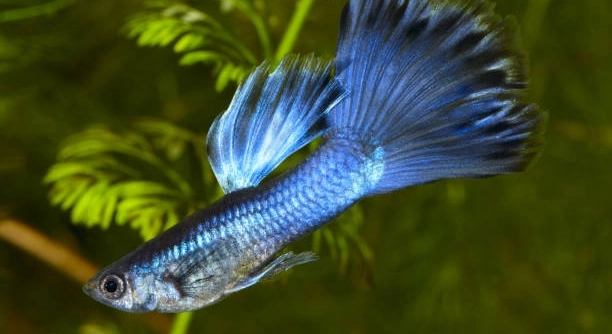
Guppies are lively fish that can sometimes seem inactive or lethargic. If you’re looking to boost their energy, simple adjustments can make a big difference. Understanding the factors that influence their activity can help improve their overall well-being.
To encourage more activity in guppies, ensure they have a properly maintained tank with clean water, appropriate lighting, and a balanced diet. Regular water changes, the introduction of plants, and tank companions can also help stimulate their energy levels.
Improving your guppies’ environment will encourage their natural behaviors, keeping them active and happy.
Create the Right Tank Environment
A clean and well-maintained tank is essential for guppies to thrive. Poor water quality, temperature fluctuations, or inadequate filtration can lead to stress and sluggish behavior. Make sure the tank has a stable temperature between 72-82°F (22-28°C) and proper filtration to keep the water clean.
Adding plants and decorations to the tank can also provide hiding spots and stimulate natural behaviors. Guppies enjoy swimming through plants, which mimics their natural habitat. When designing the tank, aim to create an environment that mimics nature as closely as possible, which can encourage more activity.
It’s also important to regularly change the water to prevent waste buildup and toxins. A 25% water change every two weeks is a good rule of thumb. When water conditions are optimal, guppies feel more secure and energized, making them more active and engaging.
Proper Lighting
Guppies thrive in consistent light patterns, similar to their natural day-night cycle. Keep your tank lighting on for about 10 to 12 hours per day. Exposure to natural light or a gentle aquarium light helps regulate their circadian rhythms, encouraging normal behaviors.
Proper lighting not only supports activity but also promotes a healthy environment for any live plants in the tank. Guppies are more likely to be active during daylight hours, mimicking the natural patterns of their native habitats. This consistency helps regulate their feeding and resting cycles, improving their overall energy levels.
Inadequate or irregular lighting can lead to confusion and inactivity, as guppies rely on light to determine their active periods. Additionally, be sure not to use overly bright lighting that could cause stress. A balanced lighting system fosters a comfortable environment where guppies feel encouraged to swim and explore.
Provide a Balanced Diet
Feeding guppies a well-rounded diet is key to keeping them active. A mix of high-quality flakes, pellets, and occasional live or frozen foods like brine shrimp and daphnia will ensure they get the nutrients they need. Variety helps stimulate their appetite and activity levels.
Overfeeding can be a problem. Excess food pollutes the water and can lead to sluggish behavior. Feed them in small amounts, and remove any leftover food to maintain water quality. Providing the right amount of food at regular intervals also helps regulate their energy levels, encouraging active swimming and foraging.
Healthy guppies require protein, fats, and vitamins to stay energetic. Focus on foods rich in Omega-3 fatty acids to support their immune system and overall vitality. A nutritious diet boosts metabolism, leading to greater movement and interactions with their environment. Regular feeding with a balanced diet enhances their energy and keeps them lively.
Keep Them Social
Guppies are social creatures and will thrive when kept with others of their kind. A single guppy may appear lonely and inactive, but a small group encourages natural schooling behaviors, leading to more energy. Aim for groups of at least 3-5 guppies.
Socializing is important for guppy well-being. In a community tank, guppies will interact with one another, often chasing or swimming alongside each other, which naturally stimulates activity. Additionally, adding peaceful tankmates can create a dynamic environment that encourages movement and exploration. However, avoid overcrowding, as it can lead to stress.
While they are social, guppies also appreciate personal space. Ensure there’s enough room in the tank for each guppy to have its own territory. Proper tank size and social conditions help prevent aggression and competition for resources, leading to a peaceful, active environment for all.
Maintain Optimal Tank Size
A properly sized tank ensures that guppies have enough space to swim and explore. A tank that’s too small can cause stress, reducing their activity levels. Aim for at least a 10-gallon tank for a small group of guppies.
Overcrowding restricts movement and leads to competition for food, which can result in sluggishness. When guppies have more room, they’re less stressed and more likely to engage in natural behaviors. Make sure to provide enough space to keep them active and healthy. A spacious environment supports their energy and overall well-being.
Add a Variety of Decorations
Decorations and plants are not just for aesthetics—they encourage guppy activity. Floating plants, rocks, and driftwood provide hiding spots and obstacles for guppies to navigate. These features mimic their natural habitat, giving them opportunities for exploration and exercise.
Adding decorations also creates an enriched environment, which prevents boredom. Guppies are more likely to swim and interact with their surroundings when they have a dynamic environment. Avoid overcrowding the tank with too many decorations, as it could limit their swimming space. Keep the setup balanced to maintain a healthy, active tank.
Monitor Water Temperature
Temperature plays a significant role in guppy activity. Guppies are most active when the water temperature is consistent and falls within the ideal range of 72-82°F (22-28°C). Temperature fluctuations can cause stress and reduce energy.
Use a reliable aquarium heater to maintain a steady temperature and avoid sudden changes. Guppies are more likely to engage in active behaviors when they’re comfortable in their environment. Cold water can slow their metabolism and cause lethargy. Keeping the water temperature stable promotes consistent activity and supports overall health.
FAQ
How can I tell if my guppies are too inactive?
Inactive guppies often stay in one spot, swim slowly, or barely move at all. If they’re not engaging with their tankmates, exploring, or swimming around, they might be too inactive. Check their behavior for any signs of distress like gasping at the water surface, staying near the bottom, or hiding excessively.
What causes guppies to be inactive?
Several factors can cause guppies to become inactive. Poor water quality, improper temperature, lack of space, or an inadequate diet can all lead to sluggishness. Stress from aggressive tankmates, overcrowding, or insufficient lighting can also affect their energy levels. Ensure proper water conditions and a balanced environment to keep them active.
Can poor water quality make guppies inactive?
Yes, poor water quality can severely impact your guppies’ activity. High levels of toxins, such as ammonia or nitrites, can cause stress and lethargy. Regular water changes and proper filtration are essential to keep the water clean and prevent inactivity. Guppies need clean water to stay healthy and energetic.
What is the best temperature for guppies to stay active?
Guppies thrive in water temperatures between 72-82°F (22-28°C). If the water is too cold or too warm, they may become lethargic or stressed. Maintaining a stable temperature within this range will help promote their activity and overall health. Consider using a heater to regulate the tank’s temperature.
Can I add more guppies to encourage activity?
Yes, guppies are social fish and tend to be more active when kept in small groups. A group of at least three to five guppies will encourage social interactions and swimming. However, avoid overcrowding, as too many fish in a small space can lead to stress and inactivity.
What kind of food should I feed my guppies to keep them active?
Feed your guppies a balanced diet that includes high-quality flake food, pellets, and occasional live or frozen foods like brine shrimp or daphnia. A varied diet provides the necessary nutrients for energy and growth. Ensure you feed small portions to avoid overfeeding, which can affect their health and activity levels.
How often should I feed my guppies?
Feed your guppies once or twice a day in small amounts. Only provide as much food as they can consume in a few minutes to prevent excess food from polluting the water. Regular, small meals will help maintain their energy levels and keep them active without overfeeding.
Do guppies need plants in their tank to stay active?
Yes, plants play an important role in keeping guppies active. Live plants provide hiding spots, encourage exploration, and offer natural environments that guppies enjoy. Plants like Java moss, Anubias, or Hornwort can create areas for guppies to swim through, stimulating their natural behaviors and encouraging movement.
Can lighting affect guppy activity levels?
Yes, lighting has a significant effect on guppy behavior. A consistent light cycle that mimics natural daylight—10 to 12 hours per day—helps regulate their circadian rhythms. Proper lighting encourages active swimming during the day and allows for restful sleep at night. Avoid abrupt changes in lighting to prevent stress.
Why are my guppies hiding all the time?
If your guppies are hiding too much, it could be due to stress, poor water quality, aggressive tankmates, or inappropriate tank conditions. Ensure that the water is clean, the temperature is stable, and there are enough hiding spots for them to feel secure. Also, check if there’s any aggression from other fish in the tank.
Are there certain tankmates that can make my guppies more active?
Yes, peaceful tankmates can encourage your guppies to be more active. Avoid aggressive fish that may stress your guppies or chase them. Fish like neon tetras or Corydoras catfish make good companions. Always research potential tankmates to ensure they won’t negatively affect your guppies’ behavior.
Can I use aquarium decorations to improve guppy activity?
Yes, aquarium decorations like plants, rocks, and driftwood can improve guppy activity. These features provide places for guppies to explore and hide, which encourages natural swimming behaviors. Avoid overcrowding the tank with decorations, as too much clutter can restrict movement and cause stress.
How do I reduce stress in my guppies to improve their activity?
To reduce stress, make sure your guppies have a stable, well-maintained tank environment. Keep the water clean and properly filtered, provide enough space, and ensure there are no aggressive tankmates. Avoid sudden temperature changes and give your guppies plenty of places to hide and explore. A calm environment will encourage activity.
Can guppies get too active?
Guppies generally won’t get “too active,” but they can become stressed or exhausted if the tank conditions are unsuitable. Overcrowding, poor water quality, or incompatible tankmates can cause constant swimming or erratic behavior. If you notice unusual activity, it may be a sign of stress, and adjustments should be made to improve the tank environment.
What is the ideal tank size for guppies to stay active?
A tank size of at least 10 gallons is ideal for a small group of guppies. A larger tank allows more space for swimming and natural behavior, reducing stress and encouraging activity. Overcrowding can lead to lethargy, so ensure the tank is spacious enough for all your guppies to move around freely.
Can temperature fluctuations cause inactivity in guppies?
Yes, temperature fluctuations can lead to inactivity in guppies. Sudden drops or spikes in temperature cause stress and slow their metabolism. Keep the water temperature stable within the recommended range of 72-82°F (22-28°C) to ensure guppies remain active and healthy. A quality heater can help maintain consistency.
What should I do if my guppies are still inactive despite making changes?
If your guppies remain inactive after improving tank conditions, consider checking their health for signs of illness. Parasites or other infections can cause lethargy. If needed, consult a veterinarian with experience in aquarium fish for further diagnosis. Regular maintenance and monitoring will help keep your guppies active and healthy.
Final Thoughts
Keeping guppies active requires a combination of proper care and the right environment. These small fish thrive when they have space to swim, clean water, and an enriched tank with plants and decorations. Their natural instincts drive them to explore, hide, and interact with their surroundings. Without these factors, guppies may become stressed or lethargic. Maintaining the right conditions helps keep them healthy and engaged, making your aquarium a lively and vibrant place.
A crucial aspect of guppy care is monitoring water quality. Poor water conditions can easily lead to inactivity or even illness. Regular water changes, proper filtration, and stable water temperature are key to creating a thriving environment. Ensuring that your guppies have clean, well-oxygenated water allows them to maintain normal activity levels. It also minimizes the risk of stress-related problems and enhances their overall health. A proper balance of water parameters can significantly improve their behavior and activity.
Finally, it’s important to observe your guppies regularly. Noticing any changes in their activity levels, eating habits, or social behavior allows for quick action in case something goes wrong. If you see signs of stress, investigate the cause, whether it’s overcrowding, inappropriate tankmates, or environmental issues. By staying proactive in their care, you can keep your guppies active and happy, creating a peaceful and enjoyable aquarium.

Hello,
If you enjoy the content that we create, please consider saying a "Thank You!" by leaving a tip.
Every little bit helps us continue crafting quality advice that supports the health, happiness, and well-being of pets around the world, for pets of all shapes, sizes, and species.
We really appreciate the kindness and support that you show us!