
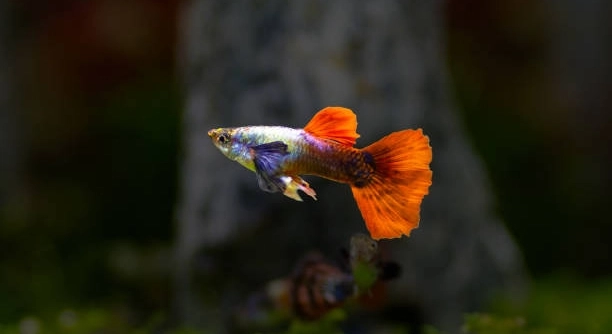
Keeping guppies happy and healthy requires more than just providing food and clean water. Creating a secure environment for them is essential to their well-being. There are several ways to ensure your guppies feel safe and thrive.
Guppies need a secure environment to reduce stress and promote overall health. Providing hiding spaces, maintaining proper water conditions, and avoiding sudden disturbances can help make them feel safe. Stability is key to their comfort and happiness.
Ensuring that your guppies feel secure will help them flourish in their tank. Small changes in their environment can make a significant difference in their behavior and well-being. Learn more about how to create the perfect habitat for your fish.
Create Hiding Spaces
Guppies are naturally shy and feel safer when they can hide. Adding plants, rocks, or aquarium decorations provides them with places to retreat when they feel threatened. These hiding spots allow them to rest and feel secure. Even small spaces can make a big difference, offering the comfort they need. When designing your aquarium, consider including both low and high areas for guppies to swim around and hide in. Ensuring that your guppies have a variety of spaces to explore will keep them more active and less stressed.
Adding hiding spaces is not just about aesthetics, it’s about creating an environment that mimics nature. Guppies are not used to open, barren tanks. The more places they can hide and explore, the less stressed they’ll be.
Additionally, hiding spots encourage natural behaviors like foraging and exploring. It’s important to create a balanced environment where your guppies can comfortably retreat when needed, as well as have enough space to swim freely. By adding plants or caves, you give your guppies a chance to hide during moments of stress. You will see a noticeable improvement in their overall behavior and health.
Maintain Stable Water Conditions
Water quality plays a crucial role in your guppies’ comfort. Keeping the water temperature stable between 72-82°F (22-28°C) ensures they remain healthy. Guppies are sensitive to changes in water temperature and fluctuations can cause stress. Regularly check the water parameters such as pH, hardness, and ammonia levels to keep them in balance.
A stable and clean environment helps maintain your guppies’ health and reduces their risk of illness. By sticking to a routine of water testing and changes, you can keep everything in check. When they feel secure in their environment, they’re less likely to become stressed or agitated.
If you’re unsure of the best water conditions for your guppies, invest in a reliable water testing kit. This ensures that you’re keeping track of everything. Proper filtration is also important to prevent harmful waste from building up. If guppies feel comfortable in their water, they are more likely to display natural and happy behavior.
Avoid Sudden Movements and Loud Noises
Guppies are easily startled by sudden movements and loud sounds. Keeping a calm environment helps reduce stress. Avoid tapping on the glass or making loud noises near the tank. This ensures they don’t feel threatened and can swim comfortably.
When setting up or cleaning the tank, take slow, deliberate actions. Rapid movements can cause anxiety, leading to unhealthy stress. Guppies have sensitive hearing and vibrations in the water can make them uneasy. Keep the environment as peaceful as possible for them to feel secure. Try to move carefully and avoid surprising them.
For guppies, consistent and predictable actions in the tank will help them feel safe. If you need to approach the aquarium, do it gently. Loud sounds or quick motions can cause them to hide or become more aggressive. A calm and quiet atmosphere allows your guppies to thrive without the fear of being startled.
Provide Consistent Feeding Schedule
Feeding your guppies at regular times helps establish routine and predictability. They feel secure when they know when to expect food. Overfeeding or erratic feeding times can lead to confusion and stress. Keep the schedule simple and consistent.
Establishing a set feeding routine creates a sense of stability in their environment. Guppies will come to recognize feeding time, and knowing when to expect their meals reduces anxiety. Aim to feed your guppies once or twice a day, only giving them enough food to consume in a few minutes. Excess food can pollute the water, creating an unhealthy environment.
By sticking to a consistent feeding schedule, you help your guppies feel more relaxed and secure. This routine allows them to focus on swimming and interacting, rather than worrying about food availability. Avoiding sudden changes in their diet or feeding schedule will ensure they stay content and healthy.
Keep Tankmates Compatible
Guppies are peaceful fish but can become stressed by aggressive tankmates. Choose fish that are non-threatening and won’t intimidate or nip at them. Compatibility is key to maintaining a harmonious aquarium environment.
Before adding new fish to the tank, research their behavior and temperament. Guppies thrive in community tanks, but aggressive species can disturb their peace. Opt for other small, peaceful fish to maintain a secure atmosphere. Keeping a balanced mix of species will help your guppies feel safe and less threatened.
Regular Water Changes
Changing the water regularly is crucial for keeping the tank environment healthy. It helps remove toxins and keeps water quality in check. Perform partial water changes every week to ensure a stable and clean habitat.
Guppies thrive in clean water, free from harmful substances like ammonia or nitrates. A well-maintained tank with fresh water improves their overall health and reduces stress. If the water is left unchanged for too long, it can lead to poor water quality, which stresses out your guppies.
Avoid Overcrowding
Overcrowding the tank can cause stress and territorial disputes among your guppies. Make sure to leave enough space for each fish to swim freely. A cramped tank can increase aggression and limit their ability to find food.
Overcrowding leads to high stress levels and poor water quality. Ensure the tank has enough room for your guppies to swim comfortably, with a general guideline of 1 inch of fish per gallon of water. More space allows them to feel less threatened and more secure in their environment.
FAQ
What should I do if my guppy seems stressed?
If your guppy appears stressed, start by checking the water quality. Make sure the temperature, pH, and ammonia levels are within the ideal range. Stress can also stem from overcrowding, so make sure there’s enough space in the tank. Adding more hiding spots or decorations can help them feel more secure. Lastly, avoid sudden movements around the tank or loud noises. A calm environment will help your guppy settle down.
Can I keep guppies with other types of fish?
Yes, guppies can live with other peaceful fish. Make sure the other fish species are not aggressive and have similar care requirements. Avoid adding fish that may harass or nip at your guppies’ fins. Good tankmates for guppies include other small, peaceful fish like tetras, mollies, or platys. Always research fish species before introducing them to ensure compatibility.
How do I know if my guppy is healthy?
A healthy guppy has bright, vibrant colors, swims actively, and shows no signs of lethargy or abnormal behavior. Their fins should be intact without any tears or signs of infection. Healthy guppies also have an appetite and are not losing weight. If you notice any unusual behavior like floating at the surface, fading colors, or lack of appetite, it could be a sign of illness.
How often should I feed my guppies?
Feed your guppies once or twice a day, offering only as much food as they can eat in a few minutes. Overfeeding can lead to poor water quality and health problems. Use high-quality fish flakes or pellets, supplemented with occasional treats like brine shrimp or daphnia. Be sure to monitor their feeding habits to ensure they’re eating the right amount.
Can I keep male and female guppies together?
Yes, male and female guppies can live together, but it’s important to monitor the males’ behavior. Male guppies can be very active in courting females, which may cause stress to the females if there aren’t enough hiding spots. If you don’t want to breed guppies, consider keeping only males or having a larger ratio of females to males to reduce the males’ stress on the females.
What is the best tank size for guppies?
A 10-gallon tank is the minimum recommended size for a small group of guppies. Larger tanks provide more space and help maintain better water quality. Ensure that your tank has a proper filtration system to keep the water clean and stable. Overcrowding can lead to stress, so always consider how many guppies you’re keeping and the amount of space they need to thrive.
How can I tell if my guppy is pregnant?
A pregnant guppy will have a rounded belly, and you may notice a dark spot near the back of their abdomen, called the gravid spot. This indicates that they’re carrying fry. If the guppy is very swollen and the spot is dark, birth may be imminent. Pregnant guppies typically give birth to live young, and it’s a good idea to have a separate nursery tank ready for the fry to avoid them being eaten by adults.
What is the lifespan of a guppy?
Guppies typically live for 2 to 3 years, though some may live a bit longer with proper care. The lifespan of your guppy can be affected by water conditions, diet, and whether or not they’re stressed. Providing them with a stable environment and avoiding overcrowding can help them reach their full lifespan.
How do I maintain water quality for my guppies?
Regular water changes are essential for maintaining good water quality. Perform partial water changes (about 25-30%) every week to keep toxins in check. Use a reliable filtration system to remove waste and keep the water clear. Also, avoid overfeeding as uneaten food can degrade water quality. Regular testing for pH, ammonia, nitrites, and nitrates will help ensure the water stays safe for your guppies.
Why is my guppy’s color fading?
Fading colors can indicate stress, poor water quality, or an illness. Check the water parameters, especially ammonia and nitrate levels, as poor water quality can cause color loss. Ensure the tank is free of aggressive fish, and there are plenty of hiding spots. If the problem persists, a trip to the vet might be necessary to rule out diseases.
Should I add plants to my guppy tank?
Yes, adding plants to your guppy tank is a great idea. Plants provide hiding spaces, reduce stress, and improve water quality by absorbing excess nutrients. Live plants also help oxygenate the water, which benefits your guppies. Make sure to choose plants that are easy to care for and won’t overtake the tank. Floating plants like duckweed or water lettuce are ideal for creating additional hiding spaces.
Can guppies live with snails?
Guppies can generally live with snails, as long as the snails are not too large or aggressive. Snails can help clean up leftover food and algae, making them useful tankmates. However, avoid snails that may eat your guppy’s plants or become a nuisance. Smaller species like nerite or mystery snails are typically safe.
How do I prevent my guppy tank from becoming overcrowded?
To prevent overcrowding, adhere to the general rule of 1 inch of fish per gallon of water. Guppies are small, but they still need space to swim. Overcrowding can lead to stress, disease, and poor water quality. Regularly check the fish population in your tank and ensure that it stays within a manageable limit. Consider separating males and females if you don’t want the population to grow too quickly.
Final Thoughts
Creating a secure environment for your guppies is essential to their well-being. By providing them with hiding spaces, maintaining stable water conditions, and avoiding sudden disturbances, you can reduce their stress levels and help them feel more comfortable. Guppies are naturally shy and delicate fish, and a calm, stable environment allows them to thrive. Regularly checking water parameters, such as temperature and pH levels, can prevent many common health issues. When guppies feel safe, they are more likely to show natural, happy behaviors and remain active in their tank.
Additionally, it’s important to consider the social aspects of their environment. Guppies are peaceful creatures and thrive best when housed with compatible tankmates. Avoid aggressive fish, as they can stress your guppies, which affects their overall health. When selecting tankmates, make sure they have similar care requirements and temperaments to maintain a harmonious atmosphere. Providing a good balance of plants, decorations, and open swimming space will also help your guppies feel at ease. With the right setup, your guppies will not only survive but thrive in a peaceful tank.
Lastly, being consistent in feeding and water maintenance ensures that your guppies stay healthy and stress-free. A set feeding routine helps them feel secure about their food source, while regular water changes keep the environment clean. By keeping an eye on their behavior and adjusting their surroundings as needed, you can prevent issues before they become serious. A well-maintained tank not only supports their health but also helps create an enjoyable, beautiful aquarium for you to watch. A little effort goes a long way in ensuring your guppies live long and happy lives.

Hello,
If you enjoy the content that we create, please consider saying a "Thank You!" by leaving a tip.
Every little bit helps us continue crafting quality advice that supports the health, happiness, and well-being of pets around the world, for pets of all shapes, sizes, and species.
We really appreciate the kindness and support that you show us!