
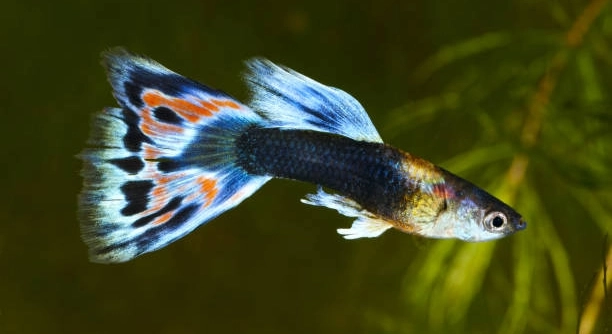
Guppies are popular aquarium fish known for their vibrant colors and active personalities. Creating the perfect environment for them is essential for their health and happiness. In this article, we’ll share ways to make them feel at home.
The key to making guppies feel at home involves providing a stable and clean environment with the right water conditions, tank setup, and appropriate companions. Proper care ensures they thrive and display their full potential in your aquarium.
Providing guppies with the right environment goes beyond just water quality. Understanding their needs helps create a thriving, peaceful habitat. Keep reading to discover how to keep your guppies comfortable and happy in their underwater home.
1. The Right Water Conditions
Guppies are sensitive to changes in water quality. For them to feel at home, maintaining stable water conditions is essential. Guppies prefer water that is warm, slightly alkaline, and clean. Keeping the tank’s temperature between 72 and 82°F (22-28°C) ensures they stay active and healthy. Regularly checking the pH levels, which should be between 7.0 and 8.0, will help prevent stress. Ammonia and nitrites can be harmful to guppies, so it’s important to monitor these levels too. A good filtration system can keep the water clean, but you must also perform routine water changes to keep the tank fresh.
By monitoring these key water parameters, you can ensure a safe and comfortable environment for your guppies. Regular testing and maintenance are the best ways to keep your fish healthy.
A stable environment makes a huge difference in the long-term well-being of your guppies. Keeping the water clean and properly balanced should be one of your top priorities.
2. Tank Size and Setup
A proper tank size and setup help create a safe environment for guppies. A tank of at least 10 gallons is recommended for a small group of guppies. It provides enough space for them to swim around, reduces stress, and makes maintenance easier. Guppies are social fish and thrive in groups. Make sure to add plants, decorations, and hiding spots to mimic their natural habitat. These additions provide guppies with places to hide when they feel threatened and create a more interesting environment.
In a well-planted tank, guppies are more likely to feel at ease. Aquatic plants also help maintain water quality by absorbing excess nutrients and producing oxygen. The right setup promotes better mental and physical health for your fish.
Adding plants, rocks, and decorations offers both comfort and beauty to the tank. This will encourage natural behaviors, such as foraging and exploring. Providing such an environment is vital for your guppies’ happiness.
3. Proper Diet and Feeding
Guppies need a balanced diet to stay healthy and active. They are omnivores, so feeding them a variety of foods is important. High-quality flake food, along with live or frozen foods like brine shrimp, will keep them satisfied and healthy. Be sure not to overfeed them, as excess food can pollute the water.
A good feeding schedule is key to keeping your guppies happy. Feed them small portions two or three times a day, and remove any uneaten food after a few minutes. Overfeeding can cause water quality problems, which can harm your fish.
To prevent digestive issues, make sure to offer foods that are nutritionally complete. Supplementing with occasional plant matter, such as blanched spinach or algae wafers, will give your guppies extra nutrients and variety in their diet. A well-fed guppy is a happy guppy.
4. Tank Mates and Compatibility
Guppies are peaceful fish that thrive in communities with other non-aggressive species. Avoid keeping them with fin-nippers or larger fish that may view them as food. Suitable tank mates include other peaceful fish like tetras, mollies, and small catfish.
When choosing tank mates for guppies, it’s important to consider their size and temperament. Fish that are too large may intimidate or harm your guppies. On the other hand, smaller fish with similar peaceful behavior can be ideal companions. It’s also worth considering the water conditions that each species requires.
By selecting the right tank mates, you can ensure a harmonious aquarium environment. Guppies will feel more secure and comfortable when surrounded by peaceful, compatible species. Mixing different fish species is a great way to add variety and color to your tank without stressing your guppies.
5. Lighting and Tank Environment
Guppies require natural light for their well-being. Providing a regular light cycle, with about 10 to 12 hours of light per day, mimics day and night. Avoid keeping the tank in direct sunlight, as it can cause temperature fluctuations and encourage algae growth.
Artificial aquarium lights with a timer are a good way to ensure a consistent light schedule. Dim or excessively bright lighting can stress guppies, so opt for moderate light. Keeping the tank environment stable helps them maintain their natural rhythm and stay healthy.
A consistent light cycle supports guppy behavior and reproduction. Proper lighting also enhances their colors and overall vitality, making them feel more comfortable in their surroundings.
6. Regular Tank Maintenance
Keeping the tank clean is essential for the health of your guppies. Regular water changes of 25% every 1-2 weeks help maintain water quality. Clean the filter and remove any debris or uneaten food to prevent toxins from building up.
Water testing should be done frequently to ensure parameters like pH, ammonia, and nitrate levels are stable. Regular maintenance is key to keeping a healthy environment for your guppies, as poor water quality leads to stress and illness. A clean tank allows your guppies to live in a more comfortable and secure space.
Guppies will thrive in a well-maintained tank. Regular maintenance ensures the water stays clean, and your fish remain stress-free. A little time spent on upkeep goes a long way in creating a happy, healthy home for your guppies.
7. Breeding and Reproduction
Breeding guppies in a well-maintained tank can be a rewarding experience. To ensure successful breeding, keep male and female guppies together in a well-planted tank. Guppies reproduce easily, and the female will give birth to live fry after about 30 days.
Breeding requires extra care, as the baby guppies are small and vulnerable. Provide plenty of hiding spots, such as plants, to keep the fry safe from adult guppies. You may want to move the mother to a breeding box if you prefer to separate her from the other fish.
Once the fry are born, feed them small amounts of baby food like finely crushed flake food or live brine shrimp. Make sure to maintain good water quality throughout the process, as any changes can harm the young guppies.
FAQ
What size tank do guppies need?
Guppies can live comfortably in a tank that’s at least 10 gallons for a small group. A larger tank provides more space, which reduces stress and helps maintain water quality. For every additional guppy, you’ll want to increase the tank size by a few gallons to ensure they have enough room to swim and thrive. If you plan to keep other fish with your guppies, account for their space needs as well.
How often should I feed my guppies?
Guppies should be fed 2 to 3 times a day. You can give them small portions of food each time, ensuring that they finish within 2-3 minutes to avoid overfeeding. Overfeeding can lead to poor water quality, so always monitor how much food your guppies consume. It’s better to feed them less and more often than to overfeed them at once.
Can guppies live with other fish?
Yes, guppies are peaceful fish and generally do well with other non-aggressive species. Ideal tank mates include small, peaceful fish like tetras, mollies, or corydoras catfish. Avoid keeping them with larger, aggressive species or fin-nippers, which may harm your guppies. It’s important to select tank mates that have similar water requirements and temperaments to ensure harmony in the tank.
What water temperature is best for guppies?
Guppies prefer warm water, ideally between 72°F and 82°F (22°C to 28°C). Maintaining this range helps them stay active and healthy. If the water is too cold, guppies may become lethargic and prone to illness. You can use a heater to regulate the temperature, especially in cooler climates, to keep it stable year-round.
How do I know if my guppy is stressed?
Stressed guppies may display unusual behaviors like swimming erratically, staying near the surface, or hiding excessively. Other signs include faded or dull colors and clamped fins. Stress can be caused by various factors, such as poor water quality, unsuitable tank mates, or environmental changes. Identifying stress early helps you address the problem before it affects your guppy’s health.
How can I breed guppies successfully?
To breed guppies, you should keep at least one male and one female guppy together in a tank with plenty of plants and hiding spots. Female guppies give birth to live young after a gestation period of around 30 days. You may want to separate the pregnant female in a breeding box to prevent other fish from eating the fry. After birth, feed the baby guppies small, easily digestible food like baby brine shrimp or powdered flake food.
Do guppies need a filter in their tank?
Yes, guppies benefit from having a filter in their tank. A filter helps maintain water quality by removing debris, excess food, and waste. It also provides gentle water movement, which is beneficial for guppies. However, ensure the filter’s current isn’t too strong, as guppies prefer calm waters. A sponge filter is a good option if you’re concerned about strong currents.
How long do guppies live?
Guppies typically live for 2 to 3 years with proper care. Their lifespan can be affected by factors like water quality, diet, and stress. Keeping their environment stable and healthy, with regular water changes and proper feeding, will help extend their life. Make sure to check for signs of illness or stress, as these can shorten their lifespan if left untreated.
Can guppies eat plants?
Guppies are primarily omnivores, but they may nibble on soft plants and algae in the tank. While they don’t rely on plants as a major food source, offering them leafy greens like blanched spinach can be a good supplement to their diet. However, if you want to plant your tank, choose hardy, fast-growing plants that can withstand occasional nibbling.
What is the best way to clean a guppy tank?
To clean your guppy tank, perform regular water changes, about 25% every 1-2 weeks. Use a gravel vacuum to remove waste and debris from the substrate. Clean the filter and any decorations or plants as needed. Be sure to test the water regularly for pH, ammonia, nitrites, and nitrates to ensure everything stays balanced. Avoid cleaning the entire tank at once to prevent disturbing the beneficial bacteria in the tank.
Why are my guppies turning black?
Guppies may turn black due to stress, illness, or poor water conditions. If your guppy’s black coloration is accompanied by other signs of distress, like erratic swimming or lethargy, check your water parameters immediately. Sudden temperature changes, ammonia spikes, or poor water quality can cause this. However, some guppies naturally develop darker colors as they mature, especially certain strains or variations.
What is the best way to introduce new guppies to my tank?
When introducing new guppies, acclimate them to the tank water slowly by floating their bag in the tank for 15-20 minutes. Gradually add small amounts of tank water to the bag to allow them to adjust to the temperature and pH levels. After this, gently release them into the tank. Ensure that your current fish are not aggressive toward the newcomers.
Do guppies need a lot of space to swim?
Guppies are active swimmers, and they do best in a tank with plenty of space to move. While they don’t need a vast tank, providing at least 10 gallons for a small group will allow them to swim freely and exhibit natural behaviors. A larger tank with plants and decorations encourages exploration and exercise.
Final Thoughts
Taking care of guppies can be a rewarding experience when their needs are met. These colorful, active fish thrive in environments that mimic their natural habitat. By ensuring your guppies have clean water, a proper tank setup, and compatible tank mates, you can create a peaceful and healthy environment. Regular maintenance, such as water changes and filter cleaning, is crucial for keeping the water conditions stable and free from toxins. A consistent feeding routine and a varied diet will also help your guppies stay happy and healthy.
While guppies are relatively easy to care for, paying attention to the little details makes a big difference. Proper lighting, a suitable tank size, and keeping track of water parameters are just as important as providing them with food. Stress can negatively impact guppies’ health, so it’s essential to avoid sudden changes in their environment. A calm, well-maintained tank helps your guppies feel secure, leading to a more vibrant and active display of their beautiful colors. Ensuring their tank is safe and stable can also encourage natural behaviors like breeding and exploration.
In conclusion, creating a comfortable home for your guppies is not complicated, but it does require attention to detail and consistency. By following these simple guidelines, you can ensure that your guppies live a long, healthy life. Whether you’re breeding them or simply enjoying their company, making the right choices for their care can help them thrive in their aquatic environment. With proper care, guppies will not only survive but will also brighten up your tank with their lively personalities and vibrant colors.

Hello,
If you enjoy the content that we create, please consider saying a "Thank You!" by leaving a tip.
Every little bit helps us continue crafting quality advice that supports the health, happiness, and well-being of pets around the world, for pets of all shapes, sizes, and species.
We really appreciate the kindness and support that you show us!