
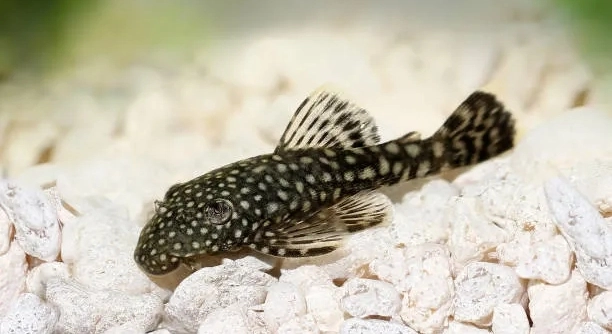
Feeding time for plecos can be a fun experience for both you and your fish. Plecos are interesting creatures, and providing an engaging feeding routine can help stimulate their natural behaviors and improve their well-being.
Feeding plecos in a way that is enjoyable for them can be achieved by offering a variety of foods and incorporating activities such as creating foraging opportunities or using feeding tools. These methods promote mental stimulation and physical activity, benefiting their health.
This article will explore some simple and creative ways to make feeding time more enjoyable for your plecos, ensuring their diet is both fun and nutritious.
Provide a Variety of Foods
A diverse diet is key to keeping your pleco happy and healthy. Different foods stimulate their appetite and provide the necessary nutrients for growth. Plecos are omnivores, so you can offer a mix of vegetables, algae wafers, and protein-rich foods like bloodworms or shrimp. Vegetables like zucchini, cucumbers, and sweet potatoes can be placed in the tank to encourage foraging, which provides both nutrition and entertainment for your fish. Make sure to rotate the food items to keep things interesting.
If your pleco refuses certain foods, don’t worry. Try introducing them in smaller amounts or adjust the texture, like lightly blanching vegetables. Over time, your pleco will become accustomed to these new foods.
Using a feeding ring or placing food in various locations in the tank can also make feeding more interactive. This encourages your pleco to move around and explore different areas, mimicking their natural behavior in the wild. A well-balanced diet that offers both variety and engagement ensures your pleco remains content and healthy.
Use Feeding Tools for Engagement
Incorporating feeding tools can help make mealtime more fun. Tools like feeding tongs, clip-on feeders, or suction cups keep the food in place and force your pleco to actively seek it.
These tools help to mimic the natural environment and feeding habits of plecos, promoting exercise and reducing stress.
Create a Feeding Schedule
Establishing a regular feeding schedule helps your pleco feel secure and reduces stress. Feeding at consistent times each day allows them to anticipate mealtimes. This predictability ensures they receive the proper amount of food without overfeeding, which can lead to water quality issues.
Plecos are nocturnal and may prefer eating at night. If you find your pleco is more active in the evening, consider adjusting the feeding time to later in the day. This can help encourage them to be more interested in the food offered.
It’s also important not to overfeed plecos, as uneaten food can quickly degrade water quality. Monitor their eating habits, and only offer the amount they can consume in a few hours. Removing excess food after a few hours ensures your pleco’s environment stays clean.
Use Foraging Stations
Foraging stations help replicate the pleco’s natural feeding behavior. You can create one by placing food in different areas of the tank or by using rocks and decorations to hide food. This encourages your pleco to search and explore.
These stations are an excellent way to enrich your pleco’s environment, as it taps into their natural instincts. Plecos are bottom feeders, so placing food in a variety of spots allows them to forage in different areas, just like they would in the wild. Foraging keeps them mentally stimulated and active.
Try Different Feeding Methods
Varying the way you feed your pleco can make mealtime more exciting. Use different tools like feeding tongs or place food in specific areas around the tank. This encourages the pleco to explore and stay active.
Another way to add variety is to use different feeding methods such as hand-feeding or using a food clip. This keeps your pleco’s routine fresh and prevents boredom. These small changes make feeding more engaging and mentally stimulating.
Offer Natural Items from the Tank
Providing natural items from the tank can add variety and interest to your pleco’s diet. Driftwood, for example, is not only an excellent source of fiber but also encourages natural behaviors like grazing. Additionally, rocks and decorations can create hiding spots for the pleco while they forage.
This method mimics their natural habitat and adds texture to their environment. Including these elements ensures they are eating more naturally and enjoying their surroundings while feeding. It also makes their feeding time more interactive and fun.
FAQ
How often should I feed my pleco?
Plecos are best fed once a day, but they can also be fed every other day depending on their size and activity level. Juveniles may require more frequent feeding, while adults can go a bit longer between meals. Make sure to provide only as much food as they can consume in a few hours to avoid water quality issues.
What foods can I feed my pleco?
Plecos are omnivores and enjoy a variety of foods, including algae wafers, vegetables like zucchini, cucumbers, and spinach, as well as protein-rich foods like bloodworms and shrimp. It’s important to offer a balanced mix to ensure they receive all the necessary nutrients.
Can I feed my pleco fruits?
While plecos can occasionally enjoy fruits like apples or pears, they should not make up the majority of their diet. Fruits are high in sugar, so they should be offered sparingly. Vegetables and algae-based foods should be the focus of their diet.
Should I feed my pleco at night?
Plecos are nocturnal, so they are more active at night. It’s a good idea to feed them in the evening or before lights out. This allows them to feed naturally during their active hours and helps ensure they get the nutrients they need.
How long can plecos go without food?
Plecos can typically survive for a few days without food, but it’s important not to skip feeding for extended periods. If you are going away, make sure to arrange for someone to feed them, or use an automatic feeder to maintain a consistent feeding schedule.
What should I do if my pleco isn’t eating?
If your pleco isn’t eating, check water quality as poor water conditions can cause loss of appetite. Also, make sure you are offering a variety of foods, and try adjusting the feeding method. Sometimes plecos need a change in food texture or location to spark interest.
Can plecos eat algae from the tank?
Yes, plecos are natural algae eaters and can consume the algae that grow in their tank. However, they may still require supplemental feeding to ensure they get enough nutrition. Algae wafers are a good option for providing extra nutrients.
Are plecos bottom feeders?
Yes, plecos are bottom feeders. They spend most of their time grazing on the bottom of the tank, feeding on algae, detritus, and any other food particles they can find. It’s essential to provide food on the substrate for them to find and enjoy.
How do I avoid overfeeding my pleco?
To prevent overfeeding, offer food only once a day and give them just enough that they can consume within a few hours. Remove any uneaten food after this time to keep water quality in check. Overfeeding can lead to poor water conditions, which can affect your pleco’s health.
Can plecos eat live plants?
Plecos may nibble on live plants, especially soft-leafed varieties, but they usually prefer to consume algae and detritus. While some plant damage may occur, it’s best to provide hardier plants, such as Anubias or Java Fern, which can tolerate plecos better.
Is it okay to feed my pleco vegetables every day?
Feeding your pleco vegetables every day is fine, as long as they are balanced with other food types. Vegetables like zucchini, cucumber, and sweet potato are healthy options. Make sure to vary the vegetables and provide protein-rich foods to keep their diet well-rounded.
Do plecos eat at the water surface?
While plecos are primarily bottom dwellers, they may occasionally swim to the surface to feed, especially if food is floating there. However, they prefer foraging near the bottom or on surfaces such as rocks, wood, and tank decorations.
Can plecos be overfed?
Yes, plecos can be overfed. Overfeeding can lead to water pollution and poor tank conditions. Only feed them what they can consume in a few hours, and always remove any leftover food promptly to maintain a clean environment for your pleco.
Do plecos need supplements?
In most cases, a well-balanced diet of algae wafers, vegetables, and occasional protein will provide plecos with the nutrients they need. However, if your pleco is not eating a variety of foods, a supplement like calcium or vitamin D can be useful, especially for their bone health.
What type of food is best for baby plecos?
Baby plecos require a high-protein diet to promote growth. You can feed them small amounts of crushed algae wafers, finely chopped vegetables, or small live foods like baby brine shrimp. Make sure the food is easy for them to consume.
Can plecos eat pellets or sticks?
Yes, plecos can eat pellets or sticks designed for bottom-feeding fish. Make sure the food is specifically formulated for plecos or other bottom-dwellers. Always check the ingredient list to ensure the food contains enough fiber and protein to meet their dietary needs.
How do I prevent pleco food from floating?
To prevent pleco food from floating, you can use feeding clips or place the food on the substrate or on decorations. If using vegetables, try blanching them before feeding. This helps sink them to the bottom where your pleco can easily find and eat them.
What is the best tank setup for plecos during feeding time?
A well-decorated tank with plenty of hiding spots and places for foraging will create an ideal feeding environment for your pleco. Adding rocks, driftwood, and plants not only provides food sources like algae but also gives your pleco a sense of security while eating.
Do plecos need a varied diet?
Yes, a varied diet is crucial to maintaining your pleco’s health. Feeding the same food repeatedly can lead to nutrient deficiencies. Offering a mix of algae, vegetables, and proteins ensures they receive a broad range of nutrients necessary for proper growth and well-being.
Final Thoughts
Feeding plecos is an essential part of keeping them healthy and happy. By offering a variety of foods and feeding methods, you can ensure that your pleco stays engaged and receives proper nutrition. Regularly providing different types of food, such as algae wafers, vegetables, and protein-rich options, will help maintain a balanced diet. Monitoring their eating habits and adjusting accordingly is key to keeping them healthy long-term.
Consistency in feeding is also important for the overall well-being of your pleco. Establishing a feeding schedule helps your pleco feel secure and reduces stress, which can positively impact their health. It’s crucial not to overfeed, as leftover food can harm the water quality and affect your pleco’s environment. Keep an eye on how much food is consumed and remove any excess after a few hours to prevent water contamination. This also promotes a cleaner and healthier habitat for your pleco.
In conclusion, creating a feeding routine that mimics the pleco’s natural behavior is beneficial in many ways. Offering them opportunities to forage and explore their environment adds mental stimulation and can make feeding time more enjoyable. Whether it’s experimenting with feeding stations, varying their food choices, or introducing different feeding tools, making mealtime fun and engaging will ensure your pleco leads a healthy, active life. By paying attention to their feeding habits, you’ll not only improve their health but also create a more vibrant and enjoyable aquarium for both you and your pleco.

Hello,
If you enjoy the content that we create, please consider saying a "Thank You!" by leaving a tip.
Every little bit helps us continue crafting quality advice that supports the health, happiness, and well-being of pets around the world, for pets of all shapes, sizes, and species.
We really appreciate the kindness and support that you show us!