
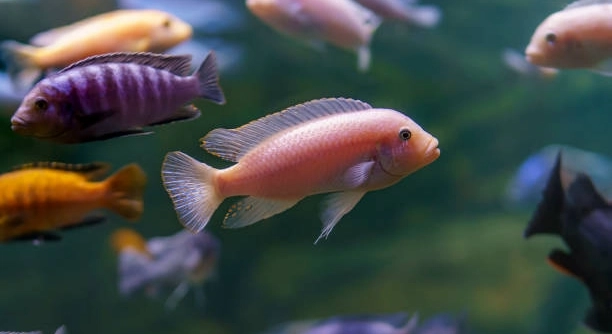
Are your convict fry growing slower than you expected in your aquarium? Many hobbyists face this issue when trying to raise healthy, vibrant fry in home tanks. Growth can be influenced by several environmental and nutritional factors.
Convict fry growth can be accelerated by optimizing water quality, maintaining stable temperatures, providing a protein-rich diet, ensuring proper tank density, and offering frequent, small feedings. Each factor contributes to overall health and faster, consistent development.
Applying these simple adjustments can make a noticeable difference in your fry’s growth. Implementing proper care practices ensures healthier, more active fish in your aquarium environment.
Maintain Optimal Water Quality
Clean, stable water is essential for convict fry growth. Frequent water changes help remove waste, excess food, and harmful chemicals that can slow development. Testing water parameters such as pH, ammonia, nitrite, and nitrate ensures the environment stays within safe limits. Fry are particularly sensitive to sudden changes, so gradual adjustments are important. Using a sponge filter reduces strong currents while still providing necessary oxygen. Avoid overcrowding, as this increases stress and accelerates waste accumulation, both of which negatively impact growth. A consistent maintenance schedule supports healthy water conditions and promotes stronger, faster-growing fry.
Proper water quality minimizes stress and supports immune health, allowing fry to grow efficiently in a stable environment without unnecessary setbacks.
Monitoring water temperature, hardness, and chemical levels alongside routine changes is crucial. Even minor fluctuations can slow fry metabolism and digestion. Using gentle filtration, combined with careful observation, ensures the tank remains safe and productive. Over time, fry in well-maintained water exhibit better coloration, activity levels, and survival rates. Investing in consistent water care creates a thriving environment where fry can reach maturity faster and with fewer health issues.
Provide a Protein-Rich Diet
High-protein foods are essential for rapid growth.
Protein fuels cell development, organ formation, and energy for active swimming. Feeding small, frequent meals of finely crushed flakes, baby brine shrimp, or specialized fry food ensures consistent nutrient intake. A varied diet prevents deficiencies, supports immunity, and enhances coloration. Avoid overfeeding, which pollutes the tank and increases stress. Observing feeding behavior allows adjustment of portions to match fry appetite, maximizing growth potential. Consistent high-quality nutrition is one of the fastest ways to see measurable growth in convict fry.
A balanced, protein-rich diet also improves digestion, reduces mortality, and strengthens fry resilience. Combining live and prepared foods ensures essential amino acids and vitamins are available. Rotating food types prevents boredom and promotes more natural foraging behavior. Over weeks, fry fed this way develop stronger bodies, faster growth rates, and improved survival. This method creates an optimal nutritional foundation, helping fry transition smoothly to juvenile and adult stages while maintaining vibrant coloration and energy. Proper feeding schedules, portion control, and varied protein sources together create conditions for maximum growth efficiency.
Maintain Stable Temperature
Convict fry grow best in a consistent temperature range of 78–82°F. Sudden fluctuations can slow metabolism and stress the fry, impacting growth. Using a reliable heater and thermometer ensures stability in the tank environment.
Temperature directly affects fry activity and digestion. When water is too cold, their metabolism slows, reducing appetite and growth rates. Too warm, and oxygen levels drop, which can cause lethargy and increase vulnerability to disease. Maintaining a stable temperature supports consistent feeding behavior and energy levels, allowing fry to grow efficiently. It also reduces stress, which is critical for young fish development, ensuring that growth occurs steadily without interruptions caused by environmental instability.
Gradual adjustments are safer than sudden changes. If moving fry between tanks or correcting temperature, increase or decrease by no more than 1–2°F per day. Combine this with monitoring water chemistry and filtration to create a stable, healthy environment. Fry kept in stable conditions display faster growth, better coloration, and stronger survival, making careful temperature management an essential part of raising convict fry.
Avoid Overcrowding
Too many fry in one tank can limit growth and increase stress. Adequate space allows proper swimming and reduces competition for food.
Overcrowding leads to poor water quality, increased aggression, and stunted growth. Fry need room to explore and access food without constant competition. Keeping numbers appropriate for tank size ensures each fry receives enough nutrition and oxygen. Observing behavior helps identify if the tank is becoming too crowded, allowing timely intervention.
Separating fry into smaller groups or using partitioned tanks can improve survival rates and growth speed. Adequate space reduces stress hormones that slow development, while promoting natural behavior. Larger areas also allow waste to disperse, making filtration more effective and reducing harmful chemical buildup. Fry in spacious conditions feed more evenly, swim actively, and develop stronger immune systems. Balancing numbers with tank size is one of the most effective ways to support healthy growth, ensuring fry reach juvenile stages faster and with fewer complications.
Provide Frequent, Small Feedings
Feeding fry multiple times a day ensures constant nutrient availability. Small portions prevent leftover food from polluting the tank while keeping fry energy levels high.
Frequent feedings support faster metabolism and steady growth. Fry digest small meals more efficiently, reducing waste buildup. This method encourages active swimming and proper development.
Use Live Foods
Live foods such as baby brine shrimp or microworms promote natural hunting behavior. They provide high protein and essential nutrients that accelerate growth. Fry respond well to movement, increasing feeding efficiency and stimulating appetite.
Monitor Fry Health
Regular observation helps detect early signs of illness or stress. Prompt action prevents growth delays and improves survival rates.
How quickly do convict fry grow?
Convict fry growth varies depending on water quality, temperature, diet, and tank conditions. Under optimal circumstances, fry can reach 1 inch in length within 4–6 weeks. Growth may slow if any environmental or nutritional factors are inconsistent. Maintaining stability is key to predictable growth rates.
What type of food is best for convict fry?
High-protein foods like baby brine shrimp, microworms, and finely crushed flakes are ideal. A mix of live and prepared foods ensures balanced nutrition. Small, frequent feedings maximize digestion and reduce waste accumulation in the tank, supporting healthier, faster-growing fry.
How often should I feed convict fry?
Fry thrive on multiple small feedings throughout the day. Providing food three to five times daily ensures they have a steady nutrient supply. Overfeeding in one sitting can pollute water and stress fry, slowing growth. Portion control is critical for tank health.
Does tank size affect fry growth?
Yes, overcrowding limits space for swimming, reduces oxygen availability, and increases stress. Fry grow best when given adequate room. Partitioning or using separate tanks for smaller groups allows fair access to food, reduces aggression, and supports consistent development.
What temperature is ideal for convict fry?
Maintaining a temperature between 78–82°F promotes proper metabolism and activity levels. Sudden fluctuations can reduce feeding efficiency and growth. Using a reliable heater and thermometer ensures stability and reduces stress, allowing fry to grow steadily.
How important is water quality?
Water quality directly impacts fry survival and growth. Regular testing for ammonia, nitrites, nitrates, and pH ensures a safe environment. Frequent water changes and gentle filtration reduce toxins and support healthy development. Poor water quality slows metabolism and can cause deformities or death.
Can I use live plants in a fry tank?
Live plants provide hiding spots and improve water quality by absorbing nitrates. They also reduce stress by offering shelter and help fry feel secure. However, dense plantings may make feeding difficult, so balance coverage with open swimming areas.
Do fry need aeration?
Yes, gentle aeration ensures proper oxygen levels, supporting metabolism and activity. Sponge filters are ideal as they create minimal current while maintaining water flow. Strong currents can tire fry and hinder feeding, slowing growth.
When should I start feeding fry prepared food?
Prepared fry foods can be introduced after the first week, once fry are actively swimming and able to consume small particles. Combining live and prepared foods improves nutrition and helps fry transition smoothly to solid diets as they grow.
How can I prevent stunted growth?
Avoid overcrowding, maintain stable temperature, provide high-quality food, and monitor water quality. Regular observation helps identify stress, illness, or competition for food. Addressing these factors promptly ensures fry develop evenly, achieving their full growth potential.
Is it necessary to separate fry from adults?
Yes, adult convict cichlids may eat fry or outcompete them for food. Keeping fry in a separate tank or using a breeding box increases survival and growth rates while minimizing stress from larger fish.
How long until fry reach juvenile size?
With proper care, convict fry can reach juvenile size, roughly 2–3 inches, in 8–10 weeks. Growth speed depends on diet, tank conditions, and water quality. Consistent maintenance and nutrition allow fry to develop efficiently and remain healthy.
Can water changes affect growth?
Yes, regular, partial water changes remove toxins and stabilize conditions. Sudden, large changes can stress fry and slow growth, so gradual adjustments are recommended. Maintaining clean water supports metabolism, feeding efficiency, and overall development.
What signs show fry are healthy?
Active swimming, regular feeding, even growth, and vibrant coloration indicate healthy fry. Lethargy, erratic swimming, or poor appetite may signal water issues, disease, or nutritional deficiencies, which can delay growth if not addressed promptly.
How long should I keep fry in a separate tank?
Fry should remain separate until they are large enough to avoid predation and compete successfully for food, usually around 2–3 inches. At this stage, they can safely join community or adult tanks without risking stunted growth or loss.
Can lighting affect fry growth?
Moderate lighting supports feeding and plant growth without stressing fry. Intense or constant light can increase algae growth and stress, while too little light may reduce appetite. A balanced day-night cycle helps fry maintain activity and healthy development.
What is the best way to transition fry to adult food?
Gradually introduce slightly larger flakes or pellets while continuing live food. Reducing live food over weeks allows fry to adjust to solid diets, supporting consistent nutrition and preventing sudden growth slowdowns. Monitor feeding to ensure all fry adapt successfully.
How important is observation for fry care?
Daily observation allows early detection of stress, illness, or growth issues. Watching feeding behavior, swimming patterns, and coloration helps identify problems before they become serious, ensuring fry remain healthy and grow at the expected rate.
Can stress slow growth in convict fry?
Yes, stress from overcrowding, poor water quality, or aggressive tankmates reduces metabolism, appetite, and immunity. Minimizing stress through proper tank conditions, stable temperature, and careful feeding is essential for fast, healthy growth.
How do I know if fry are ready to be sold or moved?
Fry should be strong, actively feeding, and roughly 2–3 inches long. Consistent coloration and swimming behavior indicate readiness for transfer. Ensuring proper growth and health before moving reduces mortality and supports long-term survival.
What is the most common mistake in raising convict fry?
Overfeeding, overcrowding, and ignoring water quality are the main issues. Each factor slows growth, increases mortality, and causes stress. Consistent care, proper nutrition, and monitoring tank conditions prevent these problems, allowing fry to develop quickly and healthily.
Can fry grow faster with supplements?
High-quality vitamins and mineral supplements can support development if used correctly. Overuse may harm water quality and fry health. Balanced, natural feeding combined with supplements provides essential nutrients for faster growth without negative side effects.
How can I reduce mortality during early stages?
Maintain stable water conditions, avoid overcrowding, provide adequate nutrition, and monitor for disease. Separating fry from adults and providing hiding spaces also reduces risk. Early intervention and consistent care are key to improving survival rates in the first weeks.
Are there signs of stunted fry?
Fry that remain small, show uneven growth, or have weak swimming ability may be stunted. Poor coloration and low activity also indicate issues. Identifying and correcting environmental or nutritional deficiencies early can help mitigate stunted development.
How long does it take for fry to reach breeding size?
Convict fry can reach breeding size, around 3–4 inches, in 3–4 months with optimal care. Growth depends on diet, water conditions, and space. Providing consistent nutrition and a stress-free environment ensures timely development to sexual maturity.
What is the best way to prevent disease in fry?
Clean water, proper nutrition, and avoiding overcrowding reduce disease risk. Quarantining new fish and monitoring behavior also help. Healthy fry grow faster and are less prone to infection when their environment is well-managed.
How often should I clean a fry tank?
Partial water changes every 2–3 days, along with gentle substrate cleaning, maintain water quality. Avoid disturbing fry during cleaning, and monitor chemical levels to ensure the environment remains safe for rapid growth.
Can tank decorations affect fry growth?
Yes, decorations provide hiding spaces and reduce stress but should not overcrowd the tank. Too many decorations can limit swimming and feeding areas. A balanced setup supports natural behavior, reduces stress, and allows fry to grow efficiently.
Is it necessary to track fry growth?
Tracking growth helps identify problems early and adjust care. Measuring or observing size increases ensures diet, temperature, and water conditions are supporting healthy development and prevents unnoticed delays in growth.
How important is tank lighting for fry feeding?
Moderate lighting encourages feeding activity without stressing fry. Proper lighting highlights food movement and promotes natural behavior, ensuring fry consume enough nutrition for healthy growth and development.
Can different water pH levels affect growth?
Yes, fry grow best in slightly alkaline conditions, around pH 7–8. Extreme pH fluctuations can stress fry, reduce appetite, and slow growth. Monitoring and maintaining stable pH supports metabolism and overall health.
How do I handle uneaten food?
Remove uneaten food promptly to prevent water pollution. Excess food increases ammonia and nitrate levels, stressing fry and slowing growth. Using small, frequent feedings minimizes leftovers and maintains tank cleanliness.
What is the role of tank mates in fry growth?
Fry should avoid aggressive or larger tankmates that compete for food. Peaceful or species-specific tanks prevent stress, promote even feeding, and allow fry to grow consistently without interference.
How can I encourage natural behavior in fry?
Providing live food, hiding spaces, and gentle currents stimulates swimming, hunting, and exploration. Active fry develop muscles, coordination, and stronger immune systems, all of which support faster growth.
Should I adjust feeding as fry grow?
Yes, gradually increase portion size and particle size as fry grow. This ensures continued nutrition and supports metabolic needs without overfeeding, maintaining steady growth and minimizing waste buildup.
How do I know if fry are stressed?
Signs include erratic swimming, hiding constantly, loss of appetite, and pale coloration. Addressing water quality, overcrowding, and diet helps reduce stress and supports consistent growth.
Can genetics influence growth rate?
Yes, some fry may naturally grow faster or slower due to genetics. While care impacts overall health, inherent differences in growth rate are normal among sibling fry. Proper care maximizes each fry’s potential.
How do I prevent fungal infections in fry?
Maintaining clean water, avoiding overfeeding, and removing dead fry promptly reduces fungal risk. Mild antifungal treatments may be used if necessary, ensuring fry remain healthy and continue growing efficiently.
Can fry survive without live food?
Yes, but growth may be slower if only dry or prepared foods are used. Combining live and prepared foods ensures higher protein intake, better nutrition, and faster development.
What is the ideal water hardness for fry?
Slightly hard water, around 6–12 dGH, supports proper bone and organ development. Extremely soft or very hard water can stress fry and slow growth, so monitoring and adjusting hardness is important for optimal development.
How important is consistency in care?
Daily observation, regular feedings, and stable environmental conditions are crucial. Consistent care ensures steady growth, reduces stress, and minimizes health issues, giving fry the best chance to thrive.
Can stress from handling affect growth?
Yes, frequent or rough handling increases cortisol levels, reducing metabolism and appetite. Minimal handling and careful observation reduce stress, supporting consistent growth and overall health in fry.
How can I support fry during molting or early development stages?
Provide high-protein food, stable water, and a safe environment. Avoid sudden changes in temperature, pH, or tank setup. Supporting fry during sensitive stages ensures proper development and faster growth into juvenile fish.
How do I know when fry are ready for community tanks?
Once fry are strong, actively feeding, and roughly 2–3 inches long, they can be moved. Adequate size reduces predation risk, and healthy development ensures they can compete for food without stress.
What is the best way to acclimate fry to new water?
Gradually introduce small amounts of new water over several hours. Sudden changes in temperature, pH, or hardness can stress fry, slow growth, and increase mortality. Slow acclimation supports health and adaptation.
How long should I continue monitoring fry after they reach juvenile stage?
Continue observation until fry demonstrate consistent feeding, growth, and behavior. Monitoring ensures they remain healthy, continue developing properly, and adapt successfully to adult conditions or community tanks.
What is the effect of poor filtration on fry growth?
Inadequate filtration allows waste buildup, reduces oxygen, and increases stress. Fry may become weak, eat less, and grow slowly. Effective filtration supports stable water quality, oxygen levels, and overall development.
Can water additives help growth?
Trace elements and minerals may support development if used correctly. Overuse can harm water quality. Balanced supplementation alongside proper feeding and tank care ensures healthy, faster-growing fry.
How do I prevent fry from eating each other?
Provide enough space, food, and hiding spots. Overcrowding or insufficient nutrition increases cannibalism. Proper tank management reduces stress and ensures each fry has the chance to grow safely.
How important is a feeding schedule?
Regular feeding times condition fry to eat consistently and support stable growth. Irregular feeding can cause stress, uneven development, and competition for food, slowing overall growth rates.
Can temperature changes affect fry appetite?
Yes, cold water slows metabolism, reducing feeding and growth. Too warm water can stress fry and decrease oxygen levels. Maintaining a consistent temperature ensures optimal appetite and energy for growth.
What is the recommended number of fry per gallon?
A common guideline is 1–2 fry per gallon, depending on filtration and hiding spaces. Maintaining proper density prevents overcrowding, reduces stress, and ensures access to food, supporting consistent growth.
How does water current impact fry growth?
Gentle currents promote oxygenation without tiring fry. Strong currents force fry to expend energy swimming, reducing feeding efficiency and slowing growth. Sponge filters and low-flow setups are ideal.
Should I separate sick fry immediately?
Yes, isolating sick fry prevents disease spread and reduces stress on healthy fry. Prompt treatment and quarantine improve survival rates and support overall growth.
Can seasonal changes affect fry growth?
Seasonal temperature or light fluctuations can impact metabolism and feeding behavior. Maintaining stable tank conditions regardless of season ensures consistent growth and reduces stress-related issues.
Is tank cover important for fry?
Yes, lids prevent fry from jumping and reduce evaporation. A secure cover maintains water stability and protects fry from external disturbances, supporting a safe environment for growth.
Can water color or clarity affect fry growth?
Clear water helps fry locate food and reduces stress. Excessive tannins or algae can obscure visibility, limit feeding efficiency, and impact development, so maintaining clarity supports healthier growth.
How often should I check water parameters?
Daily or every other day during early development ensures ammonia, nitrite, nitrate, pH, and temperature remain stable. Regular monitoring prevents stress and growth delays in fry.
Can fry adapt to tap water?
Yes, if dechlorinated and adjusted to proper pH and hardness. Gradual introduction and careful monitoring prevent stress and allow fry to grow safely in tap water.
What are signs of uneven growth in a fry group?
Some fry may appear smaller, weaker, or less active. Uneven feeding, stress, or genetics can cause this. Adjusting feeding, space, and care improves uniform growth across the group.
Can stress from tank cleaning affect fry?
Yes, sudden or rough cleaning increases stress. Using gentle techniques, partial water changes, and avoiding direct disturbance minimizes impact, allowing fry to grow steadily.
How do I encourage proper swimming behavior?
Provide open swimming space, gentle currents, and hiding spots. Active swimming strengthens muscles, supports feeding efficiency, and promotes healthy growth.
Is it necessary to remove uneaten live food?
Yes, leftover live food can decay, polluting water. Remove uneaten portions promptly to maintain water quality, reduce stress, and support healthy fry growth.
Can water aeration prevent stunted growth?
Yes, adequate oxygen supports metabolism and energy levels. Poor aeration reduces appetite and slows growth, so gentle aeration is essential for fry development.
What is the effect of overcrowded tanks on fry coloration?
Stress from overcrowding can dull coloration. Fry in spacious, low-stress environments develop brighter colors as they grow, reflecting better overall health.
How do I prevent nutrient deficiencies in fry?
Provide varied, high-protein diets, including live and prepared foods. Supplements may help if used carefully. Balanced nutrition supports strong growth, healthy development, and vibrant coloration.
Can fry survive temperature below 75°F?
Growth slows significantly below 75°F. Prolonged exposure can weaken fry, reduce feeding, and increase mortality. Maintaining stable, warm temperatures is critical for proper development.
How important is gradual tank acclimation for new fry?
Slow acclimation prevents stress from changes in temperature, pH, and hardness. Gradual adjustment improves survival, appetite, and growth, ensuring fry remain healthy in a new environment.
Does water hardness affect fry coloration?
Yes, suitable hardness supports proper mineral uptake, which contributes to strong bone development and vibrant coloration. Imbalanced hardness can stress fry and slow growth.
What is the role of hiding spaces in fry growth?
Hiding spots reduce stress, prevent aggression, and allow fry to feed at their own pace. Stress-free fry grow faster and develop stronger immune systems.
How often should I observe fry behavior?
Daily observation identifies feeding issues, stress, or disease early. Prompt response ensures consistent growth and healthy development, reducing the risk of stunted fry.
Can fry growth be affected by lighting duration?
Yes, too much or too little light impacts feeding and activity. A balanced day-night cycle supports metabolism, appetite, and steady growth.
What is the best method to prevent disease outbreaks?
Clean water, proper nutrition, adequate space, and quarantine of new additions reduce disease risk. Healthy fry grow faster and survive longer in a well-maintained environment.
Should I adjust pH gradually if it is off?
Yes, sudden pH changes stress fry and slow growth. Gradual adjustments ensure stability, protect health, and maintain proper metabolism and feeding behavior.
Can fry survive in slightly brackish water?
Mildly brackish water may be tolerated for some species, but convict fry prefer freshwater. Consistency in water conditions ensures optimal growth and reduces stress.
Is it okay to mix fry from different clutches?
Mixing is possible if space and food are sufficient. Monitor behavior and growth to prevent aggression and competition, ensuring even development across all fry.
How can I prevent algae overgrowth in fry tanks?
Control light exposure, avoid overfeeding, and maintain proper filtration. Excess algae can reduce visibility and compete for oxygen, affecting fry growth and health.
What is the effect of high nitrate levels on fry?
High nitrates slow growth, weaken immunity, and increase stress. Regular water changes and monitoring prevent buildup, ensuring healthy, fast-growing fry.
Can stress from predators affect fry growth?
Yes, even the presence of larger, aggressive fish nearby increases stress. Separate tanks or partitions protect fry, allowing them to feed properly and grow efficiently.
How do I handle sick fry without affecting healthy ones?
Quarantine sick fry immediately. Treating them separately prevents disease spread and reduces stress on healthy fry, ensuring continued growth for the rest of the group.
Raising convict fry requires attention to multiple factors that influence growth and overall health. Water quality is the foundation of a successful tank, as fry are highly sensitive to changes in ammonia, nitrite, nitrate, and pH levels. Regular testing and consistent water changes help maintain a stable environment. Temperature stability is equally important, as fluctuations can slow metabolism and reduce appetite. Using a reliable heater and thermometer ensures the water remains within the optimal range. Filtration should be gentle enough to avoid stressing the fry while still keeping the water clean and oxygenated. Balancing these environmental factors creates a safe and supportive space where fry can grow steadily without unnecessary setbacks.
Nutrition plays a critical role in supporting rapid growth and development. High-protein foods such as baby brine shrimp, microworms, and finely crushed flakes provide essential amino acids and vitamins. A combination of live and prepared foods ensures that fry receive balanced nutrition while promoting natural hunting and feeding behaviors. Small, frequent meals help prevent leftover food from polluting the tank and allow fry to digest nutrients efficiently. Monitoring feeding habits and adjusting portions according to the fry’s appetite is necessary to avoid overfeeding or underfeeding. A varied diet not only accelerates growth but also strengthens the fry’s immune system, making them more resilient to stress and disease.
Finally, proper care involves consistent observation and careful management of tank conditions. Avoiding overcrowding, providing hiding spaces, and separating fry from adults or aggressive tankmates reduces stress and competition for food. Tracking growth and monitoring behavior allows early detection of health issues, stunted growth, or environmental problems. Gradual adjustments in water chemistry, feeding practices, or tank setup prevent shock and ensure fry continue developing properly. By combining stable environmental conditions, balanced nutrition, and careful observation, convict fry can grow efficiently into strong, healthy juveniles. Consistency and attention to detail are essential to ensure they thrive, develop vibrant coloration, and reach their full potential in a home aquarium setting.

Hello,
If you enjoy the content that we create, please consider saying a "Thank You!" by leaving a tip.
Every little bit helps us continue crafting quality advice that supports the health, happiness, and well-being of pets around the world, for pets of all shapes, sizes, and species.
We really appreciate the kindness and support that you show us!