
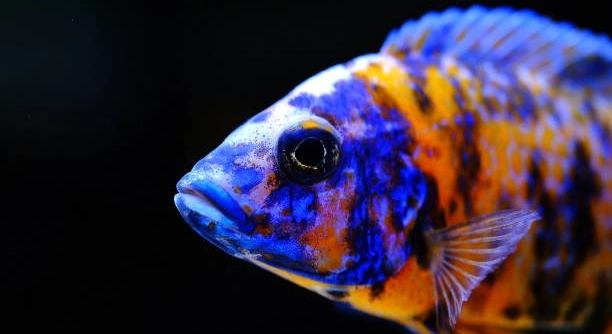
Breeding cichlids can be a rewarding experience for many aquarium enthusiasts. Creating a natural environment helps promote healthier fish and more successful breeding outcomes. This article explores ways to make the breeding process closer to their natural habits.
To make breeding cichlids more natural, it is important to replicate their environment and behaviors. This includes adjusting water conditions, providing suitable substrates, creating hiding spaces, and offering appropriate diet and lighting. Such measures encourage natural spawning and parental care.
Applying these strategies will improve the well-being of your cichlids and enhance breeding success. The following sections outline practical steps for a more natural breeding setup.
Creating a Suitable Environment
Setting up the right environment is essential for encouraging natural breeding behavior in cichlids. Begin by ensuring the water parameters match those of their natural habitat. This means maintaining the correct temperature, pH, and hardness levels. Most cichlids prefer slightly alkaline water with temperatures between 75 and 82°F. Adding natural elements like rocks, caves, and plants can provide hiding spots and territories, which reduce stress and encourage breeding. A sandy or fine gravel substrate is often best, as many cichlids like to dig or lay eggs on such surfaces. Proper filtration and regular water changes keep the environment clean and healthy. Consistency in water conditions helps fish feel secure and ready to spawn.
A natural environment supports fish health and stimulates breeding instincts effectively.
Replicating natural conditions reduces stress and promotes behaviors necessary for breeding. Proper substrate and hiding places mimic their native habitat. Adjusting water chemistry and temperature encourages spawning. Clean water maintains health and supports fry development. These elements together create a nurturing breeding space.
Providing a Balanced Diet
Offering a diet that mimics what cichlids eat in the wild plays a crucial role in their breeding readiness. Feeding high-quality live or frozen foods such as brine shrimp, bloodworms, and daphnia provides essential nutrients that help condition the fish for spawning. Supplement this with good-quality flakes or pellets to maintain overall health. Variety in diet prevents nutritional deficiencies and encourages better coloration and vitality. Avoid overfeeding to keep water quality stable, which is also important for breeding success. Feeding smaller amounts multiple times a day is better than a single large feeding.
Proper nutrition supports healthy eggs and stronger fry survival.
A balanced diet improves fertility and overall breeding success. Live and frozen foods offer vital proteins and nutrients needed for egg production. Regular feeding schedules keep fish in prime condition. Good nutrition combined with a natural environment ensures a healthier breeding process and stronger offspring.
Managing Water Quality
Maintaining excellent water quality is vital for natural breeding. Regular water changes and proper filtration keep toxins low and oxygen levels high, which supports healthy fish and fry development.
Water quality directly affects breeding success. Frequent partial water changes, about 20-30% weekly, help remove harmful waste and maintain stable parameters. Using a good filter suited for your tank size ensures adequate circulation and oxygenation. Avoid harsh chemical treatments or sudden changes in water chemistry, as cichlids are sensitive to fluctuations. Testing water regularly for pH, ammonia, nitrite, and nitrate levels helps catch problems early. Stable, clean water conditions encourage natural spawning behaviors and reduce stress on the fish.
Stable water quality also benefits the fry by providing a clean environment that promotes growth. Proper filtration prevents buildup of harmful substances that can harm eggs or young fish. Oxygen-rich water supports healthy metabolism and immune function, ensuring both adults and offspring thrive. Consistency in maintenance routines helps sustain this balance, creating the ideal conditions for breeding.
Encouraging Natural Behavior
Using environmental cues to encourage natural behavior improves breeding results. Adjusting light cycles and providing appropriate hiding spots simulate conditions cichlids experience in the wild.
Light cycles influence breeding by mimicking natural day and night rhythms. Gradually increasing daylight hours can trigger spawning instincts. Providing dense plant cover or caves offers safe areas for territorial and nesting behaviors. These spaces reduce aggression and allow pairs to establish breeding sites. Observing your fish’s behavior helps identify when they are ready to breed, as they become more territorial and display courtship actions. Mimicking seasonal changes in the tank environment can also encourage natural cycles. These small adjustments support healthier breeding patterns and stronger parental care.
Choosing Compatible Pairs
Selecting compatible pairs reduces stress and increases the chance of successful breeding. Fish with similar size and temperament generally get along better and are more likely to mate naturally.
Avoid mixing overly aggressive or passive fish, as this can cause conflicts. Observing interactions before pairing helps identify suitable mates.
Monitoring Spawning Behavior
Watching for signs like nest building, cleaning of surfaces, and increased territoriality helps track breeding progress. These behaviors indicate readiness to spawn and allow timely adjustments to the environment.
Handling Fry Carefully
Once eggs hatch, handling fry with care is essential. Avoid disturbing the tank excessively to reduce stress on both parents and young fish.
Minimize water flow near fry areas and keep water clean to ensure their survival and growth.
FAQ
How do I know if my cichlids are ready to breed?
Cichlids show clear signs when ready to breed. They become more territorial, often defending specific areas or nests. You may notice them cleaning flat surfaces like rocks or glass for egg-laying. Males tend to display brighter colors and perform courtship dances. Females might dig in the substrate to prepare spawning sites. These behaviors usually happen after the fish are conditioned with good water quality and nutrition.
What is the best water temperature for breeding cichlids?
Most cichlids breed best in water temperatures between 75 and 82°F (24-28°C). Maintaining a stable temperature within this range encourages natural spawning. Sudden changes can stress the fish and delay breeding. It’s important to use a reliable heater and thermometer to keep the temperature steady.
How often should I change the water during breeding?
Regular water changes are crucial, but avoid drastic changes. Changing 20-30% of the water once a week is generally recommended. This keeps ammonia and nitrite levels low without shocking the fish. Use dechlorinated water matching the tank’s temperature and chemistry to avoid stressing the breeding pair.
Should I separate the breeding pair from other fish?
Separating breeding pairs is often beneficial. Other fish can stress the breeding pair or eat eggs and fry. A separate breeding tank or a well-planned community tank with plenty of hiding spots can help. If separation isn’t possible, providing secure hiding places and monitoring closely can protect the breeding process.
What type of substrate is best for breeding cichlids?
Fine sand or smooth gravel is preferred. Many cichlids like to dig and prepare nesting areas. These substrates allow natural behaviors and protect delicate eggs from damage. Avoid sharp or rough substrates that could harm eggs or fry. The substrate should be clean and free from toxins.
How can I encourage parental care in cichlids?
Creating a calm, stress-free environment encourages parental care. Provide hiding spots and avoid overcrowding the tank. Keep water quality high and maintain consistent conditions. Avoid sudden changes and limit disturbances. Healthy, well-fed fish are more likely to protect and care for their eggs and fry.
What should I feed fry once they hatch?
Fry need very small, nutritious food. Infusoria, newly hatched brine shrimp, and finely crushed flakes are good options. Feed small amounts multiple times a day to prevent water pollution. As fry grow, gradually introduce larger foods to support development.
How long does it take for cichlid eggs to hatch?
Eggs typically hatch within 3 to 7 days, depending on species and water temperature. Warmer water speeds up development. During this time, parents usually guard the eggs closely. Avoid disturbing the tank to increase hatching success.
Can cichlids breed multiple times in a year?
Yes, many cichlids can breed several times a year if conditions are right. Stable water quality, proper diet, and low stress support repeated spawning. However, allow time for recovery between breeding cycles to keep the fish healthy.
What are common problems during breeding?
Stress, poor water quality, and incompatible pairs often cause breeding failures. Overcrowding and lack of hiding places can increase aggression. Eggs may get eaten if parents feel threatened. Monitoring conditions and adjusting the environment helps prevent these issues and promotes natural breeding behavior.
Final Thoughts
Breeding cichlids in a natural way takes attention to detail and patience. Providing an environment that closely matches their natural habitat encourages healthier behavior and better breeding success. This includes maintaining proper water conditions, offering suitable substrates, and creating hiding places that allow fish to express their natural instincts. These factors help reduce stress, which is important for both adult fish and their offspring. It is clear that a natural approach benefits not only the breeding process but also the overall well-being of the cichlids.
Feeding a balanced diet that includes live or frozen foods alongside quality pellets is another important aspect of natural breeding. Proper nutrition strengthens the fish and prepares them for spawning. It also supports the growth of fry, improving their chances of survival. Attention to water quality and regular maintenance ensures a healthy environment, free from harmful toxins. Maintaining consistency with temperature, pH, and cleanliness helps keep fish comfortable and ready to breed naturally. These steps together create a stable setting that supports all stages of breeding.
Lastly, observing your fish and understanding their behavior plays a key role in successful breeding. Recognizing signs like nest building, courtship, and territorial actions helps you respond with appropriate changes in their environment. Avoiding disturbances and providing safe spaces allows cichlids to care for their eggs and fry properly. Patience is important because breeding naturally does not always happen quickly. Giving your fish the time and conditions they need will result in healthier, more successful breeding outcomes. Following these guidelines can make breeding cichlids a rewarding and enjoyable experience.

Hello,
If you enjoy the content that we create, please consider saying a "Thank You!" by leaving a tip.
Every little bit helps us continue crafting quality advice that supports the health, happiness, and well-being of pets around the world, for pets of all shapes, sizes, and species.
We really appreciate the kindness and support that you show us!