
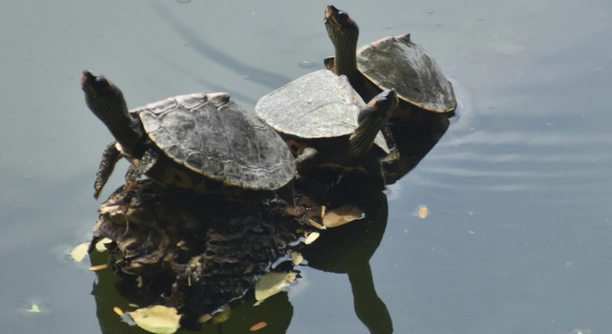
Do you ever find yourself wondering if your Indian roofed tortoise is getting all the nutrients it needs? Providing a balanced diet is essential for their health, ensuring they grow strong and maintain their energy levels throughout their life.
The best way to balance an Indian roofed tortoise’s diet is by offering a mix of leafy greens, vegetables, fruits, and high-fiber foods. Calcium supplements and occasional protein sources can also help meet their nutritional requirements and prevent deficiencies.
From selecting the right greens to understanding the role of supplements, these tips will help you create a well-rounded diet for your tortoise.
Offer a Variety of Leafy Greens
Leafy greens are essential for your Indian roofed tortoise. They provide fiber, vitamins, and minerals that support digestion and overall health. Dark, leafy greens like dandelion greens, collard greens, and mustard greens are excellent choices. These greens contain calcium, which helps maintain strong shells and bones. Avoid feeding iceberg lettuce, as it lacks nutrients and can cause digestive issues. Rotate different greens each week to ensure a balanced intake of nutrients. Washing all greens thoroughly before feeding removes pesticides and chemicals that could be harmful. Freshness is important, so always choose crisp, vibrant leaves.
Stick to organic greens when possible, as they are free from harmful pesticides. If organic options are unavailable, soaking greens in water for a few minutes before rinsing can help remove residues. Cutting the greens into bite-sized pieces makes it easier for your tortoise to eat without struggling.
By including a variety of leafy greens, you ensure your tortoise gets diverse nutrients. This simple step prevents deficiencies and keeps their diet interesting. A well-fed tortoise is more active, alert, and healthy.
Add Safe Vegetables
Vegetables add important nutrients to your tortoise’s diet. Some of the best choices include bell peppers, squash, and carrots, as they are packed with vitamins. Feed a mix of colors to provide different nutrients.
Chopping vegetables into small pieces makes them easier to eat. Some vegetables, like carrots, can be grated for better digestion. Sweet potatoes are another great option, but they should be cooked before feeding. Avoid starchy vegetables like potatoes and corn, as they are too high in carbohydrates. Tomatoes can be given occasionally but in small amounts due to their acidity. Variety is key, so rotate different vegetables weekly.
Feeding vegetables in moderation prevents digestive issues. Overfeeding certain vegetables, like spinach, can lead to calcium absorption problems. Mixing vegetables with leafy greens ensures a balanced diet. Always remove uneaten food to keep the enclosure clean and prevent spoilage. Keeping a close eye on what your tortoise eats helps maintain their overall health.
Include Fruits in Moderation
Fruits should be given occasionally as a treat. They contain natural sugars, which can be harmful in large amounts. Safe options include papaya, mango, and berries. Avoid citrus fruits, as their acidity can cause digestive discomfort for your tortoise. Always remove seeds before feeding.
Chop fruits into small, manageable pieces to prevent choking. Feeding fruit once or twice a week is enough to provide variety without causing health issues. Watermelon and cucumbers have high water content, which helps with hydration. However, they should be given in small portions to avoid loose stools. Overfeeding fruit can lead to an unbalanced diet, so keep portions controlled.
Fresh, ripe fruits are the best choice. Avoid dried fruits, as they contain concentrated sugars. Mixing small fruit pieces with leafy greens can make meals more enjoyable. This approach keeps their diet balanced while adding a bit of natural sweetness.
Provide Calcium and Vitamin Supplements
Calcium is necessary for strong bones and a healthy shell. Without enough calcium, tortoises can develop soft shells or metabolic bone disease. A light dusting of calcium powder on their food two to three times a week helps prevent deficiencies. Choose a supplement without phosphorus for the best results.
Vitamin supplements support overall health, but they should be used carefully. Too many vitamins, especially vitamin D, can be harmful. A multivitamin designed for reptiles can be given once a week. Natural calcium sources like cuttlebone can also be placed in the enclosure for your tortoise to nibble on. If your tortoise spends time outdoors, natural sunlight helps them absorb calcium effectively.
Balanced supplementation ensures your tortoise stays healthy. Without the right nutrients, they may experience slow growth, weakness, or shell deformities. Regularly monitoring their diet and adjusting supplements as needed helps maintain their well-being. Proper care leads to a strong, active tortoise with a long lifespan.
Offer Occasional Protein Sources
Animal protein is not a primary food for Indian roofed tortoises, but they can benefit from small amounts. Earthworms, mealworms, and boiled eggs are good options. Feeding protein once or twice a month supports growth without disrupting their natural diet. Avoid processed meats or high-fat protein sources.
Too much protein can cause shell deformities and kidney issues. Stick to natural sources and offer them in moderation. If your tortoise spends time outdoors, they may occasionally eat insects on their own. Keeping their diet mostly plant-based ensures they get the right balance of nutrients without unnecessary health risks.
Ensure Proper Hydration
Fresh water should always be available in a shallow dish. Tortoises also absorb moisture through soaking, so provide a shallow water area where they can sit. Soaking them twice a week helps keep their skin hydrated and supports digestion.
Avoid Toxic Foods
Certain foods can be harmful and should never be fed. Avoid onions, garlic, rhubarb, and avocado, as they contain toxins dangerous to tortoises. Processed foods, bread, and dairy products should also be avoided. Sticking to safe, natural foods keeps their diet healthy and prevents serious health issues.
FAQ
How often should I feed my Indian roofed tortoise?
Indian roofed tortoises typically need to be fed once a day. Offer fresh food in the morning to ensure they have the whole day to eat. It’s important to monitor how much they eat and adjust accordingly. If there’s leftover food, reduce the portion next time. Overfeeding can cause health problems, so aim for balanced portions to prevent obesity.
Can I feed my tortoise fruits every day?
Fruits should be given in moderation, no more than two or three times a week. While fruits provide vitamins, they are also high in sugars, which can upset the balance of your tortoise’s diet. Stick to safe fruit options like berries, papaya, and melon, and avoid citrus fruits.
Is it necessary to provide a calcium supplement?
Yes, calcium supplements are essential for tortoises to maintain strong bones and shells. Since tortoises do not always get enough calcium from their food, it’s important to dust their food with a calcium powder a few times a week. You can also offer a cuttlebone in their enclosure for them to nibble on.
Can my tortoise eat lettuce?
Lettuce can be fed, but only in small amounts. Avoid iceberg lettuce, as it has little nutritional value and can cause digestive problems. Romaine and other dark leafy lettuces are better choices, but these should be fed in moderation. Too much lettuce can cause diarrhea.
Are there any vegetables I should avoid feeding my tortoise?
Avoid feeding starchy vegetables like potatoes, corn, and beans. These can be hard to digest and may lead to digestive upset. Also, limit vegetables like spinach and kale, as they contain oxalates, which can interfere with calcium absorption. Stick to a variety of safe vegetables such as squash, bell peppers, and carrots.
Can I feed my tortoise protein?
Tortoises are primarily herbivores, but they can occasionally eat small amounts of protein. You can offer earthworms, mealworms, or small pieces of boiled egg. This should only be done once or twice a month. Too much protein can cause health issues, so it’s important to keep it limited.
How do I know if my tortoise is eating enough?
Watch for signs of weight gain or loss. A healthy tortoise should maintain a steady weight and not appear overly thin or overweight. They should be active, have a smooth, hard shell, and show interest in food. If your tortoise isn’t eating or seems lethargic, there may be an issue with their diet or health.
What should I do if my tortoise refuses to eat?
If your tortoise isn’t eating, check their environment first. Ensure they have proper temperature and humidity levels, as discomfort can cause them to stop eating. Offer a variety of fresh foods to entice them, and make sure you’re not overfeeding. If the refusal to eat lasts more than a few days, consult a vet.
How much water should I give my tortoise?
Fresh water should be available at all times. A shallow water dish that’s easy for your tortoise to access is ideal. Soaking your tortoise in shallow water for about 20 minutes a couple of times a week helps keep them hydrated and aids in digestion. Make sure the water is clean and changed regularly.
Can I feed my tortoise any type of fruit?
Not all fruits are safe for tortoises. Avoid feeding your tortoise citrus fruits, like oranges or lemons, because they can cause digestive upset. Safe fruits include strawberries, blueberries, melons, and papaya. Always feed fruit in small amounts to avoid upsetting their digestive system.
Can I feed my tortoise store-bought salad mix?
Store-bought salad mixes can be convenient, but they may not be ideal for your tortoise. Some prepackaged salads contain ingredients like iceberg lettuce, which offer little nutrition. Always check the ingredients and make sure the mix contains safe, healthy greens. It’s best to prepare a mix of fresh, varied greens yourself.
How do I prepare food for my tortoise?
Most foods should be washed thoroughly to remove any pesticides. Chop vegetables into small pieces that are easy for your tortoise to eat. You can also shred harder vegetables like carrots. For fruits, remove seeds and chop them into bite-sized pieces. Always serve fresh food and remove any uneaten portions.
Is it safe to feed my tortoise wild plants?
Wild plants can be safe for tortoises, but you must be careful to avoid any plants that are toxic. Only feed them plants you can positively identify as safe. Dandelions and clover are great examples of wild plants that are safe to feed your tortoise. Be sure they have not been treated with pesticides.
Can my tortoise eat flowers?
Yes, many flowers are safe for tortoises to eat, but you need to be cautious. Flowers like hibiscus, pansies, and dandelions are good choices. Avoid feeding flowers that may have been sprayed with chemicals. Always research any flowers before offering them to your tortoise.
Should I feed my tortoise commercial food?
While there are commercial foods available for tortoises, they should not be your tortoise’s primary source of nutrition. These foods can be convenient, but they often lack the variety and nutrients found in fresh greens, vegetables, and fruits. Use commercial food as a supplement, not a main diet.
How can I tell if my tortoise has a vitamin deficiency?
Signs of a vitamin deficiency may include poor growth, soft or deformed shells, or lethargy. If your tortoise is not active or has noticeable changes in its shell or skin, it may need more vitamins, especially vitamin D. Adjusting their diet or adding supplements may help, but if symptoms persist, see a vet.
What is the best way to store tortoise food?
Fresh food should be stored in the refrigerator, especially leafy greens and fruits. To maintain freshness, keep them in an airtight container or resealable bag. Avoid leaving fresh food out for too long, as it can spoil and cause digestive problems. Dried foods or pellets can be stored in a cool, dry place.
Final Thoughts
Taking care of an Indian roofed tortoise requires attention to their diet and environment. A balanced diet is essential to ensure their health and well-being. Providing a variety of fresh, nutritious foods such as leafy greens, vegetables, and fruits, along with occasional protein and supplements, will keep your tortoise strong and active. A mix of fiber, calcium, and essential vitamins supports healthy shell growth, bone development, and overall vitality. It’s also important to keep a close eye on your tortoise’s weight and activity levels to make sure they’re getting the right amount of food.
Alongside their diet, hydration and proper care are crucial. Always provide fresh water and offer opportunities for your tortoise to soak in shallow water for hydration. Environmental factors like temperature and humidity also play a role in their health. A proper setup will help prevent stress and digestive problems. If you notice any changes in behavior, such as a loss of appetite or lethargy, it’s important to review their diet and habitat. A consistent routine and monitoring their eating habits will help you address any issues early on.
In conclusion, feeding your Indian roofed tortoise a varied and balanced diet is the key to a long, healthy life. By focusing on high-fiber vegetables, safe fruits, and necessary supplements, you ensure that your tortoise receives the nutrients they need. Regular monitoring of their food intake and environment will help you create a healthy, comfortable space for them to thrive. With a little effort and attention, your tortoise will live a happy and fulfilling life.

Hello,
If you enjoy the content that we create, please consider saying a "Thank You!" by leaving a tip.
Every little bit helps us continue crafting quality advice that supports the health, happiness, and well-being of pets around the world, for pets of all shapes, sizes, and species.
We really appreciate the kindness and support that you show us!