
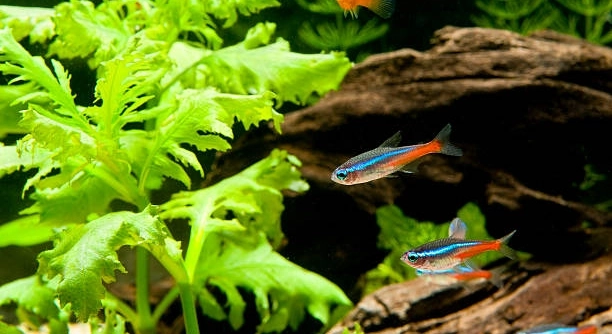
Many people enjoy keeping a Tetra tank but often find maintenance to be time-consuming. Keeping the tank clean and the fish healthy can sometimes feel overwhelming. Simple strategies can help reduce the effort needed to care for the tank.
Making a Tetra tank low-maintenance involves selecting the right equipment, maintaining stable water conditions, and implementing efficient cleaning routines. Proper feeding, suitable plants, and regular monitoring also contribute to a healthier, easier-to-manage aquarium.
These practical tips will help you spend less time on upkeep and more time enjoying your peaceful underwater world.
Choose the Right Tank Size and Equipment
Starting with the right tank size makes maintenance easier. A tank too small can lead to quick water quality changes, which means more cleaning. Larger tanks are more stable and give fish more space, reducing stress. Investing in a good filter designed for your tank size helps keep water clean longer. Filters with biological, mechanical, and chemical media work best to remove waste and toxins. A heater is also important for tropical Tetras, as stable temperature keeps fish healthy and less prone to illness. Lighting should mimic natural daylight but not be too strong, preventing algae growth. Using a substrate like smooth gravel makes cleaning simpler. Avoid sharp or large stones that can trap debris or harm fish. By choosing proper equipment from the start, you reduce the time and effort spent fixing problems later.
Using the right equipment means fewer surprises and a healthier tank environment for your Tetras.
Low-maintenance tanks rely on steady conditions and reliable gear. Picking quality filters and heaters designed for your tank helps maintain balance with less work. This makes caring for your fish easier and more enjoyable.
Create a Simple Feeding Routine
Feeding your Tetras correctly is key to keeping the tank clean and fish healthy. Overfeeding leads to leftover food, which decomposes and pollutes the water. Feeding small amounts once or twice a day ensures the fish eat everything quickly. Using sinking pellets or flakes designed for small fish helps reduce waste floating in the water. Avoid feeding live or frozen food too often because it can add extra waste and may carry bacteria. If you notice leftover food after feeding, reduce the amount next time. Some hobbyists use feeding rings or automatic feeders to control portions. Regular feeding routines prevent spikes in ammonia and nitrites, making water quality easier to maintain.
Sticking to a simple, consistent feeding schedule supports a cleaner, low-maintenance Tetra tank.
Keeping the feeding simple helps you avoid common problems caused by overfeeding. It also supports fish health by providing the right nutrition without polluting the tank. Monitoring your fish during feeding allows you to adjust portions if needed. A well-fed fish is an active and vibrant fish, but too much food quickly leads to dirty water and more frequent tank maintenance. Establishing a routine that fits your lifestyle reduces stress on you and your fish. Over time, you’ll notice the tank stays clearer, and your fish are healthier with less effort on your part.
Use Live Plants for Natural Filtration
Live plants help keep the water clean by absorbing nitrates and other waste. They also reduce algae growth by competing for nutrients. Plants provide shelter and improve fish wellbeing, making the tank environment more stable and natural.
Choosing easy-to-care-for plants like Java fern or Anubias is ideal for beginners. These plants don’t require strong lighting or special fertilizers, which keeps maintenance low. They grow slowly, so you won’t need frequent trimming. Floating plants like duckweed can also help by shading the tank and reducing algae. Having live plants improves oxygen levels in the water, which benefits your Tetras. Plants create a more balanced ecosystem that reduces the need for constant water changes.
Adding live plants not only supports water quality but also makes your tank look more attractive and natural. They make the tank a better place for fish and reduce your cleaning time.
Perform Regular Partial Water Changes
Changing part of the water weekly or biweekly keeps toxin levels low without stressing the fish. Removing about 20-30% of the water helps maintain balance and removes waste buildup. Avoid changing too much water at once to prevent shocking your fish.
Using a gravel vacuum during water changes cleans the substrate, where waste collects. This simple step prevents debris from breaking down and polluting the water. Make sure replacement water is treated to remove chlorine and is close to the tank temperature. Partial water changes also help maintain stable pH and mineral levels, which supports fish health. Establishing a regular schedule reduces sudden water quality problems and makes maintenance predictable. Keeping water fresh and clean helps your Tetras thrive with less effort on your part.
Keep the Tank Covered
A secure lid prevents fish from jumping out and stops dust or debris from falling in. It also helps maintain stable temperature and humidity inside the tank.
Using a cover reduces evaporation, meaning less frequent topping off of water. It creates a safer and cleaner environment for your Tetras.
Monitor Water Parameters Regularly
Testing water regularly is essential to catch problems early. Use simple test kits to check ammonia, nitrite, nitrate, and pH levels. Keeping these within safe ranges prevents stress and disease in your fish.
Consistent monitoring allows timely adjustments, reducing the need for emergency cleanings or treatments. It’s a small effort that saves a lot of time later.
Avoid Overcrowding
Too many fish in the tank cause stress and rapid water quality decline. Keeping the number of Tetras appropriate for the tank size supports a healthier environment.
A balanced fish population makes maintenance simpler and fish care more enjoyable.
FAQ
How often should I clean my Tetra tank?
Cleaning frequency depends on tank size and stocking levels, but a general rule is to do a partial water change every one to two weeks. Cleaning the glass and removing debris during water changes keeps the tank healthy. Filters should be checked monthly and cleaned as needed, but avoid over-cleaning to preserve beneficial bacteria.
What is the best filter for a Tetra tank?
A filter rated for your tank’s size that offers mechanical, biological, and chemical filtration is best. Canister or hang-on-back filters work well. Biological filtration supports bacteria that break down harmful waste, so avoid cleaning filter media with tap water to keep those bacteria alive.
Can I use tap water for my tank?
Tap water must be treated to remove chlorine and chloramine before use. Using a water conditioner ensures it’s safe for fish. Testing water parameters regularly helps detect any harmful chemicals or imbalances.
How many Tetras can I keep in one tank?
A common guideline is one inch of fish per gallon of water. For example, six small Tetras in a 10-gallon tank is reasonable. Overstocking causes stress, illness, and more frequent cleaning.
Are live plants necessary in a Tetra tank?
Live plants are not required but highly beneficial. They improve water quality by absorbing nitrates and provide hiding places that reduce fish stress. Easy-care plants are a great addition for a low-maintenance tank.
What do I feed Tetras?
High-quality flake or pellet food designed for small tropical fish works well. Feed small amounts once or twice daily to avoid leftovers. Occasionally, treat them with frozen or freeze-dried foods like bloodworms for variety.
Why is my tank cloudy?
Cloudy water often results from bacterial blooms, overfeeding, or inadequate filtration. Partial water changes, reducing feeding, and cleaning filters help clear the water. Adding live plants can also improve water clarity over time.
How do I prevent algae growth?
Algae thrives with excess light and nutrients. Control lighting to 8–10 hours daily and avoid overfeeding. Live plants compete with algae for nutrients, which reduces its growth naturally.
What temperature is best for Tetras?
Tetras prefer temperatures between 72°F and 78°F (22°C–26°C). Use a reliable heater and thermometer to maintain stable temperature, which helps keep fish healthy and stress-free.
How can I tell if my Tetras are healthy?
Healthy Tetras are active, have clear eyes, bright colors, and smooth fins. Watch for signs like lethargy, clamped fins, or spots, which may indicate illness needing attention.
These answers cover the basics to keep your Tetra tank easy to manage while supporting happy, healthy fish. Following simple care tips and regular checks reduces surprises and helps your aquarium thrive.
Final Thoughts
Maintaining a Tetra tank doesn’t have to be difficult or time-consuming. By choosing the right tank size, equipment, and plants, you set a strong foundation for a low-maintenance aquarium. Simple steps like feeding the fish properly and performing regular partial water changes keep the environment stable and clean. These actions help prevent many common problems before they start. When the tank is set up thoughtfully, you spend less time fixing issues and more time enjoying the peaceful beauty of your fish.
Consistency is key to keeping a low-maintenance tank. Sticking to a routine for feeding, water testing, and cleaning helps you stay on top of the tank’s needs without feeling overwhelmed. Monitoring water parameters regularly lets you catch small problems early before they become bigger. Using tools like good filters and live plants supports a healthy ecosystem inside the tank. This natural balance means less work for you and a better home for your Tetras.
Remember that every tank is a little different, so pay attention to your fish and how the tank looks and feels. Adjust your care habits as needed to fit your specific situation. Small changes can make a big difference in maintaining water quality and fish health. Keeping things simple and steady makes the hobby more enjoyable and rewarding. With patience and care, a low-maintenance Tetra tank can be a relaxing and attractive addition to your home.

Hello,
If you enjoy the content that we create, please consider saying a "Thank You!" by leaving a tip.
Every little bit helps us continue crafting quality advice that supports the health, happiness, and well-being of pets around the world, for pets of all shapes, sizes, and species.
We really appreciate the kindness and support that you show us!