
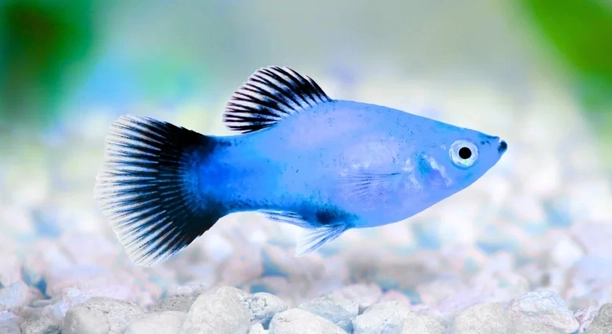
Keeping platy fry safe in a tank is important for their growth and well-being. Many hobbyists want to create a secure environment where these tiny fish can thrive without stress or danger. Proper care helps ensure they survive the fragile early stages of life.
To make a tank safer for platy fry, it is essential to control water quality, provide hiding spaces, avoid aggressive tank mates, and monitor feeding carefully. These steps reduce stress and increase the fry’s chances of survival in a controlled aquatic environment.
Improving tank safety benefits both the fry and the whole aquarium community. Small changes can make a big difference in creating a calm and protected space for your platy fry.
Maintain Excellent Water Quality
Keeping the water clean is the most important step in making a tank safe for platy fry. Fry are very sensitive to poor water conditions, especially ammonia and nitrite levels, which can quickly become harmful. Regular water changes, about 20-30% weekly, help reduce waste buildup. Using a good filtration system that doesn’t create strong currents is also key. Avoid overcrowding the tank because too many fish can stress the fry and pollute the water faster. Monitoring water parameters like pH, temperature, and hardness ensures the environment stays stable. Stable water conditions reduce stress and promote healthy growth for the fry. Always test the water regularly with reliable kits to catch problems early.
Clean water helps fry grow strong and healthy.
Using a gentle sponge filter can keep water clean without sucking in fry. Avoid strong filters that could harm the tiny fish. Gentle aeration improves oxygen levels but should not disturb the fry’s resting spots.
Provide Plenty of Hiding Spaces
Fry feel safer when they have places to hide from potential threats. Adding plants, especially fine-leaved ones like Java moss or floating plants, creates natural shelter. These plants also improve water quality by absorbing nitrates. You can also use small decorations or breeding traps that allow fry to escape larger fish. Hiding spots reduce stress and prevent fry from being eaten by other fish. Placing these shelters evenly around the tank gives fry multiple options to seek refuge. It also helps fry feel more secure and encourages them to explore the tank safely.
Live plants improve the tank environment for fry.
Plants create shaded areas that reduce light intensity, which can calm fry. They also offer surfaces for beneficial bacteria to grow, helping with biological filtration. Besides hiding, plants serve as a source of microorganisms that fry can feed on, supporting their nutrition during early development. Adding safe tank decorations without sharp edges prevents injury. It’s important to avoid aggressive fish species that might harm fry even with hiding spots. By carefully choosing tank mates and providing good shelter, the survival chances of platy fry increase significantly.
Avoid Aggressive Tank Mates
Aggressive fish can stress or harm platy fry, reducing their survival chances. Choose peaceful species to keep the environment calm.
Aggressive fish may nip at fry or chase them, causing injury or death. Even small amounts of stress can weaken fry immune systems, making them vulnerable to disease. Keeping only gentle fish ensures the fry have space to grow without fear. Peaceful tank mates like small tetras or snails do not pose threats and help maintain a balanced aquarium community.
Careful selection of tank mates helps fry develop safely. Aggression from other fish disrupts feeding and hiding, which are critical for fry survival. Creating a peaceful tank environment means fewer risks for your platy fry to face.
Feed the Fry Properly
Fry need small, frequent feedings with food suitable for their size. Overfeeding can harm water quality and health.
Feeding newly hatched fry with powdered or liquid fry food ensures they get the right nutrients. Infusoria, baby brine shrimp, or finely crushed flakes also work well. Feeding several times a day in small amounts prevents leftover food from polluting the water. Clean water is especially important at this stage to avoid disease. Avoid larger pellets or flakes that fry cannot eat, as they will waste food and cause water problems.
Proper nutrition helps fry grow quickly and develop strong immune systems. Balanced feeding supports healthy fins and body shape, preparing them for adult life. Taking care with feeding schedules and food types reduces waste and keeps the tank cleaner for everyone.
Monitor Temperature Consistently
Stable temperature helps platy fry stay healthy and active. Sudden changes can cause stress and illness.
Ideal water temperature for platy fry is between 74°F and 78°F. Use a reliable heater and thermometer to keep it steady. Avoid placing the tank near drafts or direct sunlight, which can cause fluctuations that harm fry development.
Avoid Overcrowding the Tank
Too many fish in one tank increase competition for food and oxygen, stressing fry and adults alike. Overcrowding also leads to faster water pollution, making maintenance harder. Keeping a reasonable fish population supports a balanced and safe environment.
Use Safe Decorations and Substrate
Sharp or rough decorations can injure delicate fry. Choose smooth stones, fine gravel, or sand as substrate. Avoid objects with edges that fry can get stuck on or hurt themselves with.
Keep the Tank Well Aerated
Proper oxygen levels support healthy fry development. Use gentle aeration to keep water moving without creating strong currents. This ensures enough oxygen while allowing fry to swim comfortably and hide safely.
FAQ
How often should I change the water in a tank with platy fry?
Regular water changes are key to keeping fry healthy. Changing about 20-30% of the water once a week helps remove harmful toxins like ammonia and nitrites. If the tank is small or crowded, more frequent changes might be needed. Always use dechlorinated water at the same temperature to avoid shocking the fry.
What kind of plants work best as hiding spots for platy fry?
Fine-leaved plants like Java moss, hornwort, and floating plants such as duckweed are excellent choices. These plants offer dense cover where fry can hide safely. They also improve water quality by absorbing excess nutrients, reducing algae growth. Live plants encourage natural behavior and provide surfaces where fry can find tiny food particles.
Can I keep adult fish with the fry?
It depends on the species. Aggressive or larger fish may eat or stress fry, so it’s best to keep only peaceful adults with platy fry. Small tetras, rasboras, or peaceful bottom dwellers usually coexist well. When in doubt, separate fry in a breeding box or a dedicated nursery tank until they grow bigger.
What should I feed platy fry in the first few weeks?
Platy fry need very small, frequent meals. Start with infusoria or commercially available liquid fry food. Baby brine shrimp and finely crushed flakes also work well as they grow. Feed small amounts several times a day to avoid leftover food, which can pollute the water and harm fry health.
How do I prevent fungal or bacterial infections in the fry?
Maintaining clean water and good tank hygiene is the best prevention. Avoid overcrowding and remove uneaten food promptly. If you notice white patches or abnormal behavior, isolate affected fry and consider mild treatments like aquarium salt or medicated foods. Always follow dosage instructions carefully to avoid harming the fry.
Is a sponge filter better than a regular filter for fry tanks?
Yes, sponge filters are preferred because they provide gentle filtration without strong currents that can suck in or stress fry. They also offer a surface for beneficial bacteria to grow, helping with biological filtration. Sponge filters are easy to clean and keep water quality stable, which is important for fry survival.
How long does it take for platy fry to grow into adults?
Platy fry usually grow into adults within 3 to 4 months under good conditions. Proper feeding, stable water parameters, and a safe environment speed up growth. After this period, fry develop adult colors and begin to look like mature fish. Patience and consistent care are essential during this time.
Can I use tap water for my fry tank?
Tap water can be used if properly treated. Always remove chlorine or chloramine using a water conditioner before adding water to the tank. Testing for heavy metals or other chemicals is also important. Using untreated tap water can harm or kill sensitive fry, so preparation is necessary for their safety.
What is the ideal tank size for raising platy fry?
A small tank of 10 to 20 gallons is sufficient for raising platy fry. This size allows enough space for swimming and hiding without overwhelming water maintenance. Larger tanks offer more stable water conditions but require more equipment. Choose based on how many fry you plan to raise and the space available.
How do I know if my fry are healthy?
Healthy fry are active, swim well, and show steady growth. Their color will gradually develop as they mature. Watch for signs of illness like lethargy, faded color, clamped fins, or difficulty swimming. Regular observation helps catch problems early and ensures you can take action quickly to protect your fry.
Taking good care of platy fry means paying close attention to their environment and daily needs. The early days of a fry’s life are delicate, and creating a safe tank is essential to help them grow strong and healthy. From keeping the water clean to providing plenty of hiding spaces, every small detail matters. A steady, calm environment reduces stress and makes a big difference in their survival rates. Fry that feel safe are more likely to eat well, grow quickly, and avoid illness.
Water quality is the foundation of a safe tank for platy fry. Regular water changes and good filtration keep harmful substances like ammonia and nitrites at bay. Fry are more sensitive than adult fish, so even small changes in water quality can cause problems. Keeping water temperature stable and avoiding overcrowding also play important roles. When the water is clean and conditions are steady, fry can develop naturally without extra risks. It is also helpful to monitor water parameters regularly to catch any issues before they affect the fish.
Feeding the fry properly and choosing peaceful tank mates are just as important as water care. Small, frequent feedings with suitable food give the fry the nutrients they need to grow strong. Aggressive or large fish can harm or stress the fry, so keeping only gentle species with them is best. Providing plenty of plants and decorations for hiding helps fry feel secure and avoid danger. With consistent care and attention to these details, you can create a safe and healthy environment that supports the growth and well-being of platy fry over time.

Hello,
If you enjoy the content that we create, please consider saying a "Thank You!" by leaving a tip.
Every little bit helps us continue crafting quality advice that supports the health, happiness, and well-being of pets around the world, for pets of all shapes, sizes, and species.
We really appreciate the kindness and support that you show us!