
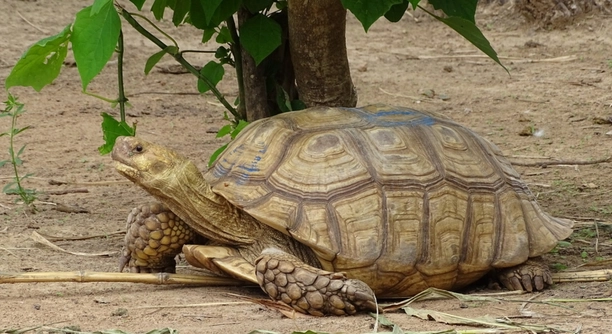
Sulcata tortoises are fascinating creatures, known for their large size and slow movements. If you have one as a pet, you might wonder how to encourage it to be more active and engaging. Here’s how you can help.
To make your sulcata tortoise more active, ensure it has plenty of space to roam, proper diet, and environmental stimulation. Adding variety to its habitat with different textures, hiding spots, and natural sunlight can also boost its energy levels.
Small changes can make a big difference in your sulcata’s daily routine. From habitat modifications to changes in diet, every detail can encourage more movement and curiosity.
Create a Spacious Habitat
Sulcata tortoises are naturally curious and enjoy exploring large areas. Giving them a spacious outdoor enclosure or a large indoor pen can encourage them to move around more. A small enclosure may make them feel confined, reducing their activity levels. Make sure the area is secure and free from hazards, such as sharp objects or plants that are toxic to them. The more room they have to roam, the more likely they will engage in active behavior like foraging, climbing, or digging. You can also include some gentle slopes and rocks for them to navigate, adding variety to their environment.
Providing a spacious habitat encourages a sulcata tortoise to stay active, and a larger space supports natural behaviors. Offering different surfaces to explore, like grass, dirt, and small rocks, will keep your tortoise engaged.
The proper amount of space is key for physical and mental stimulation. By creating a varied, safe environment for your sulcata, you allow it to act naturally, helping it stay healthy and active over time. Giving your tortoise more space should result in a more active and happier pet.
Offer a Balanced Diet
A healthy diet can greatly influence your sulcata tortoise’s energy levels. Fresh, high-fiber greens like dandelion leaves, grass, and kale are great options. These foods support their digestive system and keep them moving. Avoid feeding them too many fruits or high-protein foods, as these can lead to inactivity or health issues. You should also provide calcium supplements to ensure strong bones and encourage more activity.
When a sulcata tortoise eats the right foods, it not only supports its overall health but also gives it the energy to move around more. Proper nutrition ensures that your tortoise feels good enough to explore and forage.
Make sure to give your sulcata a balanced diet that reflects its needs. Consistent and varied nutrition plays a role in keeping your tortoise active and engaged, improving its quality of life.
Provide Proper Lighting and Temperature
Sulcata tortoises thrive in warm environments with plenty of sunlight. Without the right temperature and UVB light, they may become sluggish or inactive. Providing a heat lamp or UVB light in their habitat ensures they can get the necessary warmth and vitamin D to stay active.
The ideal temperature for a sulcata tortoise is between 85°F and 95°F during the day, with a basking spot reaching up to 100°F. Nighttime temperatures should not drop below 70°F. UVB light is crucial for shell health and stimulates activity by providing essential light wavelengths.
Without proper lighting, a sulcata can become lethargic. Make sure to maintain these temperature ranges throughout the day and night. It’s also important to monitor the temperature and adjust as needed to ensure your tortoise stays energized and active in its environment.
Add Enrichment to the Habitat
Sulcata tortoises are naturally foragers and explorers. Adding enrichment to their habitat can encourage movement and stimulate their senses. Try adding natural objects like rocks, branches, and logs for climbing or hiding. They’ll enjoy investigating their environment and might become more active.
You can also scatter food throughout the habitat or hide it in various spots to encourage foraging. Simple enrichment like this encourages natural behaviors, allowing the tortoise to interact with its surroundings in ways that mimic the wild. It keeps them mentally and physically engaged, reducing inactivity.
Creating a more interactive habitat doesn’t require much effort but can make a huge difference in the tortoise’s activity levels. By stimulating its senses with new textures, smells, and challenges, you keep the tortoise moving, curious, and active.
Provide Opportunities for Natural Behavior
Sulcata tortoises are naturally inclined to dig, burrow, and climb. Giving them the chance to engage in these behaviors encourages activity. You can add dirt piles or sand to their habitat for digging. The more they can do these natural things, the more active they will become.
Allowing your tortoise to express its natural behaviors helps keep it physically and mentally stimulated. Digging or climbing in a safe, enclosed area will keep your sulcata moving, adding a fun challenge to its day. It can also reduce stress and prevent boredom.
Monitor Weight and Health
A sulcata tortoise that is overweight may become less active. Make sure your pet maintains a healthy weight by feeding it the right portion sizes and encouraging exercise. Overfeeding, combined with inactivity, leads to lethargy. Monitor their health regularly.
Regular health checks will ensure your tortoise stays in top condition. Adjusting its diet and exercise routine according to its needs helps keep it active. A well-maintained weight allows the tortoise to move easily and explore without restriction.
Social Interaction
Sulcata tortoises are solitary creatures but can benefit from limited social interaction. When handled gently and regularly, they may become more active and engaged. However, avoid forcing them into interactions as it can cause stress.
FAQ
How much space does a sulcata tortoise need to stay active?
A sulcata tortoise needs a large space to thrive. Ideally, the enclosure should be at least 10 feet by 10 feet for one tortoise, with more space if you have more than one. The larger the area, the more room your tortoise has to explore and roam. If you have an outdoor enclosure, it’s important to ensure that it’s safe and free of obstacles that could harm the tortoise. When indoors, create as much space as possible, offering a variety of surfaces to stimulate exploration. Without enough space, sulcatas can become lethargic and less active, which can negatively affect their health.
Can a sulcata tortoise be active indoors?
Yes, a sulcata tortoise can be active indoors if provided with a proper habitat. You can create an indoor enclosure with ample space, UVB lighting, and the right temperature. Make sure to include climbing elements, hiding spots, and a variety of textures like rocks or logs for your tortoise to explore. Keep in mind that an indoor space may not offer as much natural sunlight as an outdoor one, so a high-quality UVB light is essential to keep them healthy and active. Even indoors, they’ll benefit from a larger area to move around, allowing them to stay physically active.
What foods can help increase my sulcata tortoise’s activity?
To keep your sulcata tortoise active, feed it a variety of high-fiber, low-protein foods. Fresh grasses, weeds, and dark leafy greens like dandelion leaves, collard greens, and kale are excellent choices. You can also offer hay like timothy hay or grass hay, which encourages foraging behavior. Avoid feeding fruits and high-protein foods too often, as they can lead to weight gain and lethargy. A balanced diet rich in fiber promotes digestive health and boosts your tortoise’s energy levels. Remember to provide fresh water regularly to ensure proper hydration, which can also contribute to overall activity.
How often should I handle my sulcata tortoise to keep it active?
Handling your sulcata tortoise occasionally can encourage it to be more active, but don’t overdo it. Sulcatas are naturally independent creatures, so too much handling can stress them out. Aim to handle them for short periods, around 10–15 minutes a few times a week. Be gentle and allow the tortoise to explore on its own during these sessions. Handling can help build trust and keep them mentally engaged, but it’s essential to give them plenty of space to move freely on their own. Always watch for signs of stress or discomfort, such as hiding or withdrawing, and give them space when needed.
What is the best temperature for a sulcata tortoise to stay active?
A sulcata tortoise needs a warm environment to remain active. Daytime temperatures should be between 85°F and 95°F, with a basking area reaching 100°F. At night, temperatures should not drop below 70°F. Consistent warmth helps your tortoise digest food properly and supports natural behaviors like foraging and walking. If you live in a cooler climate, using a heat lamp or heating pad in the enclosure can help maintain these temperatures. UVB lighting is equally important for their health, as it helps them absorb calcium and promotes physical activity. Make sure to monitor temperatures regularly to ensure your tortoise stays comfortable and active.
Can a sulcata tortoise become too inactive?
Yes, a sulcata tortoise can become too inactive, which may lead to health issues. If a sulcata doesn’t get enough exercise, it can develop obesity, digestive problems, and poor muscle tone. Lack of movement may also result from an improper diet, too much confinement, or a habitat that doesn’t allow for natural behaviors like foraging, climbing, and digging. To prevent inactivity, ensure your tortoise has enough space, the right lighting, a balanced diet, and opportunities to engage in natural behaviors. If you notice your sulcata becoming lethargic or inactive, it’s essential to address these issues quickly to avoid long-term health consequences.
Is it okay to let my sulcata tortoise roam outside?
Letting your sulcata tortoise roam outside is fine, provided the area is secure and safe. Ensure there are no escape routes or dangerous plants that could harm your tortoise. A large, fenced area with plenty of room to roam is ideal. Outdoor environments provide access to natural sunlight, which helps regulate their body temperature and stimulates activity. If you’re in a warm climate, outdoor time is beneficial for both exercise and overall health. However, if you live in a colder region, make sure to bring your tortoise inside during extreme weather conditions, as they can become stressed or ill in cold temperatures.
How can I keep my sulcata tortoise mentally stimulated?
To keep your sulcata tortoise mentally stimulated, add enrichment to its habitat. This can include hiding food in different spots to encourage foraging, placing logs or rocks for climbing, and introducing new objects or textures. Sulcatas are naturally curious and enjoy exploring, so changing their environment from time to time will keep them engaged. You can also try offering different types of food, like fresh grass or edible flowers, to spark interest and challenge their senses. Keep their environment varied and interactive, and your tortoise will remain mentally active and less likely to become bored or inactive.
How do I know if my sulcata tortoise is too tired or sick?
If your sulcata tortoise is too tired or sick, you may notice changes in its behavior. A sick tortoise may become lethargic, stop eating, or hide more than usual. Other signs of illness include breathing difficulties, swollen limbs, or discharge from the eyes or nose. If your tortoise seems unusually tired, lethargic, or loses interest in eating, it could be a sign of illness or stress. Make sure the environment is properly heated, hydrated, and free from stressors. If these signs persist, consult a veterinarian who specializes in reptiles to check for potential health issues and get guidance on how to improve their activity levels.
Final Thoughts
Keeping a sulcata tortoise active is essential for its health and well-being. By ensuring they have enough space to roam and a comfortable, safe environment, you provide the foundation for an active tortoise. Proper lighting and temperature are key factors in maintaining their energy levels. Without the right conditions, sulcatas can become sluggish, which can lead to various health problems. Offering a varied diet and encouraging natural behaviors like foraging and digging also help keep them engaged and active.
It’s also important to remember that sulcata tortoises, like all pets, have individual needs. Some may require more interaction, while others prefer their space. It’s crucial to observe your tortoise closely and adjust their environment to suit their preferences. Stress, improper diet, or lack of stimulation can result in inactivity, so always watch for signs of boredom or discomfort. Regular handling, when done appropriately, can also strengthen the bond you share and encourage movement, but it should never feel overwhelming for the tortoise.
Overall, a happy and active sulcata tortoise thrives on a balance of physical activity, mental stimulation, and proper care. By focusing on their needs for space, diet, lighting, and natural behaviors, you set them up for a fulfilling life. When your sulcata is active, it not only improves its quality of life but also gives you a chance to observe its unique personality and behaviors. The more attention you give to creating the right environment, the more your sulcata will thrive, stay active, and lead a healthy life.

Hello,
If you enjoy the content that we create, please consider saying a "Thank You!" by leaving a tip.
Every little bit helps us continue crafting quality advice that supports the health, happiness, and well-being of pets around the world, for pets of all shapes, sizes, and species.
We really appreciate the kindness and support that you show us!