
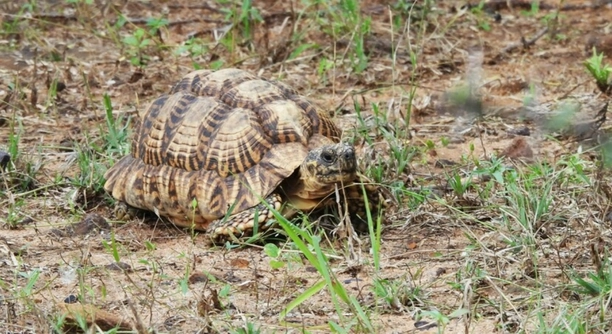
A star tortoise needs a suitable environment that mimics its natural habitat. Creating an enclosure that feels more like their natural surroundings can benefit your pet’s health and well-being. This article explores simple ways to achieve this.
To make a star tortoise enclosure more naturalistic, focus on providing the proper substrate, plants, hiding spots, temperature gradients, and water features. These elements replicate their natural environment and promote their physical and mental health, allowing them to thrive.
Incorporating a few of these ideas into your tortoise’s home will help them feel more comfortable. Simple changes can make a world of difference in their well-being.
Choosing the Right Substrate for a Natural Feel
The substrate you use in your star tortoise enclosure is one of the most important factors for creating a naturalistic environment. Opt for a mixture of organic soil, sand, and coconut husk to mimic the dry, arid conditions they would encounter in the wild. This mix allows for good drainage, while also offering your tortoise something to burrow into, similar to their natural habitat.
Using an appropriate substrate helps maintain humidity levels, and it ensures that your tortoise has the freedom to dig and explore. Avoid substrates that are too dusty or those that could be harmful if ingested.
It’s essential to keep the substrate clean and replace it regularly. A clean environment reduces the risk of infections and ensures your star tortoise remains healthy. Consider adding a layer of dry leaves or grasses on top to enhance the natural look and feel.
Adding Natural Plants and Hiding Spots
Natural plants in the enclosure can provide shelter and food for your tortoise.
Adding safe, edible plants like dandelions or grasses offers your tortoise a chance to forage. They will appreciate the opportunity to interact with live vegetation. Be sure to choose plants that are non-toxic and appropriate for tortoises. You can also include non-edible plants for aesthetic purposes.
Creating hiding spots with rocks, logs, or even artificial caves can make your star tortoise feel more secure. In the wild, they seek shelter from predators and extreme weather. Providing places for them to hide will encourage natural behavior and reduce stress. Simply place a few rocks or pieces of wood to form a shaded, safe space in the enclosure.
Providing Proper Temperature Gradients
Temperature gradients are crucial for your star tortoise’s health. Ensure that one side of the enclosure is warmer, while the other remains cooler, giving your tortoise a choice based on its needs. A basking area with a heat lamp helps mimic sunlight.
The warm side should be between 85°F and 90°F, while the cooler side can range from 75°F to 80°F. This gradient allows your tortoise to regulate its body temperature by moving to the area that feels right for it.
Incorporating a thermostat to monitor temperatures and avoid overheating is essential. Star tortoises are sensitive to temperature extremes, so it’s important to maintain a stable, appropriate environment for their comfort and health. Make adjustments as necessary.
Including a Water Feature
A small, shallow water dish should be added to your tortoise’s enclosure.
The dish should be large enough for your tortoise to soak in but not too deep. Tortoises can get dehydrated, so offering a water feature promotes hydration and allows them to engage in their natural behavior of soaking.
It’s also important to clean the water dish regularly to prevent bacteria buildup. You can also use a small, shallow pond or a water tray to create a more naturalistic look. Tortoises enjoy drinking from clean water sources, and maintaining a fresh environment helps their overall well-being.
Using Natural Lighting
Natural lighting benefits your star tortoise by simulating the sun’s natural cycles. Position the enclosure near a window to allow sunlight to enter.
However, be cautious of direct sunlight for long periods, as it can overheat the enclosure. You can also use UVB lighting to replicate sunlight.
UVB light is important for your tortoise’s health because it helps with calcium absorption. Without proper UVB exposure, your tortoise could develop shell deformities or other health issues. If natural sunlight isn’t available, UVB bulbs are a suitable alternative. Make sure the light is positioned to cover the basking area.
Creating a Properly Sized Enclosure
Your star tortoise needs a spacious enclosure to move freely.
A larger space allows for exploration, better temperature regulation, and an overall healthier environment. Ensure the enclosure is at least 4-6 times the length of your tortoise for comfortable movement.
In addition to the space for movement, provide areas for digging, basking, and hiding. This will help replicate the tortoise’s natural environment, where they would roam freely in search of food and shelter. The more space you give, the happier your tortoise will be.
FAQ
How often should I change the substrate in my star tortoise’s enclosure?
The substrate should be replaced every 4 to 6 weeks, depending on how soiled it gets. If you notice it becoming excessively damp or dirty, it’s best to change it sooner. Keeping the substrate clean helps prevent bacterial growth and keeps your tortoise healthy.
Can I use sand alone as the substrate?
While sand can be used, it’s best to mix it with other materials like organic soil or coconut husk. Pure sand can cause your tortoise to ingest too much, leading to digestive issues. A mix creates a more natural environment and allows for better humidity control.
What temperature should the basking area be?
The basking area should be around 90°F to 95°F. This provides the necessary warmth for your tortoise to digest food and regulate its body temperature. If it gets too hot, your tortoise could overheat, so it’s essential to monitor the temperature closely with a reliable thermometer.
Is it okay to use artificial plants in the enclosure?
Artificial plants can be used, but they should be safe and non-toxic. They can enhance the appearance of the enclosure and provide shelter. However, they don’t offer the same nutritional benefits as live plants. If using artificial plants, make sure they don’t have sharp edges or pose a risk to your tortoise.
Should I feed my star tortoise every day?
No, star tortoises don’t need to be fed every day. Typically, feeding them every other day is best. Overfeeding can lead to obesity and shell deformities. Offer them a variety of vegetables, grasses, and some fruits in moderation. Make sure fresh water is always available.
How do I ensure my star tortoise gets enough UVB exposure?
If natural sunlight isn’t available, you can use a UVB light specifically designed for reptiles. Place the light over the basking area, and ensure it’s within the proper distance. UVB bulbs should be replaced every 6 to 12 months, as they lose their effectiveness over time.
Can I house multiple star tortoises together?
Housing multiple star tortoises together is possible, but you should monitor them closely. Male tortoises can be territorial and may fight. If you house more than one, ensure the enclosure is large enough to provide ample space for each tortoise to establish its own territory.
Do I need to add humidity to the enclosure?
Star tortoises generally prefer a dry environment, but some humidity is necessary for their health. If the air is too dry, it can cause dehydration or shell problems. Keep the humidity around 40% to 60%. A small shallow water dish can help maintain this.
What should I do if my star tortoise isn’t eating?
If your star tortoise isn’t eating, check the temperature and humidity levels in the enclosure. Stress, illness, or improper environmental conditions could be the cause. Ensure they have access to fresh food and water. If the issue persists, it’s best to consult a vet experienced with reptiles.
How can I make my tortoise feel secure in its enclosure?
To make your tortoise feel more secure, add hiding spots, such as rocks, logs, or plants. A hiding area allows them to escape from light or perceived threats, mimicking the natural behavior of seeking shelter. Reducing noise and movement around the enclosure will also help.
Can I use a heat mat for the enclosure?
Heat mats are useful for providing consistent warmth, but they should be used with caution. They can cause burns if placed directly under the substrate. Instead, use them under one side of the enclosure, creating a warm spot for your tortoise to move toward when needed.
What type of plants are safe for a star tortoise?
Safe plants for star tortoises include dandelions, clover, and hibiscus. Avoid any plants with thorns or sharp leaves that can hurt them. Always research the plants you want to add, as some can be toxic. You can also grow grasses like wheat or timothy for grazing.
How do I clean the enclosure?
To clean the enclosure, remove all waste, replace the substrate, and wash the water dish. Use reptile-safe disinfectants to clean surfaces and remove bacteria. Regular cleaning helps prevent infections and keeps the habitat healthy. Always rinse thoroughly to remove any cleaning agents before reintroducing your tortoise.
How much space does a star tortoise need?
A star tortoise needs a spacious enclosure. Ideally, the enclosure should be at least 4 to 6 times the length of your tortoise. This allows them to roam and behave naturally. The larger the space, the better, as it mimics their wide-ranging behavior in the wild.
Do I need to supplement my star tortoise’s diet?
Yes, sometimes you may need to supplement your tortoise’s diet with calcium or vitamin D3. This helps prevent nutritional deficiencies, especially if your tortoise doesn’t get enough UVB exposure. Consult with a vet to determine the right supplementation for your pet.
Can I use a glass tank for a star tortoise?
Glass tanks are okay for housing star tortoises, but they can trap moisture and make it difficult to create a proper temperature gradient. Acrylic tanks or wooden enclosures with proper ventilation may be better options for maintaining an appropriate environment. Make sure the enclosure is escape-proof.
Final Thoughts
Creating a naturalistic enclosure for your star tortoise is not only about improving the look of the habitat, but also about supporting your tortoise’s health and well-being. By carefully selecting the right substrate, plants, and temperature gradients, you can provide an environment that mimics their natural habitat. This helps reduce stress and allows them to engage in natural behaviors like digging, hiding, and foraging. When your tortoise feels comfortable, it can live a happier and healthier life.
It’s important to remember that star tortoises are sensitive to changes in their environment. Small adjustments, such as adding proper lighting, water features, and creating space for them to move freely, can make a significant difference. Offering a balance of warmth, coolness, and humidity can also help your tortoise maintain a healthy body temperature and hydration levels. The more you replicate their natural surroundings, the more your tortoise will thrive.
In the end, the key to providing a good home for your star tortoise lies in creating a stable, safe, and comfortable environment. Be mindful of their needs and take the time to observe how they interact with their habitat. Each tortoise is unique, and what works best for one may need slight adjustments for another. The goal is to ensure they have plenty of space, the right climate, and opportunities to live as naturally as possible, whether indoors or in an outdoor enclosure. By doing this, you help your star tortoise live a long and healthy life.

Hello,
If you enjoy the content that we create, please consider saying a "Thank You!" by leaving a tip.
Every little bit helps us continue crafting quality advice that supports the health, happiness, and well-being of pets around the world, for pets of all shapes, sizes, and species.
We really appreciate the kindness and support that you show us!