
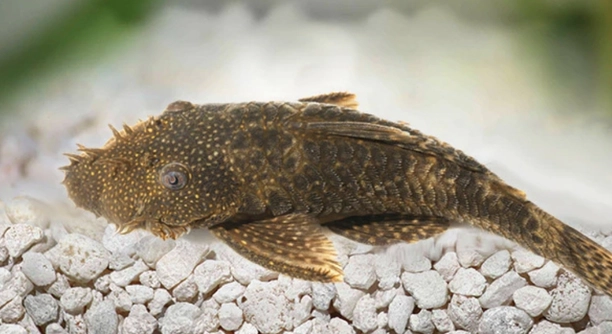
Plecos are popular aquarium fish known for their algae-eating habits, but they often need larger tanks. Keeping them in small spaces presents challenges, but it is possible to create a comfortable environment with a few simple strategies.
To make a small tank work for plecos, focus on maintaining water quality, providing hiding spots, and selecting species suited for confined spaces. With the right care, even small tanks can be a good home for these fish.
There are several practical steps you can take to ensure your plecos thrive. Proper tank setup and maintenance are key to their health and well-being in a smaller environment.
Choose the Right Pleco Species
When selecting a pleco for a small tank, it’s important to choose species that are naturally smaller and more adaptable to confined spaces. While many plecos can grow quite large, some species remain manageable in smaller environments. Popular choices for small tanks include the Bristlenose pleco and the Clown pleco. These species typically stay under 6 inches in length and are known for being more tolerant of limited space. Their small size and relatively calm nature make them ideal for aquariums where space is a concern.
Smaller plecos like these are easier to care for in a confined environment, helping to avoid overcrowding and aggression. By selecting the right species, you’ll be able to better manage water quality and the overall health of your tank.
Choosing a smaller species of pleco will give your fish the best chance to thrive in a small tank. Bristlenose plecos, for example, are hardy and efficient algae eaters. They also adapt well to different water conditions, making them an excellent choice for beginners or those with limited tank space.
Create Proper Hiding Spots
Plecos are nocturnal fish and enjoy having dark spaces to retreat to during the day. Even in a small tank, it’s crucial to provide hiding spots that will help them feel secure. You can use rocks, caves, or driftwood to create these hiding spaces. Natural decorations not only make the tank more visually appealing but also help replicate the pleco’s natural environment.
Providing hiding spots will reduce stress and help your pleco feel comfortable. The more secluded the spaces, the better. Be sure to arrange the decorations so that your pleco has multiple areas to choose from. It’s also important to leave enough room for water circulation, as stagnant water can harm the pleco’s health.
Maintain Water Quality
Water quality is crucial in a small tank. Since plecos produce a lot of waste, keeping the water clean becomes more challenging in confined spaces. Regular water changes, at least 20-30% weekly, help maintain good water conditions. A reliable filtration system is also essential to remove waste and excess nutrients.
You’ll need to monitor the tank’s pH, ammonia, nitrate, and nitrite levels regularly. In smaller tanks, these can fluctuate more quickly, so testing the water often is necessary to prevent harmful spikes. Make sure the filter is rated for the size of the tank and provides adequate circulation.
Proper filtration and consistent maintenance will keep your pleco healthy in a small tank. Without the right water conditions, your pleco may struggle to survive, even in a small space. Regular testing and cleaning can go a long way in creating a stable environment.
Provide Sufficient Food
Plecos are primarily herbivores, but they will eat a variety of foods, including algae, sinking pellets, and vegetables. In a small tank, it’s especially important not to overfeed, as leftover food can quickly pollute the water. Feed your pleco small amounts of food, several times a week.
Zucchini, cucumber, and spinach are great vegetable options for your pleco. These should be offered in moderation, and make sure to remove uneaten food to prevent water contamination. You can also add algae wafers or special pleco food to supplement their diet, ensuring they get the necessary nutrients for growth and health.
Ensuring proper feeding is essential for your pleco’s well-being. Even in a small tank, a balanced diet helps maintain the fish’s strength and vitality. Just be cautious about overfeeding; too much food can quickly lead to water quality issues. Always remove any leftover food promptly to prevent any problems.
Keep the Tank Overcrowding-Free
Avoid overcrowding your tank to ensure the pleco has enough space to swim and thrive. Too many fish can cause stress and lead to poor water quality. Stick to a minimal number of compatible tankmates. A single pleco is often enough for a small tank.
Overcrowding also increases waste production, which puts additional stress on your filtration system. If you plan to add other fish, choose peaceful species that won’t compete with the pleco for space or resources. A well-balanced tank will help everyone stay healthy and reduce potential conflicts.
Monitor Temperature and Lighting
Maintaining a stable water temperature is crucial for plecos. They thrive in temperatures between 72-78°F (22-26°C). Fluctuations in temperature can cause stress or health issues. Be sure to use a reliable heater if necessary, and avoid placing the tank in direct sunlight.
Proper lighting is equally important. Plecos are nocturnal and prefer dim lighting during the day, so keep the tank lights on for about 8-10 hours daily. This ensures they have a natural day-night cycle without stressing out.
FAQ
What size tank do I need for a pleco?
The minimum tank size for a pleco is generally 30 gallons, especially for larger species. However, for smaller plecos like the Bristlenose, a 20-gallon tank can suffice. It’s important to remember that plecos grow, so it’s essential to plan for their future size. Even in a smaller tank, you need to make sure the pleco has enough space to swim and hide. A tank that’s too small can lead to stress and poor water quality, which can affect the pleco’s health.
How often should I change the water in a small pleco tank?
For a small tank, you should aim to change 20-30% of the water every week. Plecos produce a lot of waste, which can quickly impact water quality. Regular water changes are essential to prevent harmful toxins from building up. If you notice cloudy water or a decrease in water clarity, it might be a sign that you need to change the water more frequently. Along with water changes, check for any uneaten food or debris at the bottom of the tank, which should be removed to keep the environment clean.
Can plecos live with other fish in a small tank?
Yes, plecos can live with other fish, but you need to choose compatible species. Smaller plecos are usually peaceful, but they can become territorial if there’s not enough space. Avoid keeping them with aggressive or overly active fish that might cause stress. Good tankmates for plecos in a small tank include other peaceful fish like tetras, guppies, or rasboras. It’s essential to keep the tank understocked to prevent overcrowding and ensure everyone has enough space.
What should I feed my pleco in a small tank?
In a small tank, feed your pleco a balanced diet that includes algae wafers, fresh vegetables, and occasional protein sources. Vegetables like zucchini, cucumber, and spinach are excellent choices. Make sure to remove any uneaten food promptly to prevent water quality issues. Plecos are primarily herbivores, but they will also enjoy protein-rich foods like shrimp pellets or sinking carnivore pellets. Overfeeding can cause water pollution, so be mindful of how much you’re feeding.
Do plecos need a filter in a small tank?
Yes, plecos definitely need a filter in a small tank. Filters help maintain clean water by removing waste and debris. Since plecos produce a lot of waste, a filter is essential to ensure the tank stays clean and healthy. Make sure the filter is appropriately sized for your tank, as a weak filter won’t be effective at cleaning the water. A good filtration system will keep your pleco healthy and help prevent toxic waste buildup in the water.
How can I provide hiding spots for my pleco in a small tank?
Hiding spots are important for plecos because they are nocturnal and like to hide during the day. In a small tank, you can use rocks, caves, or driftwood to create hiding spots. Arrange the decorations in a way that doesn’t obstruct water flow or make the tank feel overcrowded. Plecos feel more secure when they have multiple places to retreat to, so try to provide a variety of hiding spots. A few caves or pieces of driftwood can make a big difference in reducing stress.
Are plecos good at keeping the tank clean?
While plecos are excellent at eating algae, they are not a substitute for proper tank maintenance. Plecos will help keep algae growth under control, but they won’t clean all areas of the tank. They don’t eat uneaten food or clean the substrate. Regular water changes, cleaning the tank, and removing debris are still essential for maintaining a clean environment. A pleco is a good helper, but you’ll need to stay on top of tank care to keep the water healthy.
Can I keep a baby pleco in a small tank?
A baby pleco can be kept in a small tank temporarily, but it’s important to consider their growth. As they grow, their space needs will increase, and you will likely need to upgrade to a larger tank. Baby plecos, especially those of larger species, grow quickly, so you should plan to move them to a bigger tank once they outgrow their current space. Keeping a pleco in a tank that is too small for long periods can cause stress and hinder their development.
What water temperature is best for plecos in a small tank?
Plecos generally prefer water temperatures between 72-78°F (22-26°C). In a small tank, it’s especially important to monitor the temperature closely, as it can fluctuate more easily. Invest in a reliable aquarium heater to maintain a consistent temperature. Too cold or too hot water can cause stress and make plecos more susceptible to illness. A stable temperature is key to their overall health, so make sure to keep it within the ideal range.
Why is my pleco staying at the surface of the water?
If your pleco is constantly at the surface of the water, it could indicate several potential issues. It might be struggling to find oxygen, as plecos require well-oxygenated water. Ensure your filter is providing adequate water movement and that the tank isn’t overstocked. High levels of waste or poor water quality can also cause the pleco to seek oxygen at the surface. Check your water parameters and perform a water change if necessary. If the behavior persists, consider adding an air stone to improve oxygenation.
Can plecos live in cold water?
Plecos are tropical fish and do not tolerate cold water well. They thrive in warmer temperatures between 72-78°F (22-26°C). If the water temperature in your tank drops below this range, your pleco may become lethargic or even sick. It’s important to provide a heater to maintain a stable temperature, especially if you live in a cooler climate. Cold water can compromise your pleco’s health, so avoid keeping them in unheated tanks, especially during colder months.
Final Thoughts
Keeping a pleco in a small tank can be challenging, but it is possible with the right care and attention. The key to making it work is ensuring your pleco has enough space to swim and hide while maintaining proper water quality. Plecos are hardy fish, but they do require consistent care, especially in confined spaces. Regular water changes, proper filtration, and feeding the right amount of food are all essential for their health. Even though plecos are known for eating algae, they still need a well-balanced diet to thrive.
Another important consideration is the species of pleco you choose. Some plecos can grow very large, and it’s crucial to select a species that will stay small enough for your tank. Smaller species like Bristlenose plecos or Clown plecos are much better suited for small tanks. With these species, you can provide the right environment, including hiding spots, proper lighting, and a balanced diet. When selecting tankmates, choose peaceful species that won’t overcrowd the tank or compete with the pleco for space and food. Overcrowding can lead to stress and poor water quality, so it’s important to avoid it.
Maintaining a clean tank and ensuring your pleco has a stable environment are the most important factors to consider. Regular testing of water parameters, like pH, ammonia, and nitrates, will help you keep the water safe. Be mindful of overfeeding, as uneaten food can pollute the water and harm your pleco. Even in a small tank, plecos can thrive if you follow the right steps. With patience and care, your pleco can be happy and healthy, living a full life in its small home.

Hello,
If you enjoy the content that we create, please consider saying a "Thank You!" by leaving a tip.
Every little bit helps us continue crafting quality advice that supports the health, happiness, and well-being of pets around the world, for pets of all shapes, sizes, and species.
We really appreciate the kindness and support that you show us!