
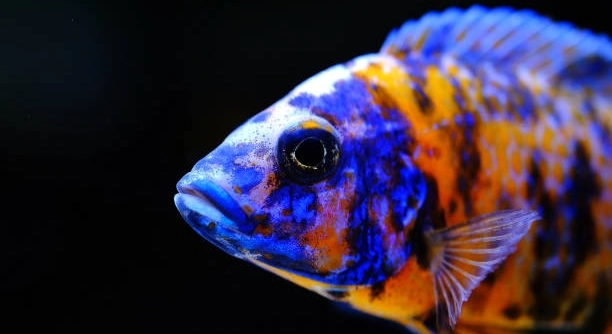
Many fish enthusiasts enjoy keeping cichlids but face challenges with small tanks. Managing space, water quality, and fish behavior can be tricky in a limited environment. Success requires thoughtful planning and care to meet their needs.
Making a small tank suitable for cichlids involves careful attention to tank size, filtration, water parameters, and stocking density. Proper decoration and territory management help reduce aggression, while regular maintenance ensures a healthy environment. These combined factors enable cichlids to thrive even in compact setups.
This article offers practical tips to create a balanced and comfortable home for your cichlids in smaller tanks. Understanding these methods can improve both fish health and tank harmony.
Choosing the Right Tank Size and Shape
Selecting the correct tank size is the first step to keeping cichlids healthy in a small space. While small tanks might seem convenient, they can quickly become overcrowded if not chosen wisely. A tank around 20 gallons is often the minimum for many cichlid species, but wider tanks are better than tall ones. This is because cichlids like to swim horizontally and establish territories. Narrow or tall tanks limit their movement and can increase stress. Proper tank shape supports natural behavior and helps reduce aggression. Always check the specific needs of your cichlid species before purchasing a tank to ensure they will have enough room to thrive.
A wider tank provides better swimming space and helps cichlids feel less confined.
Matching tank dimensions to your fish’s habits improves their health and social behavior. A well-sized tank gives them room to explore and claim territories, which lowers stress and aggression. It also allows better water circulation and filtration, essential for maintaining water quality. Even if space is limited, prioritize tank shape over just volume to create a more suitable environment. This careful selection sets a solid foundation for all other care steps.
Proper Filtration and Water Quality
Good filtration is essential for a small tank with cichlids. They produce a lot of waste, so the filter must handle biological and mechanical cleaning efficiently. Choose filters that provide strong but gentle water flow to avoid stressing the fish. A filter rated for a larger tank than yours can be a smart choice. Frequent water testing helps catch changes in ammonia, nitrite, and nitrate levels early. Keeping these parameters stable is critical to preventing illness and ensuring your fish remain active and colorful.
A clean and well-filtered tank reduces stress and promotes fish health.
Maintaining water quality in small tanks is more challenging due to limited dilution capacity. Small changes can lead to quick spikes in harmful substances, which affect cichlids negatively. Besides good filtration, perform regular water changes to remove waste and replenish essential minerals. Avoid overfeeding, as leftover food decays and pollutes water. Adding live plants can also help absorb nitrates and improve oxygen levels. Consistent monitoring and upkeep are key to preventing problems before they start. With attention to filtration and water quality, small tanks can support vibrant and healthy cichlids.
Stocking Density and Species Selection
Keeping the right number of cichlids in a small tank is important to avoid overcrowding. Overstocking leads to stress, aggression, and poor water quality.
Choosing fewer, compatible species helps create a peaceful tank. Some cichlids are more aggressive, so pick species known to do well in smaller groups. Avoid mixing large, territorial species with smaller or more peaceful ones. Research each fish’s adult size and temperament before adding them. Stocking lightly lets fish establish territories without constant fighting and keeps the tank environment stable.
Grouping compatible cichlids that share similar behavior and size reduces conflict. Limit the number to what your tank can support comfortably, usually one fish per 5 gallons or more, depending on species. Smaller species like dwarf cichlids often work better in small tanks. Regular observation is necessary to adjust numbers if aggression appears. Balancing quantity with species traits ensures a healthier, calmer aquarium where cichlids can thrive.
Tank Decoration and Territory Management
Using rocks, caves, and plants helps create separate territories and hiding spots for cichlids. This reduces stress and aggression by giving fish their own space.
Arrange decorations to break line of sight between fish, especially in small tanks. Avoid overcrowding decorations, as fish still need swimming room. Use sturdy plants or artificial ones if needed, as cichlids can uproot fragile plants. Proper decoration encourages natural behavior and lets shy fish hide from more aggressive tank mates.
Providing distinct areas makes it easier for cichlids to claim territories, which lowers fighting. Rocks and caves mimic their natural habitat and help with breeding behavior. Changing decorations occasionally can reset territorial boundaries and reduce ongoing conflicts. Keep the layout stable enough to avoid constant stress but flexible to adjust if problems arise. Thoughtful territory management helps maintain a peaceful balance in a small cichlid tank.
Feeding and Nutrition
Providing a balanced diet is key to keeping cichlids healthy in a small tank. Overfeeding can quickly pollute the water.
Feed small amounts that your fish can finish within a few minutes, once or twice a day. Use high-quality pellets or flakes formulated for cichlids, and supplement with occasional live or frozen foods for variety.
Regular Maintenance and Water Changes
Consistent maintenance keeps water parameters stable and fish healthy. Small tanks require more frequent water changes because waste accumulates faster. Aim for weekly changes of 20-30% to remove toxins and keep the environment clean. Cleaning the substrate and filter media without disturbing beneficial bacteria is important.
Monitoring Fish Behavior
Watch your cichlids daily to spot early signs of stress or illness. Changes in appetite, color, or activity can indicate problems.
Lighting and Temperature Control
Keep lighting moderate to avoid stressing your fish. Maintain stable temperatures suited to your cichlid species, typically between 74–82°F, using a reliable heater and thermometer.
FAQ
How many cichlids can I keep in a small tank?
The number of cichlids depends on the tank size and species. As a general rule, allow at least 5 gallons per small cichlid. Overcrowding causes stress, aggression, and poor water quality. It’s better to keep fewer fish and focus on compatible species that tolerate living closely. Dwarf cichlids are a good option for smaller tanks because they stay smaller and usually have less aggressive behavior.
What type of filtration works best for a small cichlid tank?
A filter that provides both mechanical and biological filtration is essential. Canister filters or hang-on-back filters rated for a tank larger than yours usually work well. Strong water flow is good but avoid currents that are too powerful. The goal is to keep water clean without stressing the fish. Regular filter maintenance is also important to keep beneficial bacteria healthy and working efficiently.
Can I keep plants in a small cichlid tank?
Yes, but choose hardy plants or artificial ones. Many cichlids like to dig and may uproot delicate plants. Java fern, anubias, and crypts are some plants that can survive better with cichlids. Plants help improve water quality by absorbing nitrates and provide hiding spots for fish, which reduces stress and aggression.
How often should I do water changes in a small tank?
Weekly water changes of 20-30% are recommended. Small tanks can accumulate toxins quickly because of limited water volume. Regular changes help maintain stable water parameters and remove waste. Avoid cleaning the entire tank or filter at once, as this can disrupt the balance of beneficial bacteria important for breaking down harmful substances.
What do I feed cichlids in a small tank?
Feed a balanced diet of high-quality cichlid pellets or flakes. Supplement with frozen or live foods like brine shrimp, bloodworms, or daphnia for variety. Feed small amounts once or twice a day, only what the fish can eat in a few minutes. Avoid overfeeding, as leftover food pollutes the water and harms fish health.
How can I reduce aggression in a small cichlid tank?
Use decorations like rocks, caves, and plants to create territories. This gives fish places to hide and claim space, lowering stress and fights. Choose species with similar temperament and avoid overcrowding. Regularly observe fish behavior and be ready to separate aggressive individuals if needed.
What water parameters should I maintain for cichlids?
Keep the temperature stable between 74–82°F, depending on species. pH should usually be neutral to slightly alkaline, around 7.0 to 8.0. Ammonia and nitrite levels must be zero, and nitrates kept low through regular water changes. Using a good test kit helps monitor these parameters and ensures a healthy environment.
Can small tanks support breeding cichlids?
Breeding is possible but challenging in small tanks due to space and stress. Provide plenty of hiding spots and stable conditions. Some species are easier breeders in small tanks, like dwarf cichlids. Be prepared to separate fry from adults or move them to a different tank to increase survival chances.
What signs show my cichlids are stressed in a small tank?
Look for loss of appetite, hiding more than usual, faded colors, rapid breathing, or aggressive behavior. Stress can come from poor water quality, overcrowding, or lack of hiding places. Address these issues quickly to prevent illness or death.
How important is tank shape for cichlids in small setups?
Tank shape matters because cichlids like horizontal swimming and territorial behavior. Wider tanks are better than tall, narrow ones, as they provide more surface area and space for fish to spread out. This reduces conflicts and promotes natural behavior.
Keeping cichlids in a small tank can be a rewarding experience if you pay attention to their needs. While space is limited, careful planning and care allow these fish to live comfortably and show their natural behaviors. It is important to choose the right tank size and shape, focusing on wider tanks that provide more swimming room and help reduce stress. Keeping the water clean and maintaining proper filtration are also essential to prevent problems and keep the fish healthy.
Stocking the tank wisely is another key factor. Avoid overcrowding by selecting fewer fish and choosing species that can live peacefully in close quarters. Providing enough hiding spots and decorations creates territories, which helps lower aggression. Feeding the fish a balanced diet in proper amounts keeps them strong and reduces waste buildup. Regular water changes and careful monitoring of water parameters support a stable environment, which is especially important in small tanks where changes happen quickly.
Overall, success with small cichlid tanks depends on consistent care and attention. Small tanks need more frequent maintenance, but the effort pays off when the fish thrive. By managing tank size, filtration, stocking, decoration, feeding, and water quality, you can create a balanced aquarium where cichlids are healthy and active. With patience and observation, it is possible to enjoy the beauty and personality of cichlids, even in limited space.

Hello,
If you enjoy the content that we create, please consider saying a "Thank You!" by leaving a tip.
Every little bit helps us continue crafting quality advice that supports the health, happiness, and well-being of pets around the world, for pets of all shapes, sizes, and species.
We really appreciate the kindness and support that you show us!