
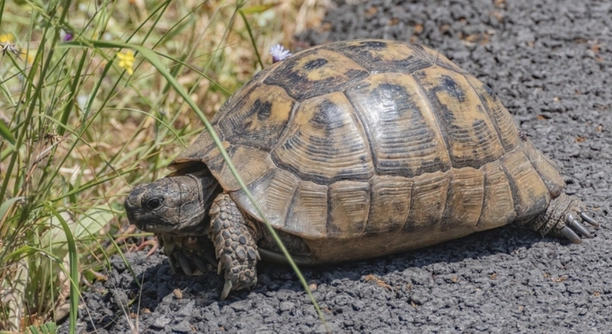
Creating a natural habitat for your Russian tortoise is key to their health and well-being. Enhancing their space will allow them to feel more comfortable and thrive. There are simple ways to make this happen.
To create a more natural habitat for your Russian tortoise, focus on replicating their wild environment. Add elements such as natural substrates, hiding spots, and proper lighting. Additionally, incorporating plants and rocks provides stimulation and mimics their native habitat.
Making small adjustments to their environment will greatly improve their quality of life and comfort.
Creating a Natural Substrate
Choosing the right substrate for your Russian tortoise is essential. Sand, soil, and organic matter are ideal as they closely mimic the desert environment they come from. A combination of these materials provides a soft, easy-to-dig surface for them to burrow in. Ensure the substrate is deep enough to allow for digging, as tortoises in the wild often burrow to regulate their temperature and create a safe space. Avoid using materials like cedar or pine shavings, as they can be harmful to reptiles.
A natural substrate gives your tortoise a comfortable place to explore and nest. It also helps with humidity and temperature regulation, which are crucial for their health.
While it may take some time to find the perfect mix, experimenting with different options ensures your tortoise’s habitat meets their natural needs. Over time, you’ll notice how much your pet enjoys digging and moving around their space. A healthy, natural substrate can be a key part of their daily routine.
Proper Hiding Spots
Tortoises need a space where they can retreat to when they feel stressed. Hideouts made from rocks, wood, or logs give them a place to feel safe.
Natural hiding spots help reduce stress levels in Russian tortoises. These spots should be dark, quiet, and slightly enclosed to give them a sense of security. Consider creating multiple hiding areas within the habitat to allow your tortoise some choice. A well-designed hideaway encourages healthy behavior, such as resting or exploring, and also prevents territorial disputes.
Providing Natural Light
Proper lighting is essential for your tortoise’s health. UVB light helps them synthesize vitamin D3, which is necessary for calcium absorption and bone health.
A full-spectrum UVB light should be used, positioned about 12-18 inches above their basking area. Ensure the light is on for about 10-12 hours daily, mimicking natural sunlight cycles. Tortoises also need a basking light for warmth, ensuring they have a gradient of temperature in their habitat. A spot that is warmer during the day will encourage your tortoise to move around and regulate its body temperature.
The correct lighting setup encourages natural behaviors and provides essential health benefits. Without proper UVB lighting, tortoises can suffer from metabolic bone disease and other health issues.
Creating a Safe and Natural Food Space
Feeding your tortoise in a safe, clean area is important for both their health and safety. Place food on a flat surface where they can access it easily without the risk of contamination.
In the wild, tortoises are foragers and spend their time eating plants. Replicating this natural feeding behavior within the habitat is key. Add a variety of edible plants, like dandelions, clover, and grasses, to their enclosure. Ensure they have access to fresh, clean water at all times. Avoid feeding them commercial foods that may be lacking in necessary nutrients.
By providing a natural food space, you help your tortoise maintain a balanced diet. It also encourages natural foraging behaviors, helping to reduce stress. Fresh, varied plant matter gives them the nutrition they need to stay healthy and active.
Adding Rocks and Natural Decor
Incorporating rocks and natural elements into your tortoise’s habitat provides both aesthetics and functionality. Tortoises can use rocks for climbing and basking.
Natural decor like stones, logs, and branches creates an environment that mimics their wild habitat. Rocks also help create climbing areas, encouraging exercise and mental stimulation. Adding these elements also provides variety, allowing your tortoise to explore their space.
These additions help make your tortoise feel at home and provide opportunities for enrichment. When selecting rocks or logs, make sure they are safe and sturdy for your pet.
Temperature Regulation
Temperature control is crucial for your tortoise’s well-being. A proper heat gradient, with both warm and cooler areas, helps them regulate their body temperature.
Place a basking lamp on one side of the enclosure and leave the other side cooler. The warm area should reach around 90°F, while the cooler area can be around 75°F. Tortoises need this gradient to control their metabolism, digestion, and overall health. Be sure to monitor temperatures regularly using a reliable thermometer.
Creating a suitable temperature range is one of the most important steps in providing a comfortable environment for your tortoise.
Humidity Control
Maintaining proper humidity is key for a Russian tortoise. Too much or too little moisture can lead to health issues.
You should keep the humidity level around 40-60%. Using a hygrometer will help monitor these levels. Adjusting humidity is easy with a shallow water dish or misting the enclosure once or twice a day. However, avoid over-wetting the substrate, as this can create mold. Proper humidity helps maintain a healthy skin and shell for your tortoise.
FAQ
What is the ideal substrate for a Russian tortoise’s habitat?
The best substrate for a Russian tortoise is a mix of sand, soil, and organic matter. This combination mimics their natural desert environment, allowing them to dig and burrow. The substrate should be deep enough to let them dig comfortably, ideally 3-4 inches. Avoid using materials like cedar or pine shavings, as they can be toxic to reptiles. A mixture of organic topsoil and sand is often the most effective, providing both a natural feel and good drainage.
How often should I clean my tortoise’s enclosure?
Cleaning your tortoise’s habitat should be done regularly to prevent the buildup of waste and bacteria. Spot clean the enclosure daily by removing uneaten food, waste, and soiled substrate. A more thorough cleaning should be done every 2-4 weeks, where you completely replace the substrate and clean the entire enclosure with reptile-safe disinfectants. Regular cleaning helps maintain a healthy environment for your tortoise.
Do I need to provide a water dish for my tortoise?
Yes, a clean, shallow water dish should always be available for your tortoise. Even though Russian tortoises don’t typically swim, they still drink water to stay hydrated. Place the dish in an area that’s easy for them to access. Change the water daily to ensure it remains fresh and free of contaminants.
How do I create a proper heat gradient?
To create a heat gradient in your tortoise’s habitat, use a basking lamp on one side of the enclosure. The basking spot should reach temperatures around 90°F, while the cooler side of the enclosure should stay around 75°F. This temperature range allows your tortoise to regulate its body temperature naturally by moving between warm and cooler areas. Use a thermometer to monitor temperatures accurately.
What should I feed my Russian tortoise?
A Russian tortoise’s diet primarily consists of high-fiber, low-calcium foods. Offer a variety of leafy greens such as dandelion greens, collard greens, and mustard greens. You can also add edible plants like clover and grasses. Avoid feeding them high-protein or sugary foods like fruit. Fresh, clean water should be provided at all times.
How can I make my tortoise feel more secure in its habitat?
To help your tortoise feel secure, include several hiding spots made from rocks, logs, or other natural materials. These provide a place for them to retreat when they feel stressed. A safe, enclosed area helps them rest and reduce anxiety. Additionally, ensure their habitat is quiet and not subject to loud noises, as this can disturb their peace.
Is UVB lighting necessary for my Russian tortoise?
Yes, UVB lighting is essential for your tortoise. It helps them synthesize vitamin D3, which is vital for calcium absorption and overall bone health. Use a full-spectrum UVB light, placed 12-18 inches above the basking area. The light should be on for about 10-12 hours daily, mimicking the natural sunlight cycle. Without UVB, your tortoise can develop metabolic bone disease.
How much space does a Russian tortoise need?
Russian tortoises need ample space to roam, forage, and exercise. A minimum of 40 square feet of space is recommended for an adult tortoise. Larger enclosures allow them to move around freely, which is crucial for their physical and mental well-being. A larger space also makes it easier to set up different temperature zones and hiding areas.
What is the best temperature for a Russian tortoise?
Russian tortoises thrive in temperatures that mimic their natural desert environment. The basking area should be around 90°F, while the cooler side of the enclosure should stay between 75-80°F. At night, temperatures can drop to 65-70°F. It’s essential to monitor temperatures with a thermometer to avoid overheating or underheating, both of which can cause health issues.
How can I tell if my tortoise is sick?
Signs that your tortoise may be unwell include lack of appetite, lethargy, changes in their shell (softness, discoloration, or cracks), abnormal stool, and respiratory issues like wheezing or nasal discharge. If you notice any of these symptoms, it’s important to consult a veterinarian specializing in reptiles. Early detection can prevent further health complications.
Final Thoughts
Creating a natural habitat for your Russian tortoise not only improves their quality of life but also enhances their overall health and well-being. A well-designed enclosure with elements like rocks, logs, and plants allows your tortoise to express natural behaviors such as climbing, digging, and exploring. These activities provide mental stimulation and physical exercise, which are important for a healthy and active tortoise. By mimicking the natural environment as closely as possible, you help reduce stress and create a space where your tortoise can thrive.
Temperature and humidity control are two essential aspects of a suitable habitat. Maintaining the right temperature gradient allows your tortoise to regulate its body temperature and ensures they can digest food properly. Humidity levels should also be monitored to prevent issues like dehydration or shell problems. Incorporating UVB lighting into the enclosure is just as vital, as it aids in calcium absorption and bone health. Providing these environmental factors in the right balance will help prevent health issues and allow your tortoise to feel comfortable and safe.
The effort you put into setting up a natural habitat will be well worth it in the long run. Regular cleaning, monitoring of temperature and humidity, and a balanced diet are simple yet effective ways to keep your tortoise healthy and happy. A well-maintained habitat not only meets the physical needs of your tortoise but also supports their emotional well-being. Creating a habitat that feels safe and enriching will lead to a long and fulfilling life for your tortoise.

Hello,
If you enjoy the content that we create, please consider saying a "Thank You!" by leaving a tip.
Every little bit helps us continue crafting quality advice that supports the health, happiness, and well-being of pets around the world, for pets of all shapes, sizes, and species.
We really appreciate the kindness and support that you show us!