
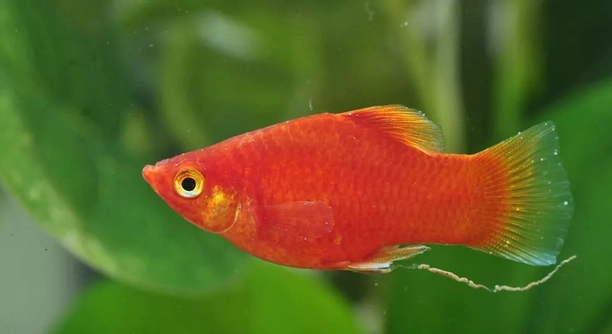
A well-maintained platy tank can be a beautiful addition to any home. Many hobbyists want their tanks to look more natural to create a healthier environment for their fish. Simple adjustments can make a big difference in the tank’s appearance and the well-being of your platies.
Creating a natural-looking platy tank involves using live plants, natural substrates, proper lighting, and thoughtful decoration placement. These elements work together to mimic the fish’s native habitat, promoting comfort and reducing stress for the inhabitants.
Improving your tank’s natural look can enhance both the fish’s health and your enjoyment as an observer. The following tips will help you achieve a more authentic aquatic environment for your platies.
Use Live Plants for a Natural Feel
Adding live plants to your platy tank creates a more natural and healthy environment. Plants provide hiding spots and resting areas for your fish, which helps reduce stress. They also improve water quality by absorbing nitrates and producing oxygen. Common plants like Java fern, Anubias, and Amazon sword are easy to care for and look great in a community tank. Live plants also add texture and depth, making the tank appear more like a natural habitat. Avoid using plastic plants, as they can sometimes damage fish fins or collect algae quickly. By incorporating a variety of plants, you create a dynamic and balanced environment that benefits both fish and tank health.
Live plants improve both tank aesthetics and water quality, making them essential for a natural platy tank setup.
Choosing the right plants depends on your tank’s size and lighting. Some plants need low light, while others require moderate or high light to thrive. It is important to research which plants suit your tank conditions. Maintaining live plants involves regular trimming and removing dead leaves to keep the tank clean. Using natural gravel or sand as substrate helps plant roots grow better than artificial materials. Adding plants also encourages natural behavior in platies, like exploring and grazing on biofilm. Overall, live plants contribute significantly to a natural, balanced aquarium that supports your fish’s well-being.
Select Natural Substrate and Decorations
Using natural substrates like sand or fine gravel can make the tank look more like a riverbed. Avoid bright-colored or unnatural materials that stand out and reduce realism. Smooth stones, driftwood, and leaf litter add to the natural look and provide hiding places. Decorations should mimic the fish’s natural environment without overcrowding the tank.
Natural substrates help create an authentic environment and offer benefits for fish health.
Choosing the right substrate matters because it affects water chemistry and fish comfort. Sand is gentle on platies’ delicate fins and allows them to forage naturally. Gravel is easy to clean but should be smooth and not too sharp. Driftwood releases beneficial tannins, which slightly lower pH and create a softer water environment preferred by platies. Adding natural elements encourages natural behaviors like hiding and exploring. Avoid overcrowding with too many decorations to keep swimming space open. A balanced combination of substrate and decorations enhances the tank’s natural appearance and promotes healthy fish activity.
Maintain Proper Lighting
Lighting affects both the plants and fish in your tank. Use lighting that mimics natural daylight to support plant growth and show your platies’ true colors. Avoid overly bright or dim lights, as they can stress the fish or stunt plant development.
Balanced lighting encourages healthy plant photosynthesis and natural fish behavior. Too much light can cause algae growth, while too little limits plant health. Aim for about 8 to 10 hours of light daily with a timer to keep consistency. Using full-spectrum LED lights designed for aquariums provides the right balance without overheating the tank. Adjust lighting based on the plants you have and the tank size to maintain a natural rhythm. Proper lighting helps your platy tank feel more like their natural habitat and supports overall tank health.
It is important to observe how your plants and fish respond. If algae blooms or plants look unhealthy, tweak the light duration or intensity. Keep your tank away from direct sunlight to prevent temperature spikes and excess algae. Regularly clean the tank light fixtures for optimal performance. Good lighting enhances the colors of your platies and plants, making the tank more visually appealing and natural.
Arrange Decorations Thoughtfully
Placing decorations carefully helps create natural hiding spots and open swimming areas. Avoid cluttering the tank, which can make fish feel stressed or trapped. Space out plants, rocks, and wood to allow easy movement.
Using decorations to mimic natural environments promotes calmer and more active fish behavior. Arrange taller plants or driftwood toward the back and sides to create depth, leaving the middle clear for swimming. Position rocks or smaller decorations to form caves or shaded spots where platies can hide. This variation in the layout reduces territorial aggression and provides comfort. Changing the arrangement occasionally keeps the environment interesting and can stimulate natural exploration. A thoughtful layout not only looks better but supports the health and happiness of your fish.
Keep Water Parameters Stable
Stable water conditions are essential for a natural tank environment. Regular testing and consistent maintenance help keep pH, temperature, and hardness within suitable ranges for platies. Sudden changes can stress the fish and affect plant health.
Maintaining stable water parameters encourages natural behavior and supports long-term health. Use a reliable test kit to monitor ammonia, nitrite, nitrate, pH, and temperature weekly. Platies thrive in slightly alkaline water with temperatures between 70-78°F (21-26°C). Regular water changes, about 20-30% weekly, help remove toxins and keep conditions stable. Avoid overfeeding, which can increase waste and cause water quality to decline quickly. Proper filtration and aeration also play key roles. Keeping these factors in balance allows your tank to remain a safe, natural environment where your fish can thrive.
Use Natural Feeding Practices
Feeding platies a varied diet including flakes, pellets, and live or frozen foods mimics their natural diet. It keeps them healthy and vibrant.
Feeding in small amounts multiple times a day reduces waste buildup and mimics their natural grazing behavior.
Regular Tank Cleaning
Cleaning should be done carefully to avoid disturbing beneficial bacteria. Partial water changes and substrate vacuuming keep the tank healthy without disrupting the ecosystem.
FAQ
How often should I change the water in my platy tank?
Changing 20-30% of the water weekly is ideal. This helps remove waste, excess nutrients, and keeps water chemistry stable. Avoid changing too much at once, as sudden shifts can stress your fish. Regular water changes promote a healthy environment for both plants and platies.
What type of plants grow best in a platy tank?
Easy-to-care-for plants like Java fern, Anubias, and Amazon sword work well. These plants tolerate various light levels and help improve water quality. Floating plants like duckweed or hornwort also provide shade and natural hiding spots for platies.
Can I use tap water for my platy tank?
Tap water is usually fine if properly treated. Use a water conditioner to remove chlorine and chloramine, which are harmful to fish. Testing water parameters after treatment ensures the water is safe and balanced before adding it to the tank.
What temperature is best for platies?
Platies thrive in water between 70-78°F (21-26°C). Maintaining a stable temperature within this range supports their health and natural behavior. Use a reliable aquarium heater and thermometer to keep the temperature consistent.
How many platies should I keep in one tank?
A good rule is one inch of fish per gallon of water. For example, a 20-gallon tank can comfortably house about 20 platies, considering their size and swimming needs. Overcrowding can cause stress and poor water quality.
What should I feed my platies?
A varied diet works best. Use high-quality flakes or pellets as the main food, supplemented with live or frozen foods like brine shrimp, bloodworms, or daphnia. Feeding small amounts two to three times a day mimics natural grazing habits.
How do I prevent algae growth in my tank?
Algae can be controlled by balancing light, nutrients, and cleaning. Avoid leaving the lights on too long (8-10 hours is sufficient), don’t overfeed, and perform regular water changes. Adding live plants competes with algae for nutrients, reducing its growth naturally.
Are plastic decorations bad for my platy tank?
Plastic decorations can be used but often look less natural and might damage fins if sharp or rough. Live plants and natural materials like driftwood and smooth stones are better choices for a natural and safe environment.
How do I arrange plants and decorations for a natural look?
Place taller plants and decorations near the back and sides to create depth. Leave open swimming space in the center. Add hiding spots using driftwood or rocks. Vary the layout occasionally to keep the environment interesting for your fish.
What is the best substrate for a platy tank?
Fine gravel or sand works well. Sand is gentle on platies’ fins and allows natural foraging behavior. Choose smooth substrates to avoid injuries. Natural colors help the tank look more like a natural habitat.
Can platies live with other fish?
Yes, platies are peaceful and can live with other non-aggressive fish of similar size. Good tankmates include tetras, mollies, and guppies. Avoid aggressive or much larger fish that may stress or harm them.
How do I keep water parameters stable?
Test water weekly for pH, ammonia, nitrite, and nitrate levels. Use a good filtration system and perform regular water changes. Avoid overfeeding and overcrowding, which can destabilize water chemistry. Consistency is key to a healthy tank.
What signs show my platies are stressed?
Signs include hiding excessively, loss of appetite, faded colors, and erratic swimming. Stress can come from poor water quality, aggressive tankmates, or an overcrowded tank. Address these issues promptly to improve fish health.
How do I introduce new platies to my tank?
Acclimate new fish slowly by floating the sealed bag in the tank to equalize temperature. Gradually add tank water to the bag over 30-60 minutes before releasing them. This reduces shock and helps fish adjust to new water conditions.
Is it necessary to have a filter in a platy tank?
Yes, a filter keeps the water clean and oxygenated by removing waste and circulating water. Choose a filter appropriate for your tank size to maintain healthy conditions and reduce maintenance efforts.
How often should I clean the tank?
Perform partial water changes weekly and clean the substrate using a gravel vacuum. Remove algae from glass and decorations as needed. Avoid deep cleanings that disrupt beneficial bacteria essential for tank health.
These answers address common concerns and help maintain a balanced, natural-looking platy tank environment. Keeping these practices in mind supports both the appearance and the well-being of your aquatic setup.
Creating a natural-looking platy tank takes some effort but is very rewarding. When the tank looks like a real habitat, the fish feel more comfortable and behave naturally. This means healthier, happier platies that show off their bright colors and active swimming. Simple steps like adding live plants, using natural substrates, and keeping stable water conditions make a big difference. Over time, your tank will become a peaceful and beautiful space that you enjoy watching.
It is important to remember that consistency matters. Regular maintenance, such as water changes, cleaning, and monitoring water parameters, keeps the tank environment balanced. Plants need proper lighting and care to thrive, and the fish require a steady diet and space to swim and hide. Avoid rushing or making too many changes at once, as this can stress the fish and disrupt the tank’s balance. Small improvements done carefully add up to a more natural and healthy aquarium.
Finally, creating a natural tank is also about observation and learning. Watching how your platies behave and how the plants grow gives clues about what the tank needs. Adjusting lighting, feeding, or decoration placement based on these observations helps the tank improve over time. Enjoy the process as you create a small ecosystem that supports your fish’s health and beauty. With patience and care, your platy tank will look more natural and become a calming presence in your home.

Hello,
If you enjoy the content that we create, please consider saying a "Thank You!" by leaving a tip.
Every little bit helps us continue crafting quality advice that supports the health, happiness, and well-being of pets around the world, for pets of all shapes, sizes, and species.
We really appreciate the kindness and support that you show us!