
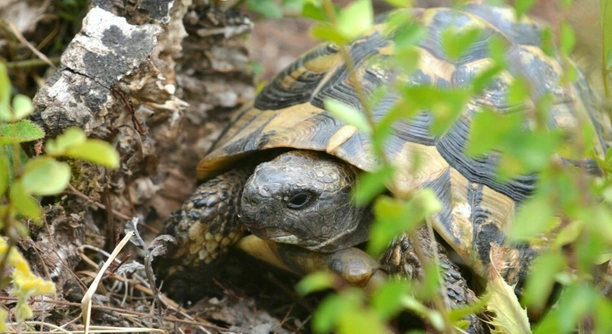
Creating an engaging environment for a Hermann’s tortoise is essential to their well-being. It not only encourages natural behaviors but also promotes their physical and mental health. Providing a stimulating habitat is key to a happy tortoise.
Enhancing a Hermann’s tortoise’s habitat involves offering a variety of textures, hiding spots, and environmental enrichment. Using rocks, plants, and interactive elements helps encourage exploration and mental stimulation. A well-designed habitat promotes exercise, exploration, and overall health.
By making a few adjustments, you can create a more dynamic space for your tortoise. These changes will support your pet’s natural instincts and improve its overall quality of life.
1. Add Variety with Natural Elements
To make your Hermann’s tortoise habitat more stimulating, include a variety of natural elements such as rocks, logs, and live plants. This provides different textures and surfaces that encourage exploration and climbing, which is important for both their physical and mental stimulation. A diverse environment mimics the tortoise’s natural habitat, helping to fulfill its instinctual needs. You can also include shallow water dishes or small pools for added interest. By allowing your tortoise to interact with a range of materials, you’re supporting its need for physical exercise and mental engagement.
Sometimes, adding a few plants like clover or dandelions can encourage foraging behavior. Be sure to choose safe, edible options to avoid any health risks. A natural environment will be more stimulating and comfortable for your tortoise.
Variety is key. Offering different textures and surfaces helps create an environment that meets both physical and mental needs, ensuring your tortoise stays engaged.
2. Create Hiding Spots
Creating hiding spots is essential for reducing stress in your tortoise’s habitat. Tortoises naturally seek shelter to rest, feel safe, or escape from uncomfortable stimuli. Incorporating objects like small caves, overturned clay pots, or hiding places made from logs or rocks gives your tortoise a safe retreat. These spaces will encourage the tortoise to move around more, as they feel more secure with options to hide when needed.
Tortoises are naturally shy animals. Providing hiding spots that are easily accessible ensures that they feel at ease in their environment, which reduces anxiety and promotes overall health. Keeping the hiding spots near their basking area allows them to retreat when they need to cool down, adding to the habitat’s dynamic.
This helps provide a more secure environment, reducing stress. It also supports their natural behaviors, making your tortoise feel comfortable in its space.
3. Provide Climbing Structures
Adding climbing structures such as rocks, ramps, or logs helps stimulate your tortoise physically. Climbing is a natural behavior, and giving them the opportunity to climb mimics their wild environment. This provides both exercise and mental engagement, helping to keep your tortoise healthy and active. It’s also an easy way to make the habitat more dynamic and interesting.
Place these structures in a way that encourages exploration without creating dangerous falls. Ensure that all climbing elements are stable and securely placed. Tortoises love to explore different elevations, which can also give them a sense of safety. By creating opportunities for climbing, you encourage your tortoise to move around, keeping them active and engaged.
Be sure the climbing structures don’t take up too much space or block their access to other areas, like their basking spot. It’s important to maintain balance in the environment while offering challenges.
4. Offer Different Substrates
Providing various substrates like sand, soil, and coconut fiber can help simulate a more natural environment for your tortoise. Each texture encourages different behaviors such as digging or burrowing. This adds depth to the habitat and keeps your tortoise occupied, offering a mental challenge as well.
Allowing your tortoise to dig in different materials also supports its instincts. Be sure to use safe, non-toxic substrates, and consider changing them periodically to maintain a fresh environment. Mixing textures helps to prevent your tortoise from becoming bored. It also promotes physical exercise and encourages your tortoise to interact with its space more. This variety helps mimic the natural conditions where tortoises dig for food, water, and shelter.
By providing different surfaces, you also ensure that the habitat stays enriched and exciting, which supports the overall well-being of your tortoise.
5. Use Safe, Edible Plants
Adding edible plants like dandelions, clover, and grasses to your tortoise’s habitat can provide both stimulation and nutrition. These plants encourage natural foraging behavior, which helps keep your tortoise active and mentally engaged. Be sure to research safe plants before adding them.
Including a variety of edible plants also makes your tortoise’s environment feel more like its natural habitat. This encourages them to spend more time foraging and exploring. It’s an easy way to enrich the space while supporting your tortoise’s diet and health.
6. Add Interactive Toys
Interactive toys, like puzzle feeders, can keep your tortoise entertained and mentally stimulated. These toys challenge your tortoise to think and problem-solve, encouraging natural behaviors like searching for food. It adds an extra level of enrichment to their environment.
Puzzle feeders help make mealtime more exciting. These can also be used to hide food, making your tortoise work for its treats. This provides both mental and physical stimulation, which is important for their overall well-being.
FAQ
How can I tell if my Hermann’s tortoise is bored?
Signs of boredom in Hermann’s tortoises can include inactivity, lack of interest in their environment, or repetitive behavior. If your tortoise is spending too much time hiding or staying in one spot, it may need more stimulation. Offering new textures, plants, or climbing structures can help encourage more activity and interaction with their habitat. Also, check that their habitat meets their basic needs, such as a proper temperature gradient and ample space to move around.
Is it safe to add plants to my tortoise’s habitat?
Yes, it is safe to add plants, but it’s important to choose the right ones. Avoid toxic plants and select varieties that are safe for tortoises to eat. Common safe options include dandelions, clover, and grasses. Plants not only provide a natural and enriching environment but also encourage your tortoise to forage, keeping them mentally engaged. Always double-check the safety of any plants before introducing them to avoid potential health risks.
How do I maintain the right temperature in the habitat?
Maintaining a proper temperature gradient is essential for your Hermann’s tortoise. Provide a basking area with a heat lamp that reaches around 90°F (32°C) and a cooler zone where the temperature stays around 70°F (21°C). Use a thermometer to monitor the temperature accurately. Adjust the heat source as needed, ensuring that your tortoise can move between warmer and cooler areas to regulate its body temperature.
Can I add water to my Hermann’s tortoise’s habitat?
Yes, water is essential for hydration, but the water should be shallow. A small dish with clean water allows your tortoise to drink and soak, which is important for hydration and digestion. Some tortoises also enjoy soaking in shallow water, but it’s essential to ensure the water level is not too high, as tortoises can drown if they are unable to climb out.
How often should I clean the tortoise’s habitat?
Clean the habitat regularly to ensure a healthy environment. Remove any uneaten food daily to prevent mold and bacteria. Change the substrate every few weeks, depending on how much your tortoise uses the space. Spot clean any waste or mess as needed. A deep clean, including disinfecting surfaces and replacing any bedding, should be done monthly to maintain a sanitary environment.
Should I offer my tortoise new food every day?
It’s a good idea to offer fresh food every day, but you don’t have to change it drastically every time. Tortoises benefit from a varied diet, so rotate different types of greens, flowers, and grasses. Offer food that mimics what they would eat in the wild, such as leafy greens, weeds, and safe flowers. Avoid feeding them high-protein foods frequently.
How do I encourage my tortoise to use climbing structures?
Tortoises are naturally inclined to explore and climb, but it may take some time for them to get comfortable with new structures. Place climbing elements near their basking area or hide food on them to encourage interaction. Make sure the structures are stable and not too high, as safety is key. Over time, they will become more accustomed to climbing, and it will add an exciting challenge to their habitat.
Can I use sand as a substrate for my tortoise’s habitat?
Sand can be used as a substrate but should be used with caution. It’s best to mix it with other materials like coconut fiber or soil to prevent impaction if ingested. Sand is good for mimicking a natural environment but needs to be kept clean and dry. Always check that your tortoise isn’t eating large amounts of sand, as this can cause digestive issues.
What should I do if my tortoise seems stressed?
If your tortoise is showing signs of stress, such as hiding excessively, pacing, or being less active, check for environmental issues first. Make sure the habitat is the correct temperature, humidity, and size. Ensure there are plenty of hiding spots and areas for exploration. Sometimes, stress can also come from handling, so limiting handling may help. If signs of stress persist, consult a veterinarian for further advice.
How can I make sure my tortoise’s habitat is safe?
Ensure your tortoise’s habitat is escape-proof and free of sharp edges or hazardous items. Check that all climbing structures are stable and cannot tip over. Remove any small objects that could be swallowed. Make sure there’s nothing toxic, such as certain plants or chemicals, in the habitat. Regularly inspect the space for any changes or risks to your tortoise’s health and safety.
Final Thoughts
Creating a stimulating habitat for your Hermann’s tortoise is an important part of keeping them healthy and happy. A well-enriched environment encourages natural behaviors like foraging, exploring, and climbing, which helps to keep your tortoise mentally and physically active. While it might take some time to set up the right space, the benefits of a more stimulating habitat are clear. Not only does it improve their overall well-being, but it also makes your tortoise’s life more enjoyable and engaging.
It’s essential to keep in mind that every tortoise is unique. Some may enjoy certain types of enrichment more than others, so it’s important to observe how your tortoise interacts with different elements in their habitat. For instance, some may love climbing structures, while others may prefer a variety of plants for foraging. By offering a range of enrichment options, you allow your tortoise to choose what they enjoy most. Remember that their preferences can change over time, so don’t hesitate to switch things up occasionally.
Ultimately, a stimulating habitat is about more than just the physical setup. Regular interaction and observation are key to understanding your tortoise’s needs. It’s also helpful to keep their habitat clean, monitor their health, and ensure the temperature and humidity are just right. With these factors in mind, you can create an environment that supports both their physical health and mental enrichment. The effort you put into providing a more engaging space will pay off in the form of a happier, healthier tortoise.

Hello,
If you enjoy the content that we create, please consider saying a "Thank You!" by leaving a tip.
Every little bit helps us continue crafting quality advice that supports the health, happiness, and well-being of pets around the world, for pets of all shapes, sizes, and species.
We really appreciate the kindness and support that you show us!