
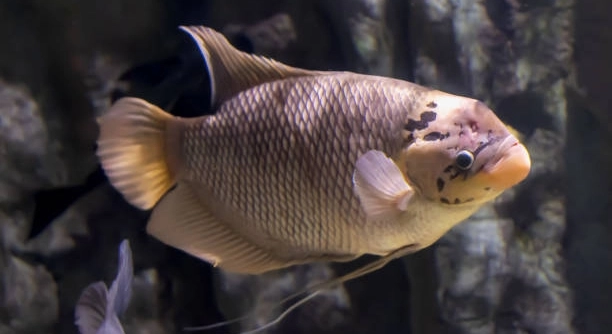
Gouramis are peaceful fish that enjoy calm and comfortable surroundings. They thrive in well-maintained aquariums and benefit from an environment that mimics their natural habitat. Making small adjustments can help them feel secure and content every day.
Creating a comfortable environment for a gourami involves proper tank size, temperature control, hiding spaces, and gentle water flow. Regular maintenance, compatible tank mates, and a varied diet are essential for promoting health and reducing stress in these fish.
Providing the right care can transform your aquarium into a safe and engaging home for your gourami. Simple changes can make a noticeable difference in their daily life.
Provide Plenty of Hiding Spaces
Gouramis feel safest when they have places to hide. Adding plants, caves, and decorations allows them to retreat when stressed or resting. Floating plants are especially helpful, as they create shaded areas that mimic natural conditions. These spots also reduce aggression from other fish. Overcrowding can increase stress, so consider the size of your aquarium when adding decorations. Real plants are better than plastic ones because they improve water quality and give the fish a sense of security. Some gouramis enjoy weaving through leaves, which keeps them active. Branches or driftwood can also serve as shelters and visual barriers. Hiding spaces prevent boredom and help reduce sudden stress from changes in light or movement near the tank. Observing how your gourami interacts with these spaces can guide you in adjusting the arrangement for optimal comfort. Adjusting decorations gradually prevents startling the fish. A well-planned layout contributes to both mental and physical well-being.
Adding hiding spaces reduces stress and promotes natural behavior. Plants, caves, and driftwood create secure zones, encourage exploration, and improve overall tank stability.
Creating a balanced environment means combining open swimming areas with cozy shelters. This mix allows gouramis to feel safe yet active. Hiding spaces also encourage natural behaviors like exploring and resting. Regularly checking and rearranging items prevents the tank from becoming stagnant. Over time, you’ll notice the fish using these areas frequently, showing that they feel secure.
Maintain Proper Water Conditions
Stable water conditions are essential for gourami health. Temperature, pH, and cleanliness affect their activity and stress levels.
Keeping water clean involves regular changes and monitoring for toxins. Aim for temperatures between 75-82°F and pH around 6.5-7.5. Use a reliable heater and thermometer to maintain stability. Filtration should provide gentle flow, as strong currents can tire them out. Avoid overfeeding, which can lead to water contamination. Testing water for ammonia, nitrites, and nitrates is crucial to prevent illness. Gouramis are sensitive to sudden changes, so any adjustments in temperature or pH should be gradual. Weekly partial water changes help maintain a healthy environment while removing excess waste. Soft water with moderate hardness is ideal, as extreme conditions may stress the fish and reduce immunity. Consistent monitoring ensures that the tank remains safe and comfortable. By understanding and controlling water conditions, you support your gouramis’ long-term health and natural behavior patterns.
Choose Compatible Tank Mates
Gouramis do best with peaceful fish that won’t nip at their fins or compete aggressively for food. Avoid overly territorial species and large predatory fish.
Keeping compatible tank mates ensures a calm environment. Small tetras, rasboras, and peaceful bottom dwellers work well. Aggressive fish can stress gouramis, reducing appetite and activity. It’s important to monitor interactions, especially when introducing new fish. Observing behavior helps prevent bullying or dominance disputes. Over time, peaceful companions allow gouramis to swim freely, explore their environment, and display natural behaviors without fear. A harmonious community also reduces stress-related illnesses and promotes overall tank stability, making maintenance easier. Choosing fish with similar water requirements ensures everyone thrives.
Introducing new fish gradually prevents sudden stress. Quarantining newcomers reduces disease risk. Gouramis adapt better when changes in their social environment are slow. Regular observation allows you to notice early signs of aggression or discomfort, such as hiding, color fading, or reduced movement. Ensuring each species has its own space, along with adequate food distribution, keeps interactions positive. Small adjustments, like adding extra plants or rearranging hiding spots, can balance social dynamics and support calmer behavior. This approach creates a healthier, more comfortable tank for all residents.
Offer a Varied Diet
A balanced diet keeps gouramis healthy and active. Include flakes, pellets, and occasional live or frozen foods.
Feeding variety ensures proper nutrition. Gouramis enjoy brine shrimp, bloodworms, and daphnia in moderation. Fresh vegetables like blanched spinach or peas provide fiber and support digestion. Overfeeding can cause obesity and water quality issues, so offer small portions multiple times a day. Observing which foods your gourami prefers helps tailor meals and reduce waste. Nutritional diversity strengthens their immune system, encourages natural foraging behaviors, and supports vibrant coloration. Rotating food types also prevents dietary boredom and maintains interest during feeding times, promoting consistent health and vitality.
Keep Lighting Gentle
Bright lighting can stress gouramis. Use soft or dim lighting to mimic natural conditions.
Floating plants help diffuse light, creating shaded areas. Avoid sudden changes in brightness, as this can startle the fish and make them hide more often.
Maintain Consistent Temperature
Gouramis are sensitive to temperature fluctuations. Keep the tank between 75-82°F using a reliable heater. Sudden changes can cause stress, reduce appetite, and make them more vulnerable to disease. Regularly check the thermometer and adjust gradually if needed to maintain stability.
Regular Tank Cleaning
Clean tanks prevent disease and keep gouramis healthy. Remove debris, uneaten food, and perform partial water changes regularly. This ensures clear water, stable conditions, and a more comfortable environment for swimming and exploring.
FAQ
How often should I feed my gourami?
Gouramis should be fed small amounts two to three times a day. Overfeeding can lead to poor water quality and digestive issues. Offering only what they can consume in a few minutes prevents waste buildup and keeps the tank healthier.
What is the ideal tank size for a gourami?
A minimum of 20 gallons is recommended for most gourami species. Larger tanks provide more swimming space and reduce territorial disputes, especially if you plan to keep multiple gouramis or other peaceful fish.
Can gouramis live with other fish?
Yes, but choose peaceful species. Tetras, rasboras, and small catfish usually do well. Avoid aggressive or fin-nipping fish, as they can stress gouramis, leading to illness or hiding behavior. Monitoring interactions when introducing new fish is important.
How do I know if my gourami is stressed?
Signs of stress include faded color, rapid breathing, hiding excessively, or reduced appetite. Changes in behavior often indicate water quality issues, improper tank mates, or sudden environmental changes. Addressing the cause quickly helps prevent disease.
Do gouramis need plants in their tank?
While not strictly necessary, live or floating plants create hiding spots and reduce stress. Plants also improve water quality and mimic natural habitats, allowing gouramis to feel secure and exhibit normal behaviors.
How often should I change the water?
Partial water changes of 20-25% every week help maintain stable water conditions. Regular cleaning removes toxins and waste, supporting healthy growth and vibrant coloration. Avoid changing too much water at once, which can shock the fish.
What temperature is best for gouramis?
Maintain a temperature between 75-82°F. A stable temperature prevents stress and supports proper digestion and immune function. Use a reliable heater and thermometer to monitor conditions. Avoid sudden changes, as they can weaken your fish’s health.
Can gouramis eat live food?
Yes, live food like brine shrimp or daphnia is beneficial in moderation. It encourages natural hunting behaviors and provides extra protein. Balance live food with pellets, flakes, and occasional vegetables for a complete diet.
How do I prevent my gourami from fighting with tank mates?
Provide ample hiding spaces and monitor behavior. Introducing fish gradually and avoiding overcrowding helps. Choose compatible species, and ensure everyone has access to food and shelter. Rearranging decorations occasionally can reduce territorial disputes.
Why is my gourami not eating?
Loss of appetite may indicate stress, illness, poor water quality, or temperature issues. Observing behavior and checking water parameters helps identify the problem. Adjusting diet, tank conditions, or environment usually restores normal feeding patterns.
How can I keep my gourami healthy long-term?
Maintain clean water, stable temperature, and a balanced diet. Monitor for signs of stress or disease, and provide a calm, well-structured environment. Regular observation ensures early detection of problems and supports a longer, healthier life.
Are gouramis social fish?
Gouramis are moderately social. Some species enjoy the company of their kind, while others prefer being alone or in small groups. Observing individual behavior helps determine the best setup for your tank.
Do gouramis need a bubbler or strong filter?
Gouramis prefer gentle water flow. Strong currents can stress them, so use a mild filter or adjust the flow. Bubblers are not required but can be used to increase oxygen levels without creating strong currents.
How can I encourage my gourami to explore the tank?
Providing plants, caves, and open swimming areas encourages natural activity. Changing the arrangement occasionally adds interest. Observing their preferences and adjusting decorations helps create an engaging and safe environment.
What should I do if my gourami gets sick?
Isolate the affected fish if possible and test water parameters. Common treatments include adjusting water quality, changing diet, or using appropriate medication. Early intervention improves recovery chances. Always follow instructions for dosage and duration carefully.
Can gouramis live in small tanks?
They can survive in smaller tanks, but it increases stress and limits natural behavior. A larger tank is preferable for health, activity, and social balance. Small tanks require extra monitoring and frequent water maintenance.
Is it necessary to cycle a new tank before adding gouramis?
Yes, cycling establishes beneficial bacteria that break down waste. Introducing fish into an uncycled tank can lead to ammonia spikes, stress, and illness. Test water to ensure safe levels of ammonia, nitrites, and nitrates before adding gouramis.
How long do gouramis live?
With proper care, most gouramis live 4-6 years, though some species can reach 8 years. Consistent diet, clean water, and a stable environment support longevity. Monitoring health regularly helps identify potential problems early.
Do gouramis need a lid on the tank?
Yes, gouramis can jump, so a secure lid prevents escapes. A lid also helps maintain stable temperature and reduces debris entering the tank, keeping the environment safer and cleaner.
Can gouramis tolerate different pH levels?
Gouramis prefer slightly acidic to neutral water, around pH 6.5-7.5. Minor fluctuations are tolerated, but sudden changes can stress them. Consistent monitoring ensures their environment remains stable and supports health.
This FAQ provides essential guidance for everyday care, ensuring gouramis remain healthy, active, and comfortable in their aquarium.
Caring for gouramis can be simple if you focus on the basics. Providing a stable and comfortable environment is the first step. Proper tank size, gentle water flow, and hiding spots help reduce stress and encourage natural behavior. Gouramis thrive when they feel safe, so arranging plants, decorations, and floating cover can make a noticeable difference in their daily activity. Overcrowding should be avoided, and compatible tank mates are important for maintaining harmony in the aquarium. Peaceful species that do not nip fins or compete aggressively for food create a calm environment where gouramis can explore and interact naturally. Observing how your fish use hiding spaces or interact with other fish helps guide small adjustments that improve their comfort and reduce stress.
Maintaining water quality is equally important. Regular partial water changes, monitoring temperature, and keeping pH stable are essential for their health. Gouramis are sensitive to sudden changes in water conditions, so gradual adjustments are necessary. A reliable heater, thermometer, and gentle filtration help create a consistent and healthy environment. Feeding is another critical aspect of care. A balanced diet of flakes, pellets, and occasional live or frozen foods ensures proper nutrition. Including fresh vegetables like spinach or peas provides fiber and supports digestion. Avoiding overfeeding prevents waste buildup and helps maintain water quality, while offering a variety of foods encourages natural foraging behaviors and keeps the fish engaged. Proper feeding and clean water work together to support immune health, vibrant colors, and long-term well-being.
Finally, paying attention to behavior and environment helps keep gouramis happy. Signs of stress, such as hiding, color fading, or reduced appetite, should be addressed quickly. Small changes like rearranging decorations, adding extra hiding spots, or adjusting tank mates can improve comfort. Gouramis also enjoy gentle lighting and a stable temperature, which mimic natural conditions and reduce stress. Consistent care, observation, and gradual adjustments create a safe and engaging environment. Over time, these small efforts result in fish that are active, healthy, and more interactive. By focusing on stability, nutrition, and a thoughtfully arranged habitat, you ensure that your gouramis live a full and comfortable life in your aquarium.

Hello,
If you enjoy the content that we create, please consider saying a "Thank You!" by leaving a tip.
Every little bit helps us continue crafting quality advice that supports the health, happiness, and well-being of pets around the world, for pets of all shapes, sizes, and species.
We really appreciate the kindness and support that you show us!