
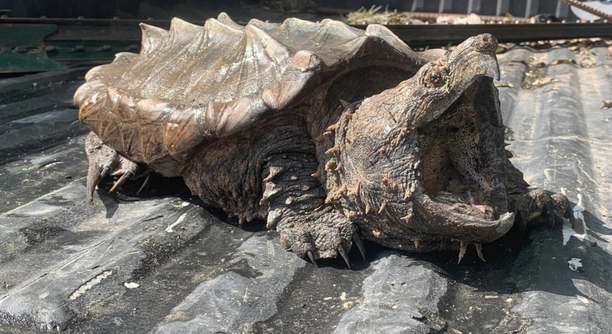
Creating a comfortable and secure hiding spot for your alligator snapping turtle is essential to ensure its well-being. These turtles need a space where they feel safe and can retreat from time to time.
The best way to create a DIY hiding spot is by using natural materials like rocks, logs, and plants that mimic their natural habitat. You can also use aquarium decorations or other waterproof items to provide a secure hiding area.
Setting up a hiding spot will offer your turtle the peace it needs. Keep reading for tips on how to create the perfect space for your pet.
Choosing the Right Materials for Your Alligator Snapping Turtle’s Hiding Spot
When setting up a hiding spot, the materials you choose play a key role in creating a safe and comfortable space for your alligator snapping turtle. It’s important to replicate the natural environment as much as possible. Rocks, driftwood, and plants are ideal since they provide hiding spaces and mimic the turtle’s natural habitat. Additionally, using a mix of these materials will offer a variety of textures, which can help your turtle feel more secure.
Waterproof decorations, like artificial caves or ceramic tunnels, also work well and are easy to clean. These materials can be placed underwater or above water, depending on your turtle’s preference. It’s important to ensure that there are no sharp edges that could harm the turtle.
Try to avoid using plastic items, as they may not blend well with the natural environment and could be uncomfortable for your turtle. Keep the materials simple and functional to create a place your turtle will want to retreat to when needed.
Positioning the Hiding Spot
The position of the hiding spot is just as important as the materials. It should be placed in a quiet, low-traffic area of the tank to reduce stress. This allows your turtle to feel safe without disturbance.
Make sure the hiding spot is near a water source, as alligator snapping turtles are aquatic and spend most of their time submerged. Proper placement ensures the turtle has easy access to its hideaway while feeling secure in its surroundings.
Hiding Spot Size and Space Considerations
The size of the hiding spot should match your turtle’s size and provide enough room for it to turn around comfortably. Avoid too small or too large hiding spots that may cause your turtle to feel either trapped or exposed.
A small space may be too restrictive, while an overly large space could make your turtle feel vulnerable. Opt for a hiding area that allows your turtle to crawl in and curl up comfortably, offering both safety and a sense of privacy. This gives the turtle a chance to rest and feel protected when needed. The hiding spot should also be easy for you to access for cleaning and maintenance.
It’s crucial to keep the space clutter-free and not overcrowded with unnecessary items, so your turtle has clear access to its safe spot at all times. The right size ensures your turtle can retreat and relax when needed, creating a peaceful environment.
Easy Access to Water
Alligator snapping turtles thrive in water, so it’s essential to position their hiding spot near a water source. It allows them to feel secure while being able to submerge when needed.
By placing the hiding area close to the water, your turtle can easily move in and out, accessing the water without feeling confined. The water should be clean and deep enough to allow your turtle to submerge its entire body, which is vital for its well-being. A water source near the hiding spot will also ensure the turtle stays hydrated and maintains proper body temperature.
Since alligator snapping turtles are primarily aquatic, creating a natural transition from the hiding space to the water is important. Make sure the space isn’t too far from the water, as your turtle might feel exposed and stressed. The right proximity encourages the turtle to feel at ease.
Adding Plants for a Natural Feel
Plants help create a more natural environment for your turtle. They provide extra hiding spots and mimic the turtle’s natural habitat.
Live plants like anubias, Java ferns, and water lilies are good options. They add texture to the tank, making the space feel safer and more familiar. Plants also offer extra surface area for your turtle to climb on or hide under. Additionally, plants improve water quality by absorbing excess nutrients, which can help maintain a healthy tank environment. Choose low-maintenance plants that can thrive in aquatic conditions.
Substrate Choice for Comfort
The type of substrate you use impacts the comfort and cleanliness of your turtle’s hiding spot. Opt for a natural substrate like fine gravel or smooth river rocks.
These materials allow your turtle to dig, hide, and feel more secure. Avoid sharp or rough substrates that may cause injury. A substrate that’s easy to clean is essential for keeping the hiding spot hygienic. Make sure the substrate is not too deep, so it doesn’t become difficult to clean or disrupt the tank’s water quality. The right substrate promotes a natural environment.
Temperature Control for Comfort
Temperature control is crucial for your alligator snapping turtle’s health. Make sure the hiding spot is in a spot where the water temperature stays consistent and comfortable for your turtle.
It’s important to maintain a water temperature of 75-80°F for an alligator snapping turtle. This will help keep them healthy and active. A proper temperature also ensures your turtle can regulate its body temperature when resting in its hiding spot. Placing the spot away from direct heat sources is key to maintaining balance, as too much heat can cause stress or discomfort. A reliable water heater can help maintain the desired temperature.
FAQ
How often should I clean my alligator snapping turtle’s hiding spot?
It’s important to clean your turtle’s hiding spot regularly to maintain a healthy environment. Clean the area once a week, especially if it’s underwater. Remove any waste, uneaten food, or algae buildup. This ensures the tank stays hygienic and the hiding spot remains a safe retreat for your turtle. If you notice any signs of mold or bacteria growth, clean it immediately.
Can I use artificial decorations in my turtle’s hiding spot?
Yes, artificial decorations are a great option for creating a hiding spot. Make sure the decorations are made from non-toxic materials and have smooth edges to avoid injury. Ceramic or resin-made caves, tunnels, and rocks work well. However, avoid plastic items that can deteriorate over time and potentially harm your turtle.
What size should the hiding spot be for my alligator snapping turtle?
The hiding spot should be large enough for your turtle to turn around comfortably and feel secure but not so large that it feels exposed. A good rule of thumb is to make sure the space allows the turtle to hide inside without feeling cramped. It should also allow easy access to water.
Can I place multiple hiding spots in the tank?
Yes, multiple hiding spots can be beneficial, especially if you have a larger tank. Having more than one spot allows your turtle to choose the area that feels safest at the time. It’s important to place them in different locations to mimic natural hiding behavior, ensuring your turtle has options when it wants to rest or retreat.
Do I need to put a lid on the hiding spot?
A lid is not necessary unless your alligator snapping turtle is small enough to potentially escape. If you do add a lid, ensure it’s easy to remove for cleaning and monitoring. Make sure the turtle can easily crawl in and out of its hiding spot, and that it doesn’t feel trapped inside.
Can I use sand or gravel as a substrate for the hiding spot?
Both sand and gravel can be used as substrates, but be cautious. Sand is fine as long as it’s not too fine, which can be difficult to clean and may cause digestive issues if your turtle ingests it. Gravel, on the other hand, can work well, but be sure it’s smooth and not sharp. A mix of both materials can also provide variety, which is beneficial for your turtle’s comfort.
How do I know if my alligator snapping turtle feels safe in its hiding spot?
Watch your turtle’s behavior closely. If it frequently retreats to the hiding spot and spends time there, it’s a sign that it feels secure. If your turtle seems stressed or avoids the spot, try adjusting the size, placement, or materials used. A happy, healthy turtle will seek its hiding place to relax and feel safe.
Should I add any food or treats in the hiding spot?
It’s not necessary to put food in the hiding spot. Alligator snapping turtles are generally opportunistic eaters and will look for food in other areas of the tank. However, you can occasionally place food near the hiding spot to encourage your turtle to explore and use the area more. Make sure the food does not contaminate the hiding spot by adding excess waste.
How can I prevent my turtle from destroying the hiding spot?
Turtles can sometimes move or destroy decorations, especially if they are too small or unstable. Make sure the hiding spot is securely placed and not easily moved. You can also secure larger objects with aquarium-safe adhesive if needed. Regularly check that the hiding spot remains intact and is not becoming a source of stress for your turtle.
What type of plants should I add to the hiding spot?
Live aquatic plants like Java fern, anubias, and water lilies are good options. These plants thrive in aquatic environments and provide additional hiding places, making the area feel more secure and natural for your turtle. Avoid using plants that are toxic to turtles, and make sure they are able to withstand the conditions in your tank.
Can I put the hiding spot near the filter or water pump?
It’s not ideal to place the hiding spot directly near the filter or water pump. The water current from these devices can be too strong for your turtle and might cause stress or discomfort. Instead, place the hiding spot in an area with calmer water flow, where the turtle can rest peacefully without being disturbed by the current.
Is it okay to place the hiding spot above the waterline?
Yes, placing a hiding spot above the waterline can work, especially if your turtle likes to spend time on land. However, make sure that your turtle can easily access both the water and the hiding spot. Some alligator snapping turtles prefer to rest on dry land, but they still need quick access to water to stay hydrated.
Should I change the location of the hiding spot occasionally?
It’s generally best to keep the hiding spot in a consistent location, as frequent changes can confuse or stress your turtle. If you do need to move it, try to do so gradually, ensuring your turtle still has access to a secure place to retreat. Consistency is key to making your turtle feel safe.
Final Thoughts
Creating the perfect hiding spot for your alligator snapping turtle is an important step in ensuring its well-being and comfort. Turtles are naturally shy creatures and need a place where they feel secure. A well-thought-out hiding spot can help reduce stress, promote natural behaviors, and provide a peaceful retreat. When setting up this space, it’s essential to consider factors such as size, accessibility, and materials that are safe for your turtle.
Remember that alligator snapping turtles require both land and water areas to thrive, so placing the hiding spot in the right location within the tank is crucial. The hiding spot should be large enough for your turtle to feel comfortable but small enough to provide a sense of security. It should also be easy to clean and maintain to ensure the health of your turtle. Using natural materials like rocks, plants, and smooth substrates can help mimic a natural habitat and make your turtle feel at home.
Ultimately, the key to a successful hiding spot is observing your turtle’s behavior. Every turtle is different, and it may take some time for them to adjust to new hiding spots. If your turtle seems to prefer one spot over another, it’s a good indication that it feels safe and secure there. Experimenting with different arrangements and ensuring the environment is suitable for your turtle’s needs can go a long way in providing it with a comfortable, healthy habitat.

Hello,
If you enjoy the content that we create, please consider saying a "Thank You!" by leaving a tip.
Every little bit helps us continue crafting quality advice that supports the health, happiness, and well-being of pets around the world, for pets of all shapes, sizes, and species.
We really appreciate the kindness and support that you show us!