
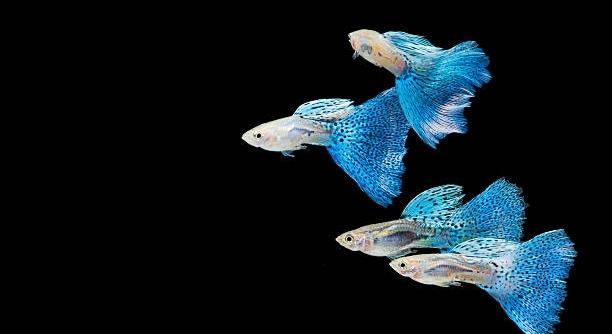
Keeping guppies in a healthy tank is essential for their well-being. These tiny fish can be sensitive to changes in their environment, but with proper care, they can thrive in a balanced habitat. Healthy tanks lead to happy fish.
Maintaining a healthy guppy tank involves regular cleaning, proper water parameters, and a balanced diet. Frequent water changes, filtration, and monitoring temperature and pH levels are key to ensuring that your guppies live a long, healthy life.
Proper care can make all the difference. By taking a few simple steps, you can avoid common mistakes that impact their health and happiness.
Regular Water Changes
Guppies thrive in clean water, and regular water changes are essential for their health. Without frequent changes, harmful substances like ammonia and nitrites can build up, creating an environment that could cause stress or illness for your fish. A good rule of thumb is to change 25-30% of the water in the tank every week. This helps to keep the water fresh and maintain a balanced environment for your guppies. Make sure to use water conditioner to remove chlorine and other harmful chemicals before adding fresh water to the tank.
For tanks with more fish, you might need to increase the frequency or amount of water changed to ensure the water stays clean and safe.
Changing the water consistently prevents the accumulation of waste products. It also helps maintain the water’s pH, hardness, and temperature levels. This simple routine will make a huge difference in the overall health and well-being of your guppies. Regular water changes also prevent algae overgrowth, which can make the tank look dirty and affect water quality.
Proper Filtration System
A good filtration system is another vital part of keeping your guppy tank healthy. It helps keep the water clean and oxygenated by removing debris, excess food, and waste from the tank. Make sure to choose a filter that is appropriately sized for your tank. A filter that’s too powerful can stress the guppies, while one that’s too weak won’t do the job effectively.
Filters need regular maintenance, such as cleaning and replacing the filter media to keep working efficiently. If you notice the water looking cloudy or having a strange smell, it might be time to check the filter or clean it. Having a quality filtration system in place will significantly reduce the risk of water problems in your tank.
Temperature Control
Maintaining a stable temperature is crucial for guppy health. They thrive in water temperatures between 72°F and 82°F (22°C to 28°C). Sudden temperature changes can cause stress, making your guppies more susceptible to illness. Use an aquarium heater to regulate the temperature, especially in colder climates.
Check the temperature regularly with an aquarium thermometer. If your tank fluctuates too much, it could lead to problems like poor immune function or breeding difficulties. A consistent temperature helps maintain a healthy environment, which is essential for their overall well-being. Avoid placing your tank near direct sunlight or air conditioners, as these can cause fluctuations in the water temperature.
A stable, warm environment promotes better digestion, growth, and reproductive health. Guppies are more active and less stressed when the temperature stays steady, so maintaining this balance is key. If you’re unsure about the right heater for your tank, choose one with an adjustable thermostat and automatic shut-off to avoid overheating.
Water pH and Hardness
Guppies prefer slightly alkaline water with a pH between 7.0 and 8.0. Water that’s too acidic or too basic can cause stress or prevent proper breeding. To maintain this balance, test the water regularly with a pH test kit. Adjustments can be made using pH buffers if necessary.
Water hardness is just as important. Guppies do best in moderately hard water, with a hardness of 8-12 dGH. Water that’s too soft or too hard can cause health issues over time. Test for hardness with a water hardness test kit and adjust it with aquarium salt or other additives, if needed.
Proper pH and hardness levels support your guppies’ ability to absorb nutrients, reproduce, and stay healthy. Make sure to check both factors regularly and adjust the water as needed. Stable water conditions lead to happier, healthier fish.
Feeding Routine
Feeding your guppies the right amount of food is important for their health. Overfeeding can pollute the water and lead to obesity. Feed small portions 2-3 times a day, making sure all the food is consumed within a few minutes.
Only offer enough food that your guppies can eat in a couple of minutes. This prevents waste from building up in the tank and keeps the water cleaner. If you see leftover food, reduce the amount next time.
It’s also essential to offer a varied diet. While flake food works well as a staple, supplement it with frozen or live foods like brine shrimp or daphnia. This ensures they get all the necessary nutrients for growth and breeding.
Tank Size and Space
Guppies need enough space to swim freely and thrive. A tank that’s at least 10 gallons is recommended for a small group of guppies. Smaller tanks can become overcrowded quickly, affecting water quality.
Overcrowding can lead to stress, aggression, and poor water conditions. A larger tank with good filtration and space for the fish to swim will keep the environment healthy and reduce the chance of health problems. If you plan to add more guppies, always increase the tank size accordingly.
Decorations and Hiding Spots
Adding plants, rocks, and decorations to your tank provides guppies with hiding spots and swimming areas. It reduces stress, especially when they feel threatened. Guppies enjoy exploring and swimming in plants or around rocks.
Be sure to avoid sharp objects that could hurt your guppies. Soft plants and smooth decorations are safer.
FAQ
How often should I change the water in my guppy tank?
Changing the water once a week is ideal. Aim for 25-30% of the tank’s water to be replaced each time. Regular water changes prevent the buildup of harmful chemicals like ammonia and nitrites, which can harm your guppies. If your tank is heavily stocked, you may need to do more frequent changes. Always make sure the new water is treated with a water conditioner to remove chlorine and other toxins.
Can I use tap water for my guppy tank?
Yes, but tap water often contains chlorine or chloramine, which can be harmful to your guppies. Always treat tap water with a water conditioner before adding it to the tank. Additionally, check the water’s pH and hardness to ensure it’s within the suitable range for guppies. If the tap water is too soft or too hard, you may need to adjust it with aquarium additives.
What should I feed my guppies?
A balanced diet is important for guppies. You can feed them high-quality flake food, but it’s best to offer variety. Supplement their diet with live or frozen foods like brine shrimp, bloodworms, or daphnia. It helps to provide vegetables, like spinach or zucchini, to ensure they get a full range of nutrients. Make sure to feed them small amounts multiple times a day, only offering what they can eat in a couple of minutes to avoid water pollution.
How many guppies can I keep in a 10-gallon tank?
A 10-gallon tank can comfortably house 5-8 guppies, depending on their size and the number of other tank mates. Keep in mind that guppies are active and require space to swim. Overcrowding can lead to stress, poor water quality, and health problems. If you plan to breed guppies, it’s important to account for the additional space needed for the babies.
Why are my guppies swimming at the surface of the water?
If your guppies are swimming at the surface, it could indicate a lack of oxygen in the tank. Ensure your filter is working properly, and consider adding an air pump or surface agitation to increase oxygen levels. Guppies also tend to swim at the surface if they are stressed or if the water temperature is too high. Double-check your tank’s temperature and water quality to make sure they are within safe ranges.
How do I know if my guppies are stressed?
Stressed guppies may show signs like rapid swimming, hiding, or even loss of color. They might also exhibit erratic swimming behavior, such as darting around or hovering near the surface. Stress can be caused by poor water quality, overcrowding, or aggressive tank mates. To help reduce stress, keep the water clean, maintain proper temperature, and provide hiding spots.
Can guppies live with other fish?
Yes, guppies can live with many other species, but it’s important to choose tank mates carefully. Avoid keeping them with aggressive fish that may nip at their fins. Good tank mates include peaceful species like tetras, mollies, and platies. Always ensure that the fish you add have similar water requirements and are not overly territorial.
How do I breed guppies?
Breeding guppies is relatively easy, as they are livebearers. To breed them, you need at least one male and one female. Female guppies are often larger and can store sperm for several months, allowing them to have multiple batches of fry. Provide plenty of hiding spots in the tank for the fry, as adult guppies may eat their young. Keep the water clean, and ensure the temperature stays between 72°F and 82°F for optimal breeding conditions.
Why are my guppies turning pale or losing color?
Pale or colorless guppies may be stressed or sick. It could be a sign of poor water quality, malnutrition, or a disease. Check the water parameters—especially pH, ammonia, and temperature—and make adjustments if needed. If the problem persists, consider consulting a vet or aquatic specialist to rule out any illnesses.
Can I use a sponge filter in my guppy tank?
Yes, a sponge filter can be an excellent choice for guppy tanks, especially for smaller or heavily planted tanks. Sponge filters provide gentle filtration, which is less likely to stress small fish like guppies. They also allow for a safer environment for baby guppies, who may get caught in stronger filters. However, you may need an additional filter if your tank is heavily stocked.
How long do guppies live?
Guppies typically live 2-3 years, although some can live longer with optimal care. Their lifespan can be influenced by factors such as water quality, diet, and tank conditions. Properly maintained tanks with stable temperature, clean water, and regular feeding can help extend their lifespan. Keep an eye on your guppies’ health to ensure they’re happy throughout their life.
Do guppies need a heater in their tank?
Yes, guppies need a heater to maintain a stable temperature. They prefer warm water between 72°F and 82°F. If you live in a cooler climate, a reliable aquarium heater is essential to keep the water temperature consistent. Guppies are sensitive to temperature fluctuations, so a steady, warm environment is necessary for their well-being.
Final Thoughts
Maintaining a healthy guppy tank doesn’t have to be complicated, but it does require regular attention and care. By keeping the water clean, checking the temperature, and providing a balanced diet, you can ensure your guppies live a long and healthy life. Consistency is key. Regular water changes, proper feeding routines, and monitoring water parameters like pH and hardness are all essential parts of a healthy tank. These steps may seem small, but together they create a stable environment for your guppies to thrive in.
It’s also important to remember that guppies are social creatures and enjoy the company of other peaceful fish. However, it’s crucial to choose tank mates wisely to avoid aggression or stress. Providing enough space for all your fish to swim freely is just as important as keeping the water clean. Overcrowding can lead to poor water quality and stress, so always consider the size of your tank and the number of fish you have. Additionally, offering hiding spots like plants and rocks helps reduce stress and provides a more natural environment for your guppies.
Overall, keeping guppies happy and healthy is about maintaining balance in the tank. A little effort each week goes a long way. From setting up the tank correctly to monitoring water quality and temperature, every detail plays a part in creating a thriving environment for your guppies. With proper care, your guppies can live for several years, providing you with colorful and lively companions. Just be patient and observe their behavior, and you’ll be able to address any issues as they arise.

Hello,
If you enjoy the content that we create, please consider saying a "Thank You!" by leaving a tip.
Every little bit helps us continue crafting quality advice that supports the health, happiness, and well-being of pets around the world, for pets of all shapes, sizes, and species.
We really appreciate the kindness and support that you show us!