
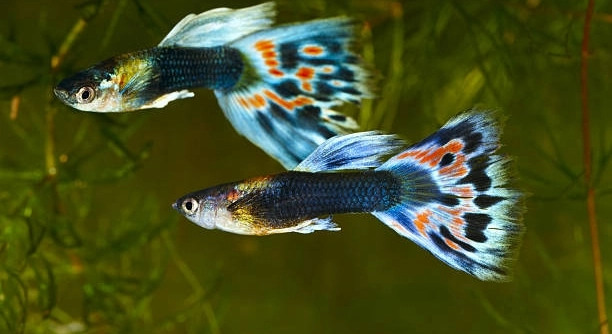
Are your guppies thriving in a clean and balanced environment? Maintaining the right water quality is essential for the health and happiness of your fish. In this guide, we’ll explore key tips to keep your aquarium water pristine.
To maintain optimal water quality for guppies, regular water changes, proper filtration, and monitoring water parameters such as pH, ammonia, nitrites, and nitrates are crucial. Additionally, removing excess food and debris ensures a clean environment for your fish.
Learning how to maintain good water quality will help you create a healthy and stable environment for your guppies, ensuring they thrive in the long term.
Regular Water Changes
Keeping your aquarium water clean is one of the simplest and most effective ways to maintain guppy health. Frequent water changes prevent the buildup of harmful toxins like ammonia and nitrates. Changing about 25-30% of the water weekly helps ensure that your fish stay in a fresh and healthy environment.
In addition to maintaining water quality, water changes reduce the risk of algae growth, which can make the tank look unpleasant. Regular changes also help to regulate water temperature and prevent fluctuations that can stress your guppies.
If you’re unsure how much water to change, aim for a 25-30% replacement each week. Using a gravel vacuum during the process helps to remove debris from the substrate, which may otherwise decay and negatively impact water quality. Make sure to add dechlorinated water back into the tank to keep your fish safe. The stability of your guppies’ environment is directly tied to how often you refresh the water.
Proper Filtration
Proper filtration is key for maintaining clean water. It removes debris, excess food, and waste from the tank, keeping your water clear.
An efficient filtration system ensures that harmful substances don’t build up, helping to avoid problems like cloudy water or low oxygen levels. For guppies, a filter with both mechanical and biological filtration is ideal, as it helps maintain both water cleanliness and overall tank stability.
Monitor Water Parameters
Keeping an eye on your tank’s water parameters is crucial. Regular testing helps you track changes in pH, ammonia, nitrites, and nitrates, all of which directly affect your guppies’ health. Investing in a good test kit is an easy way to ensure the water stays safe.
Maintaining the right water chemistry can be tricky, but it’s vital. Guppies thrive in slightly alkaline water with a pH range of 7.0 to 8.0. Ammonia and nitrite levels should be zero, while nitrates should be kept below 20-40 ppm. Regularly testing your water allows you to catch problems before they become serious.
If you notice any imbalances, consider adjusting the water’s conditions slowly. For example, to decrease nitrates, increase the frequency of water changes. If pH levels shift too drastically, you might need a water buffer. Monitoring helps you stay proactive and keep your guppies happy.
Remove Excess Food and Debris
Excess food and debris can cause rapid water quality deterioration. Overfeeding is a common mistake, leading to leftover food that decays and increases ammonia levels.
To prevent this, feed your guppies small amounts that they can consume in a few minutes. It’s also important to remove any uneaten food after feeding. Use a net or siphon to clean up any debris that settles at the bottom of the tank. Regular cleaning will reduce the chances of toxins building up in the water.
Use Live Plants
Live plants not only beautify your tank but also improve water quality. They absorb excess nutrients, helping to reduce nitrates and keeping your tank cleaner.
Additionally, plants provide a natural hiding place for your guppies, reducing stress and giving them a more comfortable environment. They also help oxygenate the water, improving the overall quality.
Adding a few hardy plants like Java fern or Anubias can be a great way to start. Make sure to trim them regularly to prevent overgrowth, which can lead to more debris and excess waste in the tank.
Avoid Overcrowding
Overcrowding can cause water quality problems and stress your guppies. Each guppy requires enough space to swim freely and maintain a healthy environment.
A good rule of thumb is to allow one inch of fish per gallon of water. If you have a small tank, consider limiting the number of guppies to avoid overcrowding and keep water quality in check.
FAQ
How often should I change the water in my guppy tank?
Water changes are essential for keeping your guppies healthy. A 25-30% water change every week is a good routine to follow. This helps remove toxins like ammonia and nitrates that can build up over time, keeping the water clean and your fish happy. If you have a larger tank or a higher fish population, you might need to adjust the frequency slightly.
Can I use tap water for my guppy tank?
Tap water can be used, but it must be treated first. Most tap water contains chlorine or chloramine, which can harm your guppies. Use a water conditioner to neutralize these chemicals before adding the water to your tank. Always test the water parameters like pH, hardness, and temperature before introducing it to your aquarium to ensure a safe environment for your fish.
How do I maintain the proper temperature for my guppies?
Guppies thrive in temperatures between 72°F and 82°F (22°C to 28°C). Use an aquarium heater to maintain a stable temperature within this range. Be sure to place a thermometer in your tank to monitor the water temperature regularly. Sudden temperature changes can stress your guppies, leading to health issues.
What kind of filter is best for a guppy tank?
For a guppy tank, a filter that provides both mechanical and biological filtration is ideal. Mechanical filtration removes debris, while biological filtration breaks down harmful substances like ammonia. A sponge filter is a good option for smaller tanks, as it provides gentle filtration without creating strong currents that could stress your guppies. Ensure the filter is the right size for your tank.
How do I know if my guppies are stressed?
Signs of stress in guppies include rapid swimming, erratic movements, hiding more than usual, or clamping their fins close to their bodies. Poor water quality, aggressive tank mates, overcrowding, or temperature fluctuations can lead to stress. Regularly testing the water and maintaining stable conditions can help prevent stress-related health issues.
Can I keep guppies with other types of fish?
Yes, guppies are generally peaceful and can live with many other species. However, they do best with other small, non-aggressive fish. Avoid housing them with fin-nipping species or large, aggressive fish that may stress or harm them. Common tank mates include tetras, mollies, and Corydoras catfish. Always ensure that the fish share similar water temperature and pH preferences.
How can I prevent algae growth in my guppy tank?
Algae thrive in tanks with excess nutrients and light. To prevent algae growth, avoid overfeeding your guppies and perform regular water changes. Reduce the amount of light your tank receives by limiting the light to 8-10 hours a day. Live plants can also help absorb excess nutrients, making it harder for algae to take hold.
Why are my guppies getting sick?
Guppies can get sick due to poor water quality, overcrowding, or the introduction of infected fish. Regular water testing, maintaining proper filtration, and keeping the tank clean are key to preventing illness. Common illnesses include fungal, bacterial, and parasitic infections, which can often be avoided with proper care. If you notice signs of illness, such as discolored spots or lethargy, you may need to quarantine sick fish and treat them with medication.
Should I add aquarium salt to my guppy tank?
While aquarium salt can be beneficial for treating certain fish diseases, it’s generally not necessary for a healthy guppy tank. Overuse of salt can affect water chemistry, making it harder to maintain the right environment for your fish. If you choose to use salt, be sure to follow the instructions carefully and use it only when needed.
How do I keep my guppies’ tank clean?
Keeping your guppy tank clean involves regular maintenance like water changes, substrate cleaning, and filter upkeep. Remove uneaten food and any debris that settles on the bottom of the tank. It’s also helpful to use a gravel vacuum during water changes to keep the substrate clean. A well-maintained tank will improve water quality and ensure your guppies thrive.
Can I breed guppies in my aquarium?
Yes, guppies are livebearers, meaning they give birth to live young. If you have both male and female guppies, you may eventually see baby guppies (fry) in your tank. To prevent them from being eaten by the adults, consider adding a breeding box or separate nursery tank for the fry. Ensure that the water conditions remain optimal for both adults and fry, and provide proper food for the newborns.
Final Thoughts
Maintaining good water quality in your guppy tank is crucial for keeping your fish healthy and happy. Regular water changes, proper filtration, and monitoring key water parameters like pH and ammonia levels are essential steps in creating a stable environment. Over time, these simple practices will make a big difference in the long-term health of your guppies. It’s also important to remember that a clean tank helps prevent issues like algae growth and stress, which can negatively affect your fish’s well-being.
Taking small, consistent actions like removing excess food, using live plants, and avoiding overcrowding can make maintaining water quality easier. By providing your guppies with a clean, balanced habitat, you can create a space where they feel safe and comfortable. This will allow them to thrive, display their beautiful colors, and even reproduce if you’re interested in breeding. Keeping the tank clean not only improves their health but also enhances the overall aesthetic of your aquarium.
Lastly, maintaining good water quality is a continuous process. It’s not about one-time fixes but about setting up routines that keep the tank environment stable. Consistency is key, whether it’s through regular water changes, testing water parameters, or ensuring proper filtration. Once you get into a routine, it becomes easier to maintain, and your guppies will thrive for years to come. Keeping the water quality at its best is one of the most important parts of caring for your guppies, and it will be rewarding to see them flourish.

Hello,
If you enjoy the content that we create, please consider saying a "Thank You!" by leaving a tip.
Every little bit helps us continue crafting quality advice that supports the health, happiness, and well-being of pets around the world, for pets of all shapes, sizes, and species.
We really appreciate the kindness and support that you show us!