
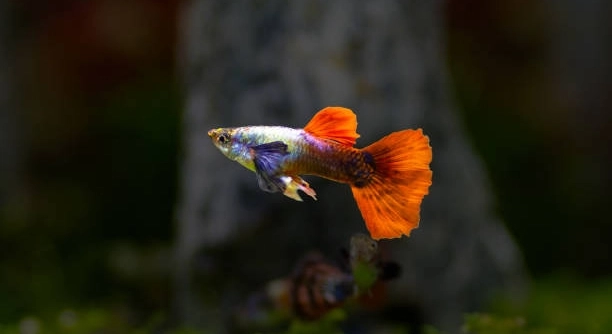
Maintaining a healthy guppy tank is key to keeping your fish happy and thriving. Healthy fish and a clean tank lead to a peaceful aquarium environment. In this guide, we’ll walk you through some simple ways to ensure your guppies stay healthy.
To maintain a healthy guppy tank, it’s important to focus on water quality, tank environment, feeding habits, and proper tank maintenance. Regular water changes, balanced filtration, appropriate tank mates, and a proper feeding schedule are essential for long-term guppy health.
With just a few simple practices, your guppies will stay happy and vibrant. Whether you’re a seasoned aquarium owner or a beginner, following these tips will help you create a healthy, thriving environment for your fish.
Maintain Clean Water
Maintaining clean water is the most important aspect of a healthy guppy tank. Guppies are very sensitive to poor water conditions, and dirty water can lead to diseases or even death. Regular water changes are crucial—at least 25% every week. This helps remove excess waste and toxins that accumulate over time. Make sure to use a water conditioner to neutralize any chlorine or chloramine present in tap water. A good filtration system is also essential for keeping the water clean. Choose a filter that is suitable for the size of your tank and clean it regularly to maintain its efficiency.
Testing the water regularly is a good habit. Use water test kits to measure ammonia, nitrites, and nitrates levels. High levels of ammonia or nitrites can be harmful, so be sure to adjust the filtration system or change the water when necessary. Consistent water monitoring will help keep the tank environment stable and healthy.
By keeping the water clean and well-maintained, you’ll ensure your guppies live in a safe and stress-free environment. Healthy water is the foundation for all other aspects of tank care. It reduces the risk of illness and helps guppies thrive.
Provide Proper Nutrition
Guppies are omnivores, meaning they need a balanced diet that includes both plant and animal matter. It’s important to provide high-quality flakes, pellets, or frozen foods that are specifically designed for guppies. Overfeeding is a common mistake, so avoid giving them more food than they can consume in a few minutes. Feed them small amounts twice a day, and make sure to remove any uneaten food to avoid water contamination.
A varied diet can help keep your guppies healthy and vibrant. You can occasionally offer live or frozen brine shrimp, daphnia, or bloodworms to give them some variety. Additionally, you can add vegetables like spinach or zucchini, but make sure they are finely chopped or boiled for easier digestion. Always remember, moderation is key when feeding guppies.
A proper diet not only boosts their immune system but also improves their colors. Guppies are naturally colorful, and a balanced diet will help them show off their full potential.
Keep the Tank Size Appropriate
Guppies need enough space to swim freely, so it’s important to have a tank that suits their needs. A 10-gallon tank is the minimum for a small group of guppies, but a larger tank will offer better conditions. Overcrowding can lead to stress, poor water quality, and health problems.
Choosing the right tank size also helps with easier maintenance. A larger tank requires fewer water changes, and the water parameters will be more stable. Guppies like to swim around, and a spacious tank will prevent territorial disputes. If you keep more than one guppy, make sure to add extra space for each fish to feel comfortable.
Proper tank size helps create a peaceful, balanced ecosystem for your guppies. It also allows you to add decorations or plants, which give your guppies hiding spots and enrichment. This encourages natural behavior, which contributes to their overall well-being. A larger tank equals healthier, happier fish.
Choose Compatible Tank Mates
When adding other fish to your guppy tank, make sure they are peaceful and compatible. Guppies are small and non-aggressive, so it’s best to avoid large or aggressive species that may harm them. Good tank mates include small tetras, mollies, or Corydoras catfish.
You also need to consider the water parameters of the species you plan to add. Guppies thrive in slightly alkaline water, with a temperature between 72-82°F. Adding fish that require different conditions can stress out your guppies and lead to health issues. Always research before introducing new species into the tank.
Peaceful tank mates help reduce stress among guppies. Guppies can be quite social, but they need a calm environment to feel secure. When compatible fish are chosen, all species in the tank can coexist without competition for resources or space. This creates a harmonious atmosphere for your guppies to thrive in.
Monitor Water Temperature
Guppies prefer a stable water temperature between 72-82°F. Sudden temperature fluctuations can stress them out and make them more susceptible to diseases. A reliable aquarium heater is essential to maintain consistent warmth, especially if you live in a cooler climate.
Using a thermometer will help you keep track of the water temperature. Make sure to place it in an area of the tank where the temperature is consistent. It’s also important to check the heater regularly to ensure it’s functioning correctly. If it’s malfunctioning, it can lead to dangerous temperature changes.
A consistent temperature creates a stable environment for guppies, allowing them to thrive. Stress from temperature swings can weaken their immune systems and lead to health issues, so always monitor the tank’s temperature.
Avoid Overfeeding
Overfeeding your guppies can lead to water contamination and poor water quality. Only feed them small amounts that they can finish in a few minutes. Remove any uneaten food to prevent it from decaying in the tank and affecting water quality.
Overfeeding also contributes to bloating and other health problems in guppies. Stick to feeding them twice a day, with small portions each time. By avoiding overfeeding, you’ll help maintain the balance of nutrients and keep your tank environment stable.
Regularly Clean the Tank
Cleaning the tank regularly helps maintain healthy water quality. This includes removing debris, cleaning the substrate, and wiping down the glass. You should also clean the filter media without disrupting its biological bacteria.
While cleaning the tank, avoid changing too much water at once. A 25% water change every week is ideal. This keeps the water fresh while avoiding drastic shifts in water parameters that can stress your guppies. Regular cleaning reduces the buildup of harmful substances and maintains a balanced ecosystem.
FAQ
What size tank do guppies need?
Guppies need at least a 10-gallon tank for a small group. A bigger tank, such as a 20-gallon, is ideal as it provides more space for swimming and reduces the frequency of water changes. The more space your guppies have, the better the water quality will be, and the less stressed they’ll feel. A larger tank also makes it easier to add plants, decorations, and even other peaceful fish. When guppies are overcrowded, they can become stressed, which weakens their immune system and can lead to diseases.
Can guppies live with other fish?
Yes, guppies can live with other fish as long as the species are peaceful and have similar care requirements. Avoid keeping them with aggressive fish, as they might nip at guppies’ fins or cause stress. Good tank mates include peaceful species like small tetras, mollies, and Corydoras catfish. Always research the other fish you plan to add to ensure they can live in similar water conditions. The water temperature and pH level should also match to prevent stress and health problems. Guppies are social creatures, and having compatible tank mates can help them feel more comfortable.
How often should I feed my guppies?
Feed your guppies small amounts twice a day. Overfeeding can lead to water contamination and poor water quality, so only give them as much food as they can consume in about 2-3 minutes. It’s essential to remove any uneaten food to prevent it from decaying and causing problems in the tank. Feed them a mix of high-quality flakes, pellets, and occasional live or frozen food like brine shrimp or daphnia. A varied diet will keep them healthy and colorful, but always stick to moderate portions to avoid overfeeding.
What temperature do guppies prefer?
Guppies thrive in water temperatures between 72°F and 82°F. This range allows them to stay active and healthy. If the water gets too cold, guppies can become sluggish and more susceptible to illnesses. On the other hand, if the water is too warm, it can stress them and increase the chances of disease. Invest in a reliable aquarium heater to maintain a consistent temperature. Use a thermometer to monitor the water and make sure it stays within the ideal range for your guppies.
How can I keep the water clean in a guppy tank?
To keep the water clean, perform regular water changes—about 25% of the water every week. This helps remove waste and excess nutrients that could lead to poor water quality. A good filtration system is also necessary to help keep the water clean. Choose a filter that suits your tank size and clean it regularly to ensure it’s working well. Additionally, remove any uneaten food or debris from the tank to prevent contamination. Regular maintenance will help prevent toxins from building up and keep your guppies healthy.
Do guppies need a filter in their tank?
Yes, guppies need a filter to maintain water quality. A filter helps remove waste, excess food, and toxins that can build up in the water. It also provides water movement, which is important for oxygenating the tank and promoting healthy water circulation. Without a filter, waste can quickly accumulate and lead to poor water conditions, which can stress or even harm your guppies. Be sure to choose a filter that fits your tank size and is easy to clean.
Can I use tap water for my guppy tank?
You can use tap water for your guppy tank, but it’s essential to treat it before adding it to the aquarium. Tap water often contains chlorine or chloramine, which can be harmful to fish. Use a water conditioner to neutralize these chemicals before adding it to the tank. Additionally, test the water’s pH and hardness to ensure it’s within the right range for guppies. If your tap water isn’t ideal, consider using filtered or dechlorinated water to create a safer environment for your fish.
Why are my guppies dying?
Guppies can die for several reasons, including poor water quality, incorrect temperature, overfeeding, or stress. Regular water changes, maintaining the right temperature, and proper feeding habits are crucial to preventing health issues. Make sure your tank is clean and well-filtered, and avoid overcrowding. If the guppies are exposed to sudden temperature changes or aggressive tank mates, it can lead to stress and make them more vulnerable to illness. If your guppies are sick, isolate the affected fish and check for symptoms such as clamped fins, faded colors, or lethargy.
How can I breed my guppies?
To breed guppies, you need to ensure that both a male and female are in the tank. The male guppy will often display vibrant colors and will chase the female to mate. Once pregnant, the female will give birth to live fry. To protect the fry, consider using a breeding box or a separate tank to keep them safe from adult fish. Provide plenty of hiding spots like plants or decorations, as the fry are tiny and vulnerable. You can feed the fry finely crushed flakes or live food to help them grow.
How do I clean the gravel in my guppy tank?
To clean the gravel, use a gravel vacuum during water changes. The vacuum will remove debris, waste, and leftover food from the substrate, preventing them from decomposing and affecting water quality. It’s important to clean the gravel regularly to keep the tank environment healthy for your guppies. Be gentle with the vacuum to avoid disturbing the beneficial bacteria that live in the substrate. Cleaning the gravel should be part of your regular maintenance routine.
Final Thoughts
Maintaining a healthy guppy tank doesn’t have to be difficult, but it does require attention and consistency. By focusing on the key factors—clean water, proper feeding, a suitable tank size, and a stable environment—you’ll create the right conditions for your guppies to thrive. These small fish are hardy and adaptable, but they still need the proper care to live their best lives. Regular water changes, keeping the tank clean, and monitoring their diet will go a long way in maintaining a healthy environment for your guppies. Don’t forget to check water parameters, such as temperature and pH, to ensure everything stays balanced.
Another important aspect is understanding that every guppy tank is unique. While general care tips apply to most guppy setups, every aquarium can have its own needs. Some may require more frequent maintenance, while others may need additional plants or decorations. Observing your fish and adapting to their specific needs is a simple way to ensure they are happy and healthy. Make sure to keep track of any changes in behavior, as they could be signs of stress or illness. With a little observation, you’ll learn what works best for your guppies and can make any adjustments as needed.
Finally, remember that caring for guppies is a rewarding experience. Watching them swim freely and interact with each other can bring a sense of peace and joy to your space. While there’s always room to learn more and improve the conditions of your tank, staying on top of the basics is enough to provide your guppies with a long, healthy life. Keeping them in a well-maintained tank will not only make them happy but will also help you enjoy your aquarium for years to come. With proper care, guppies will continue to add color and life to your home, making the effort worthwhile.

Hello,
If you enjoy the content that we create, please consider saying a "Thank You!" by leaving a tip.
Every little bit helps us continue crafting quality advice that supports the health, happiness, and well-being of pets around the world, for pets of all shapes, sizes, and species.
We really appreciate the kindness and support that you show us!