
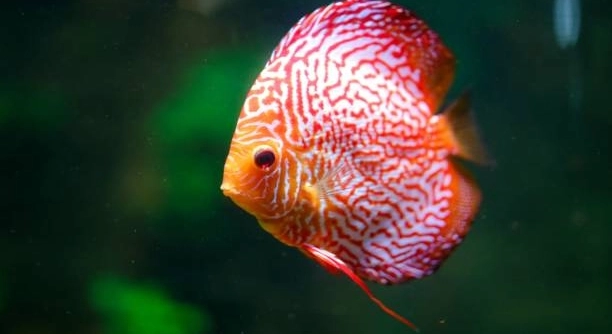
Keeping discus fish healthy and calm is important for any fishkeeper. Stress can harm their well-being and affect their vibrant colors. Understanding how to quickly reduce stress helps maintain a peaceful aquarium environment.
Rapidly lowering stress in discus fish involves controlling water quality, maintaining stable temperatures, minimizing sudden changes, providing proper nutrition, reducing noise and vibrations, ensuring adequate space, and creating hiding spots. These measures collectively promote fish health and comfort.
Knowing how to manage stress effectively can improve your discus fish’s overall health and make caring for them more rewarding.
Keep Water Quality Stable
Discus fish are very sensitive to their environment. Clean, stable water is the first step to lowering their stress. Regular water changes remove harmful chemicals and waste that build up quickly. Testing water parameters like pH, ammonia, nitrite, and nitrate helps ensure a safe habitat. Sudden changes in water quality can shock discus fish, causing them to hide or lose appetite. Using a good filter keeps the water clear and oxygen-rich, which discus need to thrive. Avoid overcrowding your tank because too many fish create waste faster than the system can handle. Taking small, consistent steps to maintain water quality supports their immune system and prevents illness. Monitoring water temperature alongside cleanliness is equally important for keeping discus calm and healthy.
Water quality is the foundation for healthy discus. Keeping parameters steady reduces stress and promotes their natural colors and behavior.
A well-maintained tank makes your discus feel secure. Stable water conditions allow them to grow and display their best traits without unnecessary stress. This care helps prevent disease and keeps your fish lively and happy for years.
Provide Proper Nutrition and Feeding
Feeding discus the right food is key to reducing stress and supporting growth. Discus need a balanced diet with proteins, vitamins, and minerals. High-quality pellets or flakes designed for discus are good, but adding live or frozen foods like bloodworms and brine shrimp gives variety and boosts nutrition. Avoid overfeeding as leftover food can pollute the tank and increase stress. Feed small amounts two to three times a day, allowing them to eat within a few minutes. This keeps their digestion healthy and water clean. Observing their eating habits also helps spot early signs of illness or stress. A proper feeding routine builds trust and helps discus adapt better to their environment.
Nutrition directly impacts discus health, behavior, and stress levels. Choosing the right foods and feeding carefully supports their immune system and colors.
In addition to balanced feeding, maintaining a consistent schedule helps discus feel secure. Sudden changes in diet or feeding times can cause anxiety and impact their appetite. Mixing fresh and prepared foods ensures they get all necessary nutrients. You can also soak pellets to soften them for easier digestion. Feeding in the same place in the tank helps discus associate that spot with safety and food. Healthy discus are less likely to get stressed, resist disease better, and grow vibrant colors. Feeding well is a simple, effective way to improve their quality of life.
Control Tank Temperature Carefully
Discus fish are very sensitive to temperature changes. Keeping the water temperature steady between 82°F and 86°F helps reduce their stress. Sudden shifts can cause illness or behavioral problems.
Using a reliable heater with a thermostat keeps the tank temperature stable. Avoid placing the tank near windows or vents where temperature fluctuates. Monitor the temperature daily with a thermometer. Small, gradual changes are less harmful than rapid swings. Consistent warmth supports their metabolism and immune system. It also helps discus maintain their bright colors and active behavior. Keeping the temperature steady creates a calm environment where discus feel safe and secure.
Temperature swings can weaken discus fish, making them more prone to disease. A stable temperature range fosters a healthy tank environment, reducing stress significantly. Invest in good equipment and keep an eye on temperature changes regularly.
Minimize Noise and Vibrations
Discus are sensitive to sudden noises and vibrations. Loud sounds or constant tapping on the tank glass can make them anxious. Position the aquarium away from busy areas with loud activities.
Place the tank on a sturdy surface that absorbs vibrations. Using foam pads or mats under the tank reduces shaking from nearby movement. Avoid frequent tapping on the glass or loud music close to the aquarium. Noise and vibration stress can cause discus to hide or lose appetite, so keeping their environment calm is essential. Less noise means more relaxed and healthier fish.
Creating a quiet space around the tank helps discus feel secure. Reducing disturbances allows them to display natural behavior and interact more comfortably. A calm environment encourages better feeding and less stress-related illness. Simple changes like softening sounds and steady placement make a big difference in their well-being.
Provide Adequate Space
Discus need enough room to swim comfortably. Crowded tanks increase stress and aggression. A spacious environment helps them feel secure and reduces competition for food and hiding spots.
A general rule is at least 10 gallons of water per discus. More space means better water quality and less tension between fish.
Create Hiding Spots
Discus feel safer with places to retreat. Adding plants, driftwood, or decorations gives them shelter and helps reduce stress. Hiding spots mimic their natural habitat and provide comfort when they feel threatened or overwhelmed.
Avoid Sudden Changes
Sudden changes in the tank, like new fish or rearranged decorations, can stress discus. Introducing changes slowly helps them adjust without anxiety.
Maintain Regular Cleaning
Keeping the tank clean prevents harmful buildup. Regular partial water changes and gravel vacuuming keep the environment healthy and stress low.
FAQ
How can I tell if my discus fish is stressed?
Stressed discus often change their behavior. They may hide more than usual, stop eating, or swim erratically. You might notice faded colors or clamped fins. Sometimes, they stay near the bottom or hide behind decorations. These signs usually mean the fish is uncomfortable with its environment or health.
What is the best water temperature for discus fish?
Discus fish do best in warm water between 82°F and 86°F. Keeping the temperature stable in this range helps avoid stress and supports their immune system. Sudden temperature drops or spikes can make them sick quickly, so it’s important to monitor temperature regularly with a reliable heater and thermometer.
How often should I change the water in my discus tank?
Frequent partial water changes are essential for discus health. Aim to change 25% to 50% of the water every week. This keeps the water clean, removes toxins, and keeps parameters stable. Avoid changing too much at once, as sudden shifts can stress the fish.
Can overcrowding cause stress in discus fish?
Yes, overcrowding is a common cause of stress. Too many fish in one tank create competition for food and space, increase waste buildup, and reduce water quality. It’s best to keep about 10 gallons of water per discus to ensure enough room and a comfortable environment.
What type of food is best for discus fish?
Discus thrive on a varied diet. High-quality pellets or flakes made for discus are good, but adding live or frozen foods like bloodworms or brine shrimp improves nutrition and interest. Feeding small amounts multiple times a day helps avoid overfeeding and keeps water cleaner.
How do I reduce noise and vibrations around my tank?
Discus are sensitive to noise and vibrations. Place your tank away from loud areas and avoid tapping the glass. Using foam pads or mats under the tank reduces vibrations from furniture or foot traffic. Creating a quiet space helps discus feel safe and lowers stress.
Is it okay to add new fish to my discus tank suddenly?
Introducing new fish suddenly can cause stress to both the newcomers and the existing discus. It’s better to quarantine new fish first and add them slowly, monitoring their behavior. Rearranging decorations or changing water at the same time can also increase stress, so keep changes gradual.
What signs show my discus fish might be sick due to stress?
Stress weakens discus immune systems, making them prone to illness. Watch for white spots, torn fins, or swollen bellies. Loss of appetite, lethargy, and unusual swimming patterns are also warning signs. Early detection and improving tank conditions can help recovery.
How important is tank cleaning for reducing discus stress?
Very important. Dirty water leads to harmful toxins that stress fish and cause illness. Regular partial water changes and gravel vacuuming remove waste and keep the tank healthy. Clean tanks promote a comfortable environment where discus can thrive without constant stress.
Can hiding spots actually reduce stress for discus?
Yes, hiding spots provide safe spaces where discus can retreat when they feel threatened or overwhelmed. Plants, driftwood, and decorations mimic their natural environment and help them relax. Without places to hide, discus may feel exposed and stressed, affecting their behavior and health.
Should I adjust lighting to help lower discus stress?
Bright, constant lighting can stress discus fish. Using dim or natural lighting with shaded areas helps create a more comfortable environment. Timers on lights can mimic day and night cycles, promoting natural behavior and lowering stress levels.
What role does feeding routine play in discus stress levels?
A consistent feeding routine helps discus feel secure. Feeding at the same times and places creates predictability. Sudden changes in diet or feeding schedule can cause anxiety and reduce appetite. Small, frequent feedings with varied, nutritious food support health and reduce stress.
Can tank mates affect discus stress?
Yes, choosing peaceful tank mates is crucial. Aggressive or very active fish can stress discus by chasing or competing for food. Compatible species that stay calm and don’t disturb discus help maintain a peaceful tank environment and lower stress for everyone.
How quickly can discus recover from stress?
Recovery time depends on the cause and severity of stress. Small improvements like stable water conditions or better diet can show results in days. Severe stress or illness may take weeks. Patience and consistent care are key to helping discus regain health and confidence.
What equipment helps maintain a low-stress environment for discus?
Reliable heaters, quality filters, and stable lighting systems support a healthy tank. Using a thermometer and water test kits helps monitor conditions closely. Foam pads under the tank reduce vibrations, and live plants improve water quality and shelter. Good equipment minimizes sudden changes and keeps discus comfortable.
Keeping discus fish healthy and stress-free takes attention to several key details. Maintaining stable water conditions is the foundation of good care. Clean water with the right temperature and balanced chemicals helps discus feel comfortable. Regular water testing and changes are necessary to keep the environment safe and consistent. This reduces stress and lowers the chances of disease. When water quality is good, discus show their natural colors and behavior, which is always rewarding to see.
Feeding also plays a big role in keeping discus calm and healthy. Offering a balanced diet with quality pellets, along with occasional live or frozen foods, provides the nutrients they need. Feeding smaller amounts more often avoids overfeeding and water pollution. When discus get the right nutrition, their immune system improves, and they are less likely to get sick. A steady feeding routine helps discus feel secure, as they begin to recognize feeding times and places. This routine lowers anxiety and helps create a peaceful tank environment.
Finally, the tank setup itself affects discus stress levels. Providing enough space and places to hide lets discus feel safe and avoid conflict. Reducing noise, vibrations, and sudden changes around the tank helps keep them calm. Stable temperature and lighting also support their well-being. By paying attention to these details and responding quickly to any signs of stress, discus fish can thrive in captivity. Simple, consistent care makes a big difference in their health and happiness over time.

Hello,
If you enjoy the content that we create, please consider saying a "Thank You!" by leaving a tip.
Every little bit helps us continue crafting quality advice that supports the health, happiness, and well-being of pets around the world, for pets of all shapes, sizes, and species.
We really appreciate the kindness and support that you show us!