
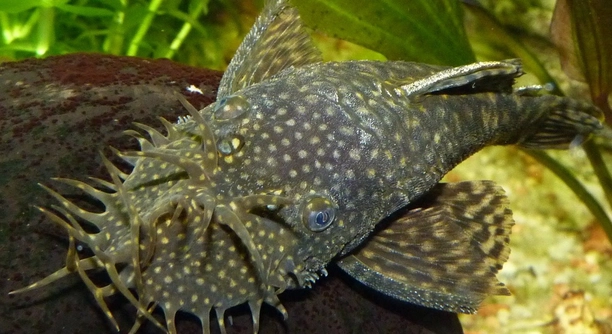
Ammonia buildup in your aquarium can harm your Pleco. It’s important to manage ammonia levels to ensure a healthy environment for your fish. There are several ways to lower ammonia and maintain a safe tank.
Ammonia levels in aquariums can be reduced by performing regular water changes, using filtration systems, adding beneficial bacteria, and controlling feeding habits. Additionally, removing uneaten food and plant debris can help prevent ammonia spikes, keeping your Pleco safe.
By following simple steps like proper tank maintenance, you can protect your Pleco from harmful ammonia buildup. This will improve the overall quality of your aquarium environment. Understanding how to manage ammonia is essential for your fish’s wellbeing.
Perform Regular Water Changes
One of the most effective ways to lower ammonia levels in your Pleco’s tank is by doing regular water changes. Ammonia naturally builds up as waste from your fish, uneaten food, and decaying plants. If left unchecked, high ammonia levels can be toxic, leading to stress and even death for your fish. To prevent this, aim for at least a 25% water change every week. If you have a larger tank or more fish, you may need to increase the frequency or volume of water changes.
Changing the water helps remove ammonia and other harmful substances, ensuring a cleaner environment for your Pleco. Be sure to use a water conditioner to neutralize any chlorine or chloramine present in tap water. Avoid drastic water changes, as this can shock your fish. Consistency is key to maintaining stable ammonia levels and promoting your Pleco’s health.
Maintaining clean water also supports the growth of beneficial bacteria that help break down ammonia naturally. These bacteria are crucial for the nitrogen cycle, which helps convert ammonia into less harmful substances.
Use a Reliable Filtration System
A quality filtration system plays a significant role in reducing ammonia levels. It helps filter out debris, excess food, and waste materials.
Filtration systems come in various types, such as mechanical, biological, and chemical. Biological filters are particularly helpful in promoting the growth of good bacteria that break down ammonia into nitrites and then nitrates. However, filters need to be cleaned regularly to prevent clogging and inefficiency.
Add Beneficial Bacteria
Introducing beneficial bacteria to your aquarium can help lower ammonia levels. These bacteria break down ammonia and convert it into less harmful substances. You can buy live bacteria cultures from pet stores or online. Adding them regularly helps keep the nitrogen cycle balanced and maintains a healthy tank.
These bacteria work by establishing colonies in your filter, substrate, and tank decorations. Once established, they break down waste quickly, converting ammonia into nitrites and eventually into nitrates. The nitrates are less harmful and can be removed through regular water changes. Without these bacteria, ammonia levels can rise rapidly, stressing your Pleco.
Adding beneficial bacteria also improves the efficiency of your filtration system. Over time, it reduces the amount of ammonia that accumulates, creating a safer environment for your fish. Just be sure not to disturb the bacteria when cleaning or maintaining your tank.
Control Feeding Habits
Overfeeding is a common reason for high ammonia levels. When you give your Pleco more food than it can consume, the uneaten food decays and adds ammonia to the water. To avoid this, feed your Pleco small amounts that it can eat in a few minutes.
Adjust your feeding schedule based on your Pleco’s appetite. It’s better to feed smaller portions multiple times a day than to give a large amount all at once. This way, the food is eaten before it has a chance to break down and create excess ammonia. Always remove any leftover food after feeding.
Controlling feeding habits doesn’t just lower ammonia; it also helps maintain the overall health of your tank. Overfeeding can lead to bloated fish and poor water quality, which can cause long-term problems for your Pleco. Keeping meals consistent and controlled will benefit both the fish and the aquarium.
Remove Uneaten Food
Uneaten food is a major contributor to ammonia buildup. Even though it may seem harmless, leftover food decays quickly, leading to harmful levels of ammonia. Be sure to remove any uneaten food within a few hours of feeding.
Use a siphon or a net to remove debris and leftover food from the substrate and water surface. This simple step prevents waste from decaying and impacting water quality. Doing so regularly can significantly reduce the risk of ammonia spikes.
Maintain Proper Tank Temperature
Tank temperature plays a crucial role in ammonia levels. If the water is too warm, the rate of ammonia production increases. Keeping your tank at the ideal temperature for your Pleco will help maintain stable ammonia levels.
A consistent temperature between 75°F and 80°F is ideal for most Plecos. Use a reliable aquarium heater to maintain this range. Be sure to monitor the temperature with an accurate thermometer to prevent fluctuations, as sudden temperature changes can stress your fish and contribute to ammonia buildup.
FAQ
What are the signs of high ammonia levels in a Pleco tank?
High ammonia levels can cause visible distress in your Pleco. Symptoms include lethargy, rapid gill movement, loss of appetite, or discolored patches on their skin. If ammonia is extremely high, the fish may start swimming erratically or even seem to be gasping for air at the surface. You might also notice a strong, unpleasant smell coming from the water, which is a clear sign of ammonia buildup. If you notice any of these signs, act quickly to address the problem by performing a water change and checking the filtration system.
How often should I change the water in my Pleco’s tank?
It’s generally recommended to change 25% of the water every week. However, the exact frequency can vary depending on your tank’s size, the number of fish, and the type of filtration you use. In larger tanks with multiple fish, you might need to change water more frequently, while smaller tanks might need adjustments based on ammonia levels. Regular water testing can help you determine the ideal schedule. Consistent water changes are one of the most effective ways to manage ammonia levels and ensure a healthy environment for your Pleco.
Can ammonia levels drop on their own?
Ammonia levels will naturally decrease over time if you maintain a healthy balance of bacteria and keep the tank’s filtration system running properly. However, if ammonia levels are too high, it’s unlikely that they will drop to safe levels on their own without intervention. Beneficial bacteria in your filter will break down ammonia, but you may need to take immediate action by doing a water change or adding more bacteria to speed up the process. Regular monitoring of ammonia levels is key to preventing dangerous spikes.
Are there any natural ways to lower ammonia in a tank?
There are several natural ways to help lower ammonia levels. First, you can add live plants to your aquarium. Plants absorb ammonia as part of their natural growth process, which helps keep levels low. Additionally, ensuring a good population of beneficial bacteria can significantly reduce ammonia over time. Some aquarists also use natural products like zeolite, which is a mineral that absorbs ammonia. However, these methods should be combined with regular water changes and good filtration practices for the best results.
Can I use ammonia-reducing products safely?
Ammonia-reducing products, like ammonia detoxifiers, can be helpful in emergency situations, but they should be used with caution. These products neutralize ammonia temporarily, making it less toxic to your fish. However, they don’t actually remove the ammonia from the tank. You’ll still need to address the root cause of the ammonia buildup, such as overfeeding, poor filtration, or insufficient bacteria. Always follow the product’s instructions carefully, as overuse can lead to water imbalances and other issues.
How do I know if my filtration system is working properly?
Your filtration system should be removing waste, excess food, and debris from the water. If you notice cloudy water, a strong smell, or frequent ammonia spikes, it may be time to check the filter. Ensure it is properly sized for your tank and that it is functioning well. Clean the filter regularly, but avoid washing it with tap water, as this can kill beneficial bacteria. You can test the water regularly to ensure ammonia levels remain in a safe range, which is usually below 0.25 ppm.
Is it safe to add more fish if ammonia levels are high?
Adding more fish to an aquarium with high ammonia levels is never recommended. The added waste from new fish will only worsen the ammonia situation, putting all your tank’s inhabitants at risk. Before introducing any new fish, make sure ammonia levels are stable and within a safe range. Perform necessary water changes and ensure that your filtration system can handle the increased bioload. Adding fish to a tank that isn’t properly balanced can cause long-term damage to the environment, so it’s best to wait until conditions are optimal.
What should I do if my Pleco is showing signs of ammonia poisoning?
If your Pleco is showing signs of ammonia poisoning, it’s important to act immediately. Start by doing a large water change, about 50%, to lower the ammonia levels. Test the water afterward to ensure ammonia is within a safe range (0-0.25 ppm). Next, check the filtration system to ensure it’s working effectively, and consider adding beneficial bacteria if necessary. If your Pleco’s condition doesn’t improve, isolate it in a hospital tank with better water conditions and consult a vet or aquatic specialist. Reducing stress and improving water quality will help your Pleco recover.
Can a Pleco live in a tank with slightly elevated ammonia levels?
While Plecos are relatively hardy, they should not live in water with elevated ammonia levels for long periods. Ammonia is toxic to fish, and even low levels can cause chronic stress, weaken their immune systems, and increase susceptibility to disease. It’s crucial to keep ammonia levels as close to zero as possible. If you can’t lower the levels immediately, consider isolating the Pleco in a quarantine tank until you can fix the problem. Long-term exposure to ammonia can shorten their lifespan and affect their overall health.
Final Thoughts
Maintaining a healthy environment for your Pleco involves managing ammonia levels effectively. Ammonia is a byproduct of fish waste, uneaten food, and decaying plants. When ammonia accumulates, it can be harmful to your Pleco and other fish in the tank. Keeping ammonia levels low is essential for your Pleco’s health and well-being. Regular water changes, using a good filtration system, and controlling feeding habits all play significant roles in keeping ammonia levels under control.
Adding beneficial bacteria can also help lower ammonia naturally. These bacteria break down ammonia into less harmful substances, creating a more stable and safe environment for your Pleco. If you notice any signs of ammonia poisoning, such as lethargy or rapid gill movement, it’s important to act quickly by performing a water change and checking your filtration system. Ammonia can build up fast, so staying proactive is key to avoiding problems.
By paying attention to your Pleco’s tank, you can prevent ammonia buildup and ensure that your fish stay healthy. Regularly testing your water, controlling feeding amounts, and cleaning the tank are simple but effective steps that can make a huge difference in your Pleco’s life. Keeping ammonia levels under control is not just about immediate fixes but creating long-term stability in your aquarium. With the right maintenance, your Pleco can thrive in a clean and safe environment.

Hello,
If you enjoy the content that we create, please consider saying a "Thank You!" by leaving a tip.
Every little bit helps us continue crafting quality advice that supports the health, happiness, and well-being of pets around the world, for pets of all shapes, sizes, and species.
We really appreciate the kindness and support that you show us!