
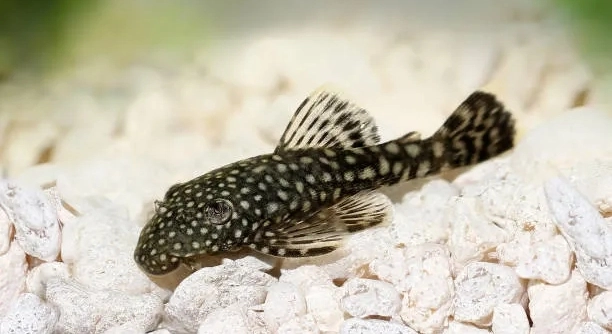
Plecostomus, commonly known as plecos, are popular aquarium fish, especially admired for their ability to keep tanks clean. If you have a pleco and are hoping to breed it, it’s important to understand the signs of readiness. Knowing these signs can ensure your fish’s health and successful breeding.
The best way to know your pleco is ready to breed is by observing physical changes and behaviors. Key indicators include a noticeable increase in size, changes in coloration, and specific actions such as territoriality or increased activity around potential breeding sites.
Understanding these signals will help you prepare for a successful breeding process, ensuring your pleco thrives.
Physical Size and Growth
As your pleco matures, one of the first signs it may be ready to breed is an increase in size. Plecos go through various growth stages, and reaching a certain size is essential before they can reproduce. Typically, they must be around 4 to 6 inches long, depending on the species. If your pleco has been steadily growing and is showing a healthy appetite, it may be nearing breeding age. Monitoring their growth over time can give you a good idea of when they’re ready to mate.
Once your pleco reaches its optimal size, it will be more likely to breed. Be sure to check if their growth rate is consistent, as stunted growth may indicate a health issue. Healthy plecos tend to grow faster, which is a good sign of readiness.
If you notice that your pleco has become larger than usual and has developed a thicker body, you might be seeing the first signs that breeding could happen soon. Larger plecos are more likely to produce eggs, so size is an important factor to watch for.
Behavior and Activity Levels
Behavioral changes are another sign that your pleco could be ready to breed. Plecos often become more active and assertive when preparing to spawn. During this time, they may begin to explore their environment more, especially areas like caves or hidden spaces in the tank. They may also become territorial, guarding their space against other fish. This territorial behavior is a natural part of their mating ritual.
Plecos will often start spending more time near their chosen breeding site. This could be a specific corner of the tank or a particular decoration they have decided is suitable for laying eggs. If your pleco is exhibiting these actions, it’s a sign they are preparing to reproduce.
When plecos begin to act territorial or more active around potential breeding spots, you’ll know they’re ready. These behaviors are natural steps in the process of mating, and ensuring their space is respected will help them feel comfortable during this time.
Physical Appearance Changes
Your pleco may undergo noticeable changes in appearance when it’s ready to breed. These changes can include a more vibrant coloration or the development of small, white bumps around their face and body. These are often signs of maturity and breeding readiness. Male plecos, in particular, may develop these bumps, which are actually a sign of sexual maturity. You might also notice that their bodies become thicker or rounder as they prepare to spawn. Keeping an eye on these visual cues can help you understand when your pleco is approaching its breeding phase.
For males, the appearance of small, hardened bumps or tubercles along the head, pectoral fins, or body is a key sign. These bumps are often a result of hormonal changes signaling that the pleco is ready for breeding. Females may also show signs of readiness by becoming fuller around the belly, especially if they are carrying eggs. If your pleco’s appearance begins to shift in these ways, it’s a clear sign that they’re likely preparing for the breeding process.
As these changes continue, the pleco may also exhibit behavior such as more frequent cleaning or rubbing against surfaces in the tank. This could indicate that the fish is preparing a space for egg-laying. Paying attention to these shifts can give you a better sense of when breeding is imminent.
Tank Environment and Setup
The tank environment plays a significant role in breeding preparation. To encourage breeding, it’s essential to ensure that your pleco’s tank is equipped with suitable hiding places, such as caves or dense plants. These areas provide privacy and security for your pleco to lay eggs. Plecos are cavity spawners, meaning they prefer to find a sheltered spot to reproduce. It’s best to offer a variety of options, as they may have specific preferences for where they feel comfortable.
A clean tank with stable water parameters is crucial for creating the right conditions. Water temperature should be kept between 75°F and 80°F (24°C to 27°C) to stimulate breeding. A slight increase in temperature can encourage your plecos to spawn, but be cautious not to make the water too warm. Consistently maintaining appropriate water conditions will help keep your plecos healthy and more likely to breed.
With the right setup, your plecos will be more inclined to breed. Providing the right mix of space, security, and proper water conditions will set the stage for a successful breeding process. Be patient as you prepare the tank, and soon enough, you may see the signs of breeding readiness.
Diet and Nutrition
Your pleco’s diet plays a key role in its readiness to breed. A well-balanced diet rich in nutrients will help support the growth and reproductive health of your fish. Feeding them high-quality pellets, algae wafers, and occasional fresh vegetables will ensure they’re in top condition for breeding. Proper nutrition also promotes the development of eggs in females, encouraging them to lay.
Feeding your pleco the right types of food will keep them healthy and strong. Avoid overfeeding, as it can lead to poor water quality. Instead, offer food in smaller portions, focusing on variety and high-nutrient options.
Water Quality
The quality of the water in your tank is vital for successful breeding. Clean, stable water helps create a comfortable environment for plecos to spawn. Ensure that the tank has a reliable filtration system, and perform regular water changes to maintain water clarity. The pH should ideally range between 6.5 and 7.5, and the water should be free of contaminants.
Keeping your plecos in a well-maintained tank will prevent stress and health issues, both of which can hinder the breeding process. Monitoring the water quality regularly will help maintain the optimal conditions for reproduction.
Male and Female Behavior
The male pleco typically shows more dominant behaviors when courting a female. He may chase her around, swim vigorously, and try to get her attention. This behavior often increases when the female is ready to spawn. Observing the male’s actions can give you a clear sign of his breeding readiness.
FAQ
How can I tell the difference between a male and female pleco?
Male and female plecos can be hard to tell apart, but there are a few differences. Males are usually smaller but have larger, more prominent heads and develop small bumps (called tubercles) on their faces and pectoral fins when they reach sexual maturity. These tubercles are particularly visible when the fish are preparing to breed. Females are generally larger and rounder, especially around the belly when carrying eggs. These visual cues can help you distinguish between the sexes.
Do plecos breed in the community tank?
Plecos are capable of breeding in a community tank, but the chances of success depend on the environment. A peaceful tank with adequate hiding spaces and clean water conditions increases the chances of breeding. However, the presence of other fish could sometimes stress out the plecos, causing them to delay or avoid spawning. Providing isolated spaces like caves can encourage them to breed.
What temperature is ideal for plecos to breed?
The ideal temperature for plecos to breed is between 75°F and 80°F (24°C to 27°C). A slight increase in temperature can help trigger breeding behavior. However, avoid temperatures that are too high, as this can cause stress. Maintaining stable water temperatures is key to ensuring that your plecos are comfortable and ready to spawn.
How often do plecos breed?
Plecos typically breed once they reach sexual maturity, which happens when they are about 1 to 2 years old. Once they are mature, they may breed every few weeks, but the exact frequency depends on factors such as water quality, diet, and tank conditions. Plecos tend to breed during the warmer months, so seasonal changes might influence their breeding patterns.
Can plecos breed without a mate?
Plecos are not capable of breeding without both a male and a female. They require a pair to mate, as the male fertilizes the eggs after the female lays them. Even if a single pleco is present, it will not spawn without a mate. Therefore, having a male and female together is essential for successful breeding.
What do plecos need to breed successfully?
Plecos need several things to breed successfully. The tank must have clean, stable water with the right temperature and pH levels. Hiding places like caves or hollow logs are necessary for the pleco to feel secure while laying eggs. Proper nutrition is also important, as a well-fed pleco will be more likely to breed. Lastly, both male and female plecos should be healthy and mature before attempting to spawn.
How long does it take for pleco eggs to hatch?
Pleco eggs typically take 3 to 7 days to hatch, depending on the water temperature. Warmer water speeds up the hatching process, while cooler water can slow it down. After the eggs hatch, the fry will remain attached to the surface for a few days as they absorb their yolk sac. Once they become free-swimming, they will start exploring the tank and feeding on algae or special fry food.
What should I do after plecos lay eggs?
After plecos lay their eggs, it’s important to leave them undisturbed. The male pleco will guard and fan the eggs to keep them oxygenated. Do not remove the eggs unless you notice that the male is not guarding them or they show signs of being eaten. Once the eggs hatch and the fry start swimming, you can begin to feed them small amounts of food like finely crushed algae wafers or specially formulated fry food.
Do plecos take care of their fry?
Yes, plecos are attentive parents. Once the eggs hatch, the male pleco typically takes the lead in caring for the fry. He will protect the young and keep them in a safe area, fanning them to provide oxygen. In some species, the male may also guide the fry to food sources. However, it is still essential for you to monitor the tank to ensure that the fry are healthy and developing properly.
Can plecos breed in a tank with other fish?
Plecos can breed in a tank with other fish, but the chances of successful breeding depend on the tank’s setup. If there are too many aggressive or large fish, they may disturb or harm the plecos. It’s important to provide enough hiding spaces so the plecos can feel safe. Keeping the environment calm and stress-free will improve the chances of breeding success.
Do plecos lay eggs every time they breed?
Yes, female plecos typically lay eggs each time they breed, but the number of eggs can vary depending on the species and environmental conditions. A single spawning can result in hundreds of eggs being laid, but the success of fertilization and hatching will depend on various factors such as water quality and the presence of both a healthy male and female.
How do I know if my pleco is stressed and not ready to breed?
Stressed plecos may exhibit behaviors such as hiding more than usual, eating less, or avoiding interaction with tank mates. They may also display signs like rapid breathing or swimming in erratic patterns. Stress factors such as poor water quality, overcrowded conditions, or aggressive tank mates can prevent plecos from being ready to breed. Ensuring that their environment is stable and peaceful is crucial to reduce stress and promote breeding readiness.
Final Thoughts
Breeding plecos can be a rewarding experience if you’re prepared and attentive to their needs. By understanding the signs that indicate your pleco is ready to breed, you can create an ideal environment to encourage successful reproduction. It’s important to pay attention to factors like size, behavior, appearance, and tank setup. Each of these elements plays a role in determining whether your pleco will breed. With the right care, your plecos can thrive and produce offspring that will help grow your aquarium community.
Remember, patience is key when trying to breed plecos. The process may take time, and conditions need to be just right. From maintaining proper water quality and temperature to offering enough hiding places for security, every detail counts. Providing a balanced diet will also ensure your plecos are healthy and ready for breeding. Once you’ve established a peaceful, stable environment, your plecos are more likely to engage in breeding behavior. However, it’s important to avoid rushing the process and let nature take its course.
If you’re successful in breeding your plecos, you may soon find yourself with baby plecos in your tank. Watching them grow and develop will be a rewarding experience. It’s important to continue caring for them just as you would for the adults, ensuring that the fry receive proper nutrition and a safe space to grow. With time, you can build a thriving pleco population that will add both beauty and functionality to your tank. Breeding plecos takes effort, but the results can be well worth it.

Hello,
If you enjoy the content that we create, please consider saying a "Thank You!" by leaving a tip.
Every little bit helps us continue crafting quality advice that supports the health, happiness, and well-being of pets around the world, for pets of all shapes, sizes, and species.
We really appreciate the kindness and support that you show us!