
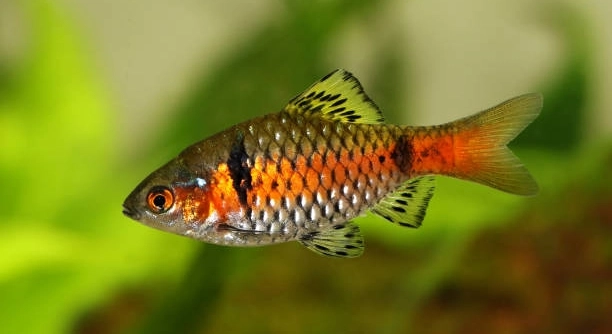
Many people enjoy keeping tanks, whether for fish or other creatures. Noticing how much someone cares for their tank can reveal their true feelings about it. Paying attention to their habits and tank condition shows their level of interest.
There are clear signs that indicate a person likes their tank, such as regular maintenance, attention to water quality, and thoughtful decoration. These behaviors reflect commitment and enjoyment in caring for their aquatic environment.
Recognizing these signs can help you understand the care behind every tank setup. This article highlights key behaviors that reveal genuine appreciation for their tank.
Regular Cleaning and Maintenance
People who really like their tank keep it clean often. They don’t wait for algae to build up or for the water to look cloudy. Cleaning involves changing the water, scrubbing the glass, and removing waste regularly. This shows they care about the health of the tank’s inhabitants. Regular maintenance helps prevent problems like disease and keeps the tank looking good. It also means the person spends time observing the tank daily to catch any issues early. This attention to detail is a clear sign of their dedication. Cleaning may seem like a chore, but for those who enjoy their tank, it becomes part of their routine and a way to connect with the environment they’ve created.
Consistent maintenance improves the tank’s overall health and appearance. It reflects respect and responsibility for the living creatures inside.
Keeping a tank clean is not just about looks. It protects fish and plants from harmful toxins. By maintaining the filter, changing the water often, and removing leftover food, the owner ensures a safe space. They understand that a healthy tank requires effort and don’t avoid these tasks. This habit shows pride in their tank and a willingness to invest time to keep it in good condition. They may also research the best ways to clean without harming the tank’s balance. Ultimately, their care leads to a thriving and beautiful aquatic environment.
Personalization of the Tank
Those who like their tank often add personal touches. This can include decorations, plants, or unique backgrounds that make the tank feel special. They think about how everything looks together and may rearrange items to improve the view. Personalizing the tank shows they want it to be more than just a container for fish or animals. It becomes a small, meaningful display of their tastes. These small changes reflect their ongoing interest and creativity.
Personalizing the tank is a way to express care and create a pleasing environment.
Adding ornaments or live plants is not just for decoration. It can provide hiding places and reduce stress for fish. Thoughtful choices show knowledge about the species living inside and their needs. Someone who enjoys their tank often spends time researching which plants or decorations suit the animals best. They may prefer natural-looking setups or bright, colorful themes. Either way, the effort to personalize the tank adds to the enjoyment of keeping it. This attention to detail makes the tank more than just a hobby—it becomes a source of pride and relaxation.
Monitoring Tank Conditions Closely
People who care about their tank check water parameters often. They measure pH, temperature, and ammonia levels regularly to keep everything balanced. This habit shows they want the tank’s environment to stay healthy and stable.
Keeping track of water quality prevents many common problems in tanks. Changes in temperature or chemical levels can stress or harm fish and plants quickly. Those who like their tank invest in tools like test kits and heaters to control these factors. They don’t leave things to chance but respond quickly to any changes. This careful monitoring helps maintain a safe home for all the creatures inside.
This attention to detail means the owner knows their tank well. They understand that water quality affects everything, from fish behavior to plant growth. Adjustments are made based on test results to avoid issues before they become serious. Regular checks become part of their routine, reflecting genuine concern and responsibility for their aquatic environment.
Consistent Feeding Routine
A regular feeding schedule is a sign of a dedicated tank owner. They feed the right amount at proper times to avoid overfeeding or starving their fish.
Overfeeding can pollute the tank and harm fish, so those who care keep portions controlled. They choose quality food suited for their species and avoid random feeding times. Sticking to a routine helps maintain the tank’s cleanliness and supports fish health. It also shows respect for the creatures’ needs and habits.
Good feeding practices include knowing which foods are best and how often to offer them. Some owners even vary diets to provide balanced nutrition. Feeding becomes a mindful activity rather than just a task, showing involvement and care. This routine supports the overall balance and happiness of the tank’s inhabitants, making it a key part of tank keeping.
Observing Fish Behavior
Watching how fish behave is important for tank owners who care. Changes in movement or appetite can signal health issues early.
Attentive owners spend time daily observing their fish to spot problems before they worsen. This helps keep the tank stable and the fish healthy.
Investing in Quality Equipment
Good equipment makes a big difference in tank care. Owners who like their tank choose reliable filters, heaters, and lighting to create the best environment. Proper tools help maintain water quality and comfort, showing a serious commitment to the tank’s well-being.
Sharing Knowledge and Experiences
Many who enjoy their tank like to talk about it. They share tips, ask questions, and learn from others. This interaction helps improve their skills and keeps their interest alive.
FAQ
How often should I clean my tank?
Cleaning frequency depends on tank size and inhabitants. Typically, partial water changes and light cleaning are done weekly or biweekly. Regular cleaning prevents buildup of waste and keeps water clear. Over-cleaning can disturb beneficial bacteria, so balance is important.
What is the best way to test water quality?
Using a reliable test kit to measure pH, ammonia, nitrite, and nitrate levels is essential. Test water at least once a week. Keeping these parameters stable helps maintain a healthy environment for fish and plants.
Can I use tap water directly in my tank?
Tap water often contains chlorine or chloramine, which are harmful to fish. Always treat tap water with a water conditioner before adding it to the tank. This removes harmful chemicals and makes the water safe.
How much should I feed my fish?
Feed only what fish can eat in a few minutes, once or twice daily. Overfeeding leads to poor water quality and health problems. Different species have different dietary needs, so adjust accordingly.
Why are my fish hiding more than usual?
Hiding can indicate stress, poor water quality, illness, or changes in the environment. Check water parameters and look for signs of disease. Providing hiding spots helps fish feel secure.
How do I choose decorations for my tank?
Select decorations that are safe and suitable for your tank inhabitants. Avoid sharp or toxic materials. Natural-looking items like rocks, driftwood, and live plants often benefit fish by providing shelter and reducing stress.
What is the importance of a filter?
Filters remove waste and toxins, help oxygenate water, and support beneficial bacteria growth. A good filter is key to maintaining clean water and a healthy tank ecosystem.
Can I keep different species of fish together?
Compatibility depends on species’ behavior, size, and water needs. Research before mixing fish to avoid aggression or health issues. Some species require specific environments or alone tanks.
How do I prevent algae growth?
Controlling light exposure, avoiding overfeeding, and keeping good water quality help reduce algae. Introducing algae-eating species and regular cleaning also keep algae under control.
Why is my water cloudy?
Cloudy water can result from overfeeding, new tank cycling, or bacterial blooms. Testing water and adjusting feeding, cleaning, or filter use usually resolves the problem.
How often should I replace my filter media?
Replace filter media according to manufacturer recommendations, often every 4-6 weeks. Avoid replacing all media at once to preserve beneficial bacteria that help break down waste.
What should I do if my fish get sick?
Isolate sick fish if possible, check water quality, and research symptoms. Treat with appropriate medication based on diagnosis. Prevent illness by maintaining clean water and proper care routines.
Is it necessary to cycle a new tank?
Yes. Cycling establishes beneficial bacteria to break down fish waste and prevent toxic ammonia buildup. This process usually takes several weeks and is crucial before adding fish.
How do I keep my tank water temperature stable?
Use a reliable heater and thermometer. Place the tank away from direct sunlight and drafts. Sudden temperature changes stress fish and can lead to illness.
What are signs of a healthy tank?
Clear water, active fish, consistent behavior, and healthy plants indicate a well-maintained tank. Regular checks and good care keep the tank thriving.
This FAQ covers common concerns to help maintain a happy, healthy tank. Paying attention to these details shows care and dedication to aquatic life.
When someone truly likes their tank, it shows in the way they care for it every day. From cleaning regularly to checking water quality, these actions help keep the tank healthy and safe for its inhabitants. Caring for a tank is not just a one-time effort but a continuous process that requires attention and patience. People who enjoy their tanks understand the small details that make a big difference, such as choosing the right decorations, feeding the fish properly, and watching for any signs of stress or illness. These efforts create a balanced and pleasant environment where fish and plants can thrive.
Maintaining a tank takes time and dedication, but it can also be rewarding. Seeing the fish swim happily and the plants grow well brings a sense of satisfaction and calm. The personalization of the tank makes it feel more special and unique. Whether it is adding colorful decorations or arranging plants to create a natural look, these touches show a person’s connection to their tank. Good equipment and regular monitoring help avoid problems before they start. This care makes the tank more than just a container—it becomes a lively, peaceful space that reflects the owner’s attention and pride.
In the end, liking a tank means being responsible and consistent with its care. It means understanding that a tank is a small ecosystem that depends on balance and proper conditions. Those who like their tank don’t rush through tasks or ignore warning signs. Instead, they take time to learn about their fish and plants and meet their needs thoughtfully. This kind of care helps ensure the tank remains healthy for a long time. With patience and effort, a tank can become a rewarding hobby and a beautiful part of any home.

Hello,
If you enjoy the content that we create, please consider saying a "Thank You!" by leaving a tip.
Every little bit helps us continue crafting quality advice that supports the health, happiness, and well-being of pets around the world, for pets of all shapes, sizes, and species.
We really appreciate the kindness and support that you show us!