
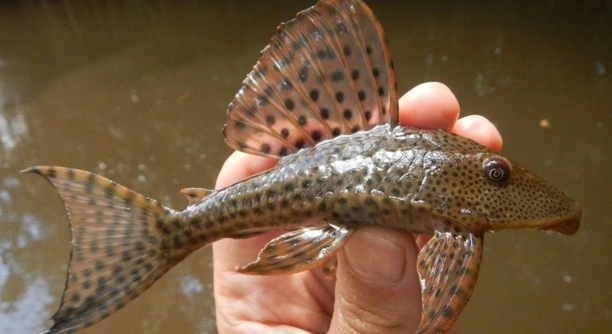
As a pleco ages, it can be difficult to tell just how much time has passed. Recognizing signs of aging in your pleco can help you provide the best care. Understanding these signals is essential for keeping your pleco healthy and comfortable.
The aging process in plecos is typically marked by changes in behavior, size, and physical appearance. Over time, they may grow slower, develop cloudy eyes, or show a decrease in activity, which are all signs of aging.
Recognizing these aging signs ensures you can give your pleco the care it needs as it ages. Understanding the key indicators can help you maintain a healthy and supportive environment.
Decrease in Activity and Movement
As plecos age, one noticeable change is a decrease in their activity levels. Younger plecos are typically very active, constantly exploring their environment. However, older plecos tend to move less, spending more time resting in a single spot or swimming slowly. This decline in energy is a natural part of the aging process.
While older plecos may still eat and swim occasionally, their movements become slower and less frequent. This change can sometimes be mistaken for illness, but it’s a normal sign of aging. If your pleco still has an appetite and isn’t showing signs of distress, the reduced movement is likely nothing to worry about.
It’s important to monitor their overall health to ensure they’re not struggling due to age. Ensure the water quality remains optimal, as older plecos may become more sensitive to changes in their environment. The right conditions can help them stay comfortable and thrive despite their slower pace.
Physical Appearance and Cloudy Eyes
Another sign of aging in plecos is physical changes, particularly in their eyes. Over time, their eyes can become cloudy, which is often a result of age-related degeneration. Cloudy eyes can also signal an underlying health issue, so it’s important to keep track of any other signs of distress.
Aging plecos may also experience changes in their skin, developing patches of faded or discolored scales. These changes don’t necessarily mean something is wrong but are typical as the fish gets older. Regular observation can help ensure they aren’t suffering from any other medical issues while aging.
As plecos grow older, they might also show some weight loss, although it’s less noticeable if their environment is ideal. If the fish continues eating and its overall health is stable, the physical changes likely reflect normal aging rather than any health concern.
Slower Growth and Size
Older plecos often show slower growth, which can be easily seen over time. They may not reach the same size they would have in their earlier years, even if provided with proper care. It’s a natural aging process.
This slowing down in growth can be linked to a decrease in metabolic rate. Plecos become less active, which also means they’re not burning energy as quickly. While their size may stabilize, it doesn’t always mean they are unhealthy. Their body adapts as they get older and may not need as much food to maintain their size.
Even if your pleco’s growth has slowed, maintaining a healthy diet and water conditions will help them age gracefully. Proper care can keep them in good shape, even though they may no longer grow at the same rate.
Decreased Appetite
As plecos get older, you may notice that their appetite starts to decrease. This happens naturally as they age. It’s important to monitor how much food they’re eating to ensure they’re getting the nutrition they need.
A decrease in appetite can be related to a reduced metabolism. While younger plecos are eager eaters, older plecos may not be as interested in food, or they may eat less frequently. This is common as their bodies age and require fewer calories. It doesn’t always signal a problem, but it’s wise to monitor their eating habits closely.
If your pleco continues eating a little but doesn’t finish its meals, you can try offering different types of food. Some plecos may prefer softer foods or different textures as they age. This change in taste can help them keep up with their nutritional needs.
Changes in Behavior
Aging plecos often show changes in behavior. They may become more reclusive or less interactive. While younger plecos are curious and active, older ones may retreat to darker, quieter areas of the tank.
These behavioral changes are linked to aging and a decline in energy levels. Plecos naturally slow down and become more cautious as they age. This doesn’t necessarily mean your pleco is ill. It’s just part of their natural life cycle. While these shifts may be noticeable, they’re often harmless as long as their health is otherwise stable.
Cloudy or Dull Skin
As plecos age, their skin can lose some of its luster, appearing more cloudy or dull. This is a common sign of aging in many fish, including plecos.
Older plecos may experience a change in their skin texture or coloration, making them appear less vibrant than in their younger years. While this is typically not a health concern, it can make them seem less attractive. Keeping water conditions optimal helps maintain their overall well-being, even as their skin changes with age.
Reduced Interaction with Tankmates
Older plecos might reduce their interaction with other fish in the tank. While younger plecos can be social and active around their tankmates, older ones tend to be more solitary.
This decrease in interaction can be attributed to the pleco’s energy levels. As they age, they prioritize resting over socializing or competing for food. It’s important to make sure they’re not being outcompeted for food, but reduced interaction is often just a sign of aging. Their need for social engagement lessens over time, and that’s perfectly natural.
FAQ
What is the average lifespan of a pleco?
The lifespan of a pleco can vary, but most live between 10 and 15 years in ideal conditions. Larger species can live longer, while smaller ones may have a shorter life expectancy. Proper care, a clean environment, and a healthy diet can contribute to a longer life. It’s important to monitor their health closely as they age to ensure they remain comfortable and active throughout their lifespan.
How can I tell if my pleco is sick or just aging?
Distinguishing between aging and illness can sometimes be tricky. If your pleco shows signs like cloudy eyes, decreased appetite, or slower movement, it might just be aging. However, if you notice drastic changes in behavior, unusual swimming patterns, or visible lesions, it’s best to consult with a veterinarian. Aging plecos will often exhibit gradual changes, while illness may cause sudden or severe symptoms.
Can plecos still breed when they’re older?
Older plecos may still breed, but it becomes less common as they age. Their reproductive cycles slow down, and many may stop breeding altogether. Some plecos continue to breed into their later years, while others lose interest. Breeding typically occurs more frequently in younger, healthier plecos, but an older pleco may still show interest under the right conditions.
How can I care for an aging pleco?
Caring for an aging pleco involves maintaining optimal water quality, providing a balanced diet, and ensuring they have a quiet, comfortable environment. As they age, plecos may become more sensitive to water changes and less active. Make sure to test the water regularly for ammonia, nitrites, and nitrates to prevent stress. Soft, easily digestible food and regular maintenance can keep them in good health as they age.
Why is my pleco losing weight?
Weight loss in older plecos can be a result of decreased appetite or slower metabolism. As plecos age, their food intake often decreases. If the weight loss is gradual and they’re still eating, it’s usually a natural part of the aging process. However, if they suddenly stop eating or lose weight rapidly, it could indicate an underlying health issue, such as parasites or a bacterial infection. It’s important to observe their eating habits and consult a vet if necessary.
Do plecos get lonely as they age?
Plecos are typically solitary fish and don’t need the company of other fish to thrive. As they age, they may become even more reclusive and less interested in interacting with other tankmates. This change is not necessarily a sign of loneliness but rather a natural part of their aging process. If your pleco seems content and isn’t showing signs of stress, there’s no need to worry about their social needs.
How do I know if my pleco is in pain?
Plecos may not show pain the same way other animals do, but there are signs you can watch for. If your pleco becomes unusually inactive, stops eating, or shows signs of stress like rapid breathing, it could be a sign of discomfort or illness. Pale skin, cloudiness in the eyes, or abnormal swimming behavior can also be indicators that something is wrong. If you suspect your pleco is in pain, it’s best to consult with an aquatic veterinarian.
Can plecos survive with other fish as they age?
Most plecos are peaceful and can live with other tankmates, but their behavior might change as they age. Older plecos tend to be less active and more solitary. If you notice that your pleco is less interactive with other fish, it’s generally due to aging rather than aggression. As long as your pleco’s tank mates aren’t aggressive and the pleco has enough space and food, it should continue to live peacefully in the same tank.
What should I feed an aging pleco?
As plecos age, they may become less interested in hard-to-eat foods. It’s essential to provide soft, nutrient-rich foods that are easy to digest. Vegetables like zucchini, cucumbers, and spinach are great choices, along with algae wafers and high-quality pellets. Offer a variety of foods to keep them interested in eating, but avoid overfeeding. Consistent, smaller meals are better than large portions.
Is it normal for a pleco to hide more as it ages?
Yes, it’s completely normal for an aging pleco to hide more. As plecos get older, they often become less social and more reclusive. They may spend more time in dark corners or hidden spots of the tank. This behavior is typical and usually not a sign of health issues, but it’s important to monitor their activity and overall well-being to ensure they’re not under stress or unwell.
Do plecos need special care as they get older?
While plecos don’t require drastically different care as they age, there are a few considerations. Older plecos may become more sensitive to water conditions, so it’s important to maintain a clean tank with stable water parameters. Provide soft foods that are easy to digest, and ensure they have a peaceful environment. Regular maintenance, a balanced diet, and monitoring their health can help them live comfortably in their later years.
How often should I clean the tank for an aging pleco?
For an aging pleco, maintaining clean water is crucial. You should continue to clean the tank regularly, removing debris and performing water changes. However, older plecos may become more sensitive to changes in their environment, so it’s important to avoid making drastic changes to the tank. Regular water tests, vacuuming the substrate, and cleaning the filter are essential to maintaining optimal water quality without causing stress to your pleco.
Can I increase the temperature for an aging pleco?
While a slight increase in water temperature can encourage activity in some fish, it’s important to be cautious with aging plecos. Older plecos may become more sensitive to higher temperatures, and it can cause stress if the water is too warm. Keep the temperature within the pleco’s preferred range, usually between 75-80°F, and avoid sudden temperature fluctuations. Gradual adjustments are safer if you choose to modify the water temperature.
What are the signs of an aging pleco in terms of physical appearance?
An aging pleco may exhibit a few physical changes. Their skin may appear dull or cloudy, and they might develop visible wear and tear on their fins. Their growth may slow down, and they may not grow as large as they would have when younger. As they age, their body may also become thinner. These changes are typically normal and indicate the natural aging process. Regular monitoring can help you spot any additional concerns that may arise.
Final Thoughts
As plecos age, their behavior and physical appearance may change, but with proper care, they can live comfortably into their later years. Aging plecos may become more reclusive, slow down, and even show changes in their skin and overall activity levels. These are natural signs of aging, and while they might look different, they don’t always indicate a health problem. It’s important to monitor your pleco’s well-being, observe any changes closely, and make adjustments to their care routine to ensure they stay healthy.
Caring for an aging pleco involves maintaining a stable environment, providing proper nutrition, and ensuring they have a quiet, peaceful space in the tank. Older plecos may become less social, prefer hiding, or show a decrease in appetite, but these behaviors don’t always signal that something is wrong. If your pleco is still eating well, swimming normally, and maintaining a healthy weight, they are likely aging naturally. Regular water changes, tank cleaning, and a balanced diet can all help extend their comfort and longevity.
Ultimately, aging is a natural part of your pleco’s life cycle, and being aware of their needs will help you provide the best care. By keeping an eye on their behavior, appearance, and tank conditions, you can ensure they continue to thrive well into their later years. Regular health checks, maintaining water quality, and offering soft foods will all help in keeping your pleco content as they age. Although their behavior may change, with the right environment, your pleco can continue to live a full and peaceful life.

Hello,
If you enjoy the content that we create, please consider saying a "Thank You!" by leaving a tip.
Every little bit helps us continue crafting quality advice that supports the health, happiness, and well-being of pets around the world, for pets of all shapes, sizes, and species.
We really appreciate the kindness and support that you show us!