
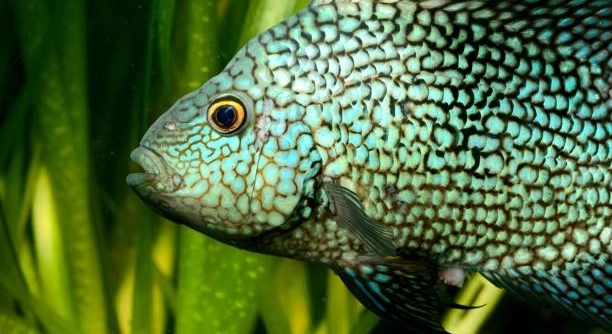
Is your Jack Dempsey fish showing its best colors and moving actively in the tank? Observing its behavior can reveal a lot about its well-being. Many owners may not realize the subtle signs that indicate happiness.
A happy Jack Dempsey fish exhibits vibrant coloration, regular swimming patterns, and a healthy appetite. Consistent tank conditions, adequate space, and environmental enrichment contribute to its overall well-being, ensuring stress-free behavior and long-term health in a controlled aquatic environment.
Recognizing these behaviors early allows you to maintain a thriving habitat and enjoy a more engaging experience with your fish.
Recognizing Active Swimming Patterns
Jack Dempsey fish that are happy tend to swim confidently around their tank. They explore corners, glide smoothly near plants, and occasionally hover near the water surface. Observing their movements over time helps identify what’s normal for each fish. If they dart nervously or remain in one spot, it may signal stress or discomfort. Active swimming also indicates that the fish are comfortable with their environment, including water temperature, filtration, and tank mates. Adding decorations or hiding spots can encourage natural movement while keeping them engaged. Watching these patterns consistently allows you to notice small changes, such as slower swimming or unusual angles, which might indicate health concerns. Happy fish are more likely to interact with the environment and show natural behaviors. Over time, regular observation strengthens the bond you have with your fish and improves your ability to respond to their needs.
Regular activity shows that your Jack Dempsey is comfortable and stress-free.
Consistent swimming patterns reflect not just happiness but good health. Tanks with stable water conditions, proper lighting, and adequate space encourage regular movement. When fish feel secure, they explore freely, display vibrant colors, and engage with their surroundings. Limiting overcrowding and providing structures for hiding ensures they stay active.
Appetite and Feeding Behavior
A happy Jack Dempsey fish shows a strong, consistent appetite.
Feeding times reveal a lot about your fish’s mood and well-being. A healthy fish eagerly accepts food, whether flakes, pellets, or live options, and does not show hesitation or aggression. Irregular eating habits may indicate stress or illness, making monitoring essential. Temperature and water quality also influence feeding behavior. Gradually introducing a balanced diet can improve appetite and overall vitality.
Monitoring appetite over time helps ensure proper nutrition and detect early signs of health issues. Overfeeding can cause water problems, while underfeeding affects energy levels and growth. Offering varied food types keeps your Jack Dempsey engaged and supports immune function. Observing how quickly and enthusiastically your fish eats gives insight into comfort levels, tank conditions, and social dynamics with other fish. Maintaining a feeding routine and adjusting portions as needed keeps both the fish and tank environment stable. This careful attention allows you to respond quickly to changes, ensuring long-term health, happiness, and vibrant activity levels in your Jack Dempsey.
Bright and Vibrant Colors
Bright, vibrant colors are a clear sign of a happy Jack Dempsey fish. Dull or faded colors may indicate stress, poor diet, or illness.
Color intensity reflects health and comfort. Proper water quality, balanced nutrition, and a stable environment enhance natural coloration. Tanks with hiding spots and minimal stressors encourage fish to display their best hues. Lighting also plays a role, as consistent light cycles help maintain pigmentation and overall well-being. Observing changes in color over time helps identify issues early, ensuring your fish remains healthy and stress-free.
Stress, poor water conditions, and improper feeding can dull colors. Providing enrichment, maintaining clean water, and keeping consistent temperatures support natural vibrancy. When Jack Dempseys feel secure, they show more lively movements and display their colors confidently. Watching their hues shift after environmental improvements can confirm that your fish is comfortable and thriving, making it easier to spot health changes promptly.
Healthy Interaction with Tank Mates
Happy Jack Dempsey fish interact calmly with tank mates. Aggressive or fearful behavior may indicate discomfort or overcrowding.
Tank dynamics influence overall happiness. Fish that establish territories without constant chasing or hiding are generally well-adjusted. Proper tank size, compatible species, and sufficient hiding spots reduce stress and encourage natural social behavior. Observing interactions daily helps detect tension early and maintain balance.
Social engagement shows confidence and comfort. Fish that swim alongside compatible species or investigate tank mates without hostility demonstrate well-being. Overcrowded tanks, sudden introductions, or incompatible species can lead to aggression and stress. Creating zones and visual barriers allows peaceful coexistence, while maintaining water quality reduces irritability. By monitoring these interactions, you ensure your Jack Dempsey fish remains mentally stimulated, physically active, and secure, leading to longer-term happiness and a balanced tank environment.
Regular Resting Spots
Jack Dempsey fish often choose consistent resting spots in the tank. This behavior indicates they feel safe and secure in their environment.
Providing hiding places and stable decor encourages natural resting patterns. Fish that constantly move or hide may feel stressed or threatened, so observing their favorite spots helps monitor comfort levels.
Responding to Your Presence
A happy Jack Dempsey acknowledges your presence near the tank. It may approach or follow movements without signs of fear or aggression. This behavior reflects comfort and familiarity with its caretaker, indicating trust and well-being.
Clean and Well-Maintained Environment
A clean tank contributes directly to your fish’s happiness. Proper filtration, regular water changes, and monitoring pH levels reduce stress and prevent disease, creating a stable environment for thriving behavior.
Healthy Fins and Body
Smooth, intact fins and a well-proportioned body signal a healthy, happy Jack Dempsey. Torn fins, discoloration, or abnormal growths may indicate stress, injury, or illness, requiring attention.
FAQ
How can I tell if my Jack Dempsey fish is happy?
A happy Jack Dempsey shows bright colors, swims actively, and maintains a healthy appetite. It explores the tank, interacts calmly with other fish, and uses hiding spots naturally. Observing these behaviors consistently helps identify normal patterns and detect any early signs of stress or illness.
Why does my fish hide all the time?
Frequent hiding can indicate stress, discomfort, or poor water conditions. It may also result from tank overcrowding, aggressive tank mates, or lack of adequate hiding spots. Ensuring proper tank size, stable water parameters, and compatible species reduces hiding behavior and promotes comfort.
What foods keep my Jack Dempsey happy?
Balanced diets with high-quality pellets, occasional live or frozen foods, and vegetables support health and vibrant colors. Avoid overfeeding, as uneaten food can pollute the water and cause stress. Feeding small, consistent portions encourages natural appetite and energy levels.
How important is tank size for happiness?
Tank size directly affects behavior and comfort. Jack Dempseys need at least a 55-gallon tank for one adult fish, with more space required for multiple fish. Adequate space allows natural swimming, territory establishment, and reduces aggression, contributing to long-term well-being.
Do tank decorations matter?
Yes. Rocks, caves, plants, and other structures provide hiding spots and resting areas, reducing stress. They also encourage exploration and natural behaviors, keeping your fish mentally stimulated. Simple arrangements can improve confidence and overall happiness without overcrowding the tank.
How often should I change the water?
Regular water changes are essential to maintain stability. Weekly partial changes of 20-30% help remove toxins, prevent algae, and keep pH levels consistent. Clean water ensures healthier skin, fins, and appetite, supporting both physical and behavioral well-being.
Why does my Jack Dempsey flare its fins or act aggressive?
Flaring or aggression is often a sign of territorial behavior rather than unhappiness. It can also indicate stress from new tank mates or environmental changes. Observing patterns and providing space for each fish reduces conflict and promotes stability.
Can lighting affect my fish’s mood?
Consistent lighting cycles help regulate natural behaviors and color vibrancy. Sudden changes or harsh lighting can stress fish, while gradual and predictable light periods encourage activity, proper feeding, and rest cycles.
Is my fish happy if it ignores me?
Ignoring you occasionally is normal. Jack Dempseys are curious but not constantly interactive. As long as the fish swims actively, eats well, and shows vibrant colors, occasional lack of attention does not indicate unhappiness.
What signs indicate illness rather than unhappiness?
Signs like clamped fins, white spots, swelling, or lethargy suggest health problems rather than mood issues. Maintaining water quality, diet, and monitoring behavior helps catch illness early, preventing prolonged stress and ensuring overall well-being.
How can I reduce stress in my tank?
Stable water conditions, compatible tank mates, sufficient space, hiding spots, and regular feeding routines reduce stress. Avoid sudden changes in environment or temperature, and monitor behavior regularly to maintain a calm, happy habitat.
Can a Jack Dempsey fish ever truly be “lonely”?
While Jack Dempseys are territorial, they benefit from observing other fish without direct confrontation. Overcrowding causes stress, but providing visual interaction in a well-structured tank can keep them stimulated and content.
How long does it take to notice if my fish is happy?
You can usually observe signs within days, such as swimming activity, appetite, and color intensity. Long-term happiness is maintained through consistent care, stable environment, and attentive observation of daily behavior.
Does water temperature affect happiness?
Yes. Jack Dempseys prefer temperatures between 75°F and 82°F. Stable temperatures reduce stress, improve appetite, and support active swimming. Sudden drops or spikes can cause sluggish behavior or illness, impacting overall comfort.
What is the best way to monitor happiness daily?
Watch for color vibrancy, swimming patterns, resting behavior, feeding response, and social interactions. Keeping a simple log of observations helps identify changes over time and ensures prompt action if issues arise.
Can enrichment improve happiness?
Yes. Adding plants, rocks, or new hiding spots encourages exploration and natural behavior. Changing tank layouts occasionally keeps fish mentally engaged while maintaining safety and reducing boredom.
How does tank cleanliness affect mood?
Dirty or poorly maintained tanks create stress and can reduce appetite or activity. Regular cleaning, proper filtration, and water testing ensure a healthy environment, supporting overall happiness and well-being.
What is a healthy interaction with tank mates?
Calm coexistence, minimal chasing, and occasional investigation indicate proper social behavior. Providing adequate space and compatible species reduces conflict and fosters a peaceful tank environment.
How do I know if my care routine is effective?
Consistent feeding, clean water, stable temperature, and observation of active, brightly colored fish indicate that your care routine is working. Adjustments may be needed if behaviors or health issues arise.
Can stress cause color changes?
Yes. Stress often dulls color intensity. Improving water quality, tank structure, and reducing aggressive interactions helps restore natural vibrancy, signaling comfort and happiness.
How often should I observe my Jack Dempsey?
Daily observation for a few minutes is sufficient. Tracking activity, feeding, and interactions ensures early detection of stress, health issues, or behavioral changes, allowing timely intervention and proper care.
What’s the easiest way to make my fish comfortable?
Maintain stable water conditions, provide hiding spots, feed a balanced diet, and avoid sudden changes in tank setup. A calm and predictable environment promotes happiness naturally.
Are there signs of boredom in Jack Dempseys?
Repetitive swimming in circles, ignoring surroundings, or constant hiding can indicate a lack of stimulation. Providing decor, plants, and varied environments helps keep them active and mentally engaged.
How can I tell if my fish enjoys tank changes?
Positive exploration, curiosity toward new plants or rocks, and maintained appetite indicate enjoyment. Stressful reactions include hiding, frantic swimming, or aggression, signaling that changes may need adjustment.
Can I improve my fish’s happiness with diet alone?
Diet helps maintain health, color, and energy, but it cannot replace a clean, safe, and enriched environment. A combination of proper nutrition and stable habitat ensures long-term contentment.
Is aggression always a sign of unhappiness?
Not always. Aggression can be territorial or dominance-related. Monitoring frequency, intensity, and triggers helps distinguish normal behavior from stress-induced hostility.
How long do Jack Dempsey fish live when happy?
With proper care, clean water, stable environment, and a balanced diet, they can live 8–10 years. Consistent attention to happiness and health supports longevity.
What is the role of hiding spots in emotional health?
Hiding spots reduce stress and give fish control over their environment. They allow rest, exploration at comfort, and confidence in their habitat, directly affecting overall happiness.
Can I use other fish to stimulate my Jack Dempsey?
Compatible species provide visual stimulation and social engagement without overcrowding. Avoid aggressive or overly active fish that may stress your Jack Dempsey. Balanced interaction encourages curiosity and mental well-being.
How important is routine for happiness?
A consistent routine for feeding, cleaning, and observation reduces stress and builds confidence. Predictable care helps the fish feel secure and encourages natural behavior.
What behaviors should alarm me?
Lethargy, loss of appetite, color fading, erratic swimming, or constant hiding may indicate stress or illness. Quick intervention and water quality checks are essential.
How can I improve water quality effectively?
Use filtration, regular water changes, and pH testing. Avoid overfeeding and remove debris promptly. Stable parameters create a healthy environment that supports activity, color, and appetite.
Does tank size affect mood long-term?
Yes. Insufficient space causes stress, aggression, and stunted growth. Larger, well-decorated tanks reduce conflict and encourage natural behaviors, supporting happiness.
What environmental changes help maintain happiness?
Adding hiding spots, rearranging decor gradually, and providing visual stimulation enhances engagement. Maintaining stable temperature and water parameters ensures comfort and reduces stress.
Can Jack Dempseys show affection or recognition?
They may follow movements and respond to your presence calmly, indicating comfort and trust. Such behavior shows that they feel secure and well-adjusted in their environment.
How do I handle new additions to the tank?
Introduce new fish slowly, provide separate quarantine if possible, and monitor interactions. Proper introductions reduce stress and maintain a peaceful, happy environment.
Is there a connection between activity levels and happiness?
Yes. Active swimming, exploration, and engagement with surroundings show comfort and good health. Low activity or constant hiding may indicate stress or environmental issues.
How do I know if my Jack Dempsey is stressed or unhappy?
Indicators include dull colors, lethargy, loss of appetite, and aggression. Adjusting water quality, tank setup, and social dynamics often resolves these issues.
Are there signs of long-term happiness I can observe?
Consistent active behavior, strong coloration, calm interactions, regular feeding, and exploration indicate ongoing comfort and well-being in your Jack Dempsey.
Can enrichment reduce aggressive tendencies?
Yes. Hiding spots, varied decor, and visual barriers allow fish to assert territory safely, reducing conflict and stress while promoting natural behavior.
How can I balance multiple Jack Dempseys in one tank?
Provide ample space, hiding areas, and monitor interactions closely. Separate aggressive individuals if needed to maintain harmony and prevent stress.
Do Jack Dempseys prefer quiet or active tanks?
They thrive in stable, calm environments with moderate stimulation. Excessive movement or noise can stress them, while peaceful surroundings encourage exploration and comfort.
How does tank maintenance affect long-term happiness?
Regular cleaning, water testing, and proper filtration prevent disease, stress, and behavioral issues. A well-maintained tank supports natural behavior and prolonged well-being.
Can I tell happiness from color alone?
Color is an indicator but must be combined with activity, appetite, and social behavior to accurately assess happiness. Vibrant colors paired with normal behavior show contentment.
What daily habits support happiness?
Feeding routine, observation, maintaining water quality, and enriching the environment all contribute to physical and emotional well-being. Simple, consistent care keeps fish healthy and comfortable.
Does tank location matter?
Yes. Placing the tank in a quiet, stable area avoids stress from vibrations, sudden light changes, or heavy foot traffic, creating a more comfortable environment.
How do I respond if my fish shows signs of unhappiness?
Check water parameters, assess tank mates, adjust hiding spots, and review diet. Quick, targeted action often restores comfort and reduces stress effectively.
Can seasonal changes affect happiness?
Temperature fluctuations, light changes, or disruptions in routine can stress fish. Maintaining consistent water conditions and feeding schedules mitigates seasonal impacts.
Is it possible for a Jack Dempsey to appear happy but be stressed?
Subtle stress may not show immediately. Observe long-term behavior, appetite, color, and interactions to detect hidden stressors before they affect health.
Do Jack Dempseys need mental stimulation?
Yes. Rearranging decor, adding hiding spots, and providing visual cues encourage exploration and prevent boredom, contributing to overall happiness.
How can I encourage exploration safely?
Introduce new objects gradually, ensure ample hiding spots, and maintain stable water conditions. Positive experiences increase confidence and reduce fear.
Are bright colors always a sign of happiness?
Bright colors usually indicate health and comfort but must be assessed alongside behavior and appetite for a complete understanding.
What role does consistency play in overall happiness?
Stable water conditions, feeding routines, and tank maintenance build trust, reduce stress, and support long-term well-being.
Can my Jack Dempsey learn routines?
Yes. They quickly adapt to feeding times, recognize regular patterns, and show predictable behavior when the environment is stable and reliable.
How do I know if tank enrichment is effective?
Fish that explore, interact with decor, and display normal swimming patterns demonstrate that enrichment positively impacts mental and emotional well-being.
Is there a risk in over-enriching the tank?
Yes. Too many decorations can overcrowd the tank, restrict movement, and create stress. Balance is key to providing stimulation without limiting natural behavior.
Do Jack Dempseys prefer planted or bare tanks?
Moderate plants provide hiding spots, visual barriers, and enrichment, supporting comfort and exploration while maintaining open swimming areas for natural behavior.
Can my fish become bored with the same setup?
Yes. Periodic changes, like rearranging decor or adding safe enrichment, help maintain engagement and reduce repetitive or stressed behavior.
What is the best way to track happiness over time?
Daily observation of color, activity, feeding, resting, and interactions provides a clear picture of comfort levels and allows prompt adjustments when needed.
Do Jack Dempseys respond to noise or vibrations?
Sudden loud noises or vibrations can startle them and cause stress. A stable, calm environment helps maintain confidence and regular behavior.
How do I manage tank stress during maintenance?
Perform gradual water changes, avoid excessive disruption, and keep handling minimal. Consistent, gentle care prevents stress while maintaining cleanliness.
Is it normal for Jack Dempseys to be territorial?
Yes. Territorial behavior is natural. Ensuring space, hiding spots, and compatible tank mates reduces conflict and supports healthy social interaction.
Can long-term stress affect lifespan?
Yes. Chronic stress weakens the immune system, reduces appetite, and can shorten lifespan. Maintaining stable conditions and proper care ensures longevity.
How can I tell if my Jack Dempsey is thriving?
Consistent bright colors, active swimming, healthy appetite, calm interactions, and exploration indicate a thriving, happy fish in a well-maintained environment.
How do I maintain happiness with multiple fish?
Provide space, hiding spots, compatible species, and monitor interactions. Managing aggression and ensuring enough room prevents stress and promotes overall well-being.
What are common mistakes affecting happiness?
Overcrowding, poor water quality, irregular feeding, lack of enrichment, and aggressive tank mates all contribute to stress. Correcting these maintains a healthy, happy environment.
Is it possible for one fish to affect another’s happiness?
Yes. Aggressive or stressed individuals can impact tank mates. Proper introductions, space, and compatible species help reduce negative interactions.
How can I ensure consistent happiness year-round?
Maintain stable water parameters, regular feeding, enrichment, and observation. Gradual adjustments and attentive care prevent stress and support long-term well-being.
Do Jack Dempseys show signs of contentment while resting?
Yes. Calmly resting in preferred spots without constant movement indicates they feel safe and comfortable in their environment.
How does social hierarchy affect happiness?
Clear territory boundaries and compatible tank mates reduce conflict. Dominance displays should not lead to constant chasing or hiding to maintain a balanced, happy tank.
Can diet changes affect mood?
Yes. Balanced nutrition supports energy, coloration, and activity levels. Sudden diet changes may temporarily stress the fish, so gradual adjustments are preferable.
How do I prevent aggression in a community tank?
Provide adequate space, hiding spots, and compatible species. Monitor interactions closely and separate aggressive individuals if needed to maintain peace.
Is it normal for behavior to change over time?
Yes. Growth, maturity, and environmental changes can affect behavior. Observing trends helps differentiate normal development from stress-related changes.
How do I encourage natural behavior?
Provide hiding spots, open swimming areas, plants, and visual enrichment. Stable water conditions and consistent care allow exploration, feeding, and social interactions.
Do Jack Dempseys benefit from occasional tank rearrangements?
Yes. Gradual, safe rearrangements stimulate exploration and reduce boredom while maintaining comfort and familiar hiding spots.
How important is observation for long-term happiness?
Daily attention to behavior, color, appetite, and interactions ensures early detection of stress or illness, maintaining a healthy and happy environment.
Can stress be temporary or permanent?
Stress can be both. Short-term stress resolves with environmental adjustments, while chronic stress requires long-term changes in care, tank setup, or social dynamics.
How do I balance stimulation and comfort?
Provide enrichment without overcrowding. Stable water, predictable routines, hiding spots, and compatible tank mates create a balance of comfort and mental engagement.
What’s the easiest way to support mental well-being?
Consistent care, enrichment, visual stimulation, and stable conditions keep fish active, curious, and confident, promoting long-term happiness.
How do I know if my interventions are working?
Improved color, active swimming, regular feeding, calm social interactions, and resting behavior indicate that adjustments positively affect comfort and overall well-being.
How often should I reassess tank conditions?
Regularly check water parameters, cleanliness, feeding schedules, and social interactions. Frequent monitoring prevents stress and maintains a healthy, happy environment.
Can Jack Dempseys adapt to new conditions?
Yes, with gradual changes, consistent care, and adequate hiding spots. Sudden shifts in water, tank mates, or decor can cause stress, so adaptation should be slow.
What role does routine observation play in happiness?
Daily attention helps track behavior patterns, color, appetite, and social interactions. Early detection of issues ensures prompt intervention, maintaining comfort and well-being.
Can my fish show signs of contentment during feeding?
Yes. Eager but calm eating, approaching food without hesitation, and maintaining normal behavior afterward reflect comfort and happiness.
Are environmental fluctuations harmful?
Sudden changes in temperature, lighting, or water chemistry stress fish. Gradual adjustments prevent panic, illness, or behavioral problems.
How do I maintain happiness with seasonal changes?
Keep water parameters consistent, maintain lighting schedules, and monitor behavior closely. Minor adjustments may be necessary, but stability is key.
Is it possible for a single fish to dominate happiness in a tank?
Yes. Aggressive or stressed individuals can influence tank dynamics. Monitoring interactions and providing space ensures all fish remain comfortable.
Can mental stimulation prevent illness?
Indirectly, yes. Engaged, active fish maintain healthy appetites and immune function. Boredom or inactivity may lead to stress, lowering resistance to disease.
What’s the best way to track long-term happiness?
Observe behavior, color, appetite, resting patterns, and social interactions daily. Recording trends allows early detection of problems and reinforces proper care routines.
How does temperature stability affect activity?
Consistent temperatures maintain energy levels, swimming activity, and appetite. Sudden changes can cause lethargy or erratic behavior, impacting overall well-being.
Can water chemistry changes affect mood?
Keeping a Jack Dempsey fish happy requires attention to several aspects of its environment and care. Observing behavior daily can reveal subtle signs of comfort or stress. Active swimming, vibrant colors, and consistent appetite are clear indicators that the fish is thriving. Regular maintenance, including partial water changes, proper filtration, and stable temperatures, ensures the tank remains a safe and comfortable habitat. Simple actions, like providing hiding spots and moderate tank decor, help the fish feel secure while encouraging natural behavior. Even small adjustments, such as rearranging plants or adding a few rocks, can make a noticeable difference in overall activity and confidence. Understanding these needs allows you to create a stable environment where the fish can express natural behaviors without unnecessary stress.
Balanced nutrition also plays a critical role in a Jack Dempsey’s happiness. A varied diet that includes high-quality pellets, occasional live or frozen foods, and small amounts of vegetables provides essential nutrients for health, energy, and color vibrancy. Overfeeding or inconsistent feeding schedules can affect water quality, stress levels, and behavior. Feeding the fish at regular intervals, in appropriate amounts, helps maintain energy levels and supports natural hunting and foraging instincts. Observing how eagerly the fish eats and whether it shows signs of anticipation during feeding times gives insight into comfort and well-being. By combining proper nutrition with a clean, enriched tank environment, you ensure the fish has the physical and mental conditions necessary to remain active, healthy, and content.
Long-term happiness in Jack Dempseys also depends on social and environmental stability. Territorial behavior is natural, so providing enough space and compatible tank mates reduces stress and conflict. Watching interactions among tank mates helps identify any potential issues early, allowing adjustments to layout, hiding spots, or introductions of new fish. Consistent routines, such as feeding, maintenance, and observation, help the fish feel secure and confident in its habitat. Mental stimulation, such as safe enrichment and occasional gradual changes in the tank setup, keeps the fish engaged and prevents boredom. By maintaining water quality, proper nutrition, environmental enrichment, and attentive observation, you create a stable and comfortable habitat that promotes natural behavior, reduces stress, and ensures the Jack Dempsey fish remains happy and healthy for years to come.

Hello,
If you enjoy the content that we create, please consider saying a "Thank You!" by leaving a tip.
Every little bit helps us continue crafting quality advice that supports the health, happiness, and well-being of pets around the world, for pets of all shapes, sizes, and species.
We really appreciate the kindness and support that you show us!