
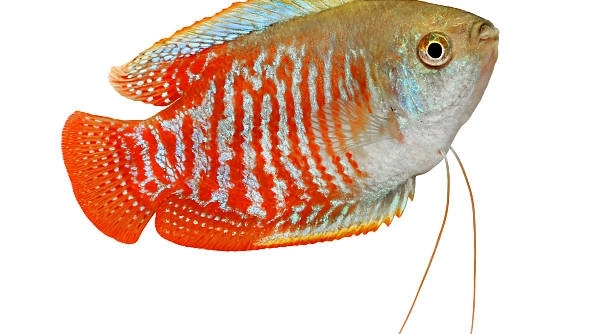
Many aquarium keepers notice subtle behaviors that reflect a gourami comfort within its tank environment, from calm movement to steady feeding habits, helping owners recognize wellbeing and create stable conditions for long term aquatic success.
A gourami enjoyment of its tank is indicated by consistent activity, healthy coloration, regular feeding, minimal stress behaviors, and appropriate social interactions, all reflecting environmental suitability, proper water parameters, adequate space, and effective habitat design supported by routine maintenance practices.
Observing these signs builds confidence, improves care decisions, and supports a peaceful aquarium where gouramis thrive daily with consistent attention.
Calm and Consistent Swimming Behavior
One of the clearest signs that a gourami enjoys its tank is calm, steady swimming throughout the day without frantic darting or constant hiding. A comfortable gourami moves smoothly between plants, open areas, and resting spots, showing confidence in its surroundings. It may explore gently, pause often, and return to favored areas without signs of panic. This behavior reflects stable water conditions, proper tank size, and compatible tank mates. When stress is low, movement appears controlled rather than rushed. Consistent swimming patterns also suggest the fish is not struggling with poor oxygen levels or sudden temperature shifts. Over time, owners may notice individual habits forming, which further signals comfort. Watching these patterns daily helps confirm that the tank layout, filtration, and lighting are supporting natural behavior and allowing the gourami to remain relaxed and balanced across different times of day, including feeding, resting, and low activity periods inside the aquarium.
Healthy swimming is easier to notice when observation becomes routine rather than occasional. Short daily checks reveal changes quickly. Sudden shifts in movement often signal stress, while stable patterns usually mean the gourami feels secure, supported, and comfortable within its established environment over long periods without visible signs of distress.
Swimming behavior should always be considered alongside the tank setup itself. Adequate space allows natural movement, while plants provide comfort without crowding. Gentle water flow prevents exhaustion and supports relaxed activity. Lighting that follows a consistent schedule reduces agitation and supports rest. When these elements work together, gouramis display predictable patterns that reflect contentment. Owners who adjust decor slowly and avoid sudden changes often see improved movement stability. Paying attention to these details supports not only enjoyment but also long term health, helping the fish maintain energy levels and balanced behavior inside the aquarium through careful observation and consistent care.
Strong Appetite and Confident Feeding
A gourami that eats eagerly and approaches food without hesitation often feels safe in its tank. Feeding response reflects comfort, routine, and low stress. Consistent interest in meals suggests stable conditions, proper nutrition, and a predictable environment that supports regular feeding behavior over time without signs of avoidance or fear.
Confident feeding habits reveal much about a gourami overall tank satisfaction. When a gourami rises calmly to the surface or waits at a familiar feeding spot, it shows trust in its surroundings. Skittish behavior, delayed responses, or refusal to eat often point to underlying stress factors. Proper feeding schedules help establish predictability, which reduces anxiety and supports digestion. Offering appropriate food sizes prevents struggle and encourages natural eating motions. Tank mate compatibility also plays a major role, as aggressive competition can disrupt feeding comfort. A peaceful environment allows the gourami to eat without rushing or retreating. Observing feeding from a short distance avoids startling the fish and reinforces routine. Over time, steady appetite paired with relaxed posture confirms that water quality, tank layout, and daily care practices are meeting the gourami needs. This consistency supports immune function, coloration, and energy levels, reinforcing overall well being within the aquarium and helps owners detect subtle changes early, allowing adjustments before problems escalate, supporting stability, comfort, and continued enjoyment for the fish through consistent observation, measured feeding portions, calm routines, balanced lighting, and minimal disruption across daily maintenance tasks and long term care practices inside a well managed home aquarium environment overall stability.
Healthy Coloration and Fin Condition
Bright, even coloration paired with intact fins often signals that a gourami feels comfortable in its tank. Colors appear stable rather than faded, and fins remain open instead of clamped. These traits usually reflect balanced water conditions, low stress levels, and proper nutrition over time within the aquarium environment overall.
Healthy coloration develops gradually and stays consistent when a gourami tank meets its needs. Dull patches, uneven tones, or frayed fins often appear when stress increases or water quality slips. Regular water changes, gentle filtration, and stable temperatures support pigment retention. Diet also matters, as varied foods help maintain vibrancy. I notice that when lighting is steady and hiding spots are available, colors remain richer. Fin condition improves when sharp decor is avoided and tank mates remain peaceful. Watching these details daily makes it easier to spot small changes early before issues affect long term health and comfort within tank.
Color and fin health also connect closely to behavior and activity levels. When a gourami feels secure, fins are held fully open during swimming and resting. Faded color often pairs with hiding or reduced movement. I find that keeping maintenance predictable prevents sudden changes that stress the fish. Avoiding overcrowding reduces fin damage and tension. Monitoring coloration during feeding and rest periods gives a fuller picture of comfort. These visual cues are reliable markers of how well the environment supports daily needs over extended periods in stable home aquarium conditions that encourage recovery balance and overall physical stability daily long.
Comfortable Use of Tank Space
A gourami that enjoys its tank uses all available space without hesitation. It moves between plants, open water, and resting areas calmly. Remaining visible for long periods shows confidence. Constant hiding or surface hovering often suggests discomfort. Balanced layouts encourage exploration while still offering cover, helping the fish feel secure throughout the day within the aquarium environment with predictable lighting stable water conditions and minimal disturbances over time daily routines remain consistent and calm overall.
Space usage reflects both comfort and trust in the environment. A relaxed gourami does not restrict itself to one corner or remain motionless for long stretches. Instead, it patrols familiar routes and returns to preferred spots. I notice better space use when decor is arranged to create gentle pathways rather than tight barriers. Vertical plants, floating cover, and open swimming lanes support natural movement. Consistent water flow prevents avoidance of certain areas. When the fish uses the full tank, it usually means stress is low and resources feel accessible. Observing this pattern over days provides reassurance that the setup meets both physical and behavioral needs within a home aquarium where layout maintenance and stocking levels remain stable and supportive of comfort safety balance and routine.
Relaxed Resting Patterns
Relaxed resting habits show that a gourami feels safe in its tank environment. The fish may pause on leaves, near decor, or mid water without tension. Resting openly rather than hiding reflects comfort, predictable routines, and stable conditions maintained through consistent care and gentle lighting across daily cycles overall consistently.
I often notice content gouramis rest at similar times each day without panic responses. Sudden movement nearby does not startle them easily. This steady response suggests trust in surroundings, adequate shelter options, and reduced stress from noise, lighting shifts, or aggressive tank mates that disrupt daily rest patterns stability overall.
Peaceful Social Interaction
Low stress interaction with tank mates signals that a gourami is comfortable and secure. Peaceful swimming alongside others, without chasing or fin flaring, reflects appropriate stocking choices. I find harmony improves when species share similar temperaments and space needs. Adequate hiding spots reduce competition and visual tension. Feeding remains orderly rather than frantic. When interactions stay calm, energy is conserved for growth and immune support. Minor displays may occur, yet they pass quickly without escalation. Consistent calm social behavior usually confirms that the environment supports coexistence, stability, and long term well being through predictable routines, stable conditions, daily care practices.
Bubble Nest Activity
Regular bubble nest building can indicate contentment, especially in males. It shows energy availability and comfort at the surface. While not required for happiness, consistent nest attempts often appear when water conditions, temperature, and surroundings feel secure and supportive during stable routines with minimal disturbance, balanced lighting, and calm maintenance.
How can I tell if my gourami is stressed instead of comfortable?
Stress usually shows through behavior changes rather than sudden illness. A stressed gourami may hide constantly, clamp its fins, refuse food, or dart around the tank without resting. Color fading is also common. I pay close attention to movement patterns, because calm swimming is often the first thing to change when something feels off. Checking water parameters right away helps narrow the cause. Stress rarely appears without a reason, so small adjustments often make a noticeable difference.
Does tank size affect how much a gourami enjoys its environment?
Tank size plays a major role in comfort. Gouramis need enough room to swim, rest, and establish preferred areas without feeling crowded. In smaller tanks, they often appear tense or limit their movement. I have noticed that when given more space, gouramis explore more confidently and rest openly. Proper space also reduces social tension and supports better water stability over time.
Can water parameters impact a gourami mood?
Yes, water conditions directly influence comfort. Stable temperature, proper pH, and low waste levels allow gouramis to behave naturally. When parameters fluctuate, behavior often changes quickly. I rely on consistent testing because even small shifts can affect appetite and movement. Clean water supports healthy coloration, smooth breathing, and relaxed posture. Stability matters more than perfection, as sudden changes tend to cause more stress than slightly imperfect values.
Do gouramis need plants to feel comfortable?
Plants are not mandatory, but they greatly improve comfort. Live or artificial plants provide visual cover and resting spots, which help gouramis feel secure. I notice more natural behavior when plants break up open space without overcrowding the tank. Floating plants can be especially helpful, as gouramis often rest near the surface. Balanced placement encourages exploration while still offering safe areas to retreat.
How does lighting affect gourami comfort?
Lighting influences stress levels more than many expect. Bright or inconsistent lighting can make gouramis uneasy. A steady light schedule helps them follow a predictable routine. I prefer moderate lighting paired with shaded areas, which allows the fish to choose where it feels most comfortable. Sudden light changes often lead to hiding or startled movement, while gradual transitions support calm behavior.
Is surface behavior a sign of enjoyment or concern?
Surface behavior depends on context. Gouramis naturally visit the surface due to their labyrinth organ, so occasional surface activity is normal. However, constant gasping or lingering may signal water quality issues. I watch for balance between surface visits and mid level swimming. When the tank is comfortable, surface use appears relaxed rather than urgent or repetitive.
Can feeding behavior change with comfort levels?
Feeding response is one of the clearest indicators. A comfortable gourami approaches food calmly and eats without rushing. Skipping meals or hesitating often reflects stress. I stick to consistent feeding times, which builds trust and routine. Over time, steady feeding behavior reassures me that the environment feels safe and predictable for the fish.
Do gouramis recognize their caretakers?
While not recognition in a human sense, gouramis do associate presence with routine. I notice calmer behavior during feeding when movements are familiar and slow. Sudden gestures can startle them, especially early on. Over time, consistent interaction helps reduce fear responses. This familiarity supports confidence during feeding and maintenance activities.
How long does it take for a gourami to settle into a new tank?
Adjustment time varies, but most gouramis need several days to a few weeks to fully relax. Early hiding or reduced movement is normal. I avoid rearranging decor during this period to maintain stability. Gradually, swimming patterns become consistent, appetite improves, and resting spots become predictable. Patience during this phase helps prevent unnecessary stress.
Should I worry if my gourami behavior changes slightly?
Small changes happen, but patterns matter more than isolated moments. A single skipped meal or short hiding period is not always concerning. I watch for repeated changes across several days. Tracking behavior makes it easier to notice trends. Early attention allows gentle corrections before discomfort turns into long term issues, supporting a calm and healthy tank environment.
Final Thoughts
Caring for a gourami goes beyond keeping water clean and food available. Comfort shows through daily patterns that become familiar with time and attention. Calm swimming, steady appetite, relaxed resting, and confident use of space all point toward a tank that meets the fish needs. These signs are not dramatic, yet they are reliable. I have learned that consistency matters more than constant changes. A stable setup allows the gourami to settle into routines that support both physical health and behavioral balance. Small observations, made regularly, provide better insight than occasional close inspections. When conditions remain predictable, the fish responds with steady behavior that reflects comfort rather than stress. This steady rhythm builds trust between caretaker and environment, creating a space where the gourami can exist without constant adjustment or pressure. Over time, these patterns become reassuring markers of proper care.
It is also important to remember that each gourami has its own habits. While general signs apply across the species, individual behavior may vary slightly. One fish may rest more often, while another prefers slow exploration. Noticing these differences helps refine care rather than forcing uniform expectations. I find it helpful to avoid overreacting to brief changes and instead focus on longer trends. Comfort is reflected in stability, not perfection. Tanks that feel calm tend to support better coloration, fin condition, and feeding response naturally. Adjustments should be measured and purposeful, allowing the fish time to respond. Frequent rearranging, sudden lighting changes, or inconsistent routines often disrupt comfort rather than improve it. A thoughtful approach supports long term balance and reduces unnecessary stress within the aquarium environment.
Ultimately, understanding whether a gourami enjoys its tank comes down to observation and patience. The fish communicates through behavior rather than signals that demand immediate action. Learning to read these cues creates confidence in care decisions and strengthens the connection to the aquarium as a whole. When the tank supports comfort, maintenance feels more intuitive and less reactive. I have found that focusing on stability leads to fewer problems and more enjoyment over time. A comfortable gourami does not demand attention, yet it rewards consistency with calm presence and predictable behavior. This balance reflects successful care and a tank environment designed with intention rather than impulse.

Hello,
If you enjoy the content that we create, please consider saying a "Thank You!" by leaving a tip.
Every little bit helps us continue crafting quality advice that supports the health, happiness, and well-being of pets around the world, for pets of all shapes, sizes, and species.
We really appreciate the kindness and support that you show us!