
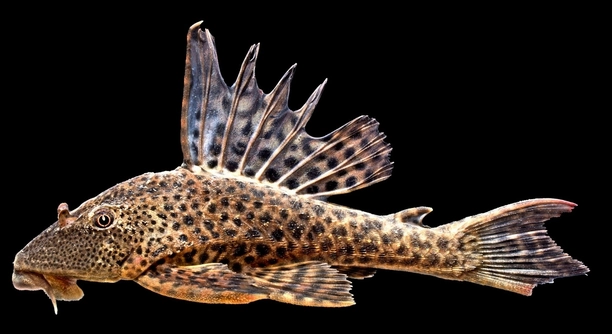
Is your pleco tank starting to look crowded with fish, decorations, or leftover food floating around with nowhere to settle?
A pleco tank is considered too full when water parameters become unstable, oxygen levels drop, and fish behavior changes, such as increased hiding or aggression. Overcrowding can also lead to filter strain and poor overall health.
Identifying these signs early can help prevent stress, illness, or even death in your plecos, and ensure your tank stays balanced and clean.
Too Many Plecos in One Tank
Overstocking is one of the most common reasons a pleco tank feels too full. Plecos may seem peaceful, but they are territorial—especially as they grow. A small group of juvenile plecos can quickly outgrow a tank and begin competing for space, hiding spots, and food. This creates stress and increases aggression. Even in a large tank, too many plecos means more waste, which leads to more cleaning and higher chances of ammonia spikes. Each species also has different space needs. For example, a common pleco needs much more room than a bristlenose. When the tank feels tight, plecos tend to hide more often or stay inactive. Some may even stop eating properly. Adding too many fish at once or underestimating how large they’ll grow can also contribute to this issue. It’s better to start with fewer and expand if your setup allows.
Always check each species’ adult size and behavior before adding more.
A good rule is to allow plenty of space per fish, keep their needs in mind, and avoid mixing species that compete for the same areas. Make sure hiding spots and feeding areas are evenly spread across the tank to reduce tension.
Lack of Swimming or Hiding Space
Plecos need space not just to swim, but also to feel secure.
In a tank that’s too full, plecos often lose access to their favorite spots. This can lead to stress and health issues. Decorations, caves, driftwood, and plants are helpful, but too many can actually limit their room. It’s important to balance decor with open space. Plecos love shaded zones where they can rest during the day, but if every hiding spot is occupied or blocked by other fish, they may start staying out in the open—where they feel unsafe. This can cause them to become shy or aggressive. Large plecos, in particular, need more space to turn and move comfortably without bumping into objects. Watch how your pleco behaves when swimming; slow movements, awkward turns, or clumsy navigating can signal that space is tight. Rearranging the tank or removing bulky decor can make a big difference without needing a bigger tank.
Poor Water Quality
When a tank is too full, waste builds up faster than your filter can handle. This causes ammonia and nitrite levels to rise, which can quickly harm your plecos. Water may also become cloudy and smell bad.
Dirty water isn’t just unpleasant to look at—it creates an unhealthy environment. Plecos are hardy, but constant exposure to poor water quality can weaken their immune system. You might notice signs like pale coloration, rapid gill movement, or more time spent near the filter or air stone. These are all signs they’re trying to cope with low oxygen or bad conditions. Frequent water changes help, but if the tank is overstocked, even that may not be enough. You’ll also need to check if your filter is rated for your tank size and bio-load. Using a test kit weekly can help you stay ahead of any issues before they turn serious.
Some fish keepers notice problems only after a pleco stops eating or becomes sluggish. By then, water conditions have likely been bad for some time. Always keep an eye on the tank’s smell and clarity. Use a gravel vacuum during water changes to remove waste buildup. Staying consistent with cleaning routines can keep your plecos healthier and your tank balanced.
Filter Always Looks Dirty
A constantly dirty filter is often a sign the tank is overstocked. It’s not just a cleaning issue—it means the tank is producing more waste than it can safely handle on its own.
Plecos are heavy waste producers, especially larger types like the common or sailfin pleco. If your filter pads are getting clogged every few days, or if the outflow starts slowing down quickly, you may be dealing with an overfull tank. Frequent filter cleaning is not ideal, since it can disrupt the beneficial bacteria your tank depends on. You also risk losing water clarity and oxygen levels. Consider whether your current filter is strong enough for the tank size and number of fish. You might need to add a second filter or upgrade to a model with better flow and bio-media space. Sometimes, simply reducing the number of fish can restore balance and ease filter strain.
Aggressive or Unusual Behavior
Plecos can become aggressive or territorial when they don’t have enough space. You might notice them chasing other fish, especially at night when they’re most active. Tail nipping or constant hiding are also common signs of stress caused by crowding.
Even peaceful plecos can start acting out when conditions are tight. If one pleco constantly hogs a hiding spot or pushes others away from food, it’s a sign the tank is too full. Adding more room or creating more separate hiding areas can help ease tension.
Rapid Algae Growth
Too many fish in one tank means more waste, and that waste feeds algae. A tank that looks green or has algae quickly returning after cleanings likely has a balance issue. High nitrate and phosphate levels caused by overstocking are the most common reason for this. Reducing fish load can help stabilize it.
Food Doesn’t Reach the Bottom
Overcrowding can make it hard for food to settle where plecos feed. They may miss meals if faster or more aggressive fish eat everything first. You may also see leftover food floating around, which adds to water quality problems. Spread food out more or feed at night when plecos are active.
FAQ
How many plecos can I keep in one tank?
It depends on the species and the size of the tank. Smaller plecos like bristlenose can do well in a 20–30 gallon tank, but only one is recommended unless the tank is larger. Bigger plecos, such as common plecos, need a tank of 75 gallons or more each. It’s not just about gallons—it’s about space, hiding spots, and how much waste they produce. In general, it’s best to keep only one pleco per tank unless you’re experienced and have the right setup. Some plecos are also territorial and may fight if housed too closely.
What happens if a tank is too full for plecos?
When the tank is overstocked, water quality drops, and oxygen levels go down. You might notice cloudy water, algae, or filters getting dirty quickly. Plecos may also show signs of stress, such as hiding more, eating less, or acting aggressively. Their immune system can weaken, making them more likely to get sick. Waste builds up faster than the filter can handle, and even regular water changes may not be enough to keep things balanced. Over time, this can lead to illness or death, especially if you don’t act early. It’s important to fix the problem before it gets worse.
How can I tell if my pleco is stressed from crowding?
Stressed plecos often hide all the time, stop eating, or breathe quickly. You might also see them darting around the tank or trying to escape. Some become aggressive toward other fish or stop interacting with the environment. Color changes, especially dull or faded shades, are another clue. If your pleco used to be active and suddenly becomes withdrawn or hides more than usual, it may be a sign the tank is too full or poorly maintained. These signs usually mean something in the tank setup isn’t right—space, water quality, or tankmates could all be the reason.
Can I fix overcrowding without getting a new tank?
Yes, but it depends on how bad it is. The first step is to reduce the number of fish. Rehoming one or two can make a big difference. Next, improve your filter or add another one to help with waste and water flow. Rearranging the tank can also help give each pleco its own space. Try spreading out the hiding spots and decorations so they aren’t all fighting for the same area. Feeding at night can make sure plecos get their food if other fish are eating too fast during the day.
Do all plecos need the same amount of space?
No. Each species has different needs. A clown pleco stays small and doesn’t need much room, while a common pleco can grow over a foot long and needs a huge tank. It’s important to research the species you have or plan to get. Some plecos are more peaceful, while others like to defend their space. Tank size, diet, and even water flow should match the needs of the specific pleco. Don’t assume one setup works for all. A small pleco today can quickly grow and outpace your tank’s size and bio-capacity.
How often should I test the water in a pleco tank?
Once a week is a good routine. Check for ammonia, nitrites, and nitrates. In a well-balanced tank, ammonia and nitrites should always be at zero. Nitrates should stay under 40 ppm, ideally under 20 ppm. If your tank is overstocked or something seems off, test more often until things settle. If you notice cloudy water, fish acting weird, or algae building up quickly, testing should be the first step. A liquid test kit is more accurate than strips and helps you catch issues before they become serious. Regular testing is one of the best ways to protect your plecos.
Final Thoughts
Keeping plecos can be a rewarding experience, but it does take some planning and care. These fish are peaceful, interesting to watch, and helpful when it comes to cleaning algae. Still, they need the right space to stay healthy. A tank that’s too full can quickly turn into a problem, both for your plecos and for you. If the tank looks crowded, smells bad, or feels hard to manage, it might be time to step back and look at how it’s set up. Sometimes even small changes—like adjusting the decor or adding more hiding spots—can make a big difference. Other times, it may mean rehoming a fish or upgrading your tank size.
Plecos are sensitive to water changes and stress, especially when the tank is overstocked. They need clean water, enough oxygen, and food that reaches the bottom where they feed. When these basic needs aren’t met, plecos can become stressed, aggressive, or even sick. Watching their behavior closely helps you notice if something is off. If your pleco is hiding too much, breathing fast, or not eating, it may be trying to tell you that conditions in the tank aren’t right. Regular water testing, proper filtration, and enough space are all key parts of keeping a stable tank. It’s also helpful to research the type of pleco you have so you understand how much room it needs as it grows.
A pleco tank doesn’t need to be complicated, but it does need to be balanced. The goal is to create a space where your fish can thrive—not just survive. Keep an eye on your water quality, clean the tank on a regular schedule, and make sure there’s room for each fish to have its own space. Avoid adding too many fish or decorations that block swimming paths. If your tank starts to feel like too much to handle, it’s okay to simplify things. A healthy pleco is active, alert, and calm. With the right setup, your tank will be easier to manage and your plecos will be more relaxed and happy. Making a few careful choices now can help avoid bigger problems later.

Hello,
If you enjoy the content that we create, please consider saying a "Thank You!" by leaving a tip.
Every little bit helps us continue crafting quality advice that supports the health, happiness, and well-being of pets around the world, for pets of all shapes, sizes, and species.
We really appreciate the kindness and support that you show us!