
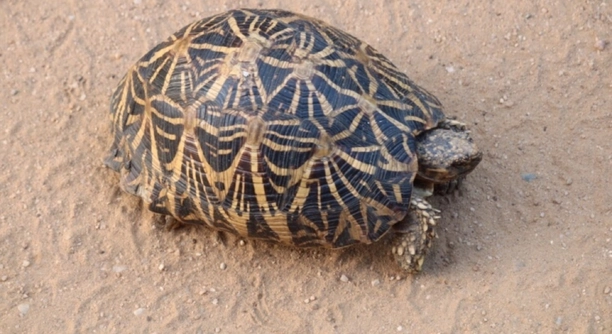
Is your turtle’s skin looking dry or irritated? Proper care is essential to keep their skin smooth and free from infections. Understanding the right steps can help maintain your pet’s overall health and comfort.
The best way to keep your turtle’s skin healthy is by maintaining proper water quality, providing a balanced diet, and ensuring adequate basking time. Clean water prevents infections, while proper nutrition and UV exposure support strong skin and shell health.
A well-cared-for turtle will be happier and more active. Learning the best ways to care for their skin can prevent common health issues and keep them thriving in their habitat.
Maintain Clean Water
Keeping your turtle’s water clean is important for their skin health. Dirty water can cause bacterial and fungal infections, leading to irritation and shedding issues. Regular water changes help prevent harmful buildup of waste, keeping your turtle’s skin smooth. Using a high-quality filter reduces bacteria and keeps ammonia levels low. Testing the water weekly ensures the right pH balance and prevents skin problems. A well-maintained habitat supports healthy shedding and prevents infections. If the water smells bad or looks cloudy, it’s time for a cleaning. Maintaining cleanliness improves overall health and makes your turtle more comfortable.
Change at least 25% of the tank water every week. Full cleanings should be done every few weeks to remove debris and bacteria. A well-filtered, clean environment reduces stress and keeps your turtle’s skin in good condition.
Poor water quality can lead to skin infections, shell rot, and excessive shedding. Turtles spend most of their time in water, so keeping it clean is essential. Avoid overfeeding, as leftover food can quickly pollute the water. If your turtle’s skin looks red, irritated, or peeling excessively, check the water conditions first. Healthy water means healthy skin, so regular maintenance is necessary. Taking these steps ensures your turtle stays happy and free from common skin issues.
Provide Proper Nutrition
A well-balanced diet helps keep your turtle’s skin strong and healthy. Poor nutrition can lead to dryness, shedding problems, and infections. Turtles need a mix of proteins, vegetables, and calcium-rich foods to support skin health.
Leafy greens, insects, and commercial turtle pellets provide essential nutrients. Calcium and vitamin D3 help maintain healthy skin and shell growth. Avoid overfeeding fatty foods, as they can lead to poor skin condition. Proper hydration also supports smooth shedding. Fresh vegetables, occasional fruits, and high-quality pellets create a nutritious diet.
Turtles that lack proper nutrition may develop dry, flaky skin or struggle with shedding. Feeding a variety of foods prevents deficiencies and keeps their skin hydrated. Live insects like crickets and mealworms provide protein, while dark leafy greens offer vitamins. Calcium supplements and UVB lighting help with nutrient absorption. By offering a well-rounded diet, you can prevent many common skin issues and keep your turtle looking and feeling its best.
Ensure Proper Basking
Turtles need a warm, dry area to bask daily. Without proper basking, their skin can become too moist, leading to fungal or bacterial infections. A well-lit basking spot helps regulate their body temperature and keeps their skin healthy.
A basking area should be easily accessible, with a stable platform where your turtle can fully dry off. Use a heat lamp to maintain a temperature between 85-95°F. A UVB light is also necessary for vitamin D3 production, which helps with calcium absorption. Without UVB exposure, turtles can develop weak skin and shell issues. Keep the basking area clean to prevent bacterial buildup.
Lack of proper basking can lead to shell rot, fungal infections, and poor shedding. If your turtle avoids basking, check the temperature and placement of the heat lamp. Ensuring a comfortable, warm spot encourages daily basking, keeping their skin strong and free from infections.
Avoid Overhandling
Too much handling can stress turtles and lead to skin problems. Their skin is delicate, and excessive contact can transfer oils and bacteria, causing irritation. Limit handling to necessary situations, such as health checks or habitat maintenance, to prevent unnecessary stress on your turtle.
When handling is required, wash your hands before and after touching your turtle. Support their body properly to avoid injuries or excessive pressure on their skin. If your turtle seems agitated or tries to retreat, give them space. Handling should always be gentle and brief. Using a clean towel or gloves can reduce direct skin contact. If your turtle has an open wound or irritated skin, avoid handling until they heal.
Turtles are not social animals and prefer minimal interaction. Stress from frequent handling can weaken their immune system, making them more vulnerable to infections. If your turtle’s skin appears irritated or they seem unusually withdrawn, give them time to relax in their habitat. By respecting their space, you help maintain their health and comfort.
Monitor for Skin Issues
Check your turtle’s skin regularly for signs of redness, peeling, or unusual bumps. Early detection of infections or fungal growth can prevent more serious health problems. If you notice any changes, adjust their habitat conditions and diet to improve their skin health.
Excessive shedding or foul odors may indicate a skin infection. Poor water quality, lack of basking, or nutritional deficiencies are common causes. If symptoms persist despite improvements, consult a reptile veterinarian. Prompt treatment can prevent complications and keep your turtle healthy.
Keep the Habitat Humidity Balanced
Too much moisture in the enclosure can cause fungal infections, while dry conditions may lead to excessive shedding. Maintaining the right humidity level helps prevent these issues and supports healthy skin. Adjust humidity by monitoring water evaporation and using a hygrometer to track levels.
Choose Safe Substrate
Rough or abrasive substrate can cause skin irritation or injuries. Soft, non-toxic materials like smooth river rocks or reptile-safe mats are better options. Avoid sand or small gravel, as they can lead to ingestion hazards and skin abrasions. Keeping the substrate clean further reduces the risk of infections and irritation.
FAQ
How can I tell if my turtle’s skin is healthy?
A healthy turtle’s skin should be smooth and evenly colored without any red spots, bumps, or signs of irritation. The skin should not be dry or excessively shedding. If you notice peeling, crusting, or discoloration, it might indicate a health problem. Regularly check your turtle’s skin and shell for any changes. If anything seems unusual, address potential causes like water quality, diet, or basking time. A healthy turtle’s skin should not have visible sores or unusual patches, and it should look well-moisturized.
Why does my turtle shed its skin?
Turtles naturally shed their skin, much like other reptiles. Shedding is a sign of growth, and it usually happens in small patches. If your turtle is shedding more than usual or the skin appears thick or difficult to shed, this could be due to improper basking conditions, poor diet, or water quality. Ensure the turtle has access to proper UVB lighting and a warm basking area to aid the shedding process. Healthy shedding helps maintain the quality of their skin.
Can water quality affect my turtle’s skin?
Yes, poor water quality can have a direct impact on your turtle’s skin health. Dirty water can cause bacterial or fungal infections, leading to skin irritations, swelling, or sores. Regular water changes and using a high-quality filtration system help maintain water cleanliness. It’s essential to check the water’s pH levels and ammonia concentration regularly to ensure they are within safe ranges. Proper water care prevents skin infections and ensures your turtle stays healthy.
How often should I clean my turtle’s tank?
You should clean your turtle’s tank regularly to avoid any buildup of waste or harmful bacteria. Change at least 25% of the water every week, and clean the tank thoroughly every few weeks to remove any debris. Ensure the filter is functioning well and replace it when needed. If your turtle’s tank is dirty or has strong odors, it may cause skin issues. A clean environment promotes a healthier lifestyle and helps prevent skin problems.
What can I do if my turtle has dry or irritated skin?
Dry or irritated skin in turtles can be a sign of poor humidity, insufficient basking time, or inadequate nutrition. First, check the humidity levels in your turtle’s habitat and make adjustments as necessary. Make sure your turtle is basking regularly under a UVB light, and consider adding more leafy greens and calcium to their diet. If the skin irritation persists, consult a veterinarian to rule out bacterial or fungal infections. Providing a balanced environment can help improve skin conditions over time.
Should I use a heat lamp for my turtle?
Yes, using a heat lamp is essential for your turtle’s health, especially for proper skin care. A heat lamp provides the warmth necessary for your turtle to bask and dry its skin. Without this heat, your turtle’s skin could remain too moist, leading to fungal infections or other skin issues. Make sure the basking area is between 85-95°F for optimal health. Adding UVB light along with the heat lamp is also important for vitamin D3 production and calcium absorption.
How long should my turtle bask every day?
Turtles need to bask for about 2 to 4 hours daily to stay healthy. Basking helps them regulate their body temperature, dry their skin, and receive essential UVB light for proper calcium absorption. If your turtle is not basking enough, it could lead to skin problems and weakened bones. Ensure that the basking area is comfortable and properly lit to encourage your turtle to spend enough time there.
Can overfeeding affect my turtle’s skin?
Yes, overfeeding can contribute to poor skin health. When turtles are overfed, their digestive system struggles, leading to waste buildup in the tank and poor water quality. This can cause skin irritation or infections. Overfeeding also leads to obesity, which can weaken your turtle’s immune system and make it more susceptible to skin problems. Stick to a regular feeding schedule and avoid offering excessive amounts of food.
Is it safe to use any kind of substrate for my turtle?
Not all substrates are safe for turtles. Avoid using rough or sharp materials that could scratch or injure your turtle’s skin. Sand or small gravel can be dangerous as they may cause accidental ingestion, leading to digestive issues. Soft, non-toxic materials like smooth river rocks, reptile-safe mats, or grass can provide a comfortable environment for your turtle without risking skin damage. Always ensure that the substrate is clean to avoid bacterial growth.
What signs should I look for if my turtle has a skin infection?
Signs of a skin infection in turtles include redness, swelling, sores, or excessive peeling. If you notice your turtle’s skin becoming inflamed, turning an unusual color, or developing open sores, these are indicators of a potential infection. A change in behavior, such as lethargy or loss of appetite, can also be signs of illness. If you observe these symptoms, it’s important to take your turtle to a vet for a proper diagnosis and treatment.
How do I improve my turtle’s diet for better skin health?
A balanced diet rich in vitamins and minerals plays a key role in maintaining healthy skin. Offer a mix of leafy greens like kale, dandelion greens, and collard greens, along with a variety of live insects like crickets or mealworms. Supplementing with calcium powder ensures healthy shell and skin growth. Avoid feeding your turtle too many fatty foods like processed pellets, as this can lead to skin problems. A well-rounded diet supports your turtle’s skin and overall health.
Can humidity levels affect my turtle’s skin?
Yes, humidity plays a role in your turtle’s skin condition. If the humidity is too high, it can cause skin fungal infections, while low humidity can lead to dry, flaky skin. A humidity level between 50-70% is ideal for most turtles. Use a hygrometer to monitor humidity levels and adjust them as needed. You can add humidity by misting the enclosure or using a water dish. Proper humidity levels contribute to your turtle’s healthy skin and overall well-being.
Final Thoughts
Keeping your turtle’s skin healthy is an important part of ensuring their overall well-being. By maintaining clean water, providing a balanced diet, and giving them proper basking time, you create the right environment for your turtle to thrive. It’s not just about preventing infections, but also about making sure your turtle can shed properly, absorb essential vitamins, and avoid irritation. Regularly checking your turtle’s skin and shell for any changes will help you catch potential issues early, preventing more serious health problems down the line.
Turtles are low-maintenance pets in many ways, but they do require careful attention to their habitat. The small adjustments you make, like improving water quality, controlling humidity, and ensuring proper lighting, can make a big difference in your turtle’s health. Skin issues often arise when their environment is neglected or their diet is lacking in key nutrients. It’s essential to avoid overfeeding and choose safe, high-quality food to keep their skin looking good. Additionally, giving them space to bask and dry off can prevent skin infections caused by excessive moisture.
If you notice any persistent skin problems, don’t hesitate to reach out to a veterinarian. Sometimes, despite your best efforts, infections or skin issues can still occur. Early intervention can save your turtle from long-term health problems. Whether it’s a change in water quality or a slight imbalance in their diet, the right care will go a long way in keeping your turtle’s skin healthy and strong. It’s all about creating a balanced environment that supports their natural needs. With the right attention, your turtle will stay healthy and comfortable for years to come.

Hello,
If you enjoy the content that we create, please consider saying a "Thank You!" by leaving a tip.
Every little bit helps us continue crafting quality advice that supports the health, happiness, and well-being of pets around the world, for pets of all shapes, sizes, and species.
We really appreciate the kindness and support that you show us!