
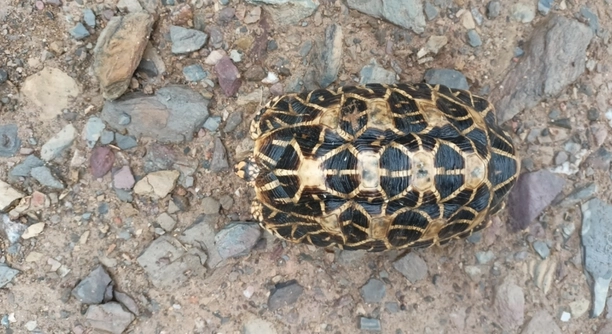
If you own a star tortoise, keeping them happy and engaged can be a challenge. They have specific needs to stay entertained, and their environment plays a big role in their overall well-being.
Providing various forms of stimulation, such as exploring different habitats, offering enriching food, and introducing safe toys, can keep your star tortoise engaged. Mental and physical activities promote better health and encourage natural behaviors in your pet.
Creating an enriching environment can be simple and rewarding for both you and your tortoise. Keep reading to discover fun ways to keep your star tortoise active and entertained.
1. Creating a Safe and Stimulating Habitat
A star tortoise thrives in a well-set-up environment. Providing the right space for them to explore is key to keeping them entertained. You should aim for a large enclosure that mimics their natural habitat, with plenty of hiding spots, rocks, and small plants. This will allow your tortoise to express its natural behaviors like foraging and climbing. Make sure there is enough room for your tortoise to move around comfortably and maintain a healthy activity level.
The more your tortoise has to explore, the more mentally and physically active it will be. Try to create an environment that includes different textures and materials to encourage engagement.
Adding natural elements to your tortoise’s habitat doesn’t need to be complex. Small rocks, branches, and even a shallow water dish will provide new challenges and opportunities for exploration. These additions help keep your tortoise curious, which in turn supports its physical and mental well-being.
2. Providing Variety in Food
Food is more than just nutrition for your star tortoise; it’s a form of entertainment. Offering a variety of fresh greens, flowers, and occasional fruits will keep your tortoise’s interest high. By changing their diet regularly, you can prevent boredom and encourage natural foraging behavior. Ensure the food you provide is safe and suitable for your tortoise’s dietary needs.
Introducing a mix of leafy vegetables and occasional treats, such as dandelion leaves, will create new experiences for your tortoise. This variety ensures that they stay engaged and healthy.
A great way to provide mental stimulation through food is by hiding small pieces of their favorite snacks in their habitat. This simple activity allows them to search and forage, similar to what they would do in the wild. Additionally, rotating foods will make mealtime more exciting and beneficial to your tortoise’s health.
3. Introducing Interactive Toys
Interactive toys can keep your star tortoise mentally stimulated. Simple toys, like puzzle feeders or safe objects to push around, provide a way for them to engage in activities they would naturally do in the wild. These toys help prevent boredom.
Place toys in different parts of their habitat to encourage exploration and problem-solving. A ball they can push or a small log that they can crawl through provides stimulation. You can also use toys that mimic the textures and challenges of nature, such as things they would encounter in the wild.
When choosing toys, make sure they’re safe and durable. Materials like wood or plastic that won’t break or harm your tortoise are essential. Make sure the toys are the right size—large enough that they cannot be accidentally ingested, but small enough for the tortoise to interact with them easily. Rotate these toys to maintain interest.
4. Offering Regular Outdoor Time
Outdoor time offers your star tortoise new sights, sounds, and smells that can’t be replicated in an enclosure. If the weather permits, placing your tortoise outside for safe, supervised exploration is an ideal way to keep them engaged. Fresh grass, leaves, and sunlight are beneficial for both their mental and physical health.
During outdoor time, make sure there’s a secure area where they can roam freely without the risk of escaping. A garden or fenced space works well for this purpose. Ensure the environment is free of potential hazards such as chemicals, sharp objects, or predators. Always keep a close eye on your tortoise to prevent any issues.
Allow your star tortoise to roam at its own pace. Outdoor exploration promotes natural behaviors like grazing, digging, and soaking up the sun. These actions are beneficial for their health, and it helps prevent boredom. Your tortoise will appreciate the change of scenery and benefit from the extra space.
5. Creating Hiding Spots and Shelters
Providing hiding spots allows your tortoise to feel secure while exploring. Small shelters, such as caves or shaded areas, offer a space for them to rest or retreat when they need a break from activity. These areas create a sense of safety.
Hiding spots mimic natural shelters that tortoises use in the wild. They can choose to relax or take cover when they feel the need, helping them regulate their stress levels. These spots should be easy to access, but spacious enough to allow your tortoise to retreat when necessary.
6. Encouraging Climbing and Digging
Climbing and digging are natural behaviors for star tortoises. Offering opportunities for them to engage in these activities promotes healthy exercise and mental stimulation. Simple structures like rocks or logs can encourage them to explore different heights. Make sure these are sturdy and safe.
You can add digging materials such as loose soil or sand to the enclosure. This encourages your tortoise to burrow, which is a form of enrichment. When setting up climbing or digging areas, consider the size and strength of your tortoise to ensure everything is secure and safe for them.
7. Social Interaction and Handling
Social interaction is another important part of keeping your star tortoise engaged. While they are typically solitary animals, gentle handling can help build trust and strengthen the bond between you and your pet. Avoid overstimulating them, but offer occasional attention.
Make sure you handle your tortoise gently and provide breaks. Keep sessions short, and allow them to explore their environment afterward. This helps prevent stress and keeps your tortoise comfortable while still benefiting from socialization.
FAQ
How often should I handle my star tortoise?
Handling your star tortoise should be kept to a minimum. Overhandling can cause stress, so it’s best to interact with them in short, gentle sessions. A few minutes every few days is enough to build trust. Make sure your tortoise has plenty of time to roam and rest in its habitat without constant disturbance. Always observe their behavior—if they seem stressed, it’s time to stop handling and give them space.
What type of food is best for a star tortoise?
A balanced diet is crucial for your star tortoise’s health. Offer a variety of leafy greens, such as dandelion leaves, collard greens, and mustard greens. Occasionally, you can give them safe fruits, like strawberries or melon, but these should be given sparingly. Avoid feeding them lettuce, as it lacks nutrition, and be cautious with high-oxalate foods like spinach. Providing fresh water daily is also important to keep them hydrated.
Can I keep more than one star tortoise together?
Star tortoises can be solitary, and keeping more than one in the same enclosure can lead to stress or territorial behavior. If you want to house more than one, ensure the space is large enough to avoid fights. Keep an eye on their interactions, as they may compete for food or hideouts. In general, it’s best to house them individually to ensure a peaceful environment.
What is the ideal temperature for a star tortoise’s habitat?
The ideal temperature for your tortoise’s habitat should range between 80–85°F during the day. This allows them to bask in warmth. A basking spot should be around 90–95°F. At night, the temperature can drop to 70–75°F. Using a heat lamp or ceramic heater can help regulate the temperature in the enclosure. Always have a thermometer to monitor the conditions.
How much space does a star tortoise need?
Space is essential for your tortoise’s well-being. A minimum of 4×8 feet of space is recommended for one star tortoise, though more space is always better. The enclosure should include areas for basking, hiding, and roaming. The more space they have to explore, the more active and engaged they’ll be. Ensure the enclosure is secure to prevent escapes.
Do I need UVB lighting for my star tortoise?
Yes, UVB lighting is essential for your star tortoise’s health. UVB rays help them produce vitamin D3, which is necessary for calcium absorption and bone health. A UVB bulb should be on for about 12 hours a day. Replace the bulb every 6 months to ensure its effectiveness. Without proper UVB exposure, your tortoise can develop health issues like metabolic bone disease.
Can star tortoises be kept outside?
Yes, star tortoises can be kept outside, but only in suitable climates and with proper precautions. They need a secure, escape-proof outdoor area where they can bask in the sun and forage safely. Make sure the area is free of predators and harmful chemicals. If the weather is too hot or too cold, it’s best to bring them indoors.
How can I tell if my star tortoise is stressed?
Signs of stress in a star tortoise can include reduced activity, hiding more than usual, loss of appetite, or abnormal behaviors like pacing or excessive scratching at the walls of the enclosure. If your tortoise seems stressed, assess its environment—too much handling, a lack of hiding spots, or unsuitable temperatures could be the issue. Reducing stress is key to keeping your tortoise healthy.
What should I do if my star tortoise isn’t eating?
If your tortoise isn’t eating, check the temperature and humidity levels in its enclosure first, as improper conditions can affect their appetite. Make sure the food is fresh and varied, and try offering different types of leafy greens or fruits. If the problem persists for more than a few days, it’s best to consult a vet to rule out any health issues.
How can I prevent shell rot in my star tortoise?
Shell rot can occur if your tortoise’s enclosure is too damp or dirty. Keep the habitat clean by regularly changing bedding and wiping down surfaces. Ensure proper ventilation, and avoid over-wetting the substrate. Regularly check the shell for signs of damage or softness. If you notice any changes, take your tortoise to a vet for proper care.
What are some common health issues in star tortoises?
Common health problems in star tortoises include respiratory infections, metabolic bone disease, and shell rot. Respiratory issues often result from incorrect humidity or temperature levels. To prevent metabolic bone disease, ensure your tortoise gets enough calcium and UVB exposure. If you notice any abnormal behavior, seek veterinary care to address the issue early.
Do star tortoises need a companion?
Star tortoises are solitary animals and do not require a companion to be happy. In fact, keeping multiple tortoises together can lead to territorial disputes and stress. It’s better to keep them in individual enclosures to allow them to thrive on their own. They enjoy their personal space and independence.
How long do star tortoises live?
Star tortoises have a long lifespan and can live for 50 to 100 years with proper care. Their longevity depends on factors like diet, habitat conditions, and health care. Providing a stable, well-maintained environment will ensure they live a long, happy life. Regular veterinary checkups are recommended to catch any potential health issues early.
Final Thoughts
Taking care of a star tortoise requires some effort, but it’s a rewarding experience. These unique creatures thrive when they have a well-maintained habitat and a variety of activities to keep them engaged. A safe, clean, and spacious environment is key to ensuring they remain happy and healthy. They need space to roam, hide, climb, and dig, just like they would in the wild. Regularly adjusting their environment, providing fresh food, and introducing safe toys will help keep them mentally stimulated and physically active.
Star tortoises are generally low-maintenance pets, but they still require attention to their needs. Offering regular outdoor time can also benefit them, allowing them to experience the natural world outside their enclosure. While they don’t need constant social interaction, gentle handling and occasional attention can help build trust between you and your pet. If your tortoise seems stressed or isn’t eating, check the environment for any issues and make sure the temperature, humidity, and lighting are correct. Adjusting these factors can often resolve small problems before they become bigger issues.
Overall, by understanding their behaviors and needs, you can ensure your star tortoise leads a healthy, enriched life. These creatures may be solitary, but they can develop strong bonds with their owners. With proper care, they can live for decades, providing you with a long-term companion. Following the steps outlined in this article will help you create the best environment for your tortoise, allowing it to stay active, engaged, and happy for many years.

Hello,
If you enjoy the content that we create, please consider saying a "Thank You!" by leaving a tip.
Every little bit helps us continue crafting quality advice that supports the health, happiness, and well-being of pets around the world, for pets of all shapes, sizes, and species.
We really appreciate the kindness and support that you show us!