
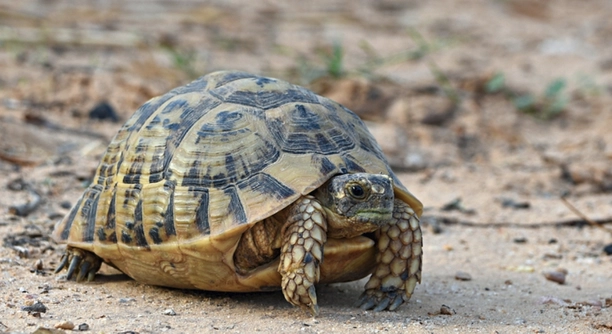
As summer heat sets in, it’s important to make sure your Russian tortoise stays cool and comfortable. Heat can be a challenge for reptiles, and proper care can ensure your pet’s well-being during warmer months.
To keep your Russian tortoise cool in the summer, create a cool environment with access to shaded areas, a shallow water dish, and proper ventilation. Avoid direct sunlight exposure for prolonged periods and ensure a cooler, controlled habitat indoors during extreme heat.
By following these steps, your tortoise will stay safe and healthy throughout the summer heat.
Keep Their Habitat Cool
When it comes to keeping your Russian tortoise cool, start by adjusting their habitat. A shaded outdoor enclosure can make a big difference during hot weather. If you’re keeping them indoors, ensure they have a well-ventilated area that avoids direct sunlight. Placing their enclosure away from windows or heat sources like radiators can help maintain a cooler environment. You should also keep the humidity levels balanced; too much heat and dry air can lead to dehydration and stress. Adding a few extra cool surfaces like ceramic tiles or rocks inside their habitat will help provide places for your tortoise to rest and cool down.
Some owners even use fans or cooling pads inside the enclosure to maintain a consistent temperature. A simple thermometer can help you track the temperature so it doesn’t get too hot. Keeping an eye on the temperature is essential for preventing heat stress. A well-kept environment is key to ensuring that your tortoise can regulate its body temperature effectively.
Investing in a quality heat lamp with adjustable settings can also ensure they stay warm enough at night when the temperature drops.
Proper Water and Hydration
Keeping water available for your tortoise is vital in the heat. Having a shallow water dish allows your tortoise to drink and soak in the cool water to help lower its body temperature.
Offer fresh water daily to keep them hydrated. Hydration is essential for digestion, health, and overall well-being. It’s also a good idea to mist the enclosure occasionally to ensure there’s enough moisture in the air. This can help prevent dehydration during hot, dry days. If your tortoise enjoys soaking, providing a shallow, cool bath can be a great way to help them stay refreshed. However, always ensure the water is shallow enough for them to safely enter and exit. Regular soaking can also aid in their natural shedding process.
Additionally, be mindful of how often the water is replaced. Fresh water, especially in the summer, is crucial for their hydration and comfort.
Avoid Overheating with Proper Lighting
When setting up your tortoise’s environment, make sure the lighting doesn’t contribute to overheating. While a heat lamp is necessary, make sure it’s adjustable and doesn’t raise the temperature beyond a safe level.
A high-quality, adjustable UVB light can provide your tortoise with the necessary warmth. However, if it’s too intense, it can cause stress and overheating. To avoid this, adjust the lamp’s position or use a timer to control how long it stays on. A proper light cycle, with light and dark periods, helps maintain a natural rhythm for your tortoise. Avoid keeping the light on for extended hours, as it can disrupt their natural behavior.
It’s also essential to provide darker, cooler areas within the enclosure, where your tortoise can retreat when it needs a break from the heat. This variety in temperature allows your tortoise to regulate its body temperature effectively and safely.
Relocate Them to Cooler Areas
If you notice the temperature rising too high in your tortoise’s current location, consider relocating them temporarily. Moving their enclosure to a cooler part of your home or yard can make a big difference.
Find a spot that stays shaded throughout the day, away from the sun’s direct heat. If you have an outdoor enclosure, this is especially important during midday when the sun is strongest. If the temperatures indoors are also too high, it might be time to bring your tortoise inside to a cooler area. Using a fan can help reduce the overall temperature inside their space, but avoid positioning the fan directly at them, as it could dry them out. A good idea is to place them near an air-conditioned space, away from excessive drafts.
By relocating their habitat and keeping temperatures in check, you’ll be ensuring they stay cool and comfortable.
Provide Cool Hiding Spots
Tortoises enjoy having cool, hidden spaces where they can retreat to avoid the heat. Consider adding a shaded hide or cool corner in their enclosure.
A simple, cool hide made from materials like ceramic or stone will give them a place to rest and cool off. Tortoises appreciate these spaces for comfort, especially during hot days. You can also use leaves or thick plants around the hide to offer some additional shade. By giving them a place to hide, you’re allowing them to regulate their body temperature naturally.
Use Cooling Mats
Cooling mats can be a great way to lower the temperature in your tortoise’s environment. These mats are designed to cool down when placed in a shaded area of the enclosure.
Place the cooling mat under a rock or hide to offer your tortoise a cool surface to rest on. It’s a safe way to prevent overheating during the hottest parts of the day. Just make sure to check the temperature regularly to avoid making it too cold for your tortoise. These mats are easy to use and will not harm your pet when used correctly.
Monitor Temperature Regularly
Use a thermometer to monitor the temperature in your tortoise’s habitat. This ensures the environment stays at safe levels for them.
Regularly checking the temperature can help you prevent overheating before it becomes an issue. By knowing the exact temperature, you can make adjustments as needed to ensure your tortoise stays comfortable.
FAQ
How hot is too hot for a Russian tortoise?
Russian tortoises thrive in temperatures ranging from 75°F to 85°F. Anything above 90°F can be dangerous, especially if your tortoise is exposed to it for extended periods. Temperatures above 100°F can cause heat stress and dehydration. If you notice signs of distress like excessive panting, lethargy, or a loss of appetite, it’s a clear sign the temperature is too high. Keeping your tortoise in a shaded or cooled area will help prevent overheating.
What is the best way to cool down a tortoise?
The best way to cool down a tortoise is to move it to a shaded, cooler space. You can also use cool water baths, but ensure the water level is shallow enough for your tortoise to exit comfortably. Avoid placing your tortoise in freezing water as rapid temperature changes can stress them. A cooling mat can also be placed in their habitat to give them a cool surface to rest on.
Can I use fans to cool down my tortoise’s habitat?
Yes, you can use fans, but be cautious. A fan can help circulate the air, lowering the overall temperature in the enclosure. However, be careful not to direct the airflow directly at your tortoise, as it can cause dehydration. Make sure the fan is in a location that keeps the air moving without drying out the habitat or your tortoise.
How often should I check the temperature in my tortoise’s enclosure?
It’s a good idea to check the temperature multiple times a day, especially during hot weather. Use a thermometer to monitor both daytime and nighttime temperatures. This will help you maintain the proper temperature range of 75°F to 85°F, ensuring that your tortoise remains comfortable at all times.
Is it okay to take my tortoise outside during summer?
Yes, taking your tortoise outside during the summer can be beneficial, but only when it’s safe to do so. Ensure the temperature is within a safe range, and avoid direct sunlight during peak hours. Always provide a shaded area and plenty of fresh water. Be cautious about the ground temperature as hot pavement can burn their feet. Always supervise your tortoise to ensure it doesn’t overheat.
What should I do if my tortoise gets too hot?
If your tortoise becomes overheated, immediately move it to a cooler environment. Offer a shallow, cool bath, and make sure it has access to fresh water. If the temperature inside the habitat is too high, adjust the cooling system or move the tortoise to a shaded indoor area. Monitor its condition closely. If symptoms like lethargy or irregular breathing persist, consult a vet for further guidance.
How can I tell if my tortoise is overheated?
Signs of overheating in a tortoise include excessive panting, lack of movement, drooping eyelids, and a dry or discolored mouth. If your tortoise seems sluggish, unresponsive, or is hiding more than usual, it might be too hot. You should also be aware of any changes in their eating habits or if they are spending more time in cooler areas. Always be proactive and keep their habitat temperature within the safe range.
Can a tortoise get dehydrated in the summer?
Yes, dehydration is a common concern during hot months. Russian tortoises are prone to dehydration in high temperatures because they sweat less than mammals. Make sure your tortoise has access to fresh water at all times. Offering occasional water soaks can help rehydrate them and keep their skin and shell healthy. Additionally, humidity in their environment should be regulated to avoid excessive dryness.
Can I use ice to cool down my tortoise’s environment?
Using ice directly in a tortoise’s enclosure is not recommended. Rapid temperature changes can stress your tortoise and cause health issues. Instead, use ice packs or cold, damp towels near the enclosure to cool down the area gradually. If you are using ice, it should be in an insulated container to avoid sudden temperature changes.
Should I change the water more often in the summer?
Yes, changing your tortoise’s water more frequently during summer is essential. Warm temperatures can cause bacteria to grow faster in the water, making it necessary to clean and replace it daily. Fresh water ensures your tortoise stays hydrated and helps prevent health issues such as fungal or bacterial infections.
Final Thoughts
Keeping your Russian tortoise cool during the summer is important for their overall health and well-being. As temperatures rise, it’s essential to monitor their environment carefully to avoid heat stress or dehydration. Simple adjustments, such as providing shaded areas, using cooling mats, and ensuring access to fresh water, can make a significant difference in keeping your tortoise comfortable. By understanding their needs and taking proactive steps, you can help your tortoise navigate the hot summer months without issue.
It’s also important to recognize the signs of overheating and act quickly if your tortoise shows any signs of distress. If you notice your tortoise becoming lethargic or breathing heavily, move them to a cooler space right away. Offering a cool bath or adjusting their enclosure can help bring their temperature back to a safe level. Regularly checking the temperature in their habitat and making sure they have a cool place to retreat can prevent potential problems before they occur. Remember, Russian tortoises are naturally adapted to warmer climates, but excessive heat can still cause harm if they don’t have proper cooling options.
In addition to temperature control, always keep an eye on your tortoise’s hydration. Warm weather can lead to dehydration quickly, so it’s important to provide fresh water daily and soak your tortoise occasionally. A hydrated tortoise is a happy tortoise, and ensuring they have access to water at all times will help them stay healthy throughout the season. With these precautions in mind, your tortoise will be able to enjoy the summer safely and comfortably.

Hello,
If you enjoy the content that we create, please consider saying a "Thank You!" by leaving a tip.
Every little bit helps us continue crafting quality advice that supports the health, happiness, and well-being of pets around the world, for pets of all shapes, sizes, and species.
We really appreciate the kindness and support that you show us!