
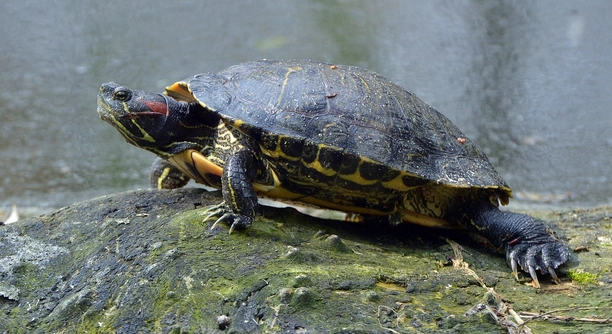
Keeping your red-eared slider hydrated is essential for their health and well-being. Ensuring proper hydration supports their shell development, digestion, and overall vitality in their aquatic environment.
Red-eared sliders stay hydrated through access to clean water and proper tank conditions. Maintaining ideal humidity levels, offering a balanced diet with hydrating foods, and ensuring their basking area doesn’t dry them out are key strategies.
Learn how these simple methods can make a big difference in your red-eared slider’s life. Your turtle deserves a healthy, hydrated environment to thrive.
Importance of Hydration for Red-Eared Sliders
Red-eared sliders rely on proper hydration for their overall health. Access to clean water not only keeps them hydrated but also supports essential functions like digestion and shell health. A lack of water can lead to stress and potential health issues. To ensure hydration, keep their tank clean, maintain the right temperature and humidity levels, and offer them a diet that includes hydrating vegetables like leafy greens and cucumbers. Additionally, providing basking areas ensures they dry off when needed, preventing fungal infections and skin problems. Consistency in these practices will promote a healthier, happier turtle.
Keeping your slider hydrated is a simple yet crucial part of their care. It ensures their physical health and reduces the risk of common ailments.
By understanding your turtle’s needs, you can create a supportive environment that allows them to thrive without worry. Small changes make a big impact.
Signs Your Slider May Be Dehydrated
Dehydration in red-eared sliders can manifest as lethargy, dry or flaky skin, and a lack of appetite. Observing these signs early allows for quick intervention.
Providing fresh, clean water is the first step in preventing dehydration. Ensure their tank is free from contaminants, and monitor humidity levels using a reliable hygrometer.
Beyond water quality, their diet plays a critical role. Foods like watermelon, zucchini, or romaine lettuce are excellent sources of hydration. Supplement their diet with these options while maintaining a balanced feeding schedule. Finally, ensure proper basking and lighting conditions. Too much exposure to heat can cause dehydration, so regulating their environment is key. Addressing these factors ensures your slider remains healthy and energetic.
How to Maintain Proper Tank Conditions
Maintaining clean water in the tank is essential for hydration and overall health. Use a high-quality filter to keep water free of debris and bacteria. Regular water changes help ensure optimal conditions and prevent contamination.
Temperature and humidity levels significantly affect hydration. Keep the water temperature between 75–85°F and the basking area at 90–95°F. A hygrometer can help you monitor humidity levels, which should stay around 70%. Using a water heater and misting occasionally can help maintain these conditions.
Tank size matters for their well-being. A spacious tank allows for better water circulation and a natural habitat feel. Ensure a proper balance between land and water areas. Add aquatic plants to provide shade and keep the environment enriched. These adjustments can make a big difference in your slider’s hydration.
Hydrating Foods to Include in Their Diet
Incorporating hydrating foods like cucumbers, zucchini, and watermelon into your slider’s diet is a great way to support hydration. These foods provide moisture and valuable nutrients, helping your turtle stay healthy and active.
Leafy greens such as romaine lettuce and dandelion greens are excellent options. Avoid iceberg lettuce as it lacks nutritional value. Feed these vegetables fresh, in small, manageable pieces. You can also rotate them with other foods to keep the diet varied and balanced.
Fruits should be given sparingly as treats due to their sugar content. A small piece of watermelon or cantaloupe occasionally can be beneficial for hydration. Always wash produce thoroughly before feeding and remove uneaten pieces promptly to maintain tank cleanliness. A proper diet supports both hydration and overall health.
Adjusting Lighting for Hydration
Proper lighting plays a significant role in maintaining hydration. UVB lighting is essential for promoting vitamin D3 production and calcium absorption. Ensure the UVB light covers the basking area and is replaced every 6–12 months for maximum efficiency.
Avoid excessive heat from the lighting setup. Overheating can dry out your slider’s skin and lead to dehydration. Position heat lamps at a safe distance and monitor tank temperatures regularly to maintain a balanced environment.
Providing Clean and Accessible Water
Always ensure your slider has access to clean, fresh water for swimming and drinking. Regularly test water quality to maintain safe pH levels and avoid harmful substances.
Using dechlorinated water and a good filtration system keeps the tank safe and promotes proper hydration. Consistency is key in their water setup.
Recognizing Early Signs of Hydration Issues
Monitor your slider’s activity level and appetite to detect early hydration issues. Lethargy or loss of appetite may indicate a problem.
Addressing these signs quickly helps prevent more serious health complications, ensuring your turtle stays active and healthy.
FAQ
How often should I change my red-eared slider’s water?
Changing the water every 1–2 weeks is recommended, depending on tank size and filtration system efficiency. Partial water changes of 25–50% can be done weekly to maintain quality. Regular testing ensures optimal water conditions.
What foods help with hydration the most?
Foods like cucumbers, zucchini, watermelon, and romaine lettuce are excellent hydrating options. These foods contain high water content and essential nutrients. Avoid iceberg lettuce as it lacks significant nutritional value and provides minimal hydration benefits.
Can dehydration cause serious health problems?
Yes, dehydration can lead to lethargy, dry skin, and digestive issues. Prolonged dehydration may cause kidney problems or shell deformities. Address hydration concerns immediately to prevent long-term complications.
How can I tell if my slider is dehydrated?
Signs of dehydration include sunken eyes, flaky skin, and reduced activity. Additionally, your slider may stop eating or appear weak. Observing these symptoms early allows you to make necessary adjustments to their care routine.
Is it okay to use tap water for my turtle?
Tap water is acceptable if treated with a dechlorinator to remove harmful chemicals like chlorine and chloramine. These substances can irritate a turtle’s skin and eyes. Always test water quality after treatment to ensure it’s safe.
What should I do if my turtle refuses to eat hydrating foods?
If your slider avoids hydrating foods, try offering them in smaller pieces or mixing them with their preferred diet items. Ensure the food is fresh and served at room temperature. Persistence often helps turtles adapt to new foods.
Do red-eared sliders need misting?
Misting isn’t usually necessary if their tank humidity is well-maintained. However, in drier environments, occasional misting can help maintain moisture levels. Use a hygrometer to monitor humidity and adjust misting frequency as needed.
How does basking affect hydration?
Basking helps regulate body temperature but can cause dehydration if the basking area is too dry or hot. Ensure a balance by providing shade and maintaining proper water access near the basking spot.
Can I add electrolytes to the water?
Electrolyte solutions made for reptiles can be added occasionally to support hydration, especially during recovery from illness. Consult a veterinarian for recommendations on the appropriate product and frequency.
How do I keep water clean with minimal effort?
Use a high-quality filter to reduce debris and maintain water clarity. Feeding your turtle outside the tank minimizes food waste contamination. Regularly test water parameters and schedule partial water changes to ensure cleanliness.
Should I bathe my turtle?
Bathing isn’t necessary for hydration, as turtles absorb water naturally through their tank. However, occasional soaks in clean, lukewarm water can help with shedding or removing dirt.
Why is my turtle spending less time in the water?
This behavior could indicate discomfort with water temperature or quality. Ensure the water is clean and within the recommended temperature range of 75–85°F. Check for signs of illness or consult a vet if the behavior persists.
Can lighting be left on overnight?
No, turtles need a consistent light-dark cycle to mimic their natural environment. Turn off UVB and heat lamps at night and maintain a regular schedule to support their health and hydration needs.
Are there signs that the tank humidity is too high?
Excessive tank humidity can lead to mold growth and respiratory issues. Signs include condensation on tank walls and labored breathing in your turtle. Adjust humidity levels immediately by improving ventilation or reducing water surface exposure.
Final Thoughts
Maintaining proper hydration for your red-eared slider is essential for its overall health and well-being. From providing fresh, clean water to creating a balanced tank environment, each step contributes to keeping your turtle active and healthy. Hydration plays a vital role in supporting key functions like digestion, metabolism, and skin health, making it important to regularly monitor and adjust care routines. Even small changes, like introducing hydrating foods or checking water quality, can make a noticeable difference in your turtle’s comfort and vitality.
Consistency is key when caring for your red-eared slider. Regular tank maintenance, including water changes and monitoring temperature and humidity, helps prevent dehydration and related health issues. By addressing hydration needs early, you can avoid complications that could affect your turtle’s long-term health. Establishing a reliable care routine not only benefits your turtle but also makes daily upkeep more manageable for you.
Understanding your slider’s needs takes time and observation. Pay attention to changes in behavior, appetite, or activity levels, as these can indicate hydration problems. Taking proactive steps to adjust their environment ensures they thrive in a safe, comfortable habitat. With proper care and attention, your red-eared slider will continue to grow and flourish, bringing enjoyment to your life for years to come.

Hello,
If you enjoy the content that we create, please consider saying a "Thank You!" by leaving a tip.
Every little bit helps us continue crafting quality advice that supports the health, happiness, and well-being of pets around the world, for pets of all shapes, sizes, and species.
We really appreciate the kindness and support that you show us!