
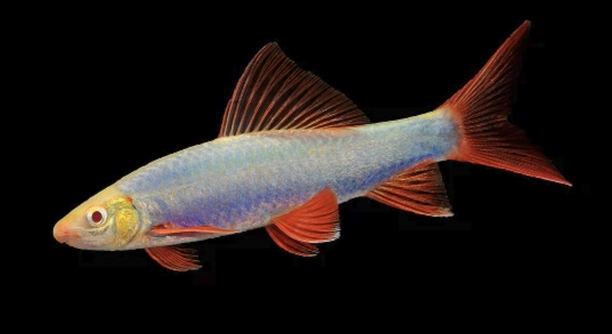
Do you ever find yourself checking your rainbow shark’s tank, wondering if the water is truly safe and balanced? Keeping tankwater at the right levels can make a big difference in your fish’s health.
Maintaining optimal tankwater for your rainbow shark involves consistent monitoring of pH, ammonia, nitrite, nitrate, and temperature. Using quality test kits, performing regular water changes, and ensuring proper filtration are essential to preserve a healthy aquatic environment.
Learning these simple methods can help you keep your rainbow shark happy, active, and stress-free in its freshwater home.
Test Water Weekly
Testing your rainbow shark’s tankwater weekly is one of the most effective ways to maintain stable water conditions. Water parameters like pH, ammonia, nitrite, and nitrate can change without obvious signs. Using reliable test kits—preferably liquid-based ones—helps you catch these changes early. This routine allows you to correct issues before they affect your fish. Always test after water changes and when adding new fish. Keep a log of results to track trends over time. If something seems off, you’ll have a record to help you understand what may have caused the change. Weekly testing creates a strong foundation for a healthy tank.
Testing once a week prevents sudden drops or spikes that could harm your rainbow shark. It keeps things balanced and predictable, which your fish needs to stay healthy and active.
Choose a quiet time each week for testing. It’s best to check before feeding and before any tank cleaning. Be consistent. If your test shows high ammonia or nitrite, take quick action with a water change and consider adding beneficial bacteria. If nitrates rise too much, increase the frequency of partial water changes. Keep your log near the tank so you can note the test date and results immediately. Small steps make a big difference.
Change Water Regularly
Partial water changes remove waste, excess nutrients, and toxins that build up over time. They also help maintain steady water chemistry.
Changing 25–30% of the tankwater every week helps control nitrate levels and refresh minerals in the water. Use a gravel vacuum to remove debris from the substrate while siphoning out water. Always condition the new water to remove chlorine or chloramine before adding it back to the tank. Try to match the temperature of the new water with the tankwater to prevent shocking your rainbow shark. If your tap water is very different in pH or hardness, consider mixing it with filtered or treated water. After refilling, observe your fish for a few minutes to ensure they are adjusting well. Regular water changes keep the environment clean and help prevent stress-related illnesses. With a set schedule and proper tools, this task becomes simple and manageable.
Clean the Filter Without Overdoing It
Filters collect waste and help grow beneficial bacteria, but over-cleaning them can cause problems. Rinse filter media in old tankwater during water changes to remove debris without killing helpful bacteria.
Never use tap water to clean your filter media, as chlorine can destroy the bacteria your tank needs. Only clean the media if the flow rate drops or if you see visible buildup. Avoid replacing all the media at once—stagger replacements to preserve bacterial colonies. Check the filter pads and sponge regularly, and gently swish them in a bucket of tankwater when needed. Cleaning the filter housing occasionally also helps maintain water flow. Filters don’t need to be spotless—just functional. A little buildup is normal and even necessary. Keeping the filter maintained without overdoing it protects water quality while supporting the bacteria that keep your tank stable.
Stick to a simple filter cleaning schedule to avoid disrupting the nitrogen cycle. Monthly cleanings for sponge or internal filters usually work well. For canister filters, cleaning every two to three months is usually enough unless there’s a noticeable drop in flow. Keep spare filter media on hand to avoid last-minute issues. Label each media type and track how long it’s been in use. This helps you plan replacements without affecting bacterial balance. Careful cleaning keeps your rainbow shark’s tank safe.
Avoid Overfeeding
Overfeeding leads to excess waste, uneaten food, and poor water quality. Rainbow sharks don’t need large meals. Feed small amounts once or twice a day and only what they can finish in two minutes.
Use sinking pellets or wafers made for bottom dwellers, as rainbow sharks tend to feed near the substrate. Remove any uneaten food after five minutes to prevent it from breaking down and clouding the water. If you’re unsure how much to feed, start with a small pinch and adjust based on their appetite. Overfeeding is one of the most common causes of poor water quality, but it’s easy to prevent with a little attention. Watching how your fish eat will help you learn their habits and avoid giving too much. A balanced feeding routine makes tank maintenance easier and keeps your water levels healthier for longer. Small, consistent feedings are always better than large, infrequent ones.
Monitor Temperature Closely
Rainbow sharks thrive in water temperatures between 75°F and 80°F. Fluctuations outside this range can cause stress or illness. Use a reliable aquarium thermometer and check the temperature daily to keep conditions stable and safe.
Avoid placing the tank near windows, heaters, or air vents. Sudden temperature changes can shock your fish and impact their health. If needed, use a quality aquarium heater with an adjustable thermostat to maintain consistency.
Don’t Ignore pH Stability
Rainbow sharks prefer slightly acidic to neutral water, with a pH between 6.5 and 7.5. Sudden pH swings can harm your fish, even if the values stay within this range. Always test pH alongside other water parameters during weekly checks. Avoid using chemicals to adjust pH unless absolutely necessary. Instead, keep your levels steady with consistent water changes and careful feeding. If your local water has extreme pH, consider using driftwood or almond leaves to make gentle adjustments. Stability matters more than hitting an exact number. A balanced tank setup, regular maintenance, and proper care will naturally keep your pH within a safe range.
Don’t Overstock the Tank
Rainbow sharks need plenty of swimming space and don’t do well in crowded tanks. Too many fish can increase waste and stress, making it harder to keep water parameters steady.
FAQ
How often should I check water parameters for my rainbow shark?
It’s best to check the water parameters once a week. Use liquid test kits to monitor pH, ammonia, nitrite, and nitrate levels. Weekly testing helps you catch small changes early, keeping your tank stable and your rainbow shark healthy. Always test after a water change or if the fish seems stressed.
What should I do if ammonia levels are high?
If you notice high ammonia, do an immediate partial water change—about 30% to 40%. Add a water conditioner that detoxifies ammonia, and avoid feeding the fish for a day or two. Make sure your filter is working properly and not clogged. If levels stay high, you may need to add beneficial bacteria.
Can I use tap water for water changes?
Yes, you can use tap water, but you must treat it first. Tap water contains chlorine or chloramine, which are harmful to fish. Use a good water conditioner to neutralize these chemicals before adding it to the tank. Try to match the new water’s temperature with the tankwater to avoid stress.
How many fish can I keep with my rainbow shark?
Rainbow sharks can be territorial, especially in smaller tanks. It’s best to keep them alone or with peaceful, fast-swimming tankmates in a tank that’s at least 55 gallons. Avoid bottom dwellers or similar-shaped fish that may trigger aggression. Always research compatibility before adding new fish.
What is the ideal tank size for a rainbow shark?
A single rainbow shark should be kept in a tank that holds at least 55 gallons of water. These fish are active swimmers and need space to move freely. A larger tank also helps keep water parameters more stable, making it easier to maintain a healthy environment.
Why is my rainbow shark hiding all the time?
Rainbow sharks like to hide sometimes, especially when they’re new to the tank or if the environment is too bright. Make sure there are hiding spots like caves or decorations. If hiding continues, check your water quality, as poor parameters can lead to stress and low activity.
Is it okay to clean everything in the tank at once?
No, cleaning everything at once can harm the good bacteria that your tank needs. Only clean one part at a time—such as rinsing filter media during a water change. Avoid scrubbing decorations or gravel too thoroughly unless there’s visible buildup. Clean gradually to protect the tank’s balance.
Can rainbow sharks live with live plants?
Yes, rainbow sharks can live with live plants and often benefit from them. Plants help improve water quality by absorbing nitrates and giving your fish places to explore. Choose hardy plants like Java fern, Anubias, or Amazon sword. Anchor them well so they don’t get uprooted during swimming.
What type of food should I feed my rainbow shark?
Feed your rainbow shark sinking pellets or wafers made for bottom feeders. You can also add occasional treats like blanched zucchini, peas, or bloodworms. Feed small amounts once or twice a day, only what they can eat in two minutes. Remove any uneaten food to avoid water quality issues.
Why does my tank get cloudy after a water change?
Cloudiness after a water change is usually due to disturbed debris or a small bacterial bloom. It often clears up in a day or two. Make sure not to overfeed and avoid over-cleaning the filter. If the cloudiness lasts longer, check your water parameters to rule out an imbalance.
What temperature should I keep the tank at?
Keep your rainbow shark’s tankwater between 75°F and 80°F. Use an aquarium heater to keep the temperature steady, especially in colder months. A thermometer helps you spot fluctuations early. Avoid sudden changes, as they can cause stress and lead to illness. Consistency is more important than hitting a specific number.
Final Thoughts
Keeping your rainbow shark’s tankwater at the right levels doesn’t need to feel overwhelming. With a few simple habits, you can build a routine that keeps your tank clean and your fish healthy. Weekly water testing, regular partial water changes, and careful feeding all play a big role in maintaining water quality. These steps may seem small, but they make a noticeable difference over time. A clean and balanced tank helps reduce stress for your rainbow shark, making it more active and comfortable in its environment. When you understand what your fish needs, taking care of it becomes much easier.
Every part of your tank setup works together. The filter needs to stay clean, but not too clean. The temperature must stay steady, and the pH should not swing too much. Even feeding needs attention, as too much food can quickly lead to cloudy water and poor conditions. It’s not about doing everything perfectly, but about being consistent. Simple actions—like writing down water test results or rinsing filter media in tankwater—go a long way in creating a stable aquarium. You don’t need expensive tools or complex products. What matters most is paying attention to your tank and reacting early when something changes.
Caring for a rainbow shark is both rewarding and manageable when you understand the basics. These fish are hardy and can live for years in a well-maintained tank. They like space, clean water, and stable conditions. Once you set up the right environment and follow a steady routine, things will fall into place. The more time you spend observing your fish and learning its habits, the easier it becomes to notice when something’s off. A little care each week will save you from bigger issues later. By staying consistent with water testing, feeding, and maintenance, you’ll create a healthy home for your rainbow shark where it can thrive.

Hello,
If you enjoy the content that we create, please consider saying a "Thank You!" by leaving a tip.
Every little bit helps us continue crafting quality advice that supports the health, happiness, and well-being of pets around the world, for pets of all shapes, sizes, and species.
We really appreciate the kindness and support that you show us!