
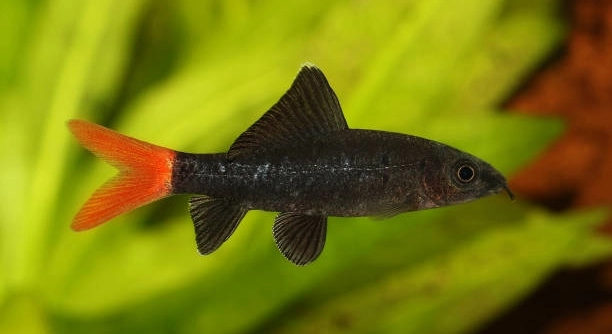
Keeping a Rainbow Shark safe in a community tank takes some care and attention. These fish are active and sometimes territorial, so understanding their needs helps them live peacefully with other fish. Proper tank setup plays an important role in their well-being.
Rainbow Sharks require adequate space, hiding spots, and compatible tank mates to reduce stress and aggression. Maintaining stable water conditions and regular monitoring are essential to ensure their safety and health in a shared aquarium environment.
Learning the best ways to protect your Rainbow Shark will help create a calm and healthy tank for all its inhabitants. This article explains practical steps you can take for a safer community setup.
Provide Plenty of Hiding Spots
Rainbow Sharks like to have places where they can hide and feel safe. In a community tank, this helps reduce their stress and prevents fights with other fish. Rocks, plants, and decorations can create these hiding spots. Make sure the spots are spread throughout the tank so the fish can choose where to rest. Hiding places also help Rainbow Sharks feel secure when they want to rest or avoid more active tank mates. Without enough cover, they might become stressed or aggressive, which can harm their health. It’s good to check the tank regularly and add more decorations if needed. A well-decorated tank with varied hiding spots can keep your Rainbow Shark calm and happy.
Having enough hiding spots can improve the overall peace in your tank by giving all fish places to retreat.
A community tank is more balanced when each fish can find space to relax. Rainbow Sharks need these shelters to feel safe because they can be territorial. Adding caves, dense plants, or driftwood lets them claim their own space without bothering others. It also helps reduce fights by lowering direct confrontations. Plants like Java fern or Anubias work well because they don’t need too much light and provide good cover. Remember to clean and rearrange hiding places occasionally to keep the environment fresh. When Rainbow Sharks feel secure, they show better colors and healthier behavior. Creating this safe environment helps your tank thrive and keeps all fish peaceful.
Choose Compatible Tank Mates
Selecting the right tank mates is important for keeping your Rainbow Shark safe. Not all fish get along well with them.
Rainbow Sharks do best with peaceful, fast-swimming fish that occupy different tank levels. Avoid slow, long-finned, or very small fish that might be bullied. Suitable companions include barbs, danios, and larger tetras. Be cautious with other bottom dwellers to prevent competition for space. Research each species’ temperament before adding them to the tank. Compatibility helps reduce stress and aggressive behaviors, creating a healthier tank environment for everyone involved.
Keep the Water Clean and Stable
Clean water is essential for Rainbow Sharks to stay healthy and safe. Regular water changes help maintain good water quality by removing waste and toxins. Test the water often for ammonia, nitrites, and nitrates to catch problems early.
Maintaining stable water parameters is key because Rainbow Sharks are sensitive to sudden changes. They prefer a temperature between 72°F and 79°F and a pH around 6.5 to 7.5. Using a reliable filter and performing weekly partial water changes of 20-30% keeps the environment safe. Avoid overfeeding to reduce waste buildup that harms water quality. Keeping the tank clean lowers stress and prevents diseases, which can make your Rainbow Shark more vulnerable to injury or aggression from other fish.
Proper water care also supports the health of all community tank inhabitants. Regular observation helps catch issues before they become serious problems.
Feed a Balanced Diet
Rainbow Sharks need a balanced diet for good health and energy. They are omnivores, so their food should include both plant matter and protein.
Feeding high-quality sinking pellets or wafers designed for bottom feeders is best. Supplement their diet with live or frozen foods like bloodworms, brine shrimp, or daphnia to add variety. Occasionally offering blanched vegetables such as zucchini or spinach provides important nutrients and fiber. Feed small amounts two to three times daily to avoid leftovers that pollute the tank. Overfeeding can cause poor water quality and health issues. Balanced nutrition helps Rainbow Sharks maintain their vibrant colors and active behavior. A well-fed fish is less likely to become stressed or aggressive.
Choosing the right food and feeding schedule makes a big difference in your Rainbow Shark’s well-being.
Monitor Behavior Regularly
Watching your Rainbow Shark’s behavior helps catch early signs of stress or illness. Look for changes in activity, appetite, or interactions with other fish. Early detection can prevent bigger problems.
If your Rainbow Shark becomes withdrawn or overly aggressive, these can be warning signs. Acting quickly can protect its health and safety in the community tank.
Maintain Proper Tank Size
Rainbow Sharks need enough space to swim freely and establish territories. A tank of at least 55 gallons is recommended to prevent overcrowding and reduce stress.
A larger tank helps avoid conflicts and allows fish to live more naturally. Keeping the tank clean and well-organized also supports healthy behavior.
Avoid Overcrowding
Too many fish in one tank increases stress and competition for resources. Keep stocking levels appropriate to give your Rainbow Shark room to thrive.
Overcrowding can lead to aggression, poor water quality, and health issues. Respecting tank limits promotes a peaceful environment for all fish.
FAQ
How aggressive are Rainbow Sharks in a community tank?
Rainbow Sharks can show territorial behavior, especially as they grow. They may chase or nip at fish that enter their claimed space. However, aggression usually lessens if the tank is large enough and has plenty of hiding spots. Choosing compatible tank mates and providing enough space helps keep aggression under control.
What tank mates are best for Rainbow Sharks?
Peaceful, fast-swimming fish that stay in the middle or top of the tank work well. Barbs, danios, and larger tetras are good examples. Avoid slow or long-finned fish, as they might be targets for bullying. Bottom dwellers can compete with Rainbow Sharks, so be cautious with those.
How often should I change the water?
Performing a partial water change of 20-30% every week is ideal. This keeps ammonia, nitrites, and nitrates at safe levels and maintains water clarity. Regular water changes reduce stress and help prevent diseases in your Rainbow Shark and other fish.
What temperature do Rainbow Sharks prefer?
Rainbow Sharks thrive between 72°F and 79°F. Keeping the temperature stable within this range supports their metabolism and immune system. Sudden temperature changes can stress them, making them more prone to illness or aggression.
Can Rainbow Sharks live with shrimp or snails?
Rainbow Sharks may see small shrimp as food and could harm snails by chasing or stressing them. If you want to keep shrimp or snails, provide plenty of hiding places, but be prepared for possible losses.
What should I feed my Rainbow Shark?
A balanced diet with sinking pellets or wafers made for bottom feeders is best. Supplement with live or frozen foods like bloodworms or brine shrimp. Occasionally, add blanched vegetables such as zucchini for fiber and nutrients. Feeding small amounts two to three times daily prevents overfeeding and waste buildup.
Why is my Rainbow Shark hiding all the time?
If your Rainbow Shark hides excessively, it could be stressed, sick, or feeling threatened by tank mates. Check water quality, tank conditions, and compatibility with other fish. Adding more hiding spots can help, but persistent hiding may require further investigation.
How big should my tank be for a Rainbow Shark?
A minimum of 55 gallons is recommended to provide enough swimming space and reduce territorial disputes. Larger tanks are better if you plan to keep multiple fish. Overcrowding can cause stress and aggression, so tank size is crucial for their safety.
Can Rainbow Sharks jump out of the tank?
Yes, Rainbow Sharks can jump, especially if they feel stressed or if water quality is poor. Always use a secure lid to prevent escapes. Good tank conditions and a peaceful environment reduce the chances of jumping behavior.
How can I tell if my Rainbow Shark is sick?
Look for signs like loss of appetite, faded colors, unusual swimming patterns, or visible spots or wounds. Early detection is important. Quarantine sick fish if possible and check water parameters to improve their chances of recovery.
Taking care of a Rainbow Shark in a community tank requires attention and understanding. These fish have specific needs that help them stay healthy and safe among other tank mates. By providing enough space, clean water, hiding spots, and the right diet, you create an environment where your Rainbow Shark can thrive without unnecessary stress or aggression. Following simple steps can make a big difference in how peaceful and healthy your tank remains. It is important to be consistent with maintenance and watch how your fish behave to catch any issues early.
Rainbow Sharks are active and sometimes territorial, but with the right tank conditions, they usually get along well with other fish. Choosing compatible tank mates that live on different levels and keeping the tank clean helps reduce conflicts. Regular water changes and maintaining stable temperatures keep their environment safe and comfortable. When your Rainbow Shark feels secure, it will show better colors and behave more calmly. This improves the experience not just for the Rainbow Shark but for all fish in your community tank.
Remember that every tank is different, and it may take some time to find the perfect balance for your specific setup. Pay attention to your fish’s behavior and health, and adjust care routines as needed. Creating a safe space for your Rainbow Shark will lead to a happier, healthier tank. Your efforts will be rewarded with a lively fish that adds beauty and activity to your aquarium. Taking these steps is worth it to ensure a peaceful community tank where every fish can thrive.

Hello,
If you enjoy the content that we create, please consider saying a "Thank You!" by leaving a tip.
Every little bit helps us continue crafting quality advice that supports the health, happiness, and well-being of pets around the world, for pets of all shapes, sizes, and species.
We really appreciate the kindness and support that you show us!