
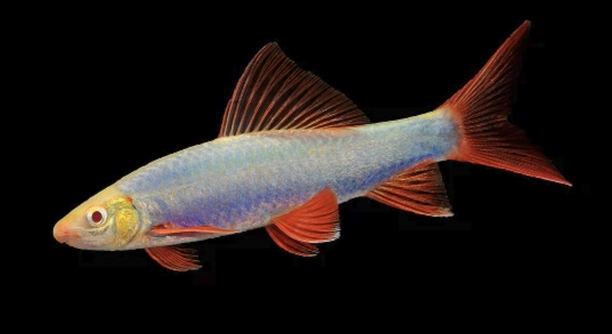
Keeping a Rainbow Shark happy and active in your aquarium is important for its health. These fish are lively and need stimulation to avoid boredom. Providing a good environment helps them thrive and stay vibrant over time.
Rainbow Sharks require a varied environment with places to explore and interact. Regular changes in tank decor, hiding spots, and live plants help prevent boredom. Supplementing their diet and engaging their senses can also promote natural behavior and well-being.
Knowing how to keep your Rainbow Shark engaged will help maintain its health and happiness in your home aquarium.
Create a Stimulating Environment
Rainbow Sharks need more than just water to stay active—they require an environment that offers variety and interest. Adding different hiding spots such as caves, driftwood, and dense plants can provide them with places to explore and feel secure. Changing the tank layout occasionally also keeps their surroundings fresh and exciting. They enjoy swimming through plants and around decorations, which helps reduce stress and encourages natural behavior. Avoid overcrowding the tank, as this can limit their space and reduce their activity. A spacious tank with clean, well-maintained water creates the ideal setting for these fish. Including soft lighting and some open swimming space allows them to move freely, which contributes to their mental stimulation and physical health.
A good environment with plenty of hiding spots and open areas keeps Rainbow Sharks curious and less likely to become bored.
Keeping their environment dynamic helps Rainbow Sharks remain energetic. Changing decorations periodically and maintaining plant health provides ongoing interest. Adding live plants not only beautifies the tank but also offers a natural habitat. Clean water and stable temperature conditions are equally essential for their comfort. When the fish feel safe and engaged, their activity levels improve, which is vital for their well-being. Observing them interact with their surroundings is rewarding and shows they are thriving in your care.
Provide a Balanced Diet
A balanced diet is important to keep your Rainbow Shark healthy and interested in its food. Feeding them a mix of high-quality pellets, flakes, and occasional live or frozen foods such as bloodworms or brine shrimp ensures they get proper nutrition. Avoid overfeeding, as this can lead to poor water quality and health problems. Feeding small amounts two to three times daily is better than one large meal. Variety in diet not only improves their health but also encourages natural foraging behavior, which keeps them mentally stimulated. Including some vegetable matter like blanched spinach or zucchini is beneficial, as Rainbow Sharks enjoy nibbling on plants.
Balanced nutrition supports their energy levels and helps prevent boredom related to feeding routines.
Regular feeding with varied food types enriches their diet and keeps them engaged during mealtime. It also supports their immune system and coloration. Watching your Rainbow Shark actively search for food is a good sign of well-being. Proper diet management contributes significantly to their overall happiness and longevity in your aquarium.
Encourage Interaction with Tank Mates
Rainbow Sharks can benefit from the presence of compatible tank mates. Choose peaceful species that share similar water requirements to avoid stress and aggression. Avoid overly aggressive or very small fish that might become targets. Proper social interaction helps stimulate their natural behavior.
Introducing suitable companions like tetras or barbs encourages your Rainbow Shark to be more active. Watching them interact adds interest to the tank and reduces loneliness. However, be cautious about overcrowding, as too many fish can cause stress. A balanced community tank promotes healthy social habits and keeps your Rainbow Shark mentally engaged.
It is important to monitor interactions closely, especially in the early days after introducing new fish. Signs of bullying or stress should be addressed immediately by rearranging tank layout or separating fish if needed. Maintaining harmony in the tank supports a lively and healthy environment for all its inhabitants.
Regular Tank Maintenance
Keeping your tank clean is essential to prevent boredom and stress in Rainbow Sharks. Dirty water and excess waste reduce oxygen levels and make fish sluggish. Regular water changes, gravel vacuuming, and filter cleaning maintain water quality.
Consistent maintenance prevents harmful buildup and keeps your Rainbow Shark active. Proper water parameters reduce disease risks and support their natural behavior. A clean tank allows fish to explore without discomfort. Neglecting tank care can lead to lethargy and health problems.
Keeping up with routine tank work shows respect for your fish’s needs. Regular testing of water parameters like pH and ammonia levels helps maintain a stable environment. This attention to detail contributes to a happier, more energetic Rainbow Shark that will continue to thrive in your aquarium.
Provide Plenty of Swimming Space
Rainbow Sharks are active swimmers and need enough room to move freely. A spacious tank helps prevent boredom by allowing them to explore and swim at their own pace.
A minimum of 30 gallons is recommended to give them adequate swimming space. Overcrowded tanks limit movement and cause stress.
Add Live Plants
Live plants create a natural habitat that encourages exploration and hiding. They improve water quality and provide a sense of security.
Plants like Java fern and Anubias are good choices because they tolerate similar water conditions and are sturdy enough for Rainbow Sharks.
Use Gentle Lighting
Bright lights can stress Rainbow Sharks, so use moderate or dim lighting. This helps create a calm environment.
Soft lighting mimics their natural habitat, encouraging normal behavior and reducing boredom. It also highlights their colors without overwhelming them.
Monitor Behavior Regularly
Keep an eye on your Rainbow Shark’s behavior to catch early signs of boredom or stress. Changes in activity levels or appetite can indicate issues.
FAQ
How often should I change the water in my Rainbow Shark’s tank?
Regular water changes are vital for a healthy tank. Aim to replace about 20-30% of the water every week. This helps remove waste, toxins, and keeps water conditions stable. Avoid changing too much at once, as sudden shifts can stress your fish.
Can Rainbow Sharks live with other fish?
Yes, but choose tank mates carefully. Peaceful species like tetras, barbs, or Corydoras catfish work well. Avoid small, slow-moving fish or very aggressive ones. Monitor interactions to ensure the Rainbow Shark isn’t bullying others or getting stressed.
What should I feed my Rainbow Shark daily?
Feed a mix of quality sinking pellets or flakes as the main diet. Supplement occasionally with live or frozen foods like bloodworms or brine shrimp. Include some vegetable matter like blanched spinach or zucchini for variety. Feed small amounts 2-3 times daily.
How large should the tank be for one Rainbow Shark?
A minimum tank size of 30 gallons is recommended. This provides enough space for swimming and territory. Larger tanks are better if you keep multiple fish or other species alongside your Rainbow Shark.
What water temperature do Rainbow Sharks prefer?
They thrive in temperatures between 74°F and 80°F (23°C–27°C). Consistent temperature helps reduce stress and keeps their immune system strong. Use a reliable heater and thermometer to maintain this range.
Why does my Rainbow Shark hide all the time?
Hiding can mean your fish feels unsafe or stressed. Check water quality, tank mates, and environment for issues. Adding more hiding spots or adjusting lighting can help. If hiding persists, review tank conditions and health carefully.
How do I know if my Rainbow Shark is bored?
Signs include reduced movement, hiding more than usual, or repetitive swimming patterns. A bored Rainbow Shark may also lose appetite or show dull colors. Improving tank setup and introducing stimulation can revive its activity.
Are live plants necessary for Rainbow Sharks?
While not required, live plants benefit both the fish and tank environment. They improve water quality, offer hiding places, and encourage natural behavior. Choose hardy plants that tolerate your tank’s conditions.
Can I keep more than one Rainbow Shark together?
Rainbow Sharks can be territorial, especially in small tanks. Multiple individuals need a large tank (50 gallons or more) with plenty of hiding spots to reduce aggression. Watch their behavior closely to prevent fights.
What lighting is best for Rainbow Sharks?
Moderate or dim lighting is ideal. Too bright light can stress them. Soft lighting mimics their natural habitat, helps show off their colors, and encourages normal activity.
How often should I clean the tank filter?
Clean the filter monthly or when you notice reduced water flow. Use tank water to rinse filter media gently to avoid killing beneficial bacteria. Proper filter care maintains water quality without harming the tank’s balance.
What should I do if my Rainbow Shark stops eating?
Loss of appetite may indicate stress, illness, or poor water quality. Test water parameters first, then review diet and tank mates. If the problem continues, consult a vet or aquarium specialist for advice.
Is it normal for Rainbow Sharks to be aggressive?
They can show territorial behavior, especially during feeding or in crowded tanks. Providing enough space and hiding spots helps reduce aggression. Avoid housing them with very passive or small fish that could be targets.
How can I make feeding time more engaging?
Scatter food in different tank areas or use feeding rings to encourage natural foraging. Live or frozen foods add variety and excitement. Feeding small amounts multiple times daily keeps your Rainbow Shark interested and active.
What diseases commonly affect Rainbow Sharks?
Common issues include ich, fin rot, and fungal infections, often caused by poor water quality or stress. Quarantine new fish and maintain good tank hygiene to prevent illness. Early treatment is key for recovery.
Final Thoughts
Keeping a Rainbow Shark happy and healthy takes some effort, but it is well worth it. These fish need more than just clean water; they need a stimulating environment that meets their natural behaviors. Providing enough space, hiding spots, and a varied diet helps prevent boredom and keeps them active. Regular tank maintenance and careful attention to water quality are also essential. When these needs are met, Rainbow Sharks tend to show brighter colors and more lively behavior, which is rewarding to watch.
It is important to remember that Rainbow Sharks are somewhat territorial and need compatible tank mates. Choosing peaceful fish that share similar water needs helps create a balanced community tank. Observing your fish regularly for any signs of stress or boredom can help you make changes before problems start. Small adjustments in the tank layout, lighting, or feeding routine can make a big difference in their well-being. Keeping their environment dynamic and engaging supports a longer, healthier life for your Rainbow Shark.
Overall, patience and consistency are key when caring for Rainbow Sharks. They respond well to a stable environment with gentle changes that keep them interested. By meeting their physical and mental needs, you ensure they remain happy and thrive in your care. Taking time to learn about their habits and preferences will improve your experience as a fish keeper and make your aquarium a more vibrant space. With proper care, your Rainbow Shark can be a beautiful, active addition to your home for many years.

Hello,
If you enjoy the content that we create, please consider saying a "Thank You!" by leaving a tip.
Every little bit helps us continue crafting quality advice that supports the health, happiness, and well-being of pets around the world, for pets of all shapes, sizes, and species.
We really appreciate the kindness and support that you show us!