
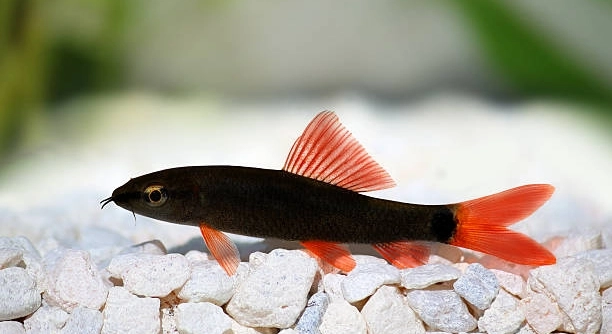
Keeping a Rainbow Shark as a pet can be rewarding, but their territorial nature sometimes causes stress in community tanks. Understanding how to manage their behavior is essential to maintaining harmony among your fish. This article offers practical advice for that purpose.
Rainbow Sharks tend to become territorial due to limited space and lack of environmental enrichment. Providing ample hiding spots, adequate tank size, and consistent feeding routines reduces aggression. Regular monitoring and tank arrangement adjustments help minimize territorial disputes effectively.
These simple steps will help you create a balanced environment where your Rainbow Shark can thrive without causing problems for other tank inhabitants.
Provide Enough Space for Your Rainbow Shark
Rainbow Sharks need plenty of space to swim freely. A small tank can make them feel trapped, causing territorial behavior. It is recommended to have at least a 30-gallon tank for one Rainbow Shark. If you plan to keep more, increase the size accordingly. More space allows your fish to establish separate areas and reduces conflicts with other tank mates. Additionally, make sure the tank has enough room for hiding spots and decorations, which helps break sight lines and prevents constant confrontation. Keeping the environment spacious and stimulating helps keep aggression in check. When buying a tank, think about the adult size of your Rainbow Shark, as they grow up to 6 inches long. Also, avoid overcrowding by limiting the number of fish, especially other bottom dwellers that might compete for territory. Proper space management creates a peaceful setting for your Rainbow Shark and its companions.
Providing enough space is one of the most effective ways to reduce territorial disputes in your aquarium.
Setting up your tank with space in mind also means paying attention to layout. Arrange decorations to create natural barriers and hideouts. Use plants, rocks, and driftwood to break the tank into smaller territories. This helps Rainbow Sharks feel secure and less likely to chase other fish. Open swimming areas combined with hiding places give them options for movement and retreat. If your tank is crowded or lacks variety, your Rainbow Shark may become more aggressive. A well-planned tank encourages natural behavior and reduces stress. Regularly observe your fish and rearrange decorations if you notice signs of fighting. This approach supports their health and helps maintain a calm community tank environment.
Maintain a Consistent Feeding Schedule
Feeding your Rainbow Shark at regular times helps reduce competition and aggression. When fish expect food consistently, they become less anxious and territorial. Sudden changes in feeding times or amounts can increase stress and fighting. Aim to feed your Rainbow Shark once or twice a day with a balanced diet of pellets, flakes, and occasional live or frozen foods. This provides essential nutrients and satisfies their appetite. Avoid overfeeding, as leftover food can pollute the tank and cause health issues. Use feeding tools or designated feeding spots to prevent other fish from stealing food, which can lead to disputes. Consistent feeding routines create a sense of security and help keep your Rainbow Shark calm and well-nourished. This simple step is key to managing their territorial instincts and promoting peaceful tank interactions.
Use Plants and Decorations to Create Territories
Plants and decorations give Rainbow Sharks places to hide and claim as their own. This reduces direct confrontations by dividing the tank into smaller, less contested areas.
Adding live or artificial plants and various decorations breaks the open swimming space. This allows your Rainbow Shark to retreat and feel safe when threatened. Use tall plants, caves, and driftwood to create natural boundaries. These elements help fish establish distinct zones and avoid constant territorial disputes. Changing the layout occasionally also keeps the environment interesting and prevents boredom. When the tank feels complex and secure, aggression tends to decrease as fish respect each other’s space more.
Properly arranged plants and decorations improve tank aesthetics and reduce stress among fish. They offer your Rainbow Shark security and encourage natural behavior, leading to a more peaceful aquarium overall.
Monitor Tank Mates Carefully
Choosing compatible tank mates reduces aggression and territorial behavior. Avoid keeping Rainbow Sharks with overly aggressive or small, timid fish. Opt for medium-sized, peaceful species that occupy different parts of the tank.
Tank mates that compete for the same space or food increase stress and fighting. Suitable companions include barbs, danios, and larger tetras. Avoid slow-moving or shy fish, as they may become targets. Keep an eye on interactions and remove any fish that cause repeated conflicts. Healthy social balance depends on compatible species and individual temperament. Proper selection and observation create a calmer environment, reducing your Rainbow Shark’s territorial instincts.
Avoid Overcrowding the Tank
Overcrowding leads to increased stress and territorial fights among Rainbow Sharks. Keeping fewer fish in a properly sized tank helps reduce aggression.
A spacious environment with balanced stocking limits competition for food and hiding spots. This creates a calmer atmosphere, allowing your Rainbow Shark to coexist peacefully with others.
Use Floating Plants to Soften Light
Floating plants help diffuse harsh light in the aquarium, creating shaded areas where Rainbow Sharks feel less exposed. This reduces stress and aggressive behavior caused by bright, open spaces.
Soft lighting mimics their natural habitat, encouraging calmer activity and less territorial display. Incorporate floating plants to improve overall tank comfort and fish wellbeing.
Regularly Clean and Maintain the Tank
Maintaining water quality prevents stress that can trigger aggression. Clean filters, perform partial water changes, and remove debris frequently to keep the environment healthy and stable.
Consistent maintenance supports your Rainbow Shark’s immune system and reduces irritability, contributing to a more peaceful tank dynamic.
FAQ
How can I tell if my Rainbow Shark is being too territorial?
Territorial behavior in Rainbow Sharks often shows as chasing other fish, aggressive posturing, or defending specific spots in the tank. You might see your shark frequently swimming rapidly around the same area or attacking tank mates that come too close. These signs usually increase when the tank is overcrowded or lacks hiding places. Monitoring your fish’s behavior closely helps identify problems early, allowing you to make necessary changes before stress or injury occurs.
Can I keep more than one Rainbow Shark in the same tank?
Keeping more than one Rainbow Shark together is challenging because they naturally defend territories. If you want multiple Rainbow Sharks, a very large tank with plenty of hiding spots is essential. Even then, some aggression is likely. It is often better to keep just one Rainbow Shark per tank to avoid fights and stress. If you try multiple sharks, watch them closely for signs of bullying and be ready to separate them if needed.
What size tank is best for a Rainbow Shark?
A minimum of 30 gallons is recommended for a single Rainbow Shark. This size provides enough room for swimming and space to establish territory without feeling crowded. Larger tanks are better if you want to add more fish or decorations. Overcrowded or small tanks increase aggression and stress, so investing in a proper-sized aquarium improves your fish’s wellbeing and behavior.
Are there specific tank mates that work well with Rainbow Sharks?
Yes. Good tank mates include peaceful, medium-sized fish that do not compete for the same bottom territory, such as barbs, danios, and larger tetras. Avoid small, timid fish and other bottom dwellers that might provoke fights. Compatible tank mates help maintain balance and reduce territorial disputes. Regularly observe interactions to ensure all fish coexist comfortably.
How important are hiding spots for reducing aggression?
Hiding spots are very important. They provide your Rainbow Shark and other fish with places to retreat and claim as safe zones. Without these, fish may feel exposed and act aggressively to defend limited space. Use plants, caves, and decorations to create multiple hiding places throughout the tank. This breaks up the space and lowers stress, resulting in less territorial behavior.
What should I feed my Rainbow Shark to keep it calm?
A balanced diet including high-quality pellets or flakes formulated for bottom feeders is best. Supplement this with occasional live or frozen foods like bloodworms or brine shrimp to provide variety. Feeding once or twice daily at consistent times helps reduce hunger-driven aggression. Avoid overfeeding, which can lead to poor water quality and health issues.
Can tank lighting affect my Rainbow Shark’s behavior?
Yes. Bright, harsh lighting can stress your Rainbow Shark, making it more aggressive or nervous. Using floating plants or dimmable lights softens the light and creates shaded areas, helping your fish feel more secure. This reduces territorial displays and supports natural behavior.
How often should I clean the tank to prevent aggression?
Regular cleaning is essential. Perform partial water changes weekly or biweekly, clean filters monthly, and remove uneaten food and debris daily. Good water quality prevents stress and disease, which can trigger aggression. A clean, stable environment helps keep your Rainbow Shark calm and healthy.
Is rearranging the tank decorations helpful?
Yes, occasionally rearranging decorations can help reduce established territorial claims. Changing the layout breaks existing boundaries and forces fish to reset their territories. This can lower aggression temporarily and keep your Rainbow Shark mentally stimulated. Just avoid frequent changes, which might cause stress.
What signs indicate that a Rainbow Shark is stressed besides territorial behavior?
Other signs include loss of appetite, hiding excessively, faded colors, rapid breathing, and clamped fins. Stress often results from poor water quality, overcrowding, or bullying by tank mates. Addressing these issues promptly improves your fish’s health and reduces aggressive behavior.
Keeping a Rainbow Shark can be very rewarding, but managing their territorial nature is important for a peaceful tank. These fish naturally like to claim space, which can lead to stress or fights if their environment is not suitable. Providing enough space, hiding spots, and compatible tank mates helps reduce their territorial instincts. When a tank is thoughtfully set up, your Rainbow Shark can live comfortably alongside other fish.
Maintaining a regular feeding schedule and good water quality also plays a key role in controlling aggression. Hunger or poor tank conditions often make fish more irritable and territorial. By feeding your Rainbow Shark balanced meals at consistent times and keeping the tank clean, you create a stable environment. This supports the health and calmness of all your aquatic pets, reducing the chance of conflicts and stress-related problems.
Overall, understanding the needs of your Rainbow Shark and paying close attention to its behavior allows you to prevent territorial issues before they become serious. Small adjustments like adding plants, rearranging decorations, or choosing the right companions can make a big difference. With patience and care, your Rainbow Shark will thrive, and your aquarium will remain a peaceful and enjoyable space for all its inhabitants.

Hello,
If you enjoy the content that we create, please consider saying a "Thank You!" by leaving a tip.
Every little bit helps us continue crafting quality advice that supports the health, happiness, and well-being of pets around the world, for pets of all shapes, sizes, and species.
We really appreciate the kindness and support that you show us!