
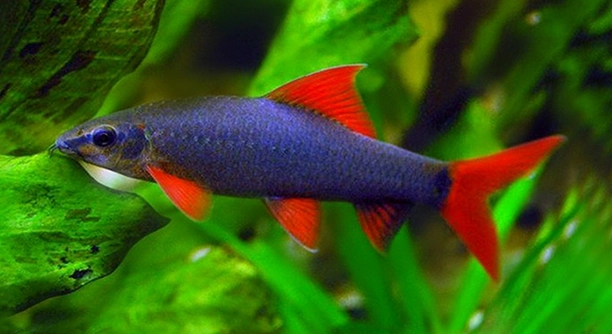
Keeping a Rainbow Shark in your aquarium can bring color and life to your tank. These fish are active but sensitive to their environment. Ensuring they remain calm is important for their health and happiness.
Stress in Rainbow Sharks mainly occurs due to poor water quality, lack of hiding spots, overcrowding, and sudden changes in their environment. Maintaining stable conditions, proper tank size, and peaceful tank mates are essential to reduce stress.
Learning how to care for your Rainbow Shark properly will improve its well-being and longevity. The following tips will help you create a calm and comfortable home for your fish.
Keep Water Quality Stable
Maintaining clean, stable water is the most important factor in keeping your Rainbow Shark stress-free. These fish are very sensitive to sudden changes in water conditions, such as pH, temperature, and ammonia levels. Frequent testing of the water using a reliable kit helps catch problems early. Regular partial water changes are essential to remove waste and toxins that build up over time. Avoid overcrowding the tank, as too many fish produce more waste and make it difficult to keep water clean. Use a good filtration system to keep the water clear and oxygen-rich. Keeping the water temperature consistent, ideally between 75 and 79 degrees Fahrenheit, helps the Rainbow Shark stay healthy. Sudden temperature drops or spikes can cause stress and illness. Adding a gentle water flow mimics their natural habitat and promotes a calm environment.
Checking water parameters weekly is a simple habit that can save you from major tank problems.
A stable, clean tank means your Rainbow Shark will live longer and behave more naturally. Keeping the water free of pollutants reduces their risk of infection and stress. It also encourages better feeding habits and activity levels. Clean water supports their immune system, making them less vulnerable to diseases. Ensuring water quality is a continuous process that involves testing, filtering, and partial water changes. This consistency will create a safe environment where your Rainbow Shark can thrive and display its beautiful colors.
Provide Plenty of Hiding Places
Rainbow Sharks need places to hide and feel safe. Rocks, plants, and caves are great options to include in the tank.
Adding decorations like smooth stones, driftwood, and plastic or live plants creates safe spots for your fish to retreat. These hiding places help reduce stress by giving the Rainbow Shark control over its environment. When the fish can hide, it feels less threatened by tank mates or sudden movements outside the aquarium. Make sure to leave enough open swimming space while adding enough cover. Avoid sharp decorations that could injure your fish. Using a variety of hiding spots also encourages natural behavior and reduces aggression.
Having a tank layout that balances hiding places with open areas is key for a peaceful aquarium. The fish will feel secure, reducing the chance of stress-related health issues.
Avoid Overcrowding
Too many fish in one tank create stress for Rainbow Sharks. They need enough space to swim freely without feeling threatened by others.
Crowded tanks cause competition for food and hiding spots. This leads to increased aggression and stress, which can harm your Rainbow Shark’s health. Providing at least 30 gallons for one Rainbow Shark is ideal. Adding more fish requires a larger tank to avoid overcrowding. Overcrowding also makes it harder to maintain clean water, increasing toxins and disease risk. Keeping a balanced number of fish supports peaceful behavior and a healthier environment.
A spacious tank encourages natural swimming patterns and reduces stress-related illnesses. It also helps Rainbow Sharks establish their own territory, which is important for their well-being. Careful planning of tank size and population is essential for keeping your fish calm and healthy.
Choose Compatible Tank Mates
Rainbow Sharks can be territorial, so choosing peaceful, non-aggressive tank mates is important. Avoid fin-nipping species that may cause stress.
Compatible tank mates include larger tetras, barbs, and peaceful catfish. These fish tend to coexist well without provoking aggression. Avoid slow-moving or long-finned fish, as Rainbow Sharks may nip at their fins. Introducing too many aggressive fish increases stress and territorial disputes. When adding new fish, monitor interactions closely for signs of bullying or stress. Providing enough hiding spots also helps reduce conflicts between species. A well-planned community tank creates a peaceful atmosphere that supports your Rainbow Shark’s health and happiness.
Maintain a Consistent Feeding Schedule
Rainbow Sharks thrive on a regular feeding routine. Feeding them at the same times daily reduces stress and keeps them healthy.
Overfeeding or irregular feeding can cause stress and water quality issues. Stick to a balanced diet of pellets, flakes, and occasional live or frozen foods.
Minimize Sudden Changes
Sudden changes in lighting, temperature, or tank layout can stress your Rainbow Shark. Keep the environment stable and predictable.
When making adjustments, do it gradually over several days. This helps your fish adapt without feeling threatened. Sudden loud noises or vibrations near the tank should also be avoided, as these can startle them.
Monitor Behavior Closely
Watch your Rainbow Shark’s behavior for signs of stress like hiding, loss of appetite, or aggression. Early detection helps prevent serious health problems.
How do I know if my Rainbow Shark is stressed?
Signs of stress in Rainbow Sharks include hiding more than usual, loss of appetite, rapid breathing, and unusual aggression or lethargy. You might also notice faded colors or erratic swimming. These behaviors suggest the fish is uncomfortable or reacting to its environment. Monitoring these signs early can help you address issues before they worsen.
What water parameters are best for Rainbow Sharks?
Rainbow Sharks prefer water temperatures between 75°F and 79°F (24°C–26°C). The pH should be slightly acidic to neutral, ideally between 6.5 and 7.5. Ammonia and nitrite levels must always be zero, and nitrate should be kept under 20 ppm. Keeping these stable reduces stress and promotes healthy behavior.
Can Rainbow Sharks live with other fish?
Yes, but choose tank mates carefully. Peaceful fish like larger tetras, barbs, and certain catfish usually coexist well. Avoid slow-moving or long-finned species, as Rainbow Sharks may nip their fins. Overcrowding or mixing aggressive fish increases stress and conflicts, so plan your community tank thoughtfully.
How often should I clean my tank to keep my Rainbow Shark healthy?
Partial water changes of 20-30% every one to two weeks are recommended. Frequent cleaning prevents buildup of harmful toxins and keeps the environment stable. Cleaning the filter regularly is also important, but avoid washing it with tap water to preserve beneficial bacteria.
What should I feed my Rainbow Shark?
A varied diet helps maintain health. Feed high-quality sinking pellets or flakes as the main diet. Supplement with live or frozen foods like bloodworms, brine shrimp, or daphnia occasionally. Avoid overfeeding, as uneaten food pollutes the water and causes stress.
Why does my Rainbow Shark keep hiding?
Hiding is normal sometimes, but constant hiding usually signals stress or fear. This may be caused by poor water conditions, lack of hiding places, or aggressive tank mates. Make sure your tank provides enough cover and stable conditions to help your fish feel secure.
Is my Rainbow Shark territorial?
Yes, Rainbow Sharks are territorial and may defend their space aggressively. This behavior is more common in smaller or overcrowded tanks. Providing enough space and hiding spots helps reduce territorial disputes and stress.
Can sudden changes harm my Rainbow Shark?
Sudden changes in water temperature, lighting, or tank decorations can cause stress. Rainbow Sharks prefer a stable environment. Any changes should be made gradually to help them adjust without harm.
How long do Rainbow Sharks typically live?
With proper care, Rainbow Sharks can live 5 to 8 years. Stress, poor water quality, and improper diet shorten their lifespan. Maintaining good tank conditions and feeding them well increases their chances of a long, healthy life.
What should I do if my Rainbow Shark shows signs of illness?
Isolate the fish if possible and check water parameters immediately. Stress weakens their immune system, making them prone to infections. Consult a veterinarian or fish specialist for proper diagnosis and treatment. Early intervention improves recovery chances.
Can I keep multiple Rainbow Sharks together?
It is not recommended to keep multiple Rainbow Sharks in the same tank unless it is very large (over 75 gallons). They are territorial and tend to fight over space, which leads to stress and injuries. If you want multiple Rainbow Sharks, provide plenty of space and hiding spots to minimize aggression.
Caring for a Rainbow Shark requires attention to its environment and behavior. These fish are sensitive to changes and can become stressed if their needs are not met. Keeping water clean and stable is the foundation of good care. Regular testing and partial water changes help maintain the right conditions. A consistent feeding schedule with a balanced diet also supports their health. Overcrowding and poor tank mate choices increase stress and should be avoided. Providing enough space and hiding spots helps your Rainbow Shark feel safe and comfortable.
Watching your Rainbow Shark closely is important to catch signs of stress early. Changes in behavior like hiding, loss of appetite, or aggression usually indicate a problem. When you notice these signs, check water quality and tank conditions first. Sometimes small changes like adding plants or adjusting the feeding routine can make a big difference. Maintaining a peaceful environment with compatible fish helps prevent conflicts. Avoid sudden changes to the tank setup or water parameters, as these can cause unnecessary stress.
Overall, a well-maintained aquarium with stable conditions and thoughtful care will keep your Rainbow Shark healthy and happy. It is a rewarding experience to see these fish thrive when you meet their needs. The key is consistency and attention to detail. By following simple steps like monitoring water quality, feeding properly, and providing hiding places, you create a peaceful home for your fish. These actions reduce stress and support the natural behavior of your Rainbow Shark, ensuring it lives a long, vibrant life.

Hello,
If you enjoy the content that we create, please consider saying a "Thank You!" by leaving a tip.
Every little bit helps us continue crafting quality advice that supports the health, happiness, and well-being of pets around the world, for pets of all shapes, sizes, and species.
We really appreciate the kindness and support that you show us!