
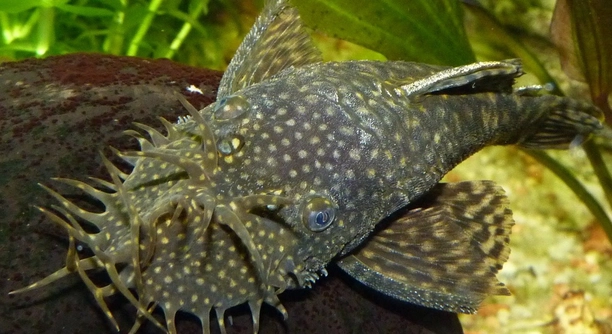
Plecos are beloved for their unique appearance and helpful cleaning abilities, but keeping their tank fresh can be a challenge. Over time, waste, leftover food, and decaying plants can lead to unpleasant odors.
To keep your pleco tank smelling fresh, regular maintenance is key. This includes cleaning the tank, removing uneaten food, and ensuring proper filtration. You should also monitor water quality and consider adding live plants or a pleco-friendly filter to reduce odors.
Maintaining a fresh-smelling tank requires consistent care and attention to detail. Understanding how to manage waste and water conditions will make a significant difference. We’ll explore practical steps to keep your pleco’s environment clean and odor-free.
Keep Your Tank Clean with Regular Water Changes
One of the simplest ways to keep a pleco tank smelling fresh is by changing the water regularly. Plecos, like other fish, produce waste that can quickly build up and lead to bad odors. Over time, this waste breaks down, making the water quality poor and smelly. Regular water changes help maintain good water quality, remove harmful toxins, and keep odors at bay. It’s recommended to change 20% to 30% of the water every 1-2 weeks, depending on the size of the tank and the number of fish.
Changing the water not only helps reduce smells but also promotes the health of your pleco. Clean water supports their immune system, keeping them happy and active.
If you notice that your pleco tank still has a lingering smell after a water change, it could be worth checking the filter system. A clean and functioning filter is vital in ensuring that the water remains clear and fresh. The filter works by trapping debris and waste, preventing it from decaying in the water. Make sure to clean your filter regularly, and replace the media when needed to avoid unpleasant odors.
Remove Leftover Food to Prevent Decay
Leftover food is another significant factor in causing bad smells in your pleco tank. Plecos are not the most active eaters, and uneaten food can sit at the bottom of the tank, decaying and releasing a foul odor. To avoid this, try removing any leftover food after feeding your pleco.
Feeding your pleco in moderation helps reduce waste and food remnants. You can also use a feeding dish to limit the spread of food around the tank.
Use a Good Filter System
A proper filter is essential for keeping your pleco tank fresh. Filters help remove debris, waste, and excess nutrients that can lead to bad odors. Choose a filter that suits the size of your tank to ensure it works efficiently.
It’s also important to clean the filter regularly. Over time, the filter can get clogged with debris, making it less effective. To avoid this, rinse the filter media in tank water during each water change to remove buildup. You may also need to replace the filter media every few months, depending on its type.
A good filter doesn’t just help with odor control; it also ensures that your pleco has a healthy environment. Clean, well-filtered water will prevent bacterial growth and help your pleco thrive. Investing in a quality filter can make all the difference in keeping your tank smelling fresh.
Add Live Plants to Your Tank
Adding live plants to your pleco tank can help absorb excess nutrients and improve water quality. Plants naturally help filter the water, reducing the chance of foul odors.
In addition to keeping the water cleaner, live plants also provide hiding spots for your pleco, giving it a more natural and stress-free environment. Plants like Java fern, Anubias, or Hornwort are great choices, as they thrive in low light and are easy to care for.
While live plants are a great way to improve the tank’s ecosystem, be sure to maintain them properly. Trim any dead or decaying leaves to prevent them from adding to the waste in the tank. Healthy plants can significantly contribute to keeping the water clear and odor-free.
Use a Gravel Vacuum
A gravel vacuum is a great tool for cleaning your tank and reducing odors. It removes debris, fish waste, and uneaten food that settles at the bottom of the tank. Regular use can keep your substrate clean and help maintain a fresh-smelling environment.
Using a gravel vacuum during water changes ensures that waste is removed efficiently. This tool helps prevent the buildup of organic matter, which can lead to unpleasant smells over time.
Control Algae Growth
Algae can contribute to odors in your pleco tank if not controlled. Excessive algae growth, especially on decorations or tank walls, can decay and affect water quality.
Keeping algae growth under control is important to maintain both clean water and a pleasant-smelling tank. Regularly scrape algae from tank surfaces and monitor light levels to prevent overgrowth.
FAQ
How often should I clean my pleco tank?
Cleaning your pleco tank should be done regularly to keep it smelling fresh. Perform partial water changes every 1-2 weeks, changing 20% to 30% of the water each time. You should also vacuum the substrate and clean the filter every month. The more you clean, the fresher the tank will stay.
How can I prevent bad odors from forming in my pleco tank?
Preventing bad odors requires regular maintenance, such as removing leftover food, vacuuming the gravel, and performing water changes. Also, make sure the tank is properly filtered and monitor the health of any live plants. Healthy water conditions are key to keeping smells at bay.
Can plecos produce a lot of waste?
Yes, plecos do produce waste, though it’s not excessive compared to other fish. Their waste, combined with leftover food and decaying plants, can contribute to odors if not managed properly. Regular cleaning, using a good filter, and removing waste regularly will keep the tank clean and fresh.
Is it normal for plecos to have a strong odor?
Plecos themselves do not have a strong odor, but their tanks can develop one if not maintained properly. A dirty tank, accumulated waste, or poor filtration can lead to unpleasant smells. Regular cleaning, water changes, and good filtration can help eliminate these odors.
What type of filter is best for a pleco tank?
A good filter for a pleco tank should be strong enough to handle the waste they produce. A canister filter or a hang-on-back filter is ideal for larger tanks, as these filters provide effective filtration. Make sure the filter is rated for the size of your tank and clean it regularly to maintain its efficiency.
How can I tell if the water quality is poor?
Signs of poor water quality include cloudy water, a strong odor, and visible fish stress. Fish may appear lethargic, have faded colors, or swim erratically. You can test water quality using a water test kit to check for ammonia, nitrites, and nitrates. Regular water changes help maintain healthy water conditions.
Should I add any chemicals to my pleco tank to control odors?
It’s best to avoid adding chemicals to control odors, as they can harm your pleco and other tank inhabitants. Instead, focus on maintaining good filtration, regular water changes, and removing waste. If you do use any treatments, ensure they are safe for plecos and follow the instructions carefully.
Do live plants really help with tank odors?
Yes, live plants help absorb excess nutrients in the water, which can reduce the growth of harmful bacteria and algae. Plants also naturally filter the water, making it cleaner and fresher. Healthy plants can improve the overall environment of the tank and contribute to odor control.
Can overfeeding plecos lead to bad smells?
Yes, overfeeding plecos can contribute to bad smells. When food isn’t eaten, it decays in the tank, leading to increased waste and unpleasant odors. Be sure to feed your pleco only what it can consume in a few minutes and remove any leftover food to prevent this issue.
How do I prevent algae from causing odors in my pleco tank?
Algae can contribute to odors when it grows excessively and decays. To prevent this, limit light exposure to 8-10 hours per day, as too much light encourages algae growth. Regularly scrape algae from the tank walls and decorations, and consider adding algae-eating species to help control its growth.
Can I use a pleco as a cleaning fish for the whole tank?
While plecos are great at cleaning algae from tank surfaces, they are not capable of cleaning the entire tank. They won’t remove waste or leftover food from the substrate or prevent odors from forming. Regular cleaning, water changes, and filtration are still necessary to keep the tank fresh.
How can I make my pleco tank look cleaner and fresher?
To keep your pleco tank looking fresh and clean, regularly clean the tank walls, vacuum the gravel, and perform water changes. Add live plants to improve water quality and keep things looking natural. A well-maintained filter will also help keep the water clear and the tank smelling fresh.
Can I use a pleco in a community tank?
Plecos are generally peaceful fish and can live well in a community tank. However, be aware that some pleco species grow large and may need more space. Always check the compatibility of the other tankmates to ensure everyone gets along, and make sure to meet the care requirements for all fish in the tank.
Do plecos need special care to stay healthy?
Plecos are relatively low-maintenance, but they do require a well-maintained tank with clean water, proper filtration, and regular feeding. They also need hiding spots, so providing caves or plants is important. Regular water changes, along with good tank hygiene, will keep your pleco healthy and happy.
Final Thoughts
Keeping a pleco tank fresh and clean doesn’t require complex steps but does need regular attention. The key is routine maintenance, including water changes, filter cleaning, and debris removal. Regularly vacuuming the gravel and ensuring that leftover food doesn’t sit in the tank will help avoid odors. These tasks, although simple, can make a huge difference in keeping the tank environment healthy for your pleco and pleasant for you.
In addition to cleaning, adding live plants to the tank can greatly benefit both the aesthetic and the water quality. Plants absorb excess nutrients, help reduce algae growth, and provide a more natural habitat for your pleco. The plants, together with a good filter system, will create a balanced and healthy environment. You may also want to invest in a high-quality filter that works well for your tank’s size. Regular maintenance of the filter will ensure that it continues working at its best, keeping your tank smelling fresh and the water clean.
Lastly, keeping track of your pleco’s diet and not overfeeding is another essential step in preventing odors. Overfeeding leads to waste buildup, which contributes to unpleasant smells. By feeding your pleco only what it can eat in a few minutes and promptly removing uneaten food, you’ll keep the tank cleaner. Overall, a well-maintained pleco tank will not only smell better but will also be a healthier environment for your fish, making it more enjoyable for you to care for and watch.

Hello,
If you enjoy the content that we create, please consider saying a "Thank You!" by leaving a tip.
Every little bit helps us continue crafting quality advice that supports the health, happiness, and well-being of pets around the world, for pets of all shapes, sizes, and species.
We really appreciate the kindness and support that you show us!